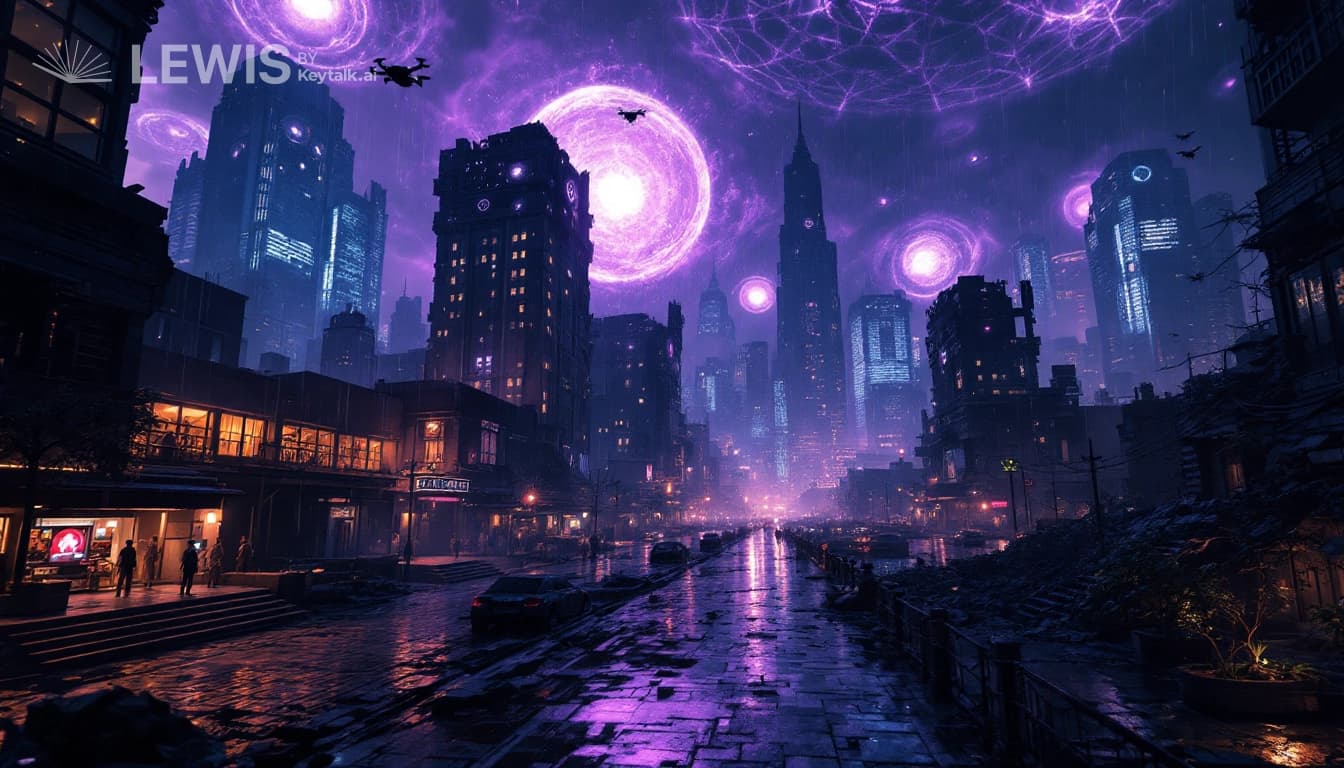
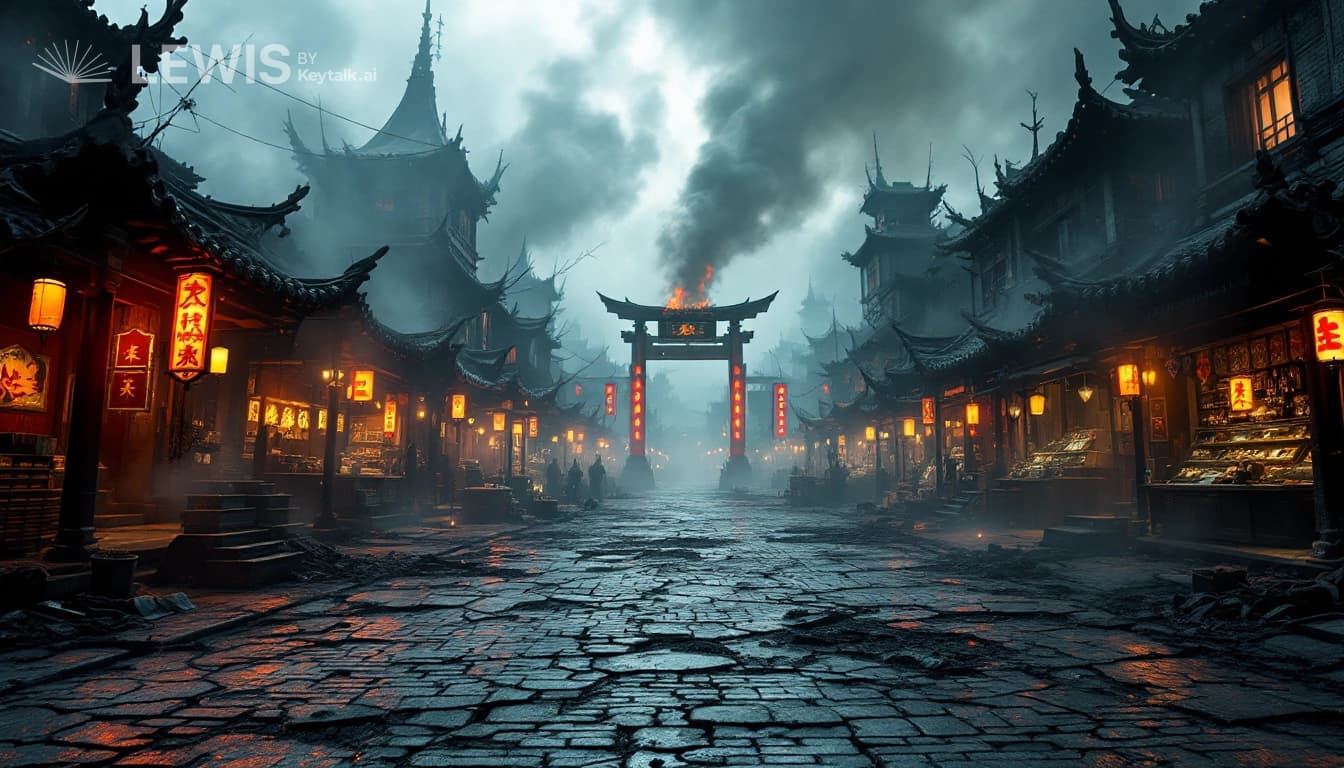
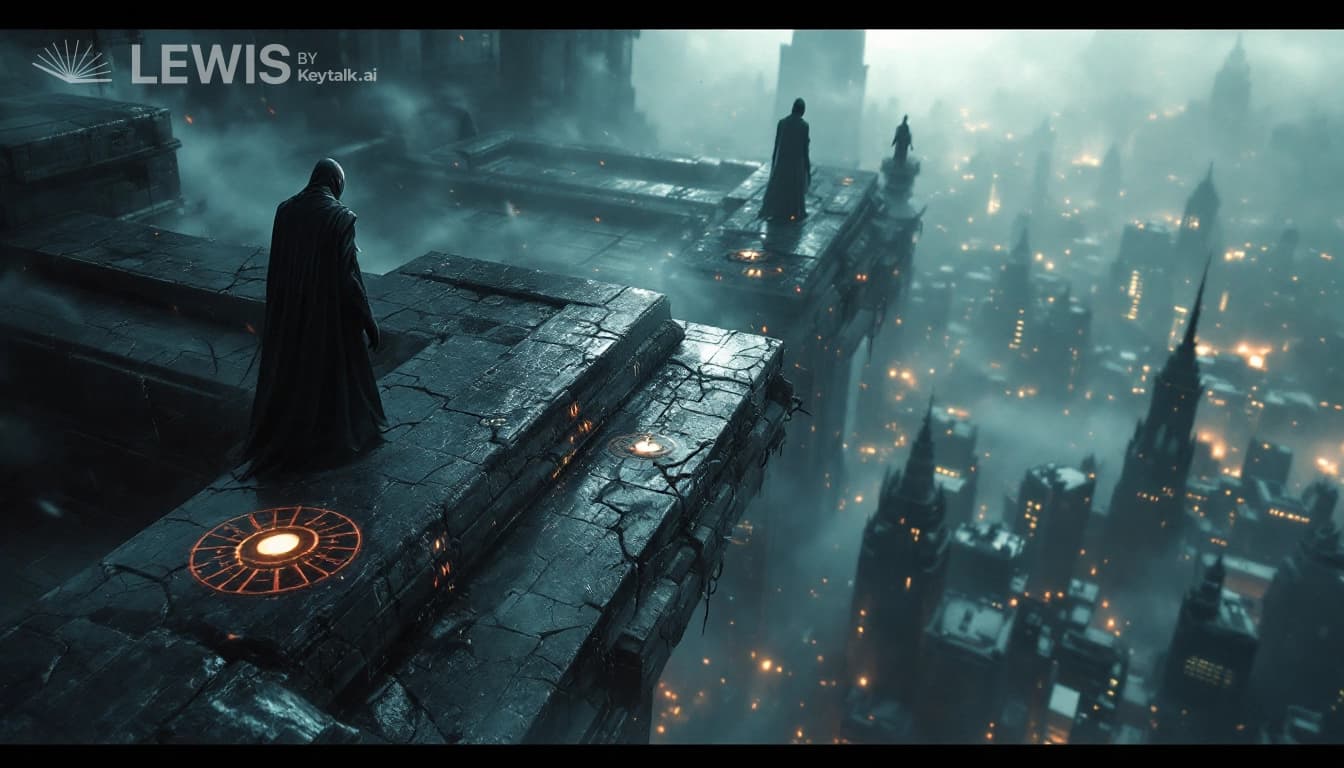
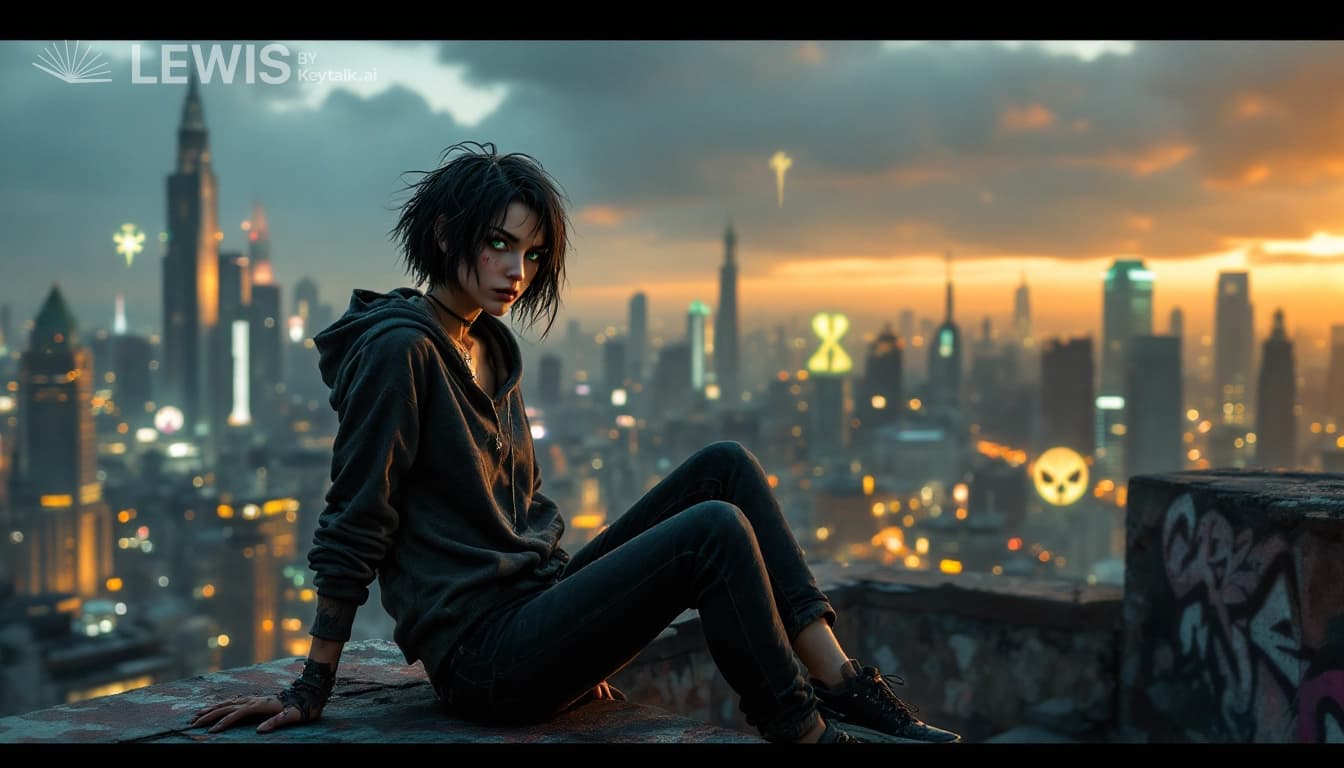
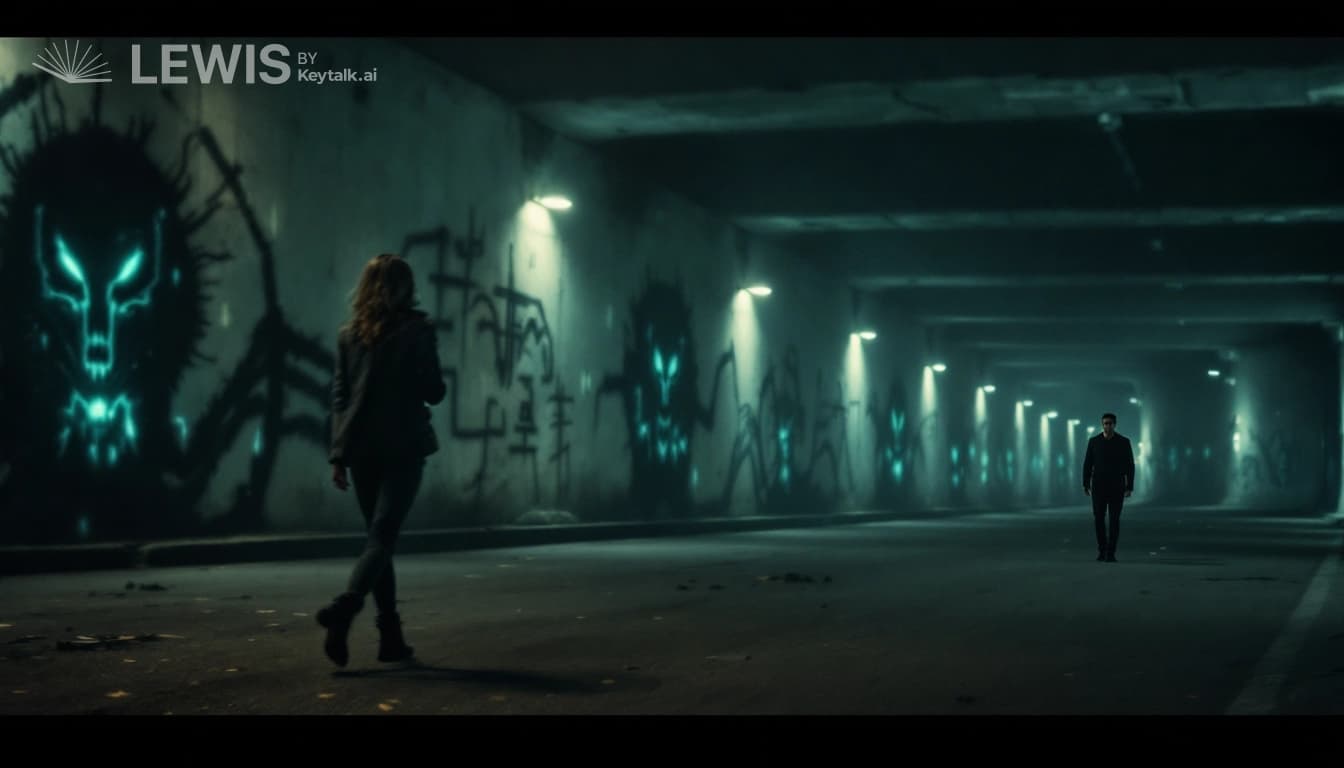
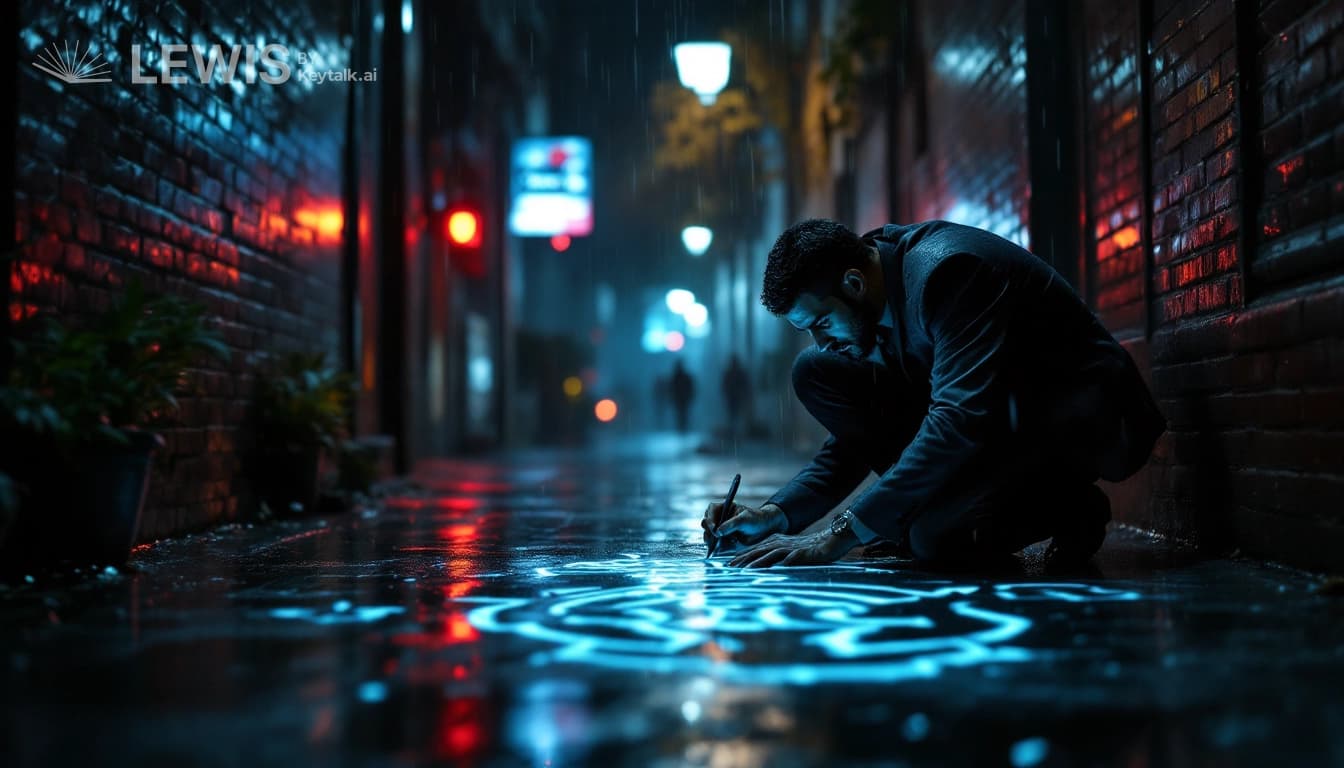
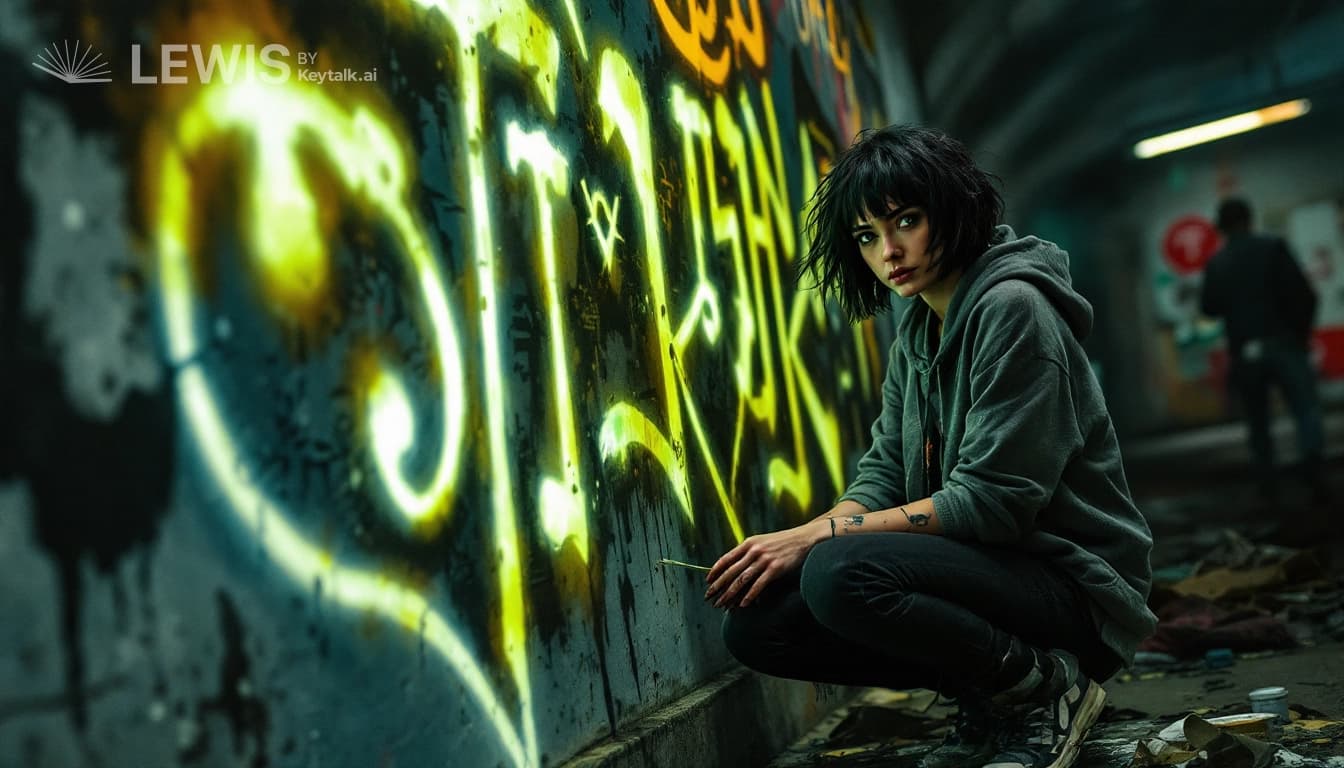
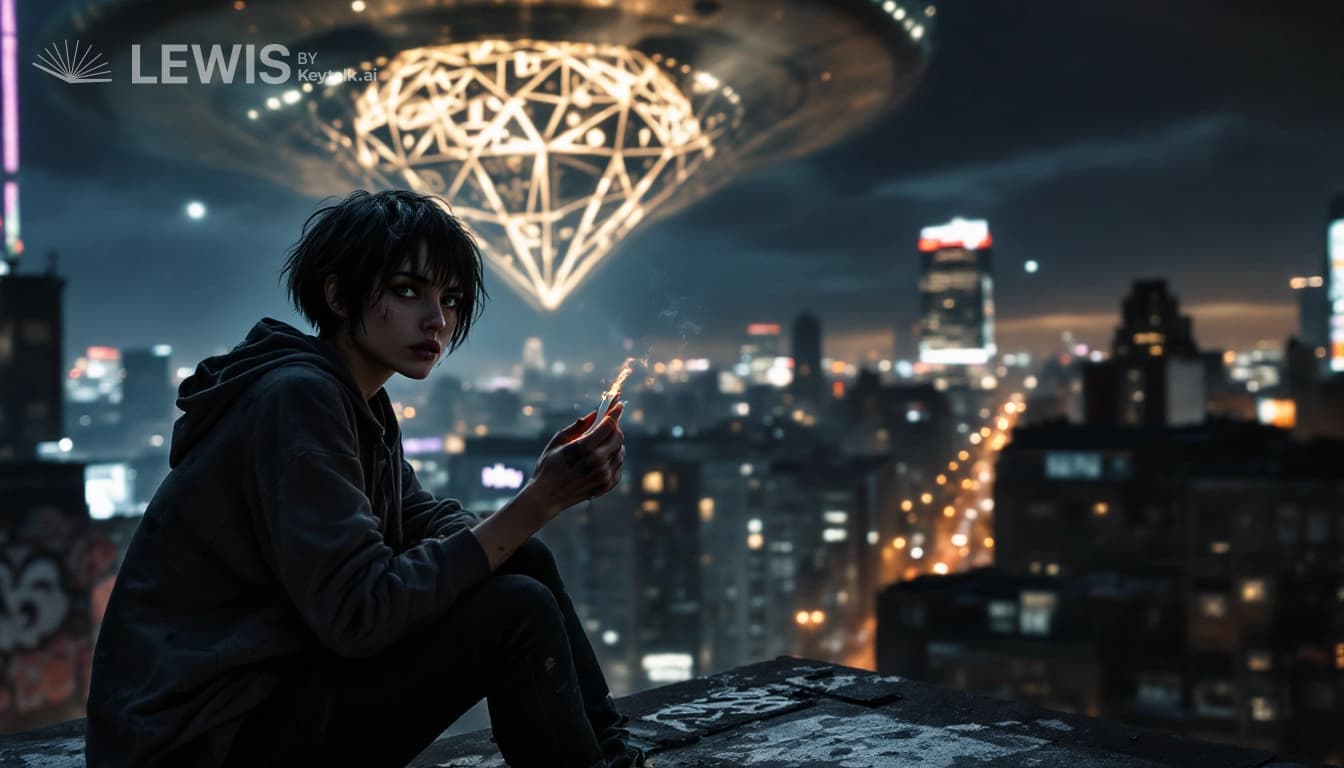
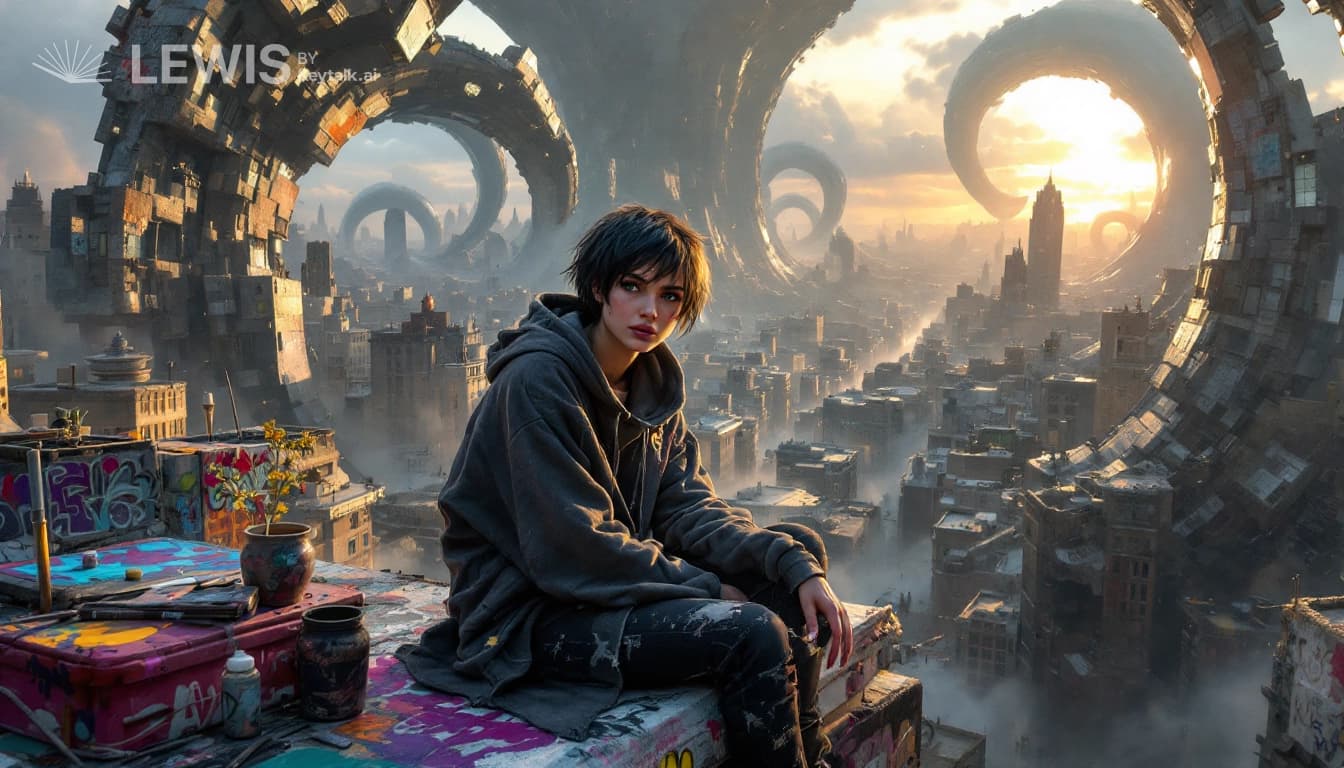
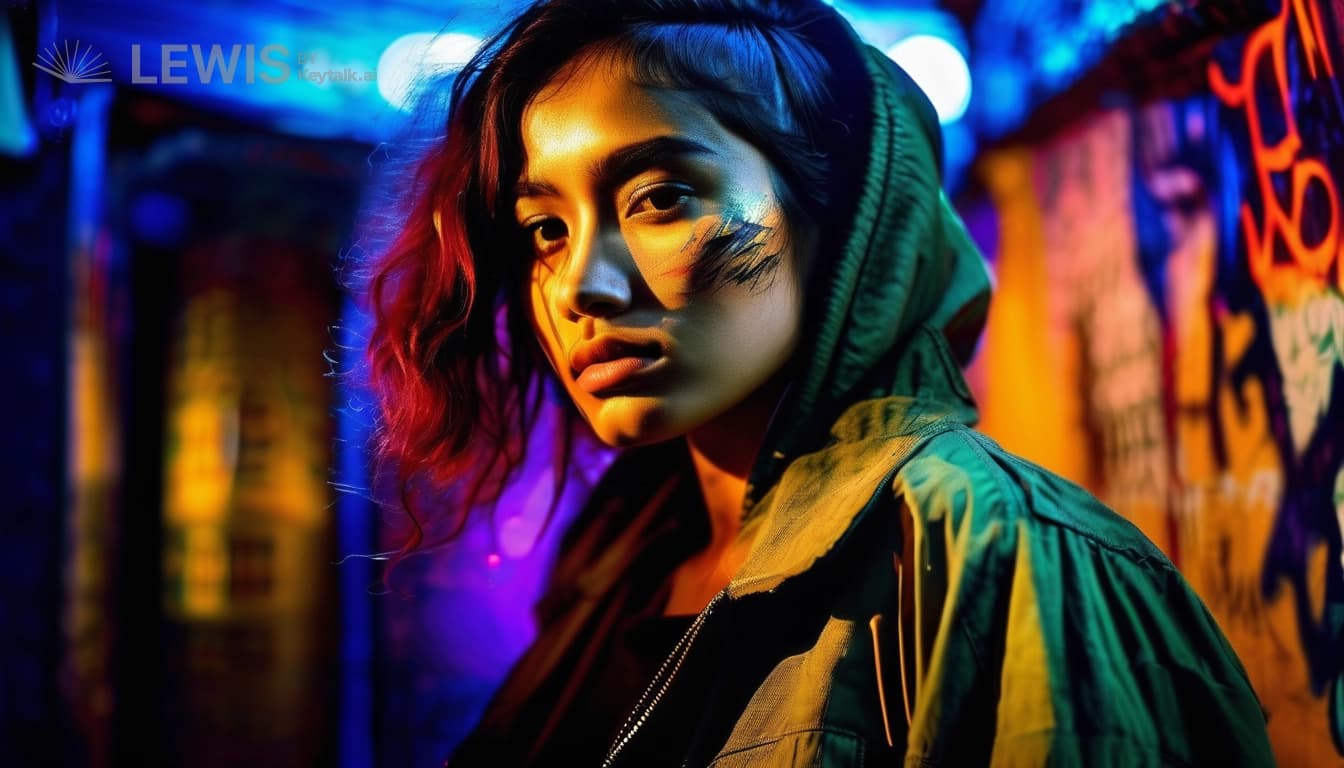
When the alien coalition arrived, the skies above Earth were consumed by a latticework of shimmering, geometric voids—an architecture of light and silence that defied comprehension. Their presence was neither overtly hostile nor benevolent, but the cryptic symbols they projected onto cityscapes worldwide sparked fear, chaos, and a desperate scramble for meaning. In an unnamed metropolis teetering on the edge of anarchy, Aintza Larralde, a reclusive street artist known for her surreal and unsettling murals, found herself thrust into a role she neither sought nor understood. Her latest work, a sprawling piece of twisting, organic forms interwoven with jagged symbols, bore an uncanny resemblance to the alien projections. The revelation came not from her own recognition but from a viral video, filmed by an onlooker, that transformed Aintza from an obscure local enigma to a suspected collaborator—or savior—in the eyes of a panicked public.
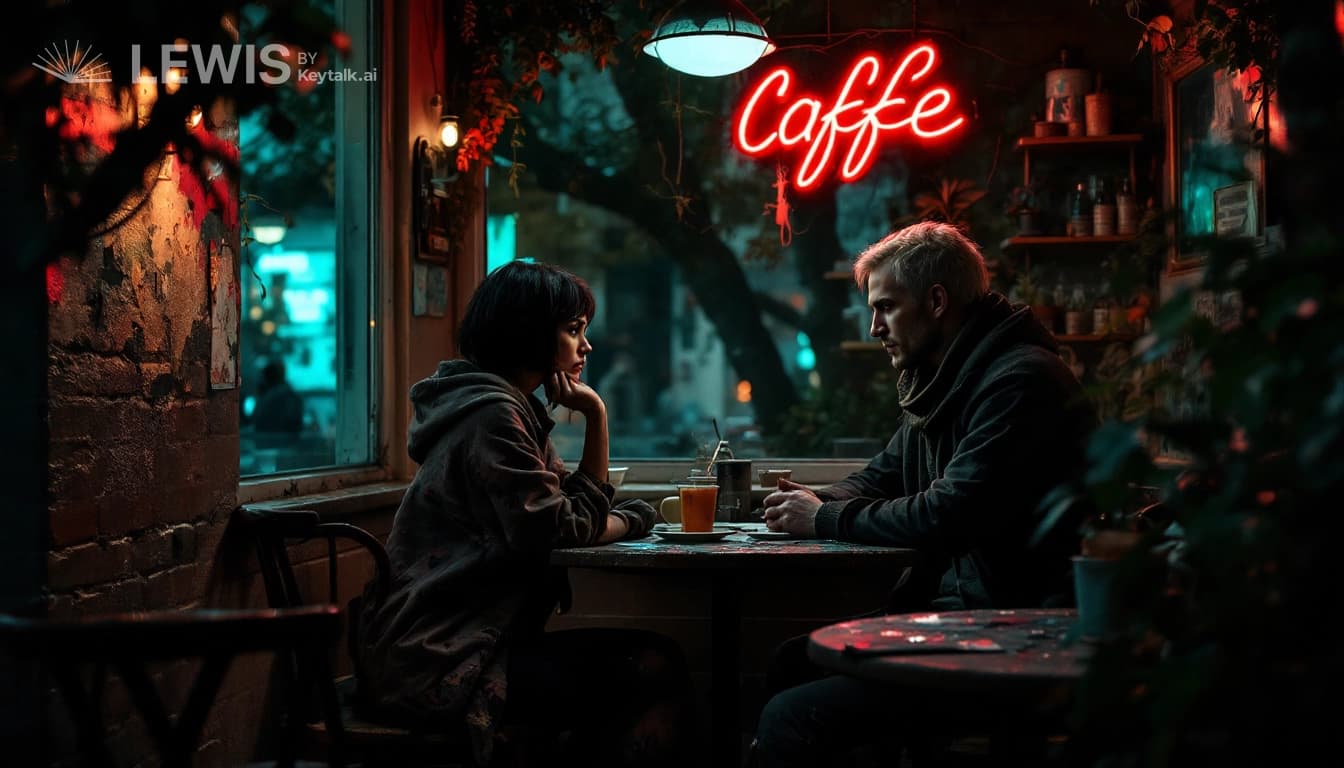
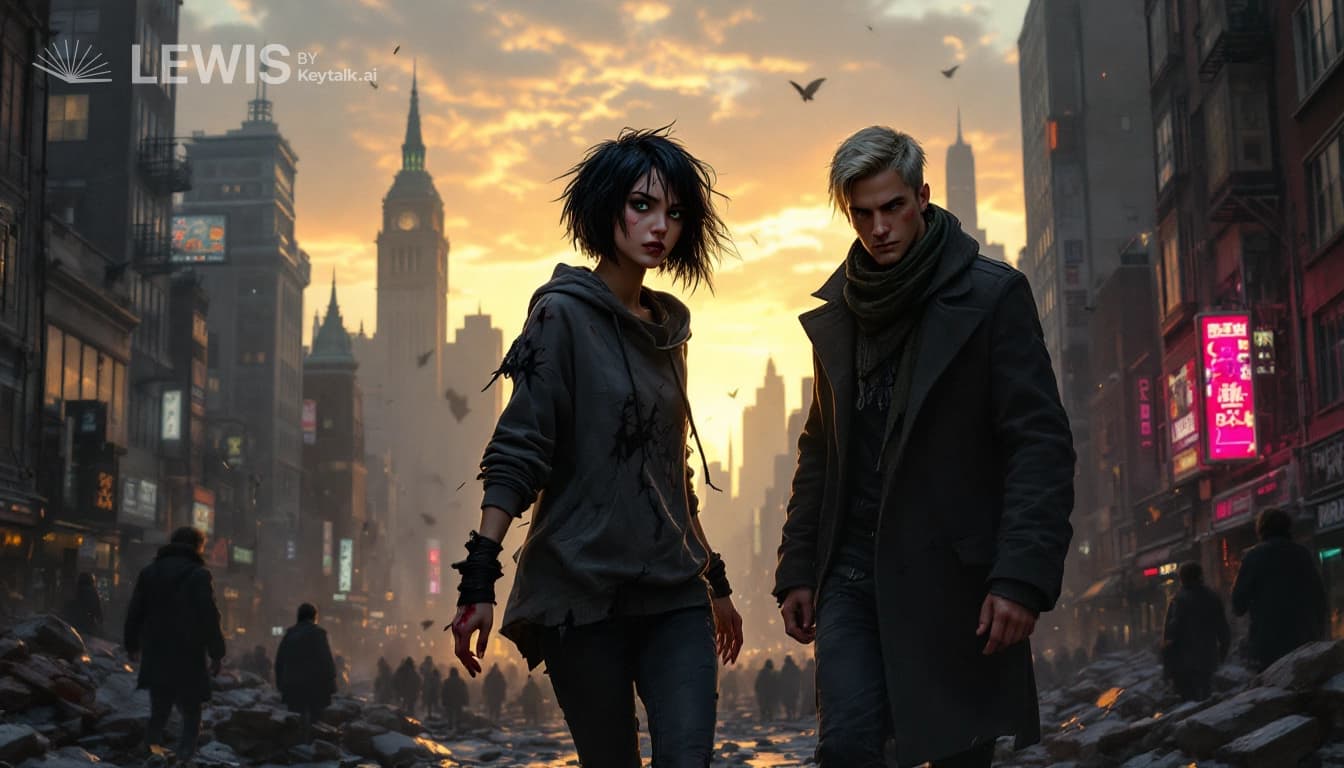
As the city descended into chaos, with riots breaking out and conspiracy theories spreading like wildfire, Aintza became a reluctant focal point for both adoration and suspicion. Her once-anonymous life was shattered; her cramped apartment became a prison as strangers camped outside, shouting accusations and pleading for answers she didn’t have. Enter Radomir Kovalenko, an aloof but brilliant cultural anthropologist who had been quietly monitoring the alien arrival through the lens of symbolism and myth. Drawn to Aintza’s work by its eerie parallels to ancient glyphs and alien projections, Radomir approached her with a mix of skepticism and urgency. His initial theory was that her art tapped into a deep, unconscious reservoir of collective human memory, potentially unlocking a means to communicate with the invaders. But Aintza, defensive and distrustful, dismissed him as another academic looking to exploit her. It wasn’t until she began experiencing vivid, almost hallucinatory dreams—fractured visions of the alien symbols and the sensation of being watched—that she reluctantly agreed to work with him.
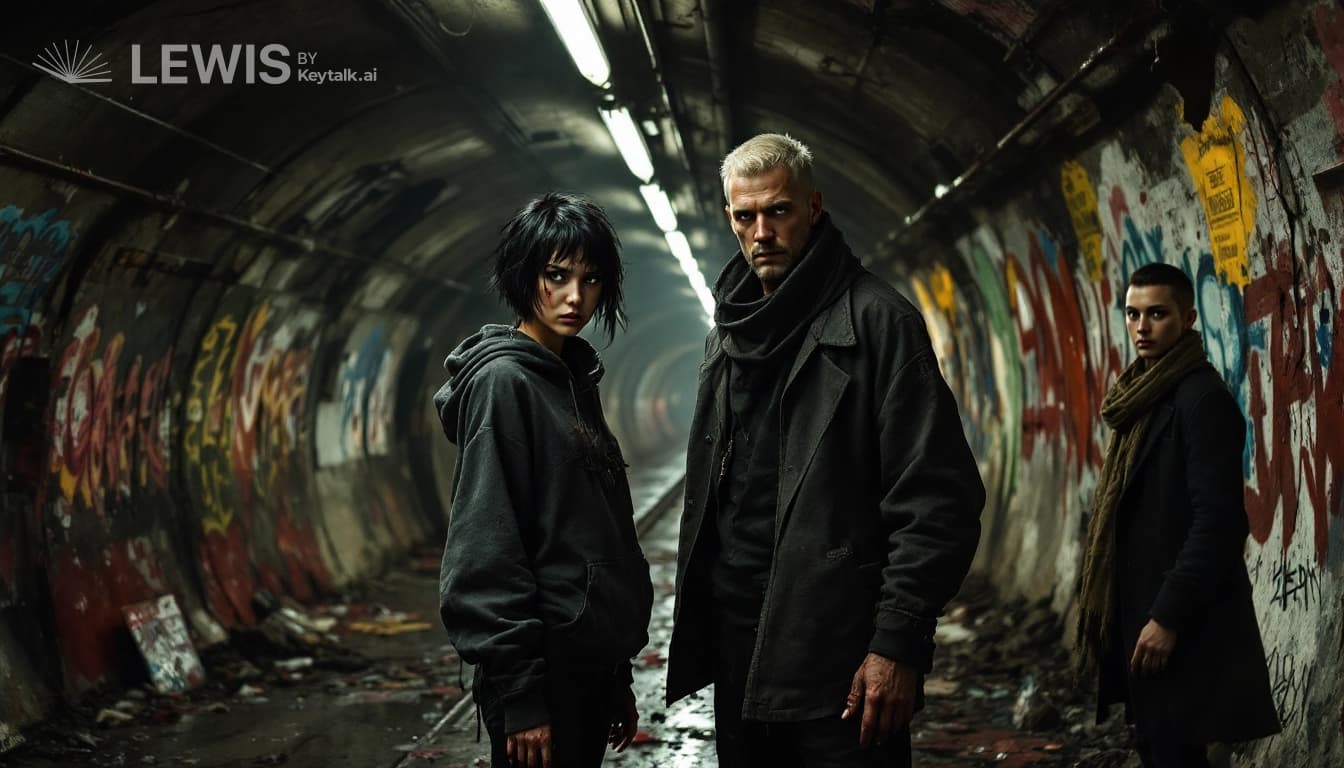
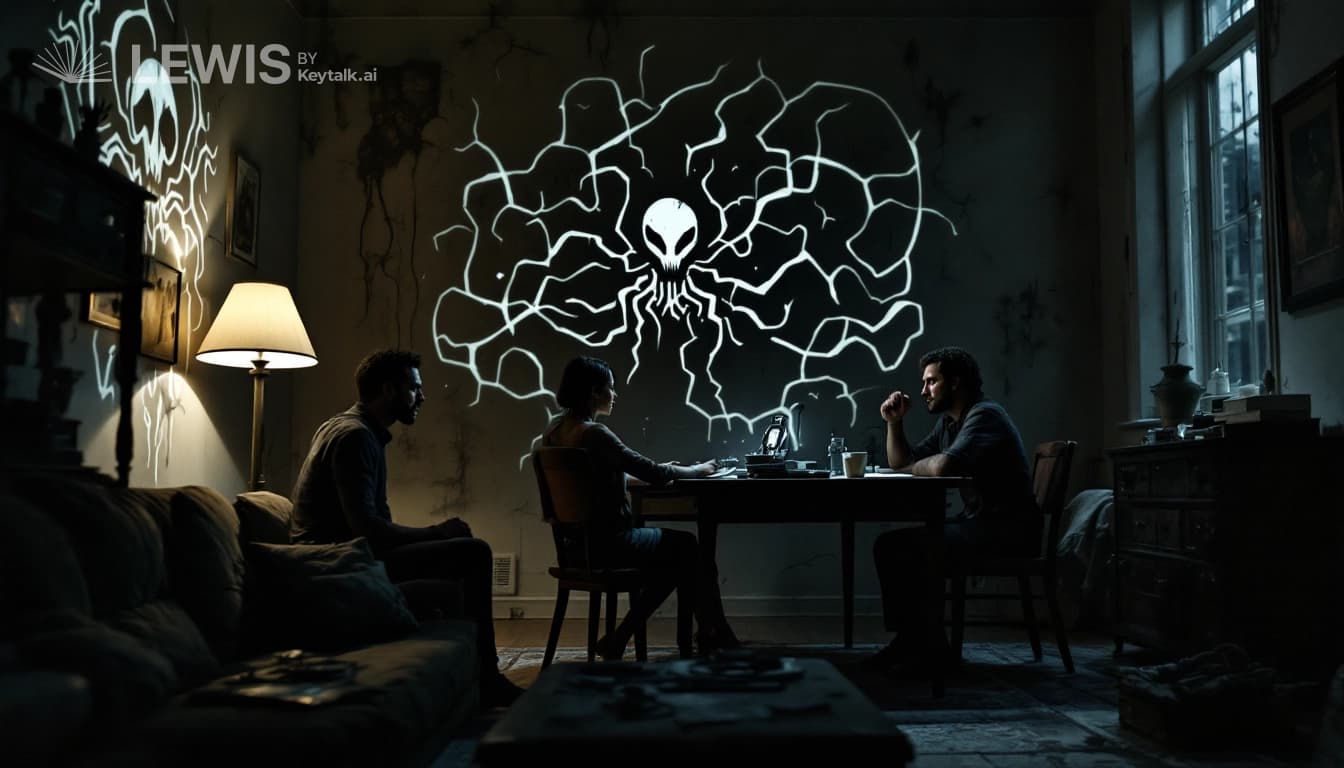
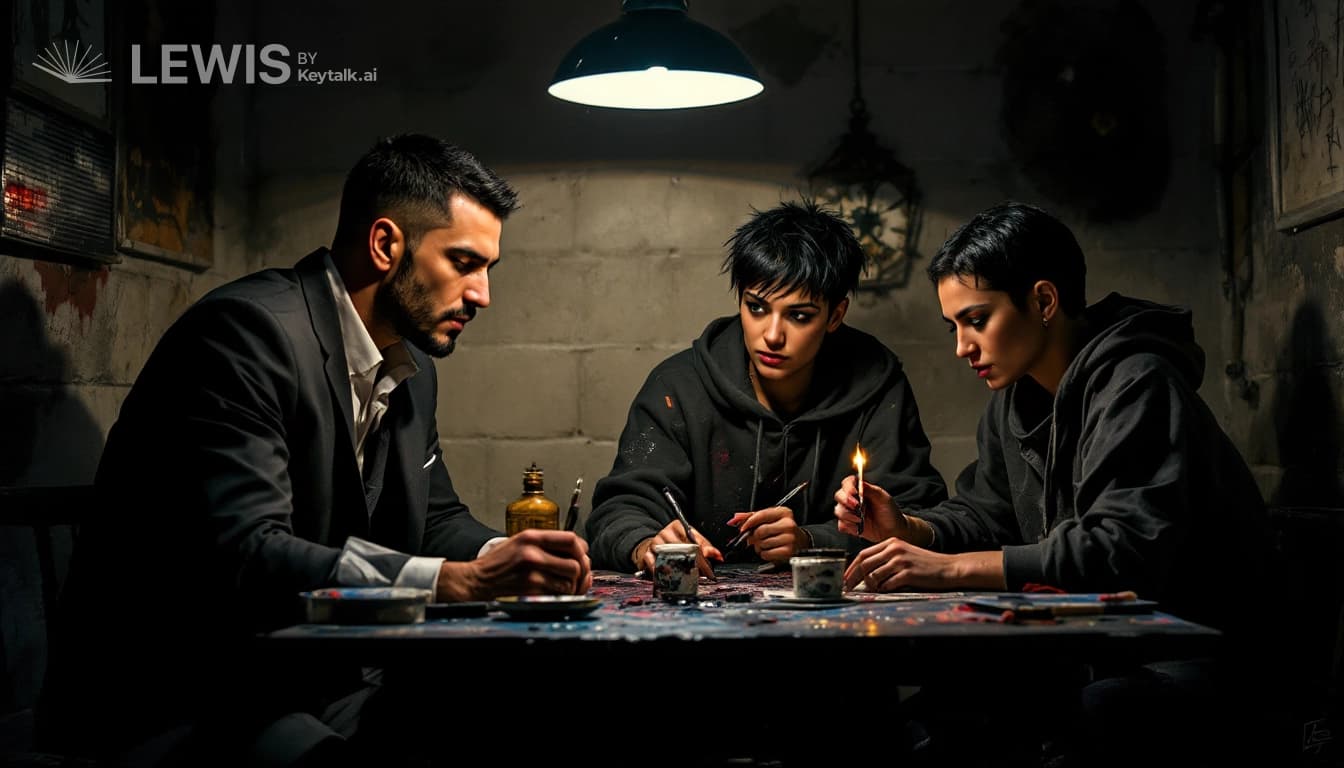
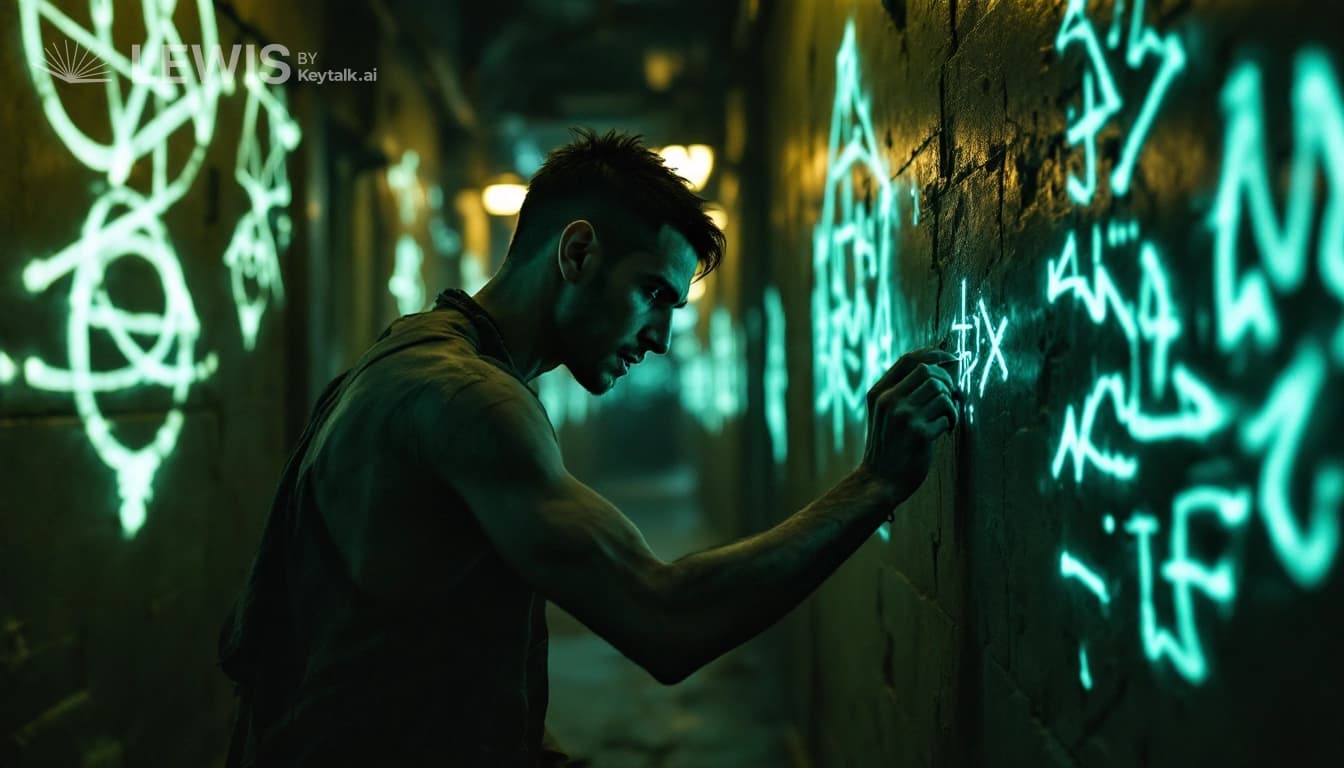
Their uneasy alliance deepened as the alien presence intensified. The symbols began to appear not just in the skies but in the very fabric of the city—etched into walls, flickering in streetlights, even blooming in patterns on human skin. Aintza and Radomir’s investigation led them to Zayd Al-Farouqi, a brilliant but emotionally distant linguistic cryptographer who had been studying the invaders’ symbols in isolation. Zayd’s apartment, a labyrinth of half-deciphered ciphers and alien glyphs, became their base of operations. While Aintza grappled with the unsettling realization that her art might be a conduit for forces she couldn’t control, Zayd’s obsessive focus on decoding the symbols bordered on the manic. The trio’s dynamic was fraught with tension—Radomir’s cold pragmatism clashing with Zayd’s relentless intellectualism, while Aintza’s raw emotions threatened to crack under the weight of her growing sense of responsibility.
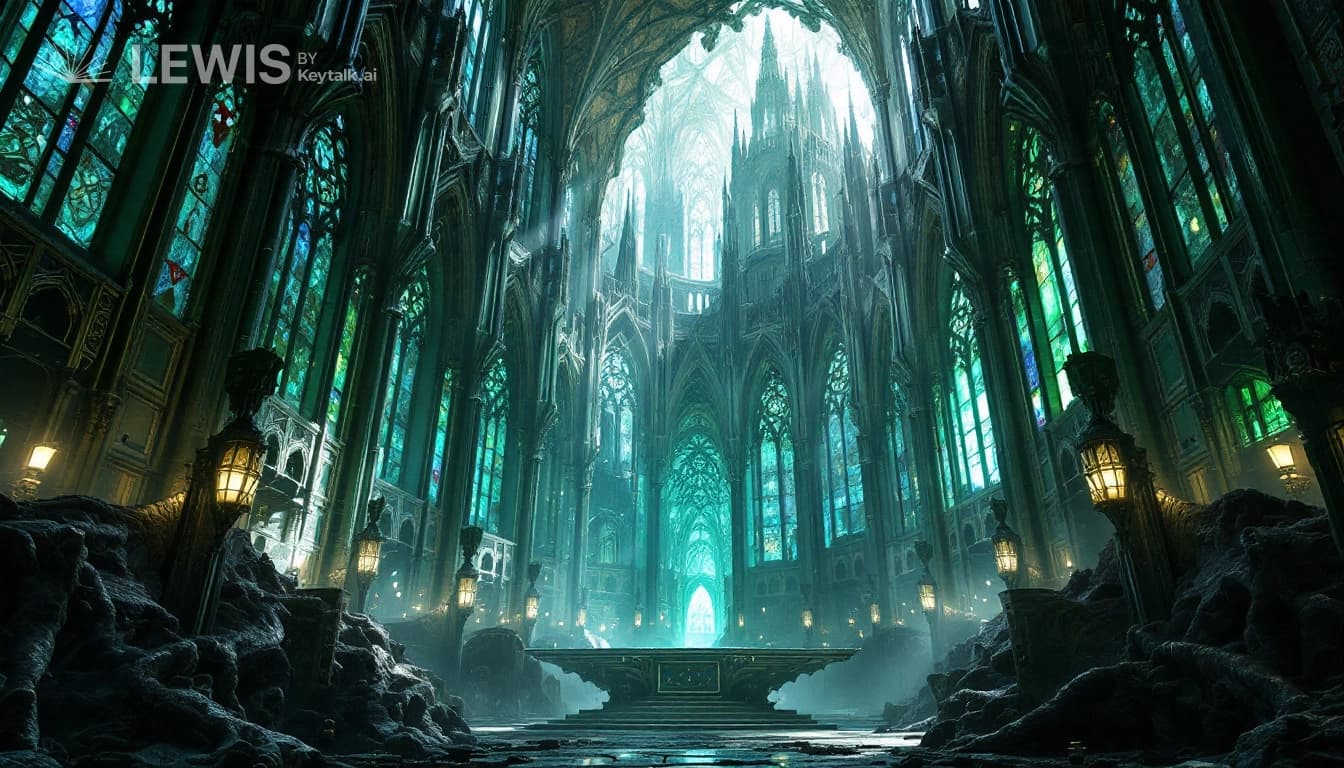
As their work progressed, they uncovered a chilling possibility: the symbols weren’t just a language but a form of multidimensional architecture, capable of altering reality itself. Aintza’s murals, far from being mere imitations, seemed to resonate with this alien structure, amplifying its effects. The trio hypothesized that the aliens were testing humanity’s ability to comprehend their presence, using the symbols as both a puzzle and a warning. But doubts began to creep in, especially for Aintza, who couldn’t shake the fear that her art was less a key to salvation and more a beacon drawing the invaders closer. Radomir and Zayd’s interpretations diverged sharply—Radomir believed the aliens sought a bridge between their world and humanity’s, while Zayd grew increasingly paranoid, suspecting that the symbols were a weapon designed to erode human autonomy.
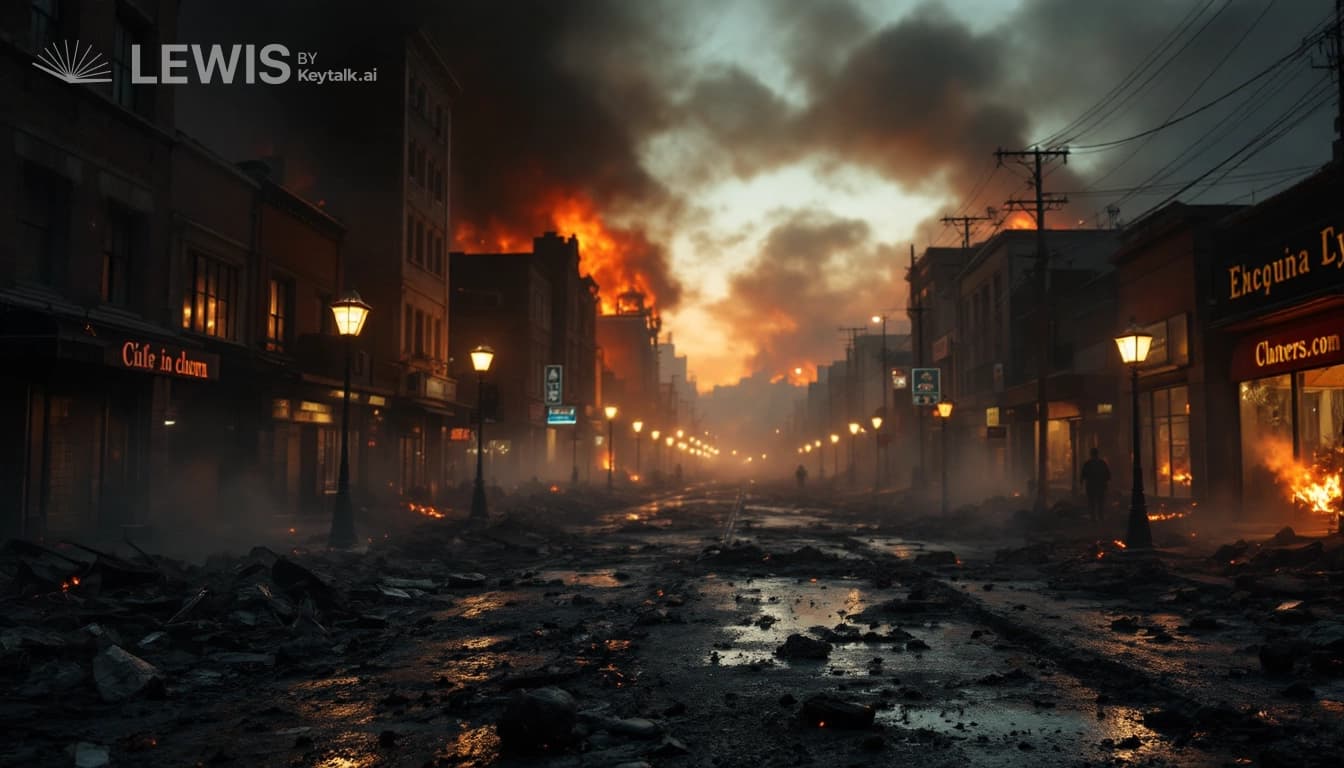
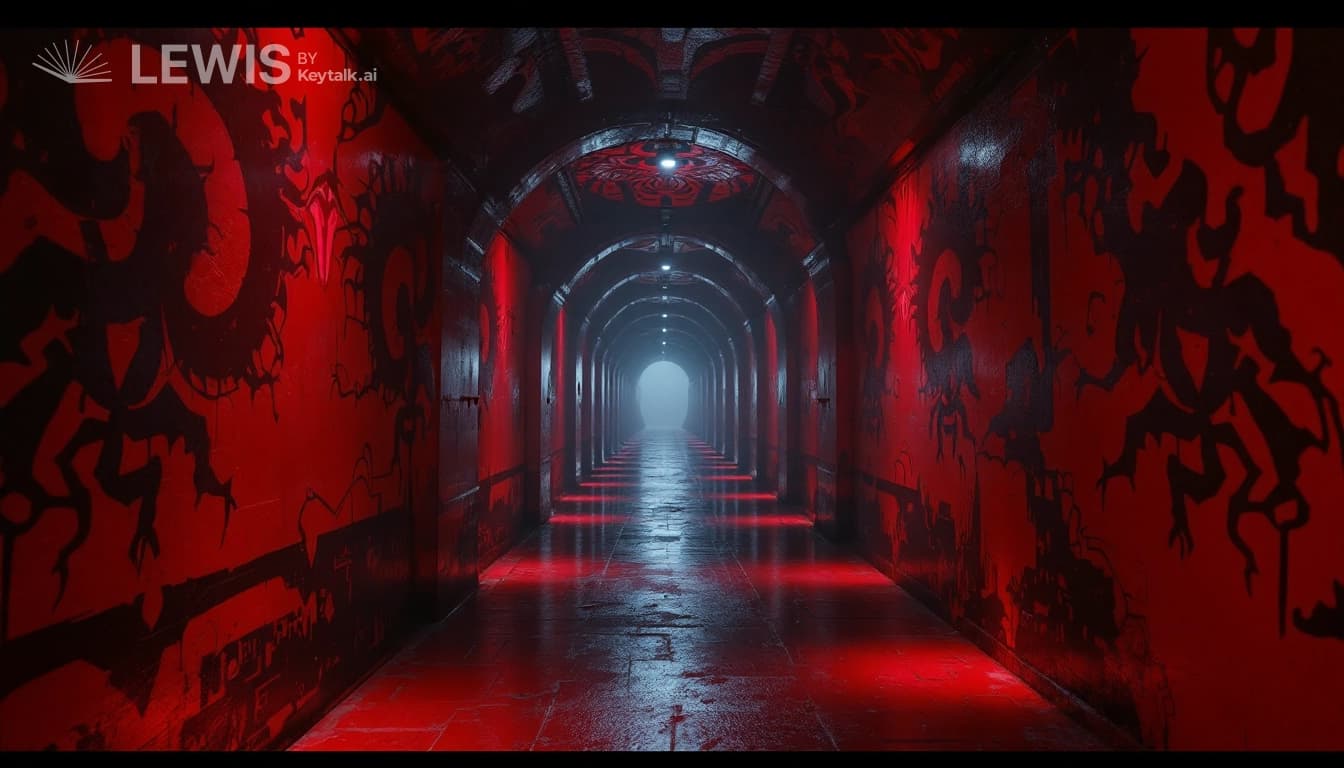
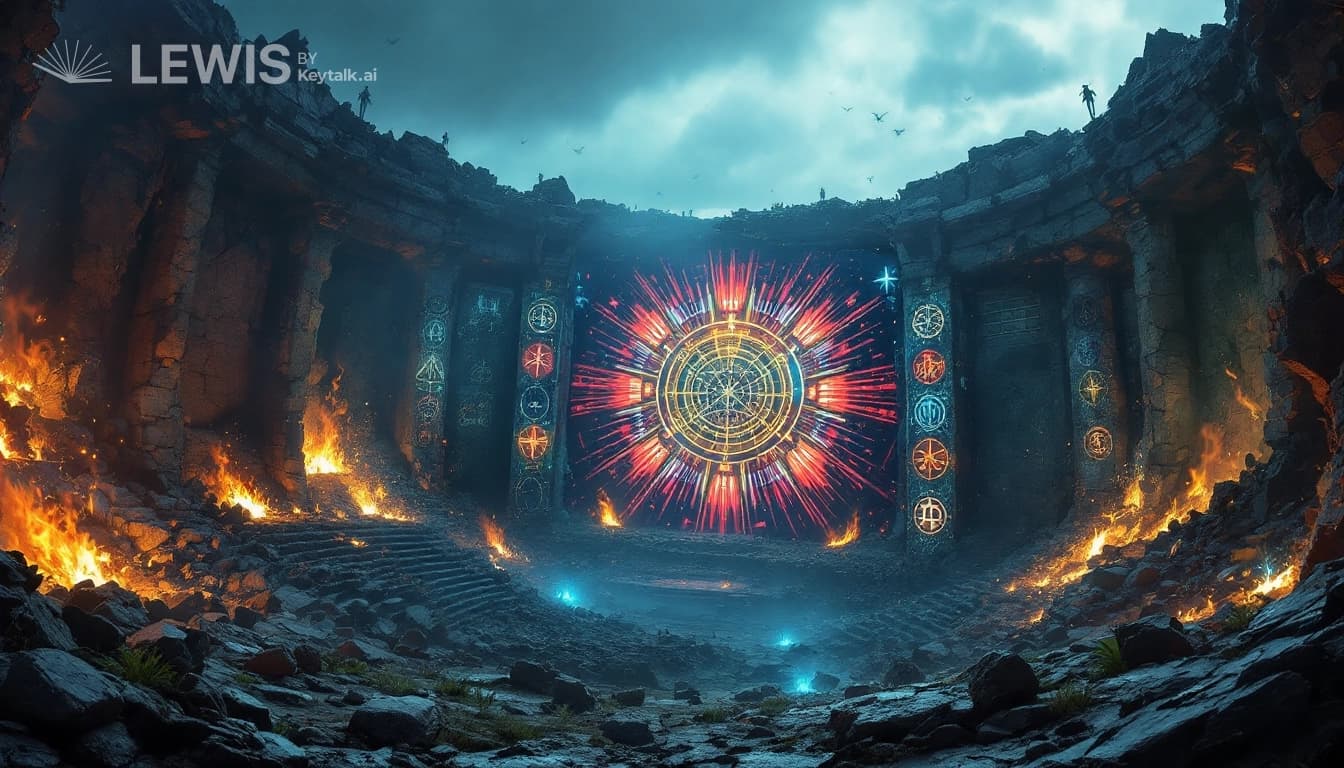
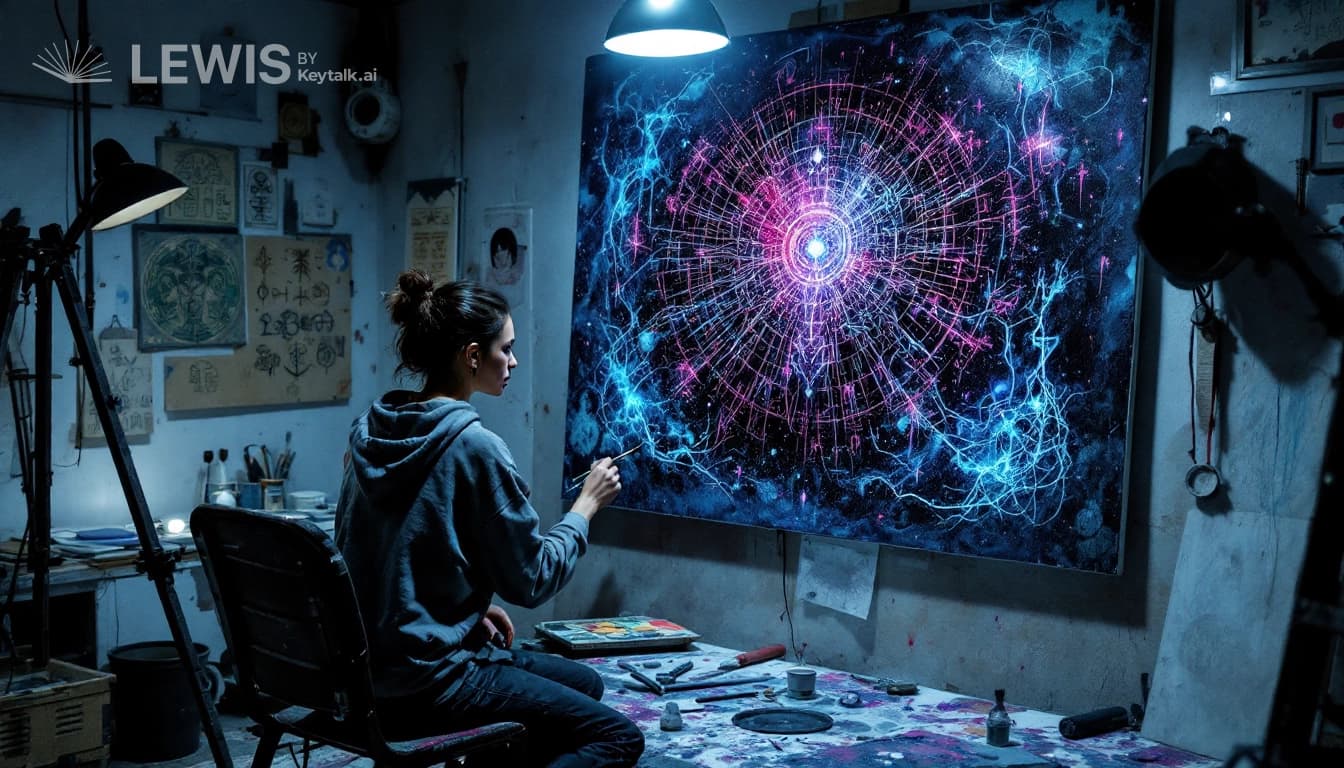
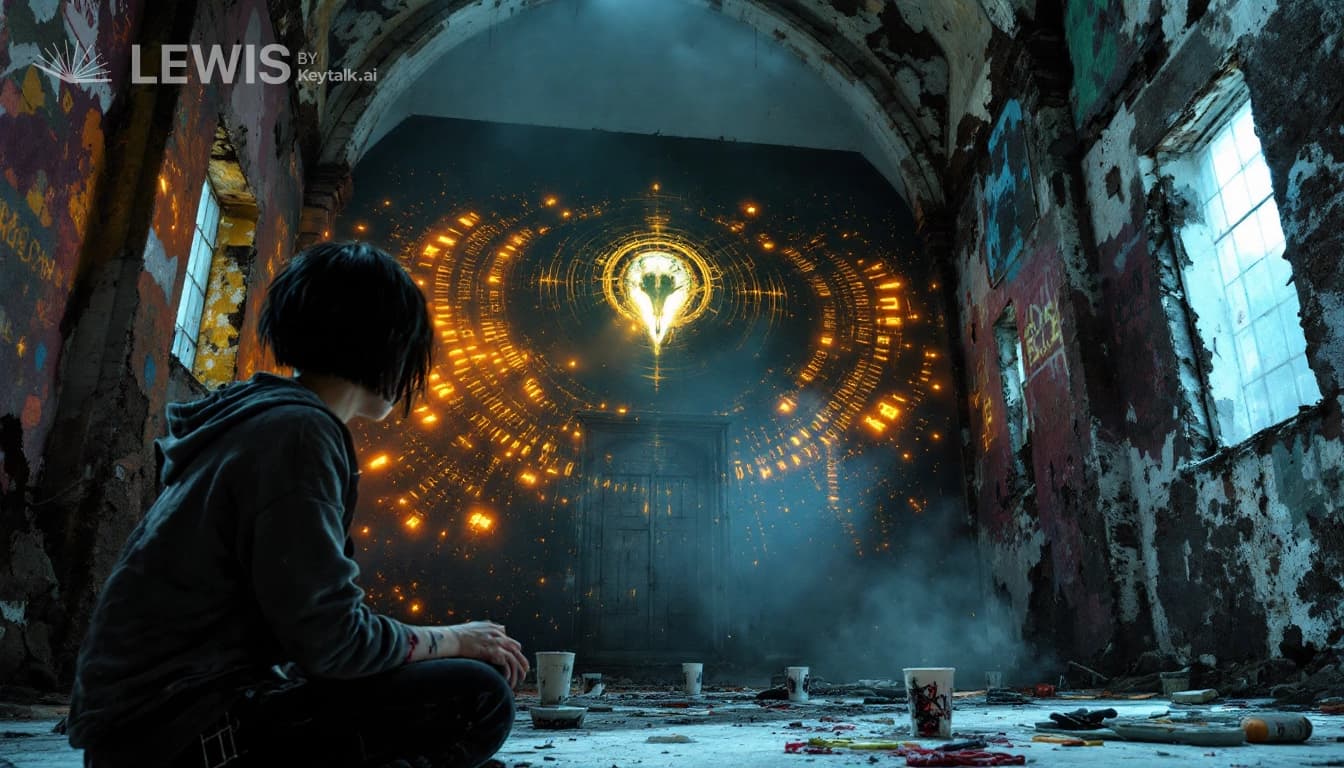
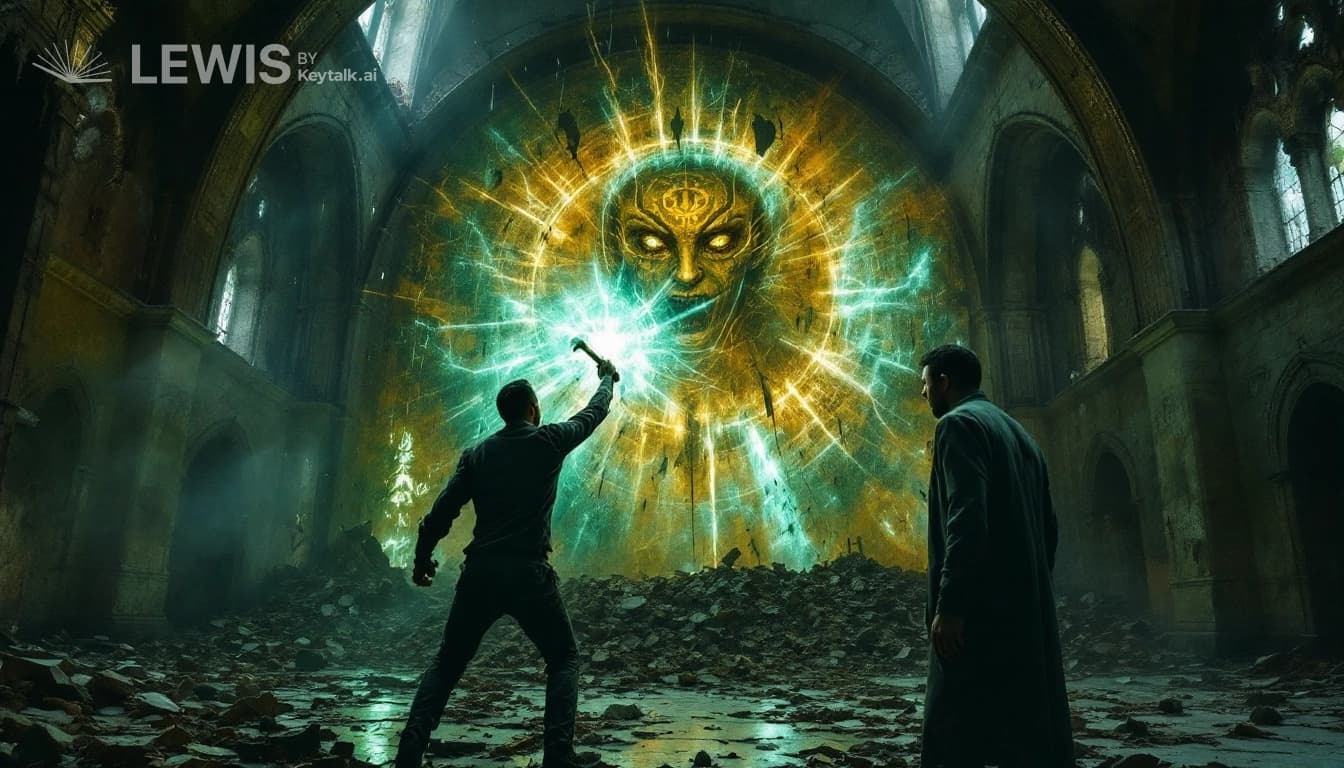
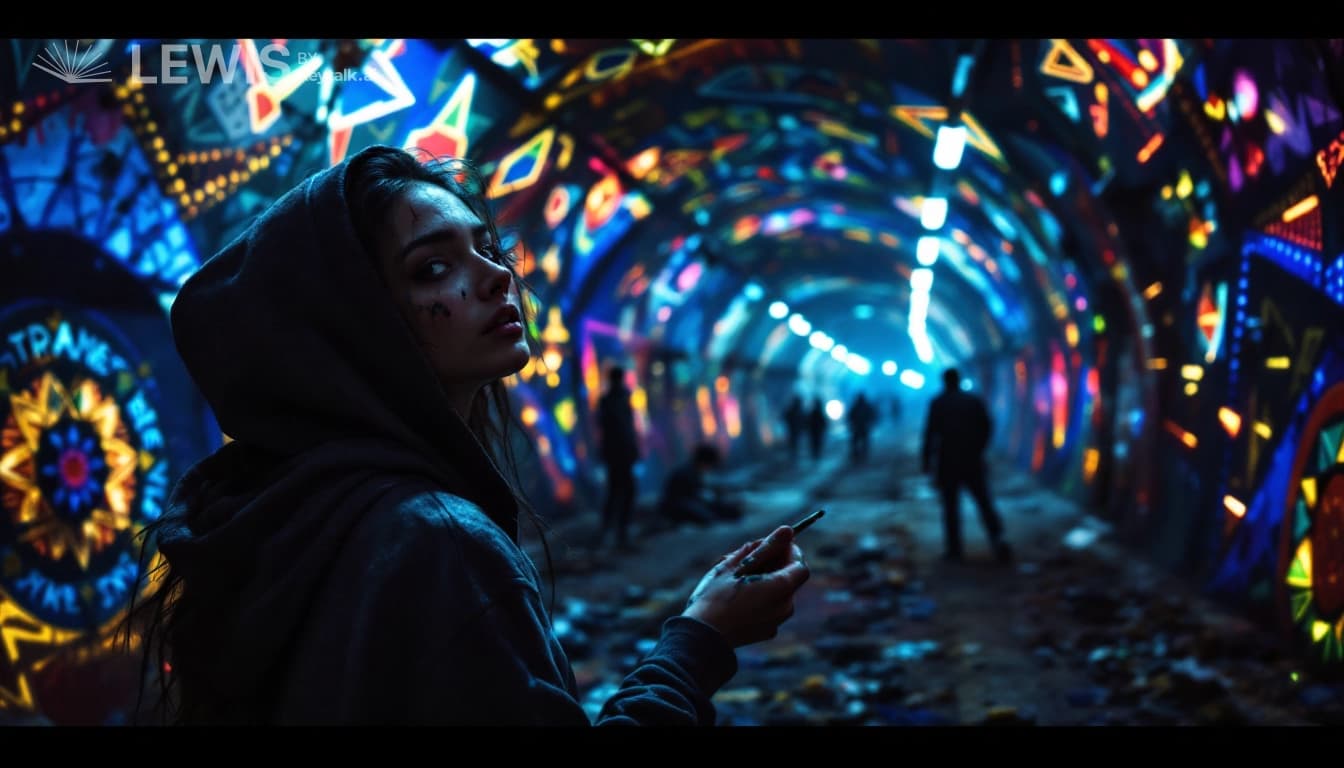
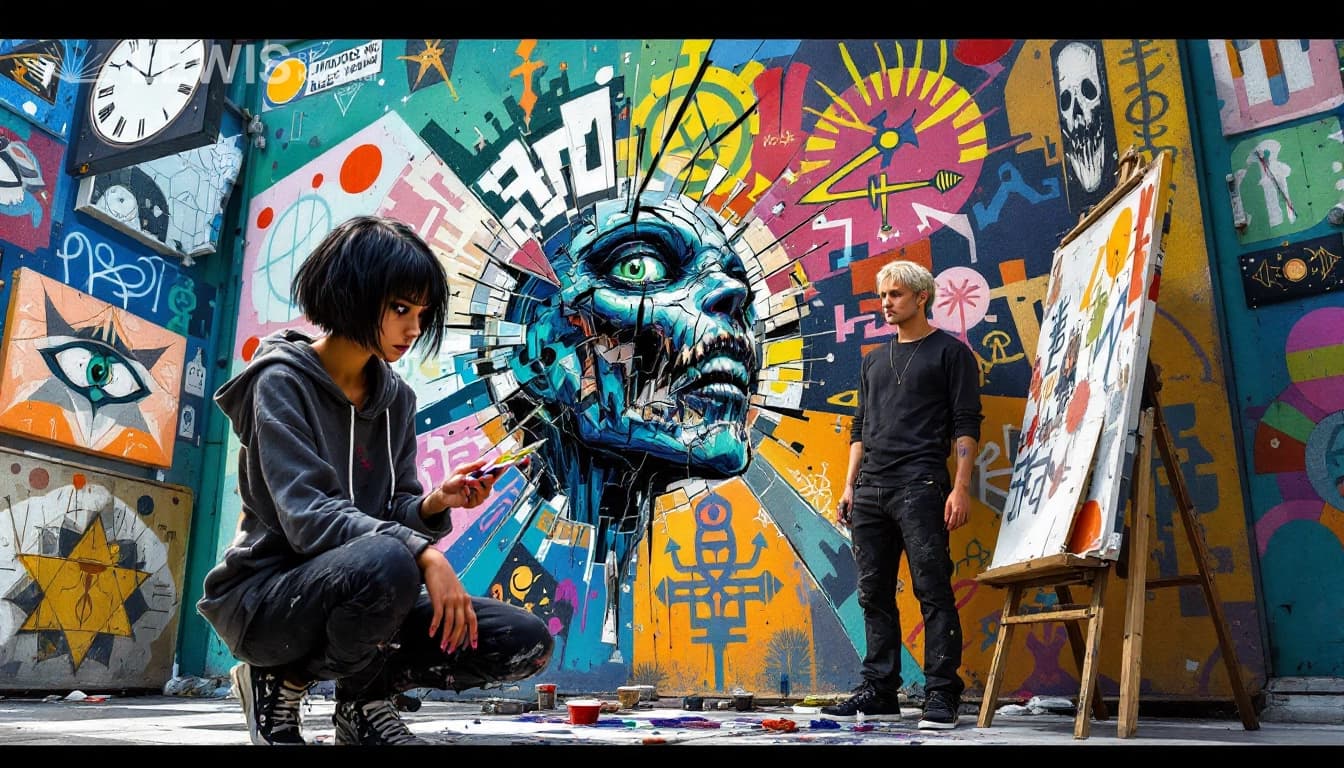
The climax came as the city buckled under the weight of its unraveling—entire neighborhoods consumed by riots, strange phenomena altering the laws of physics, and whispers of people vanishing near sites where the symbols were most concentrated. Aintza, driven by equal parts guilt and defiance, created her most ambitious mural yet, a sprawling, frenetic amalgamation of human and alien imagery meant to serve as an offering—or a challenge—to the invaders. As she worked, her visions intensified, blurring the line between her mind and the alien consciousness. Radomir and Zayd, each interpreting her actions through their own fractured lenses, tried to intervene: Radomir urging caution, Zayd insisting that her work was accelerating humanity’s doom. In a heated confrontation, Zayd attempted to destroy the mural, forcing Aintza to physically stop him, their struggle ending with Zayd storming off, his final warning ringing in her ears.
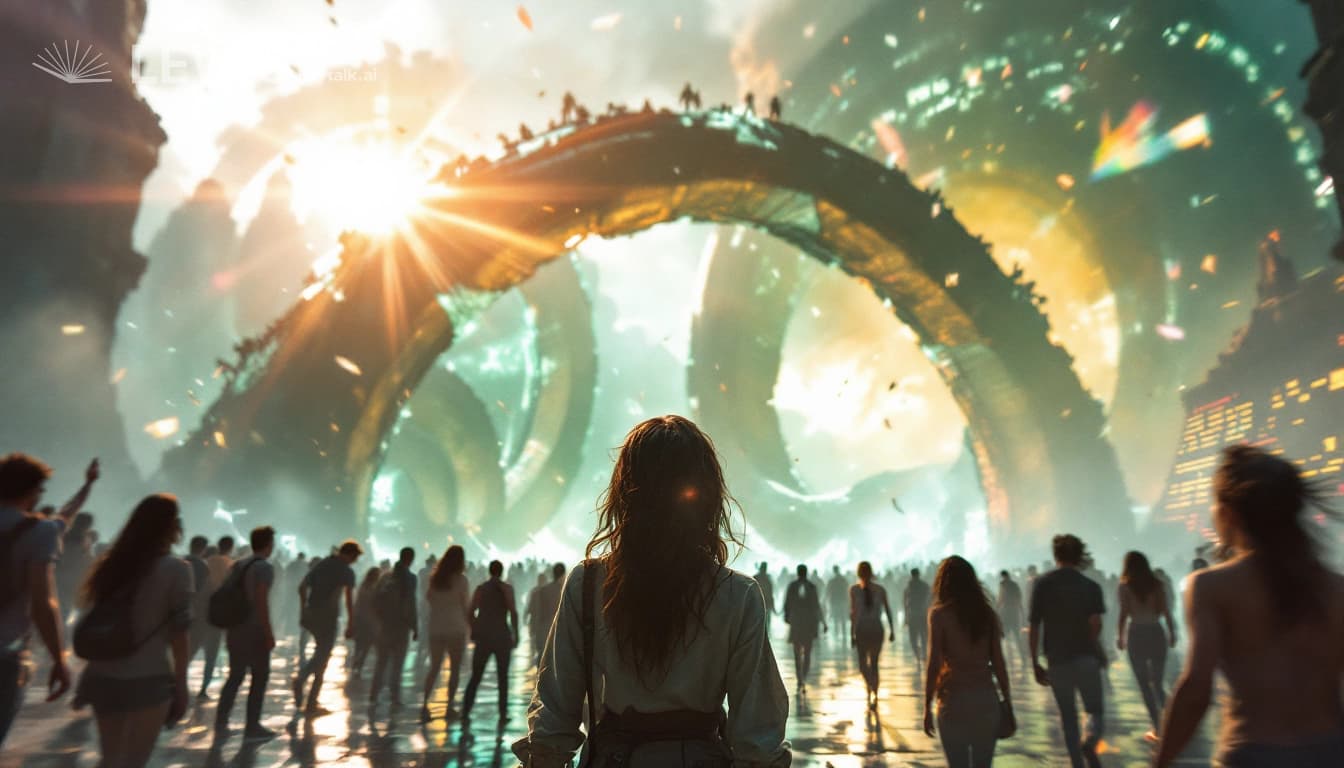
In the end, the mural became a focal point for the alien presence, its completion triggering a cascade of events that neither Aintza nor her companions could fully comprehend. The invaders’ symbols began to co


































댓글 · Comments
댓글 · 0