1. Where/When:
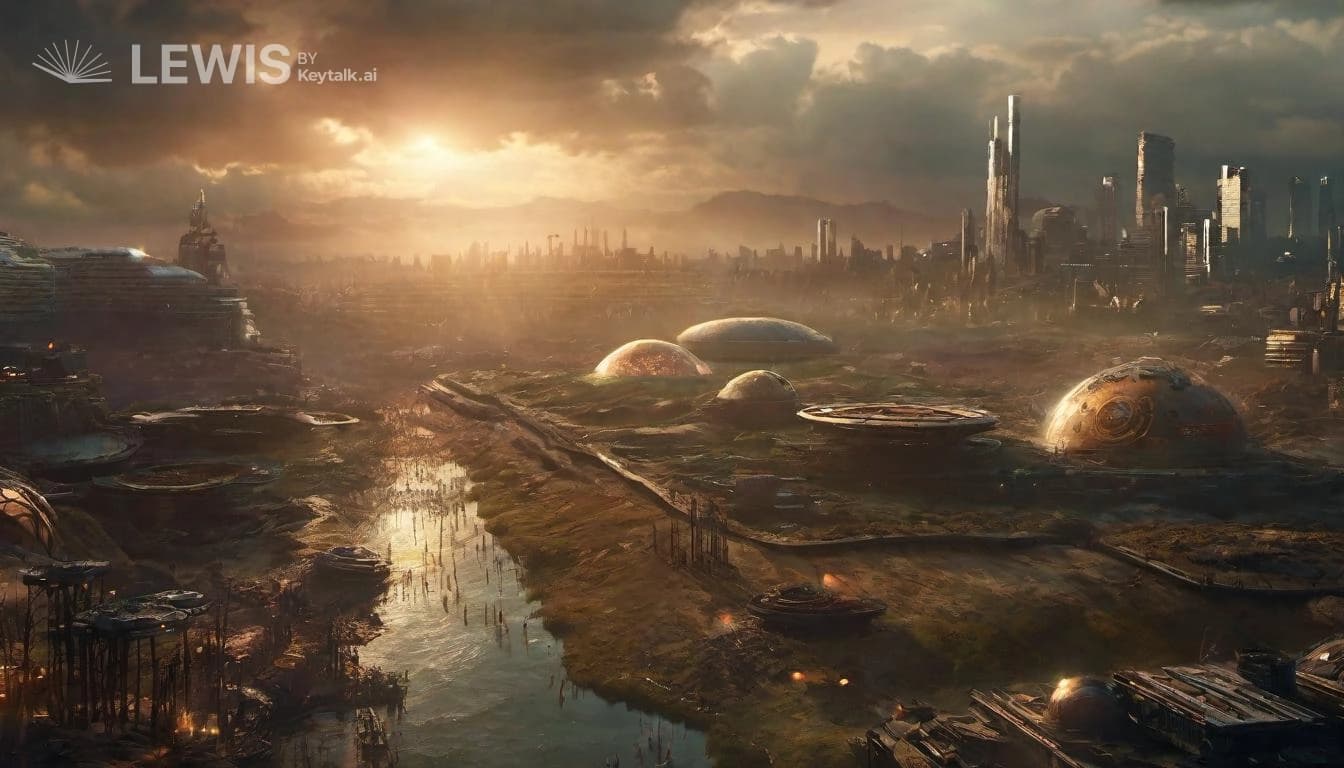
Our tale unfolds in a desolate and cold geography, scarred by the remnants of a society brought low, situated in a far-flung future where hope seems as dilapidated as the skeleton buildings standing hunched under a heavy sky. The timeworn city is a juxtaposition of former grandeur and present decay, caught in the throes of a life that once was, and the dystopia that now chokes its silent streets. The era is indistinct from our own by centuries or some cataclysmic event that tossed humanity into another dark age, where the precision of calendars was replaced by survival's immediacy.
2. Important rules of the universe and how it impacts the story:
In this universe, the core principles are structured by Governor Halik's iron-fisted regime, enforced through surveillance, riddles as gatekeeping mechanisms, and penalties for dissension that range from exile to more sinister fates. The city itself is an engineered quagmire, designed to ensnare and subjugate its populace, thereby maintaining Halik's absolute power. Individuals grapple with the almost sentient city, reflecting the broader struggle between oppression and the human yearning for freedom.
Time is not measured in hours but adversity overcome, and trust is as scarce as daylight. The metaphorical shadows of fear stalk the citizens, taking form as grotesque manifestations of inner demons birthed from strife and the horror of a never-ending odyssey through the metropolis's labyrinth.
3. The visual description of the universe:
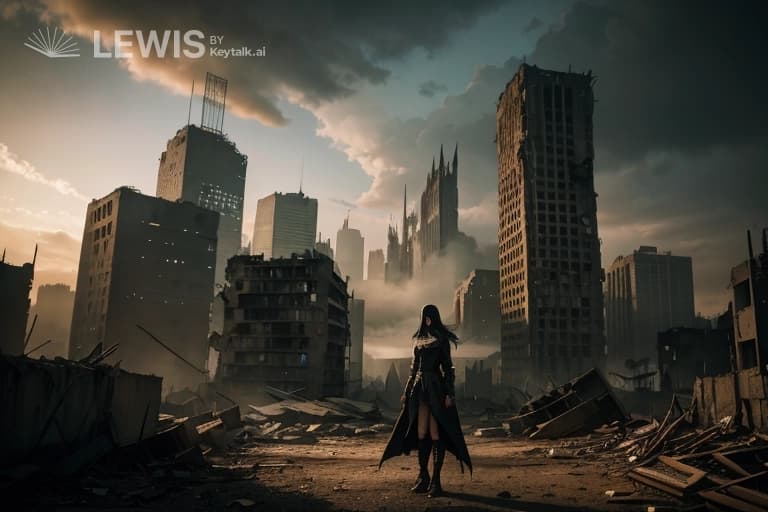
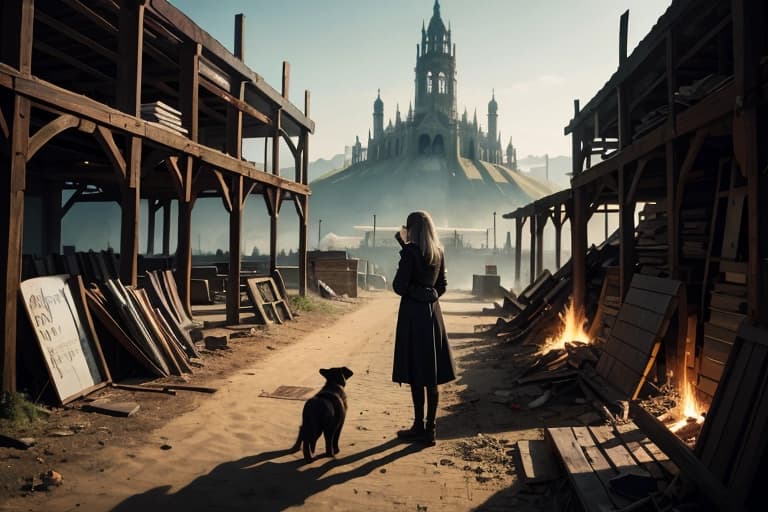
Visualize a tapestry of concrete and metal, rusted and ruined, under a sky which seethes with mottled greys, barely parting for the dim daylight. Skyscrapers that once reached for the heavens now loom as tombstones, etching the remembrance of a fallen civilization on the horizon. Streets form a chaotic, snarled network, abundant with traps and closed circuit eyes ever-watchful, ever-recording.
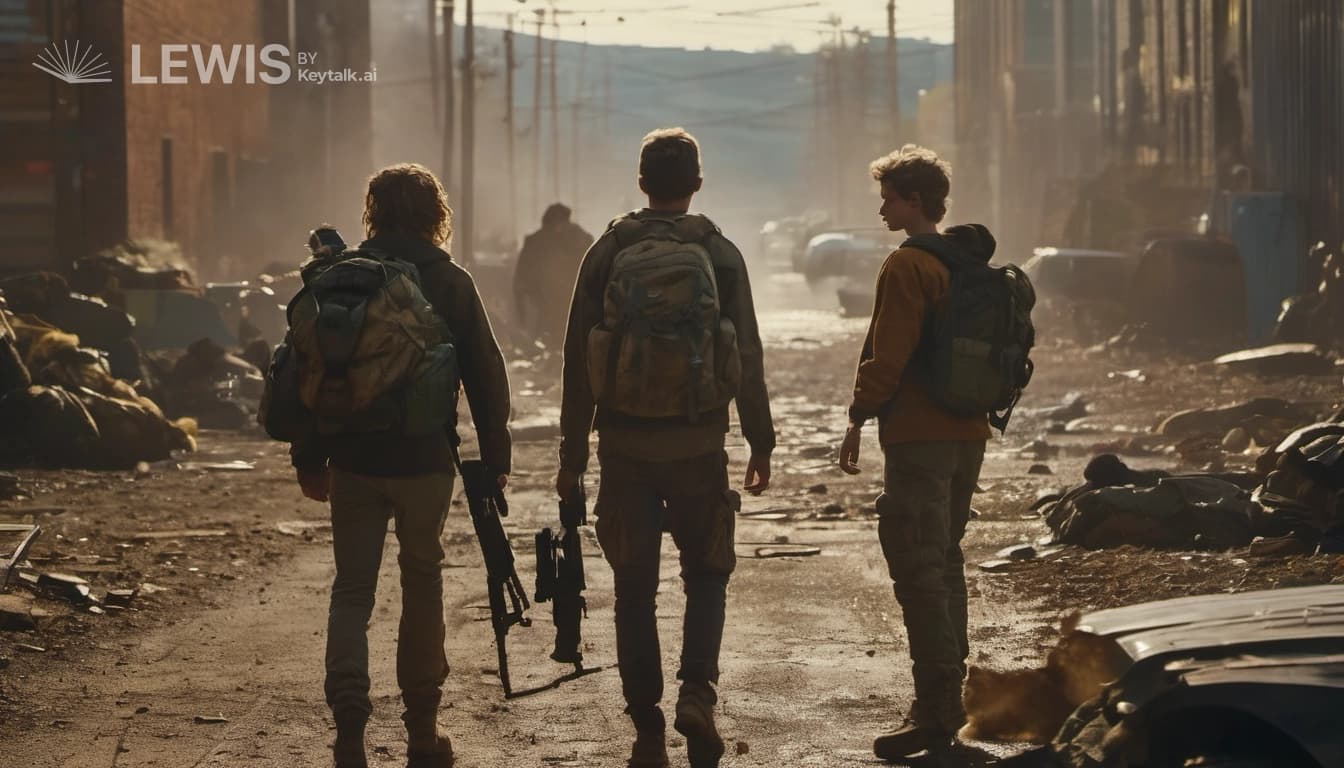
The citizens are spectral figures wrapped in scavenged attire, moving furtively amid the debris, shadows among shadows. Nature reclaims parts of the landscape, with vines like verdant veins sprawling across dilapidated facades, while in other areas, the regime ensures sterility prevails, reflecting the chill of Halik's heart. The raw scars of conflict mar the land—craters, barricades, technology leviathans lying dormant and silent.
4. Notable technologies or philosophies of the universe that impact the story:
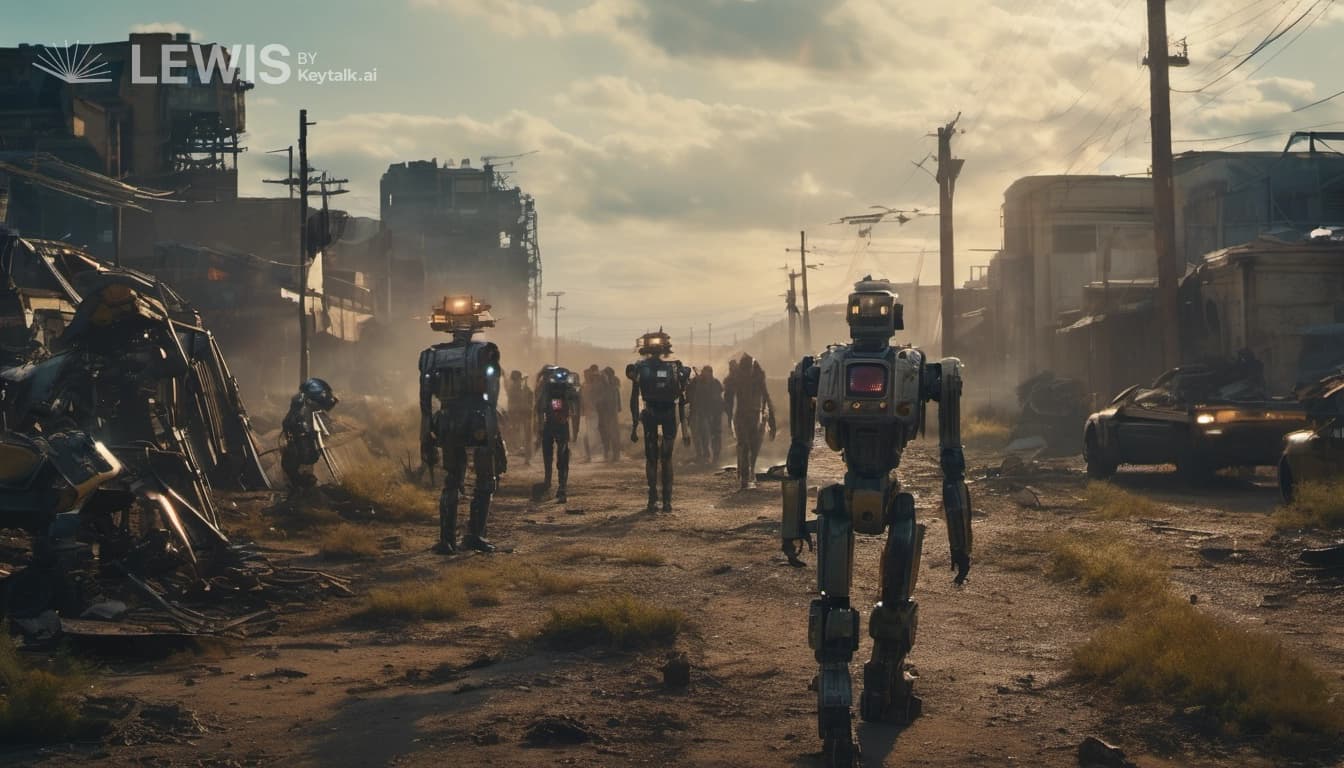
The vast vestiges of high technology pervade, yet they are now the chains rather than keys to prosperity. Surveillance is ensconced in the very sinews of the city, with drones like metal vultures circling overhead, and intertwined networks that ensnare every transmitted whisper.
Governor Halik's governance reflects a perversion of utilitarianism, justifying his means to sustain his defined 'greater good'—the philosophy of control cascading through his cityscape's physical and social architecture. Aria's background in engineering becomes her salvation; her knowledge allows her to perceive and outwit the sophisticated snares integrating both mechanical traps and psychological warfare.
In these strands the story weaves, with the courage of Aria Sterling lit against the monotone oppression, her defiance a flare in the shrouded existence, and her family the crucible wherein the mettle of humanity is tested and ultimately casts its indomitable shape.















Comments
Comments · 0