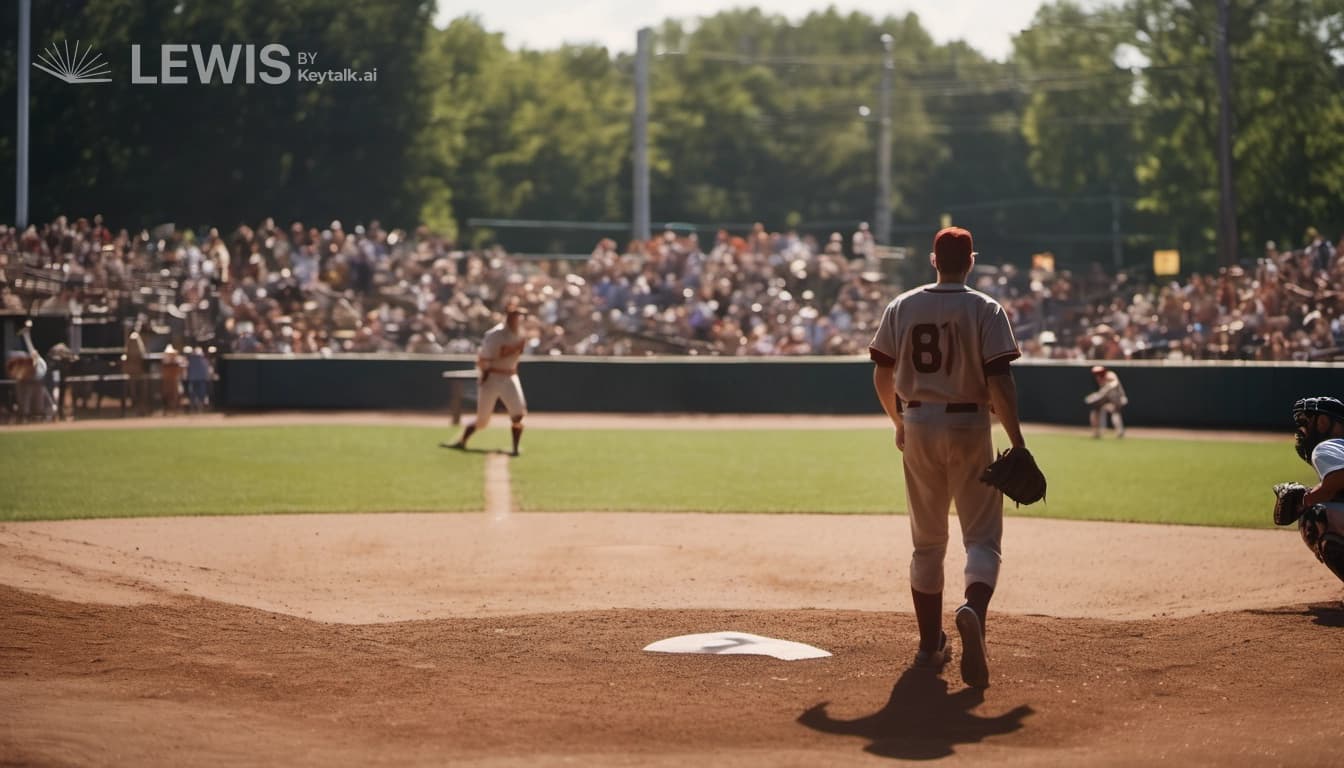
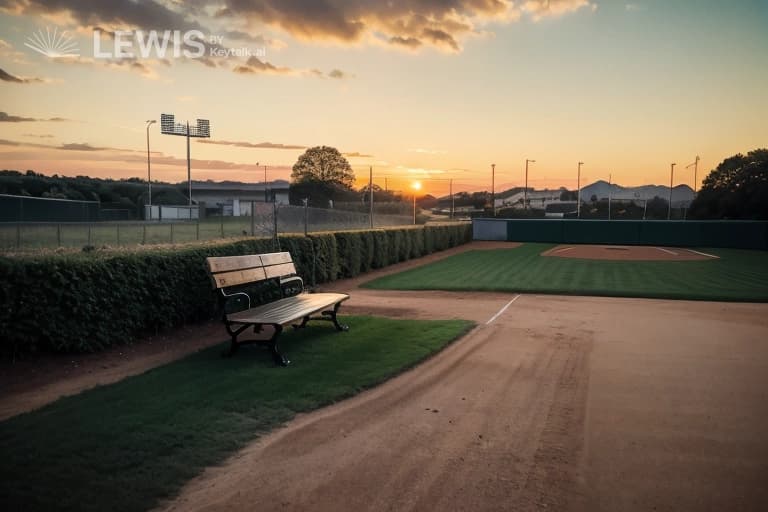
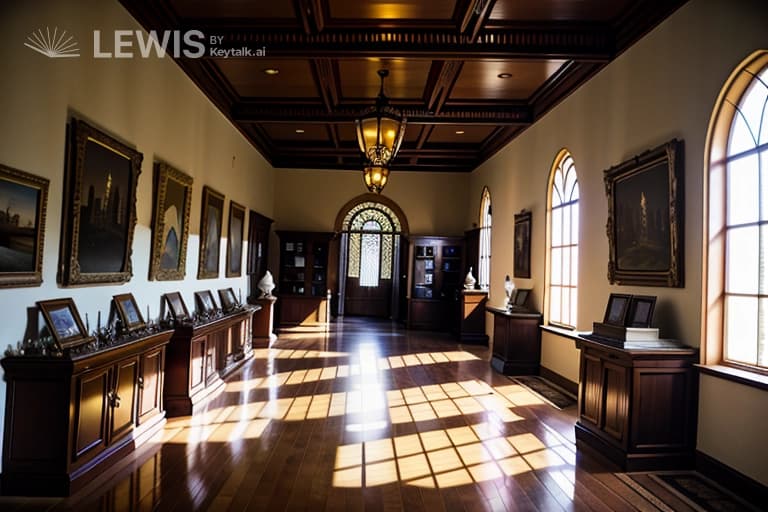
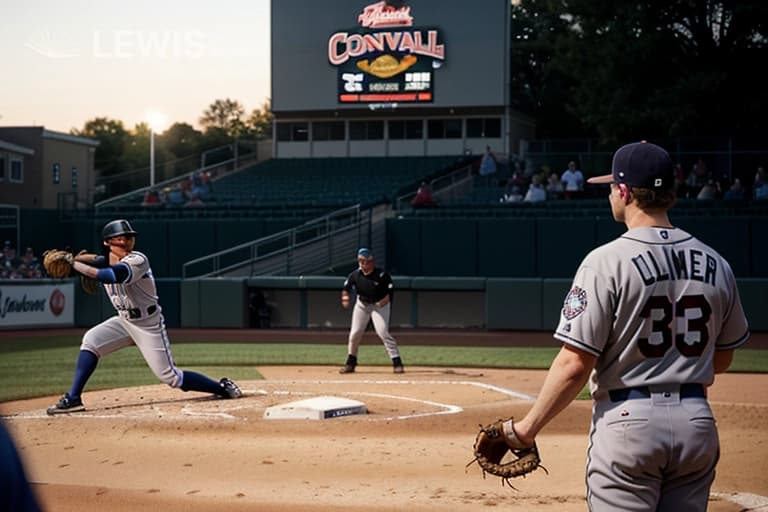
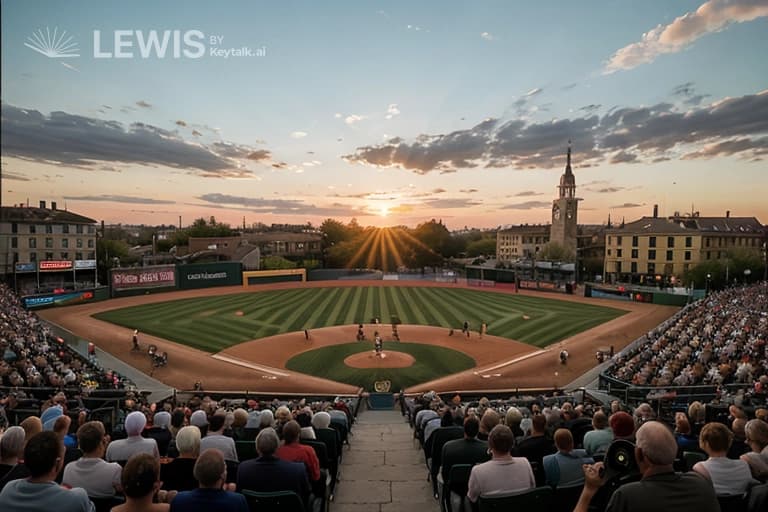
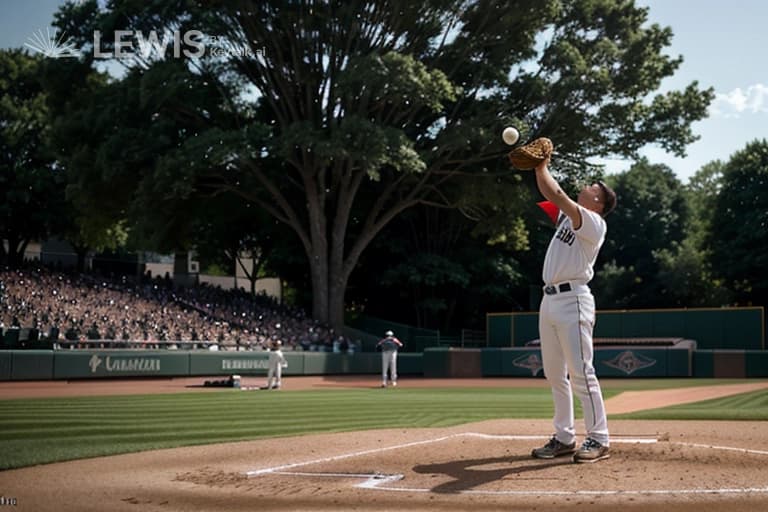
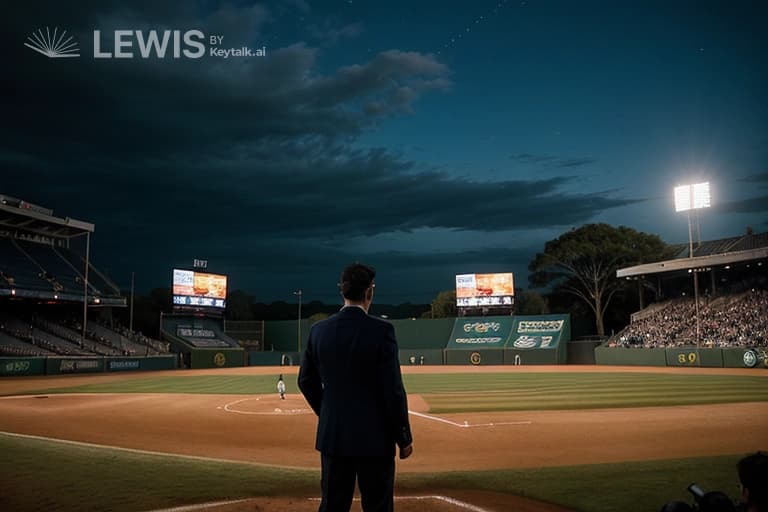
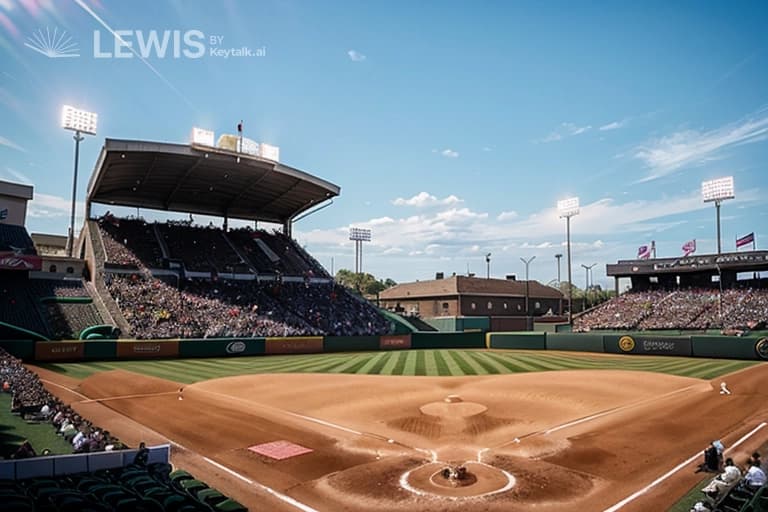
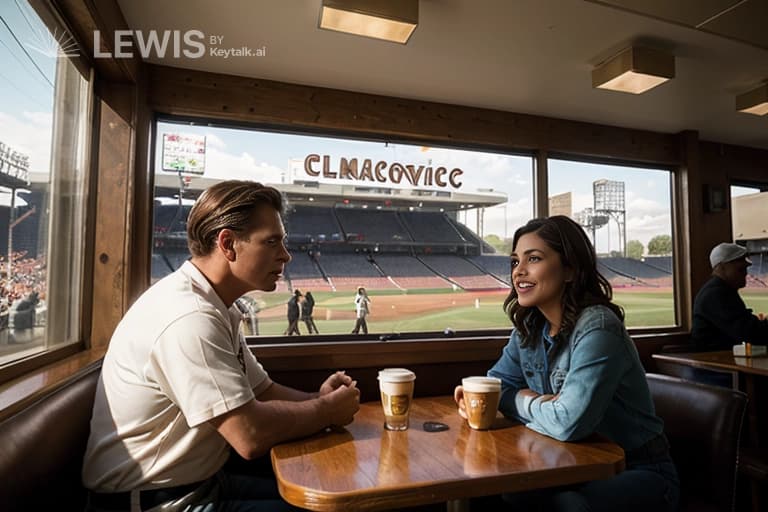
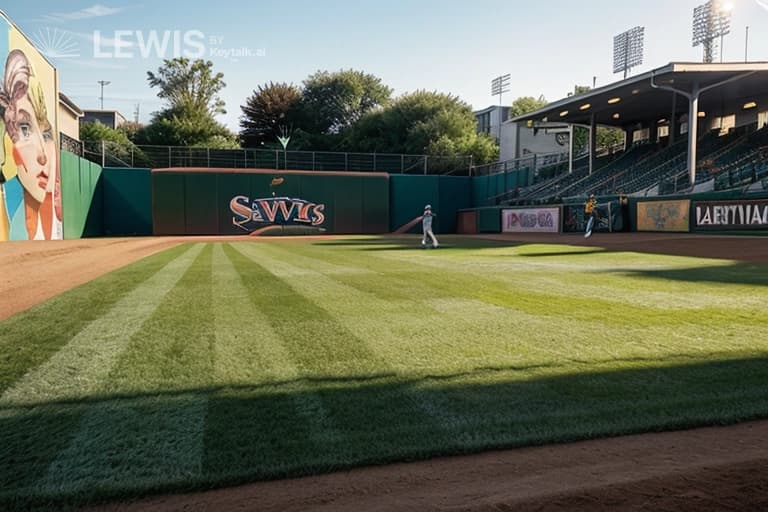
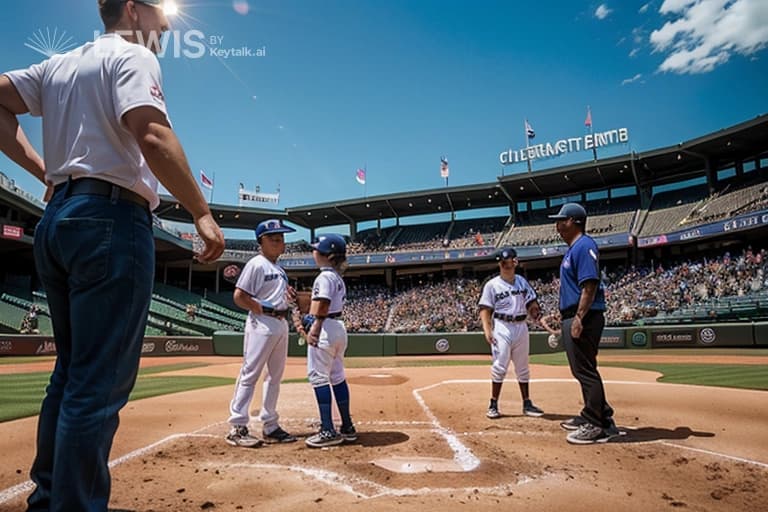
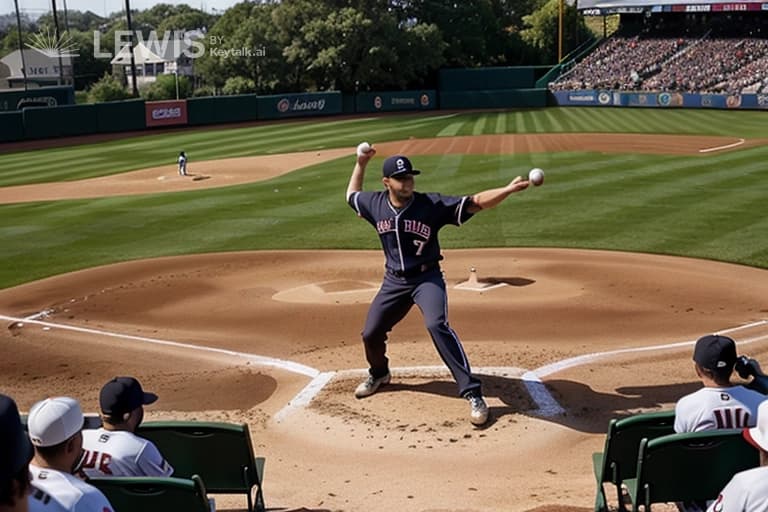
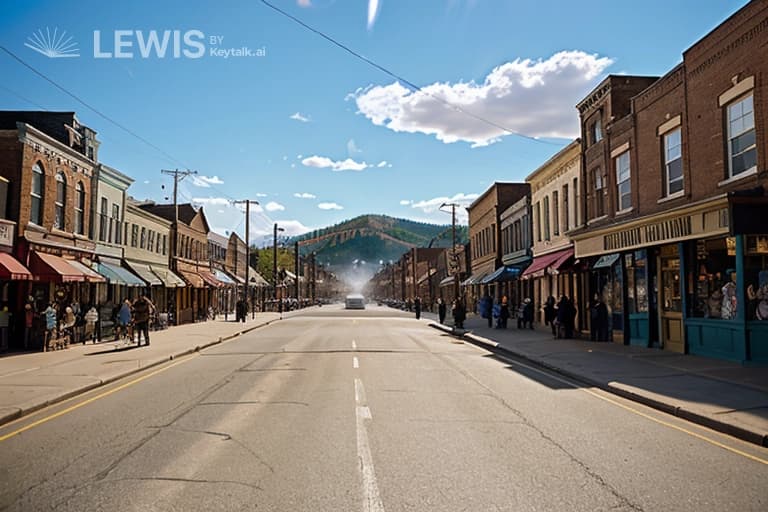
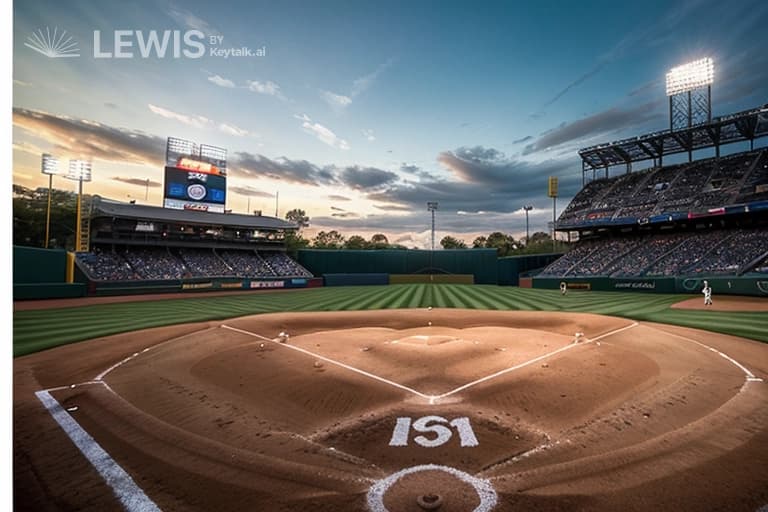
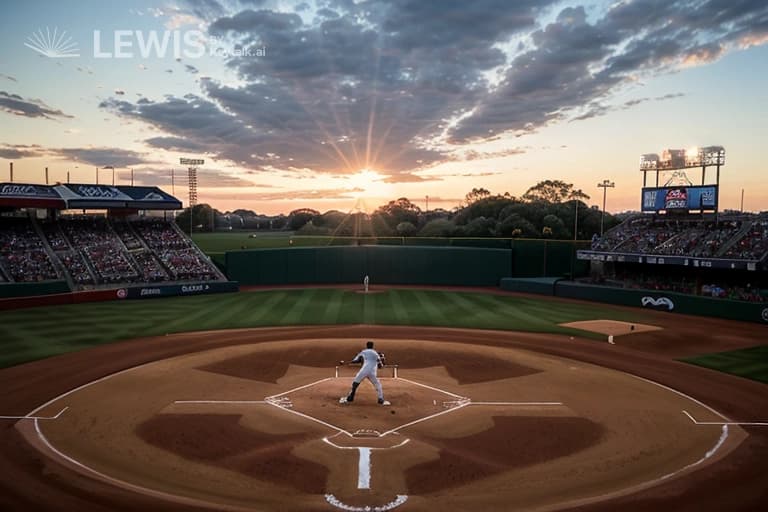
In the unassuming cradle of America's heartland, a small town throbbed with the nail-biting suspense of a baseball game. It was more than just a sport; it was the lifeblood of the community. The hallowed ballpark stood as a testament to local legends, a living monument of unity and pride. But when the acrid scent of greed began to permeate the air, the once vibrant atmosphere turned white-knuckled with tension. Clayton "Curveball" Tucker, a pitcher whose better days were cloaked in the dust of vaudeville curtains, found himself at the heart of a battle that threatened to tear the town's soul apart.
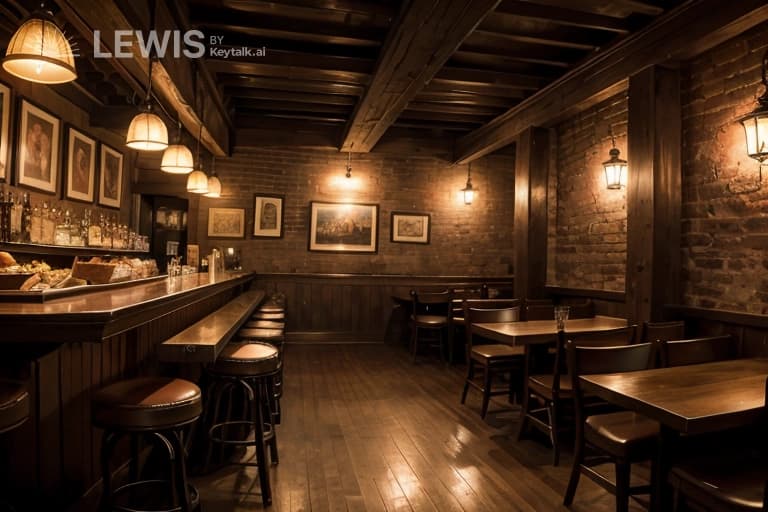
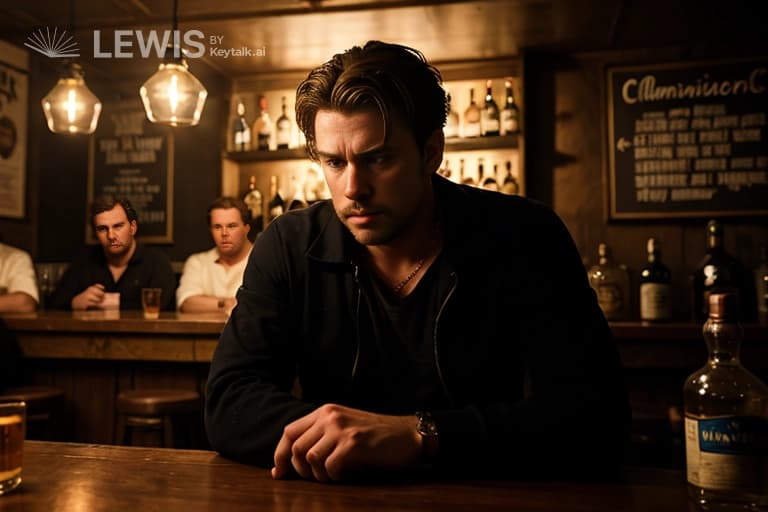
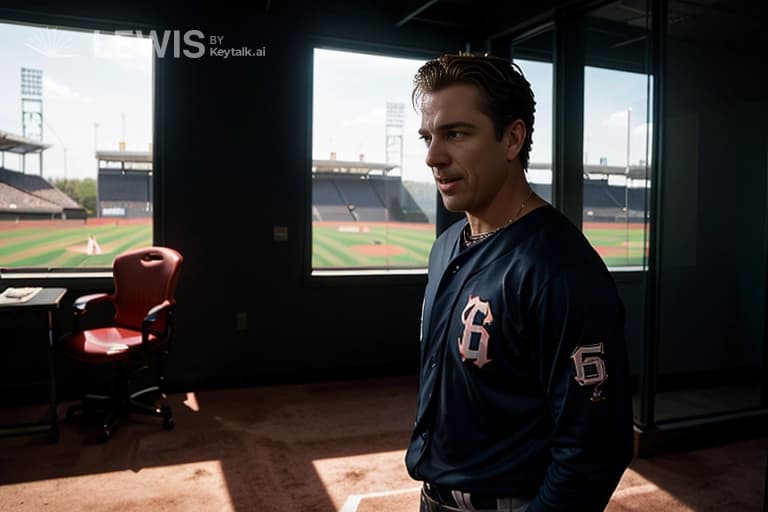
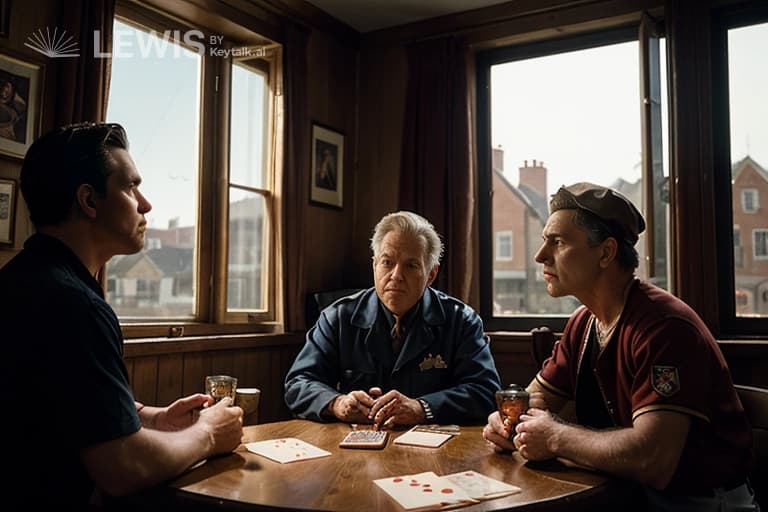
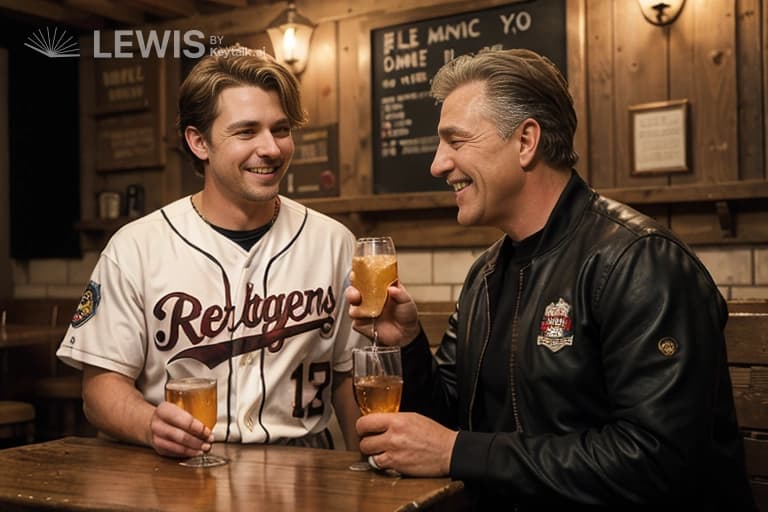
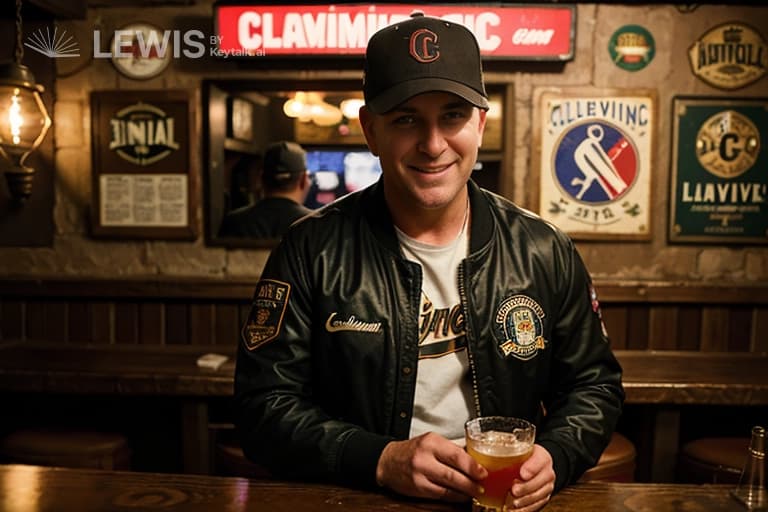
Clayton's vaudevillian past had faded to nothing more than a shadow, his talents confined to the dim corners of local taverns. His baseball jacket, once a symbol of triumph, now bore the distress of time, reflecting the tattered remnants of his fame. However, as the ominous figure of Reginald Archibald Crane loomed, with his plans to raze the beloved ballpark for his commercial monstrosities, a fire reignited within Clayton—a fire that had once burned out under the weight of life's curveballs.
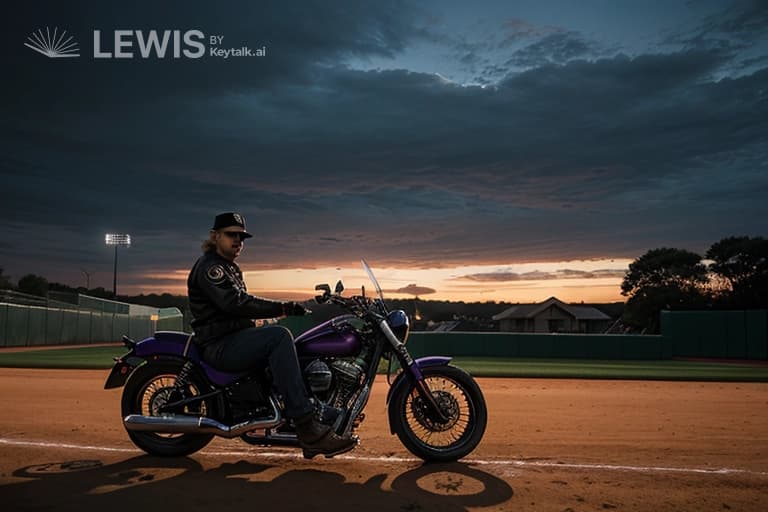
Reginald, whose own baseball dreams had been quashed and whose vaudevillian ambitions were crushed by a father's disapproval, was consumed by a bitterness that only fueled his destructive desires. His connections to a notorious motorcycle gang were an extremely tense echo of his capacity for viciousness, making him a daunting adversary.
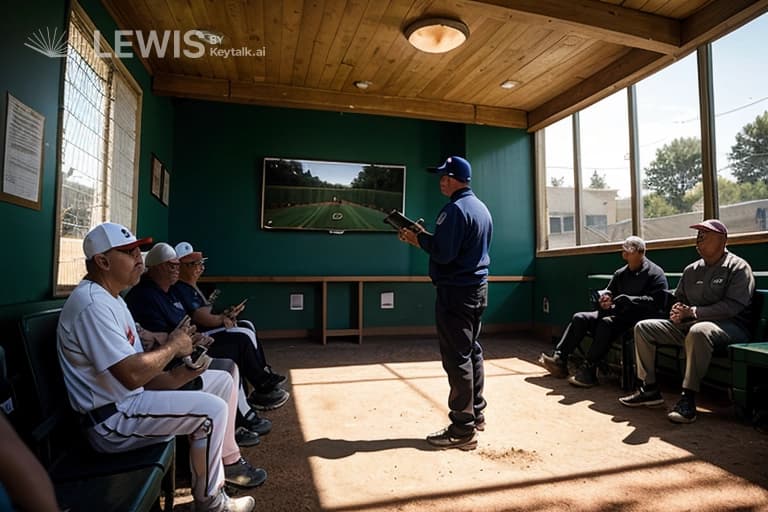
Amid this suspenseful standoff, Chester "Curveball" Twain, an elderly vaudevillian sage with a brilliant baseball mind, emerged to confront the impending storm. With a wisdom only years can bestow, Chester became the beacon that guided Clayton out of the shadows. Together, they formed an alliance steeped in a shared reverence for the game, and a plan began to take shape—one that could potentially mend the fractures within their community.
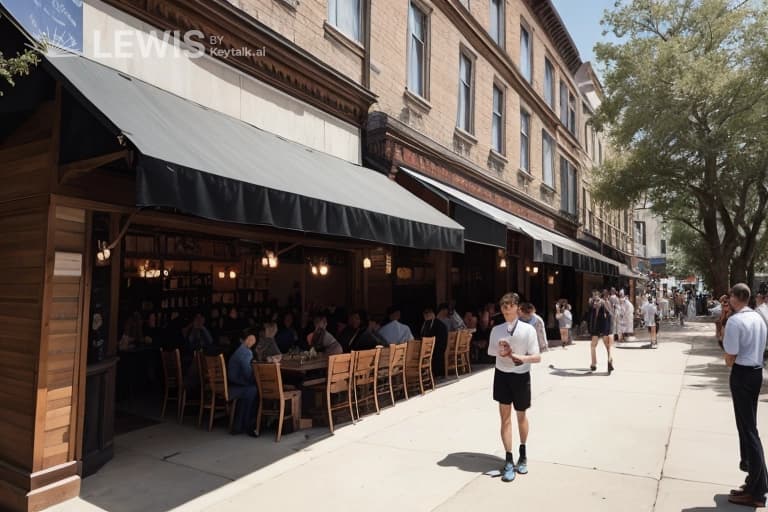
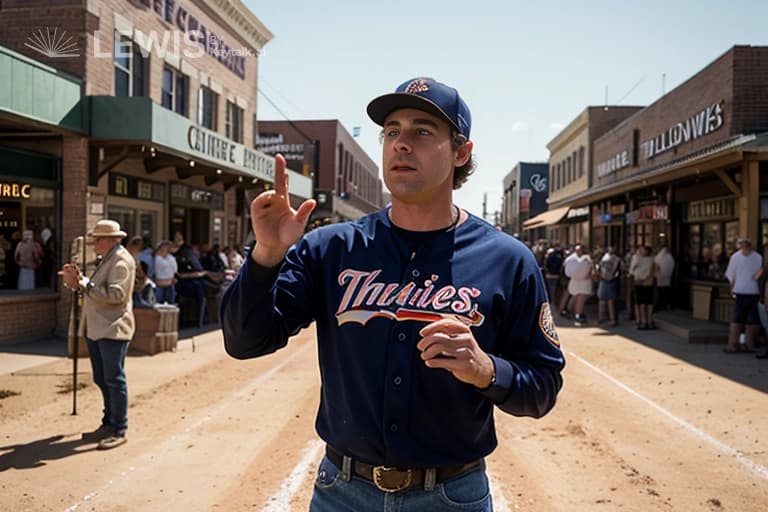
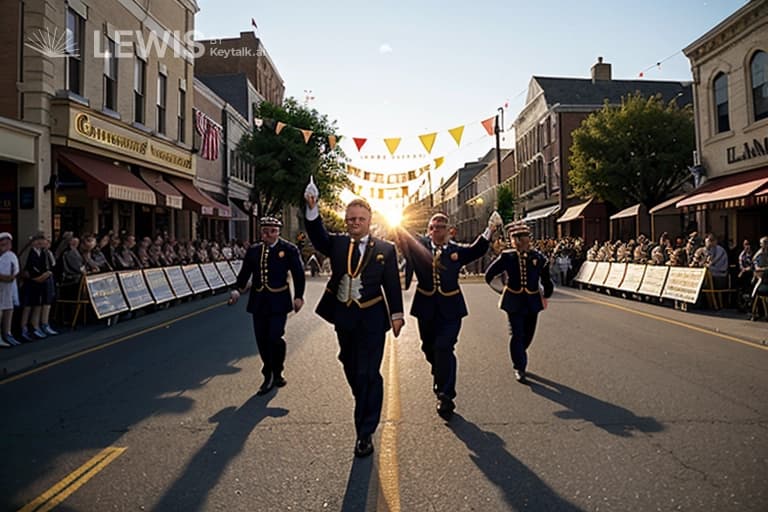
As Clayton tapped into his dormant gift for persuasion, his vaudevillian prowess bloomed once more, becoming the linchpin for their cause. He conjured the magic of the stage on the streets, his charm now an instrument to stoke the embers of the townspeople's passion for their threatened ballpark. Clayton's redemption was woven from these acts, from the laughter he inspired to the renewed sense of purpose that coursed through his veins.
The extremely tense battle to save the ballpark reached its zenith with Clayton and Chester's cunning stratagems, exposing the vulnerable core beneath Reginald's formidable exterior. United by the duo's efforts, the town's solidarity began to dismantle the businessman's armor. Confronted with the community's united front, Reginald's icy resolve started to thaw, revealing the flickering flame of a forgotten dream.
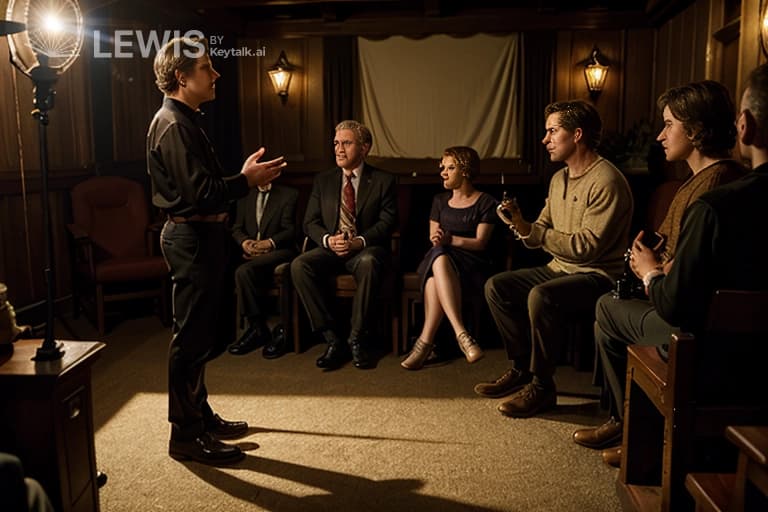
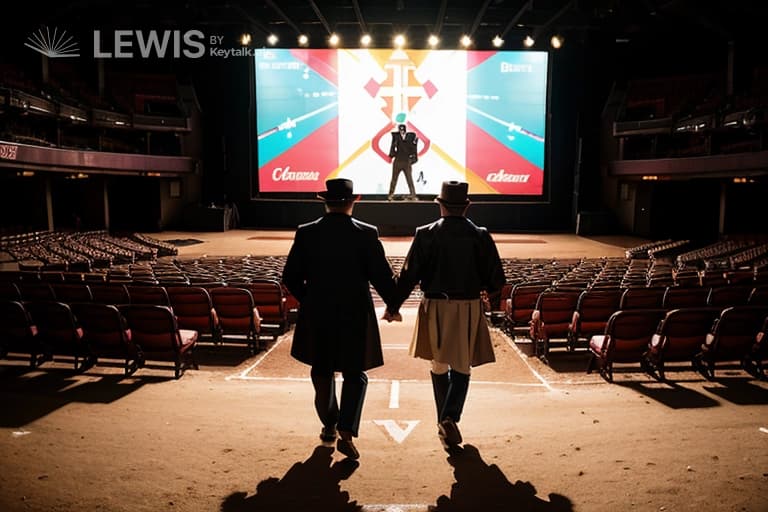
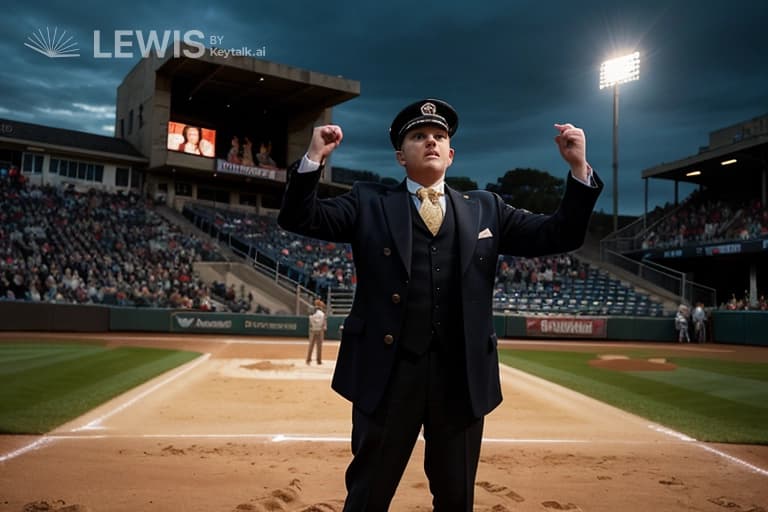
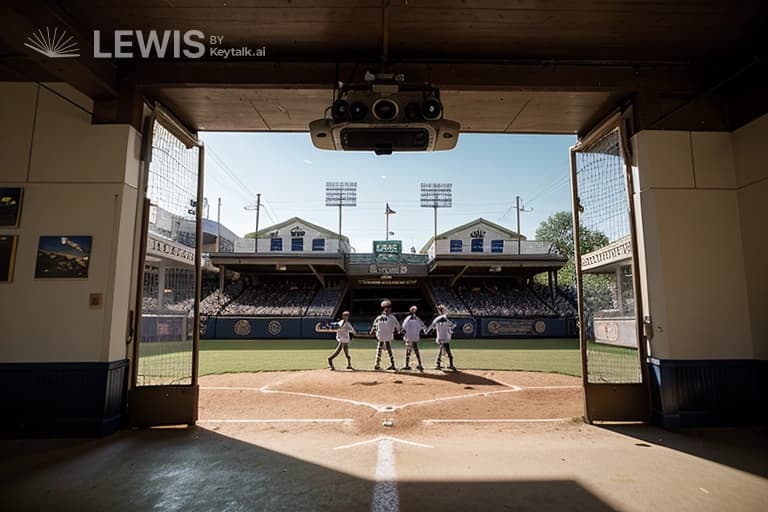
The crescendo of their struggle unfurled under the glare of stage lights at the ballpark, transformed into a vaudeville theater for one fateful night. Laughter and applause erupted from the crowd, chipping away at the walls Reginald had built around his heart. Overwhelmed by the genuine joy around him, Reginald stepped into the limelight, his own vaudevillian talents resurfacing to the astonishment and delight of those he had sought to alienate.
In the aftermath, the ballpark was saved not by force but by the shared heartbeat of a community that had rediscovered its capacity for unity and forgiveness. Reginald, once the antagonist, was now enfolded in the town's embrace, his destructive plans abandoned. Clayton, the fallen hero, found redemption in the most unexpected of victories, having rekindled the collective dreams of a town on the brink of division. And as the story closes, the crack of a baseball meeting a bat resounds—a timeless anthem for the enduring spirit of the game and its faithful guardians.













コメント · Comments
コメント · 0