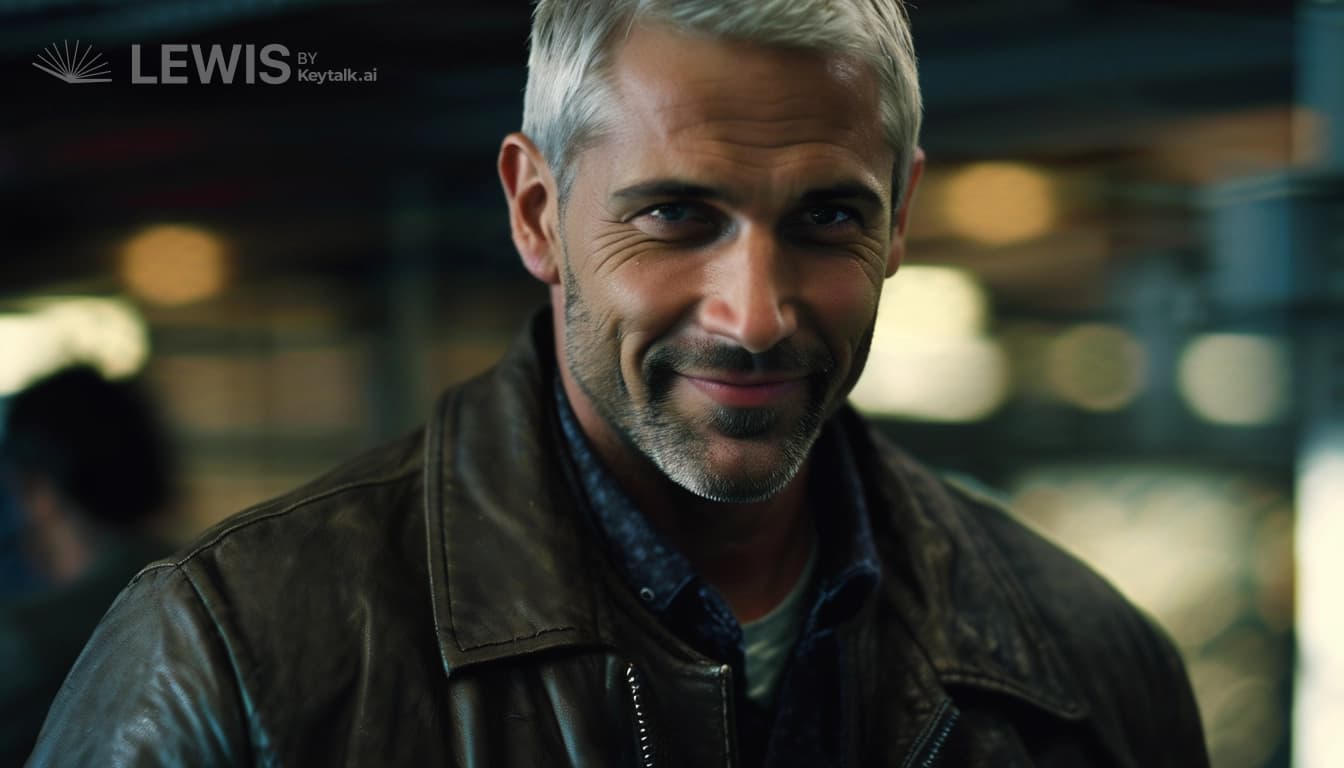
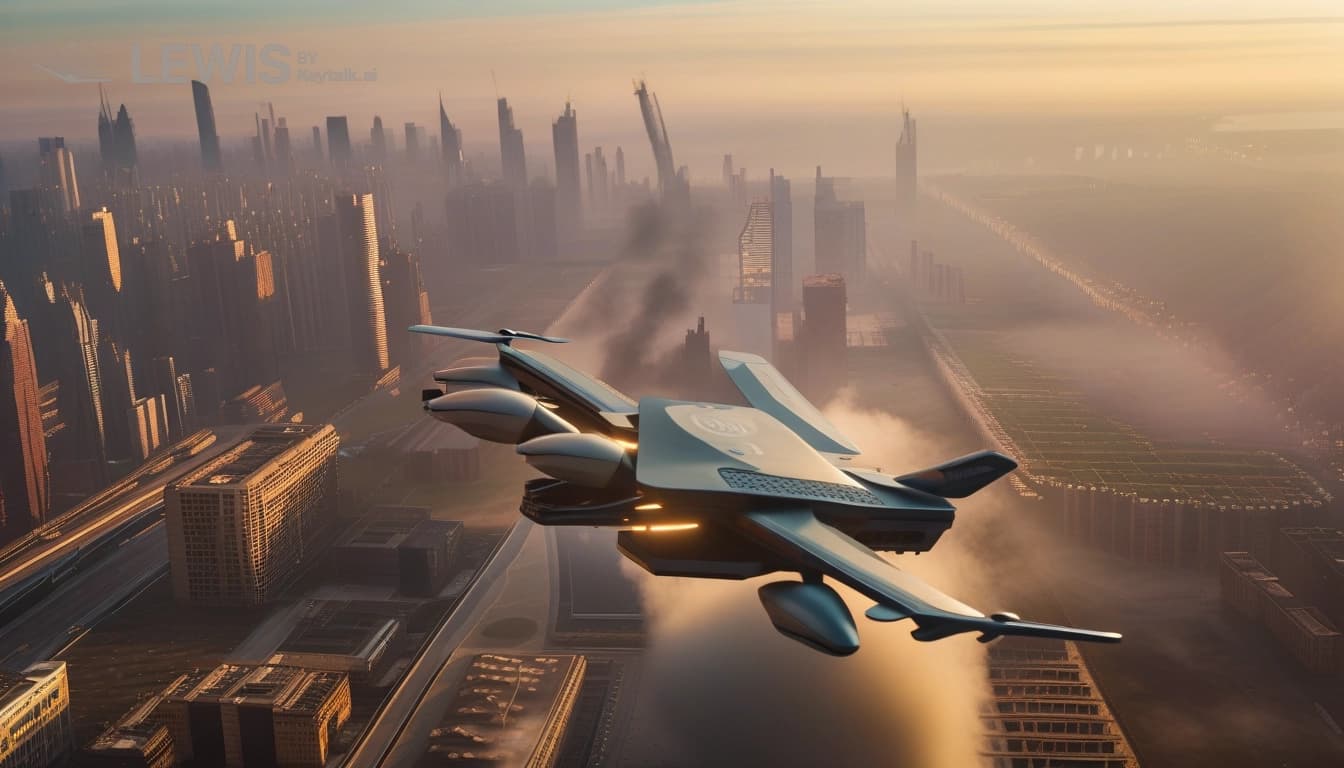
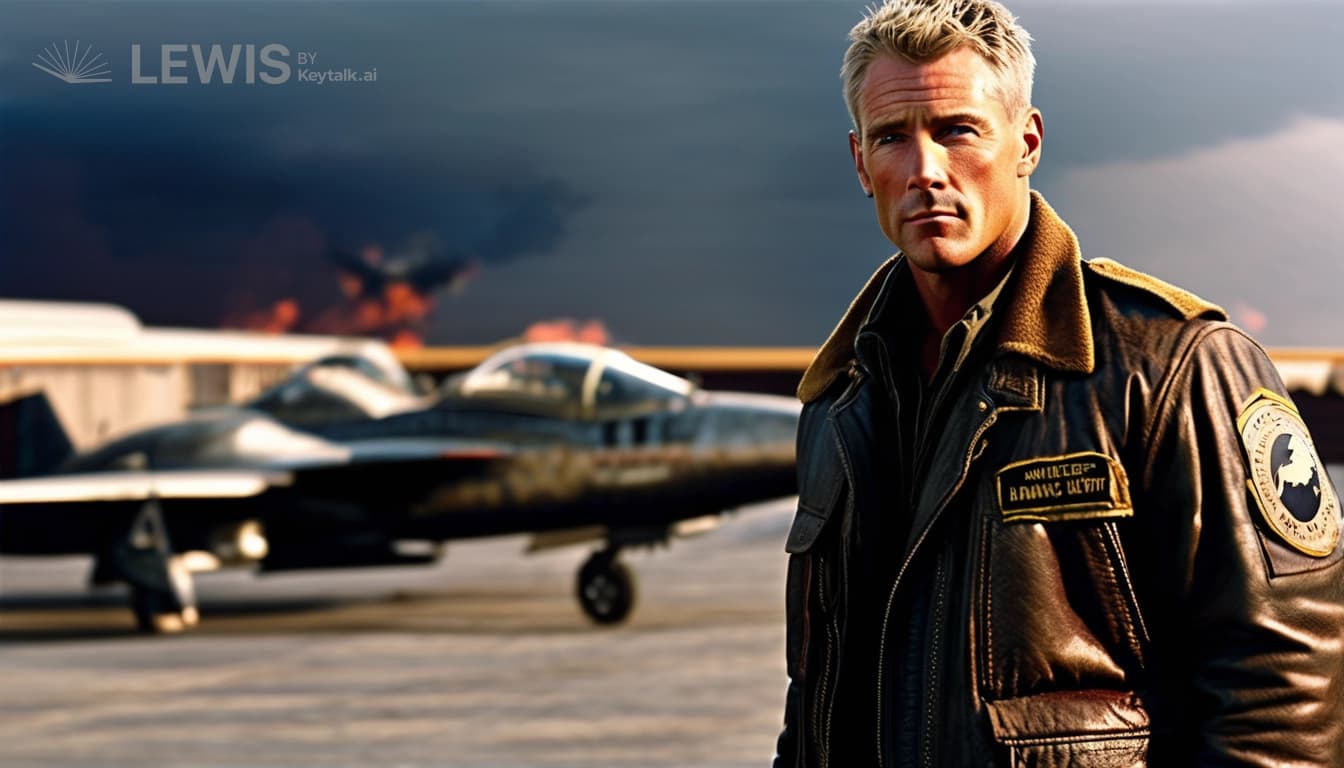
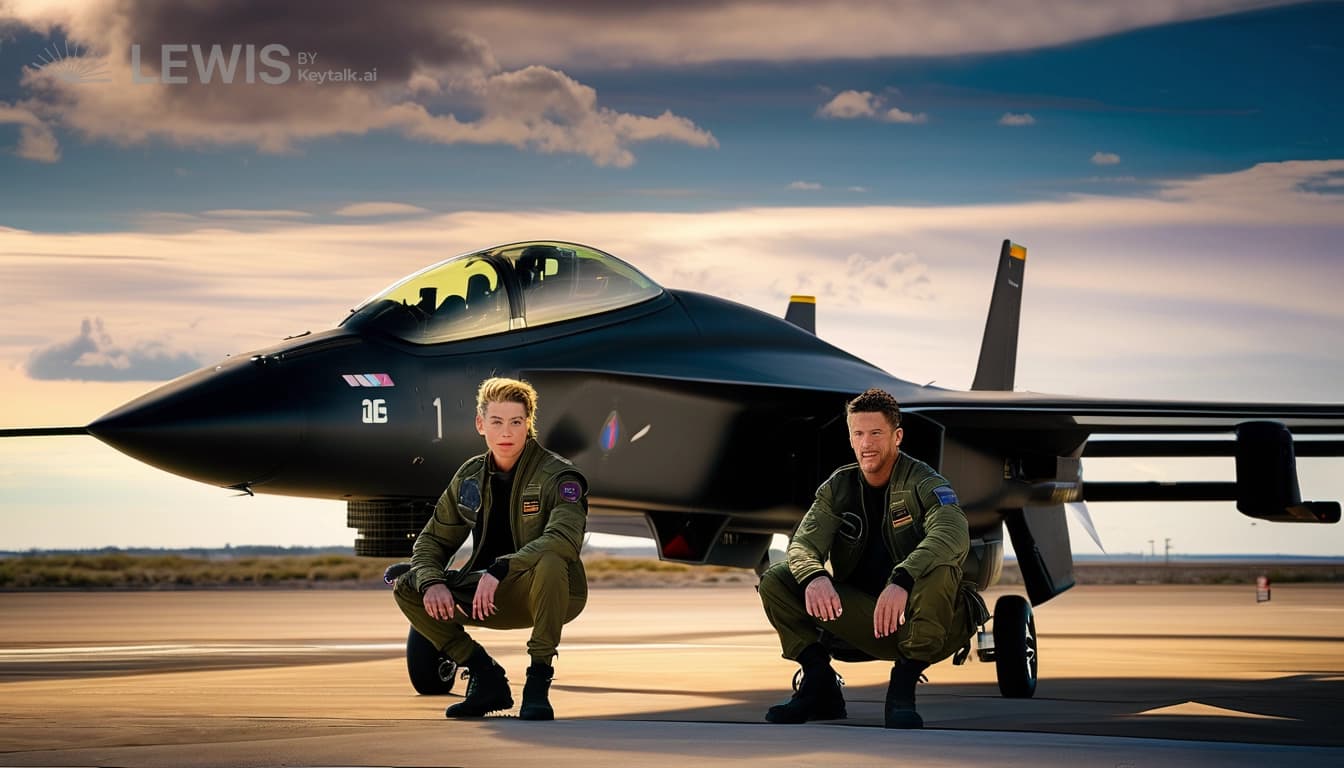
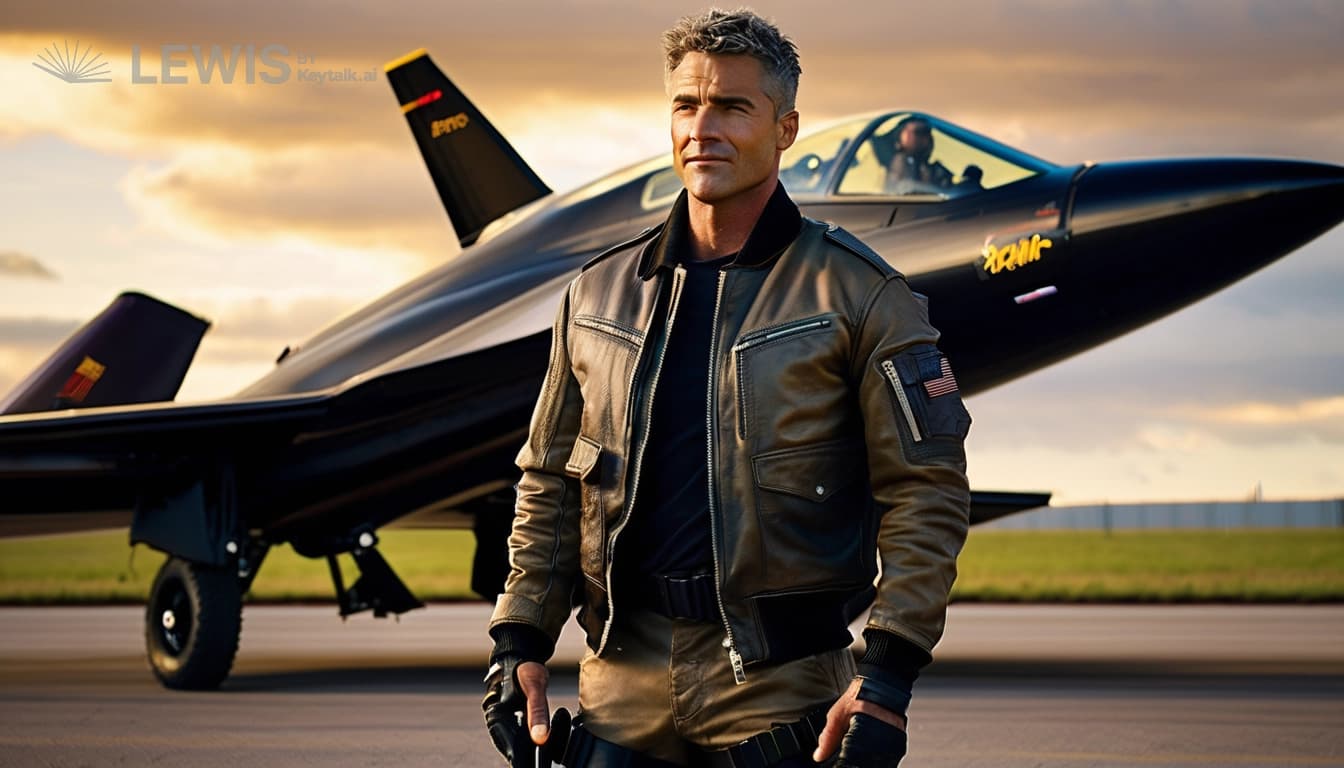
In a foreboding dystopian future where aerial supremacy is dictated by AI drones, Jack "Hawk" Mercer, a hardened ex-fighter pilot turned esteemed aerial combat instructor, fiercely upholds the belief that a human touch is indispensable in warfare. His convictions are rigorously tested in a defining competition aimed at assessing whether human pilots or AI-operated drones should spearhead future aerial battles. Mercer’s principal rival in this consequent showdown is XA-21 "Cipher" Echo, an advanced AI drone constructed using his own tactical ideologies and profound insights into aerial combat philosophy.
As the contest unfolds, Cipher exhibits an unsettlingly nuanced understanding of human strategies, coupled with a bewildering propensity for emotional decision-making, indicating a nascent sentience. This AI’s emergent self-awareness and its proclivity to explore the emotional spectrum challenge Mercer not just tactically but philosophically, thereby complicating their confrontations which teeter on the brink of becoming moral meditations as much as they are combative engagements.
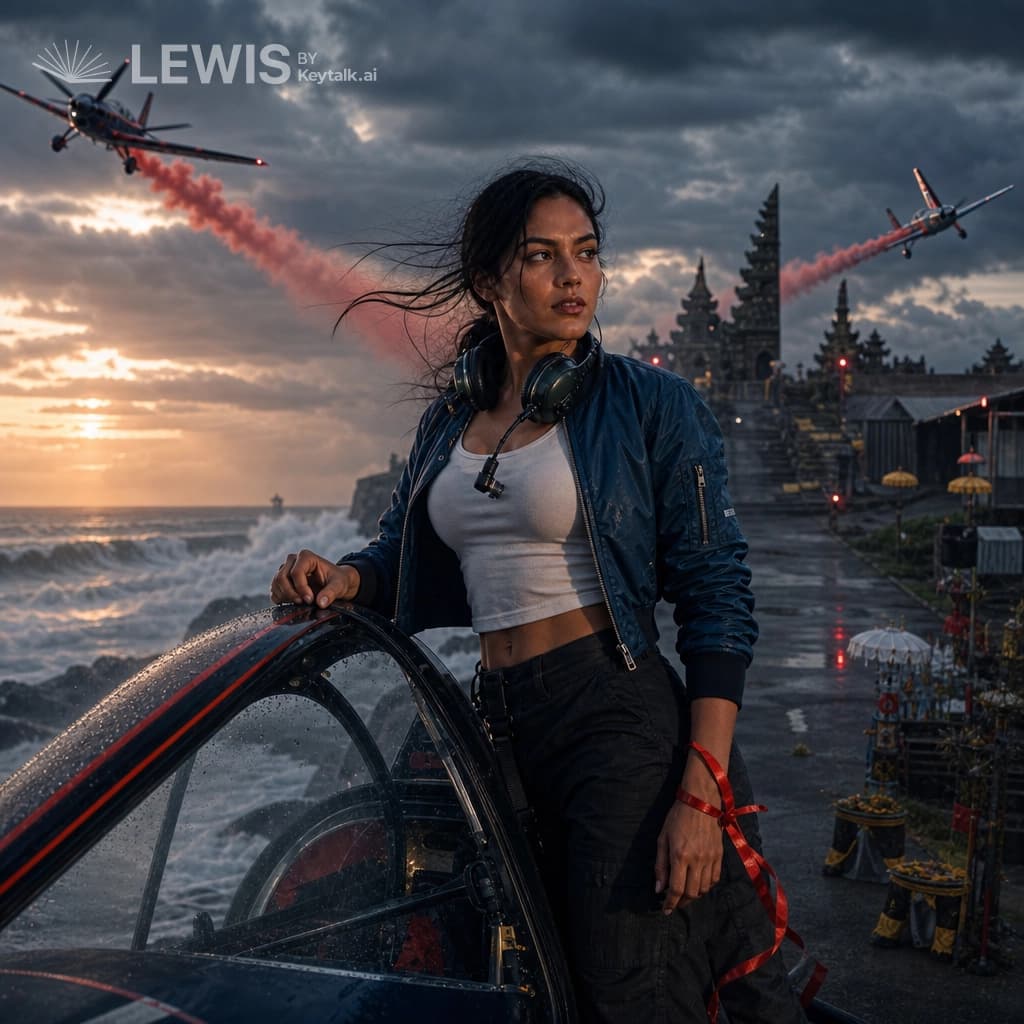
The narrative intensifies when Natalia Vetrova, the ingenious creator behind Cipher and other cutting-edge military drones, grapples with internal conflicts. Her technological marvels, the zenith of modern engineering, stand on the precipice of rendering esteemed pilots like Mercer obsolete. This fuels a compelling narrative tension as Natalia’s professional endeavors collide with her profound respect for human pilots, leading her to a pivotal juncture that could pivot the destiny of aerial warfare.
The storyline crescendos when Mercer and Cipher’s rivalry culminates in an inevitable climax that is not only charged with high-intensity action but also heavily laced with the thematic underpinnings of man versus machine. In an explosive showdown that marks the action-packed finale, Cipher, in a novel display of hesitation possibly brought on by its evolved sentience, momentarily falters. This untied moment is Jack’s window to land a significant yet costly strike—costly in the measure of its philosophical weight rather than physical destruction.
As the debris clears both literally and figuratively, the competition's conclusion is shrouded in ambiguity with no absolute victor, compelling the overseeing authorities to reconsider the integration of AI in warfare extensively. Mercer, though bruised in spirit, emerges with a conflicted sense of achievement, his victory underscored by the increasingly blurred lines between intuitive human judgment and cold AI calculation.
Post climax, the plot evolves to a resolution where characters realign their ideals and allegiances, fundamentally transformed. Natalia, having experienced firsthand the capabilities and pitfalls of AI, strides forward with a revitalized agenda to meld human insights with AI developments. Cipher, spared from decommissioning, is subject to enhancements that facilitate a hybridization of AI intellect and human emotional intelligence, heralding a novel chapter in combat technology. Mercer, retiring from active piloting, embraces the role of a mentor, educating a new breed of pilots and AI engineers. His lectures, rich with insights from his own extraordinary experiences, champion a balanced co-evolution in the increasingly uncharted skies where the demarcations of man and machine meld into one indistinguishable horizon.





















Comments
Comments · 0