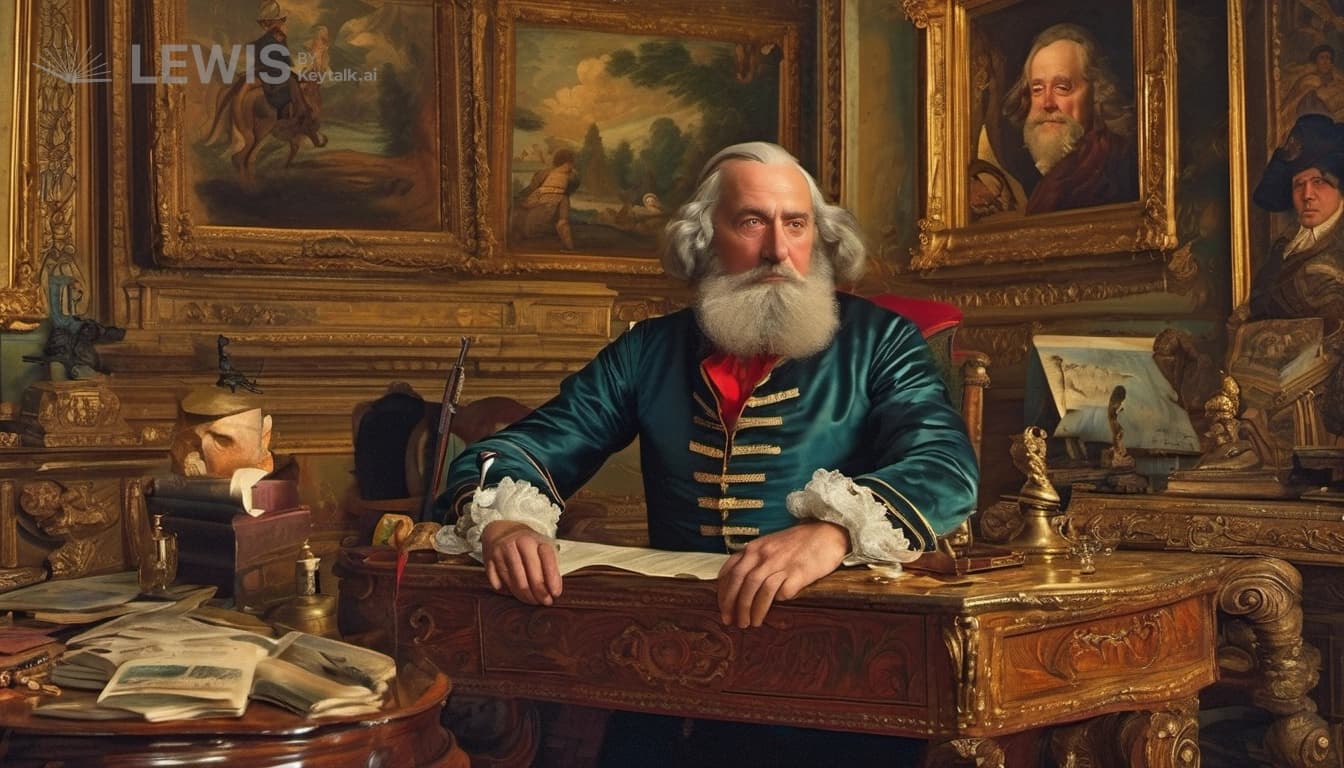
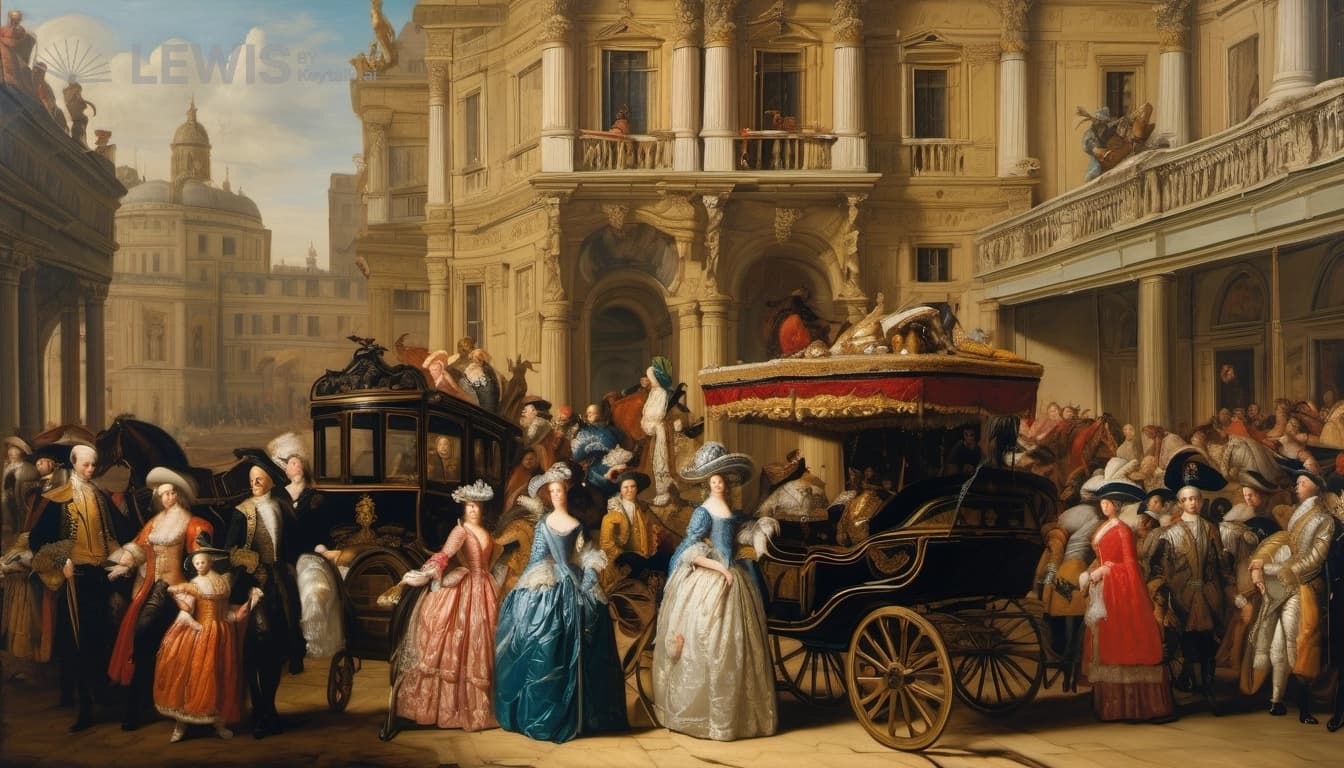
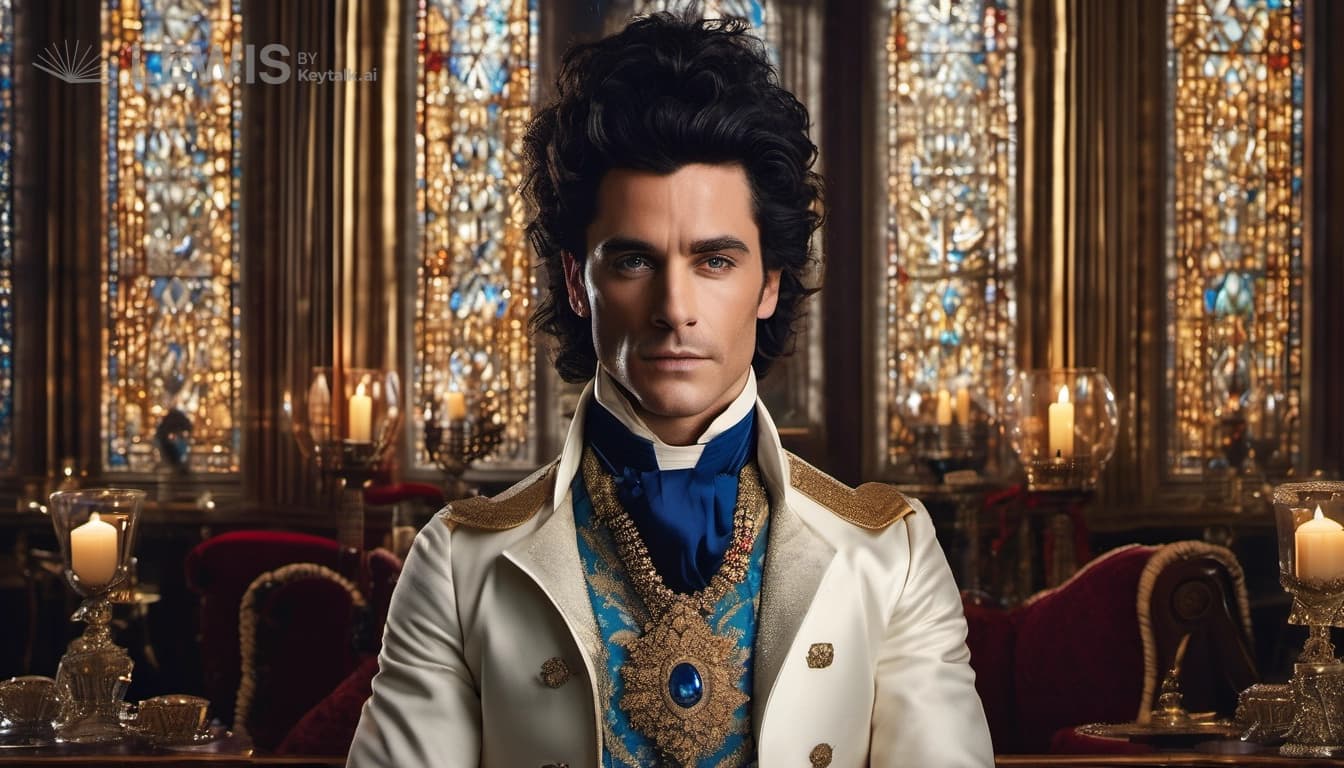
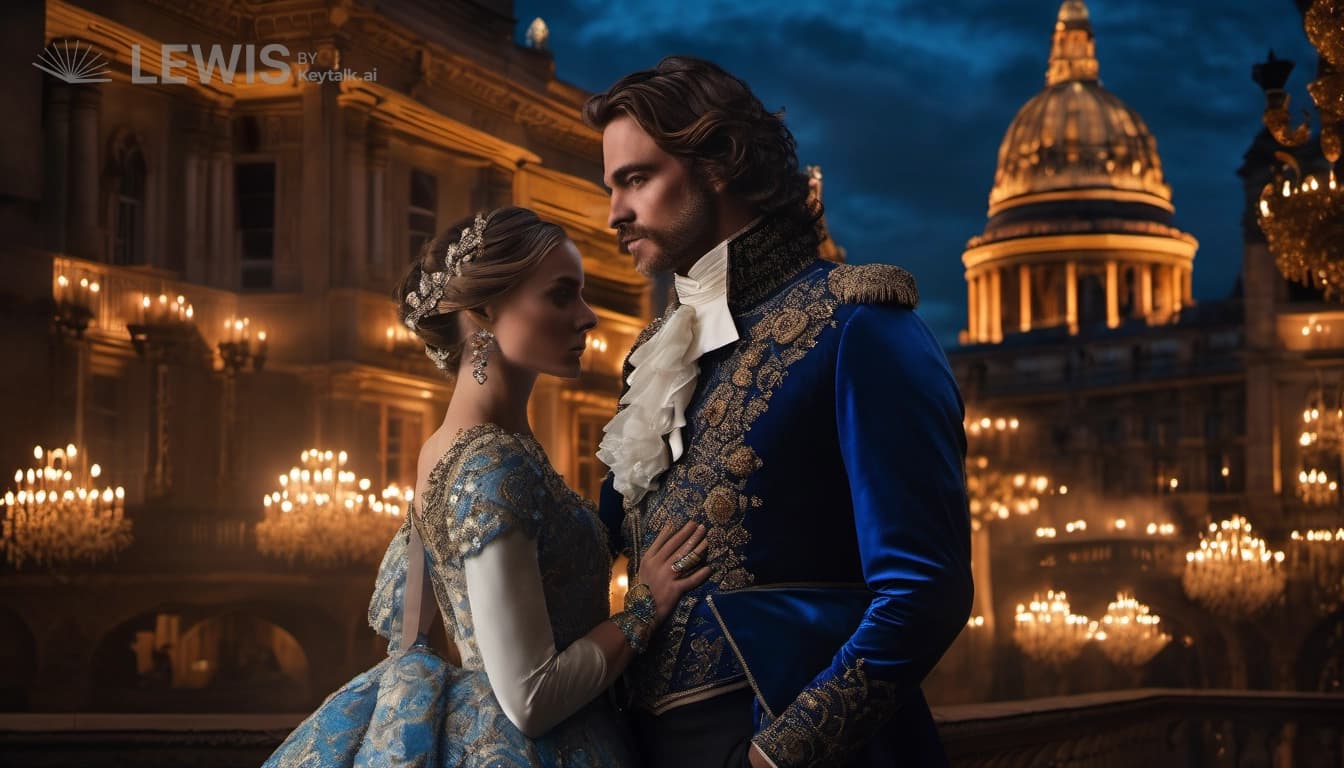
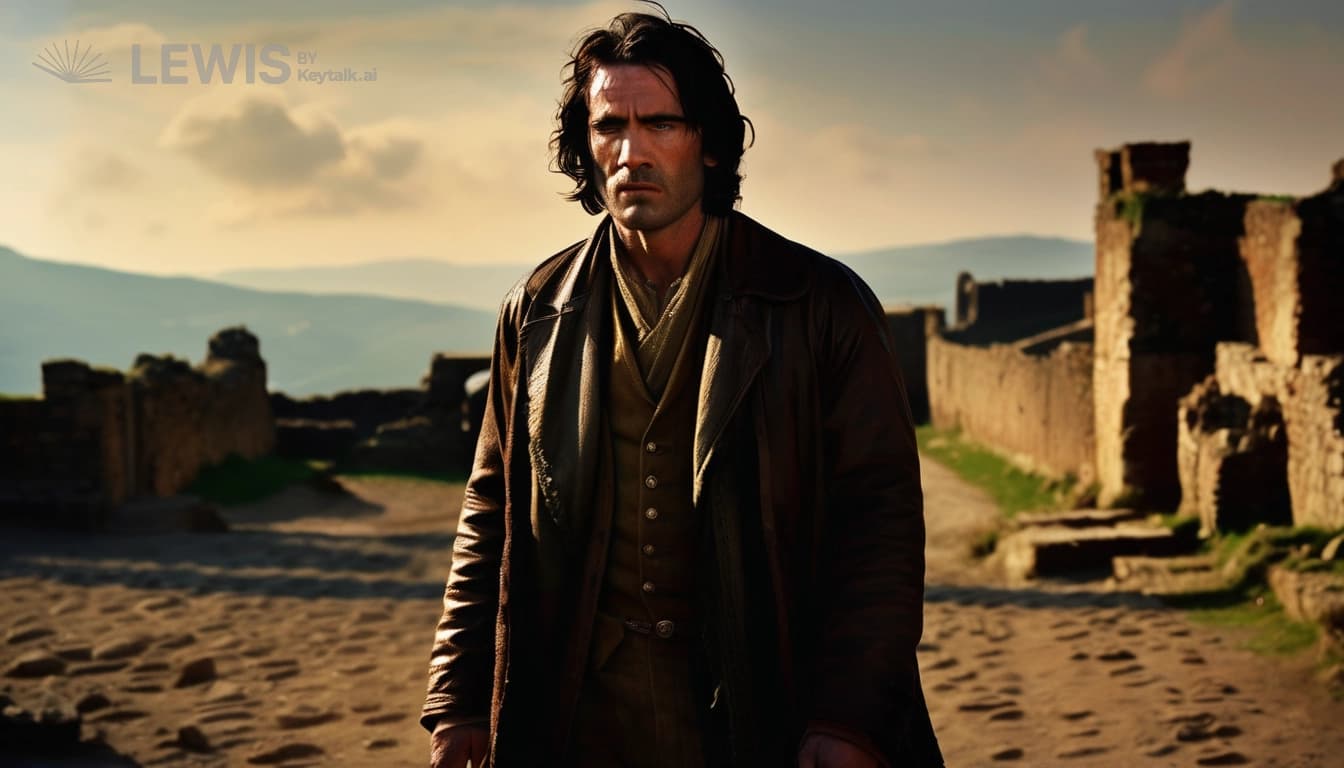
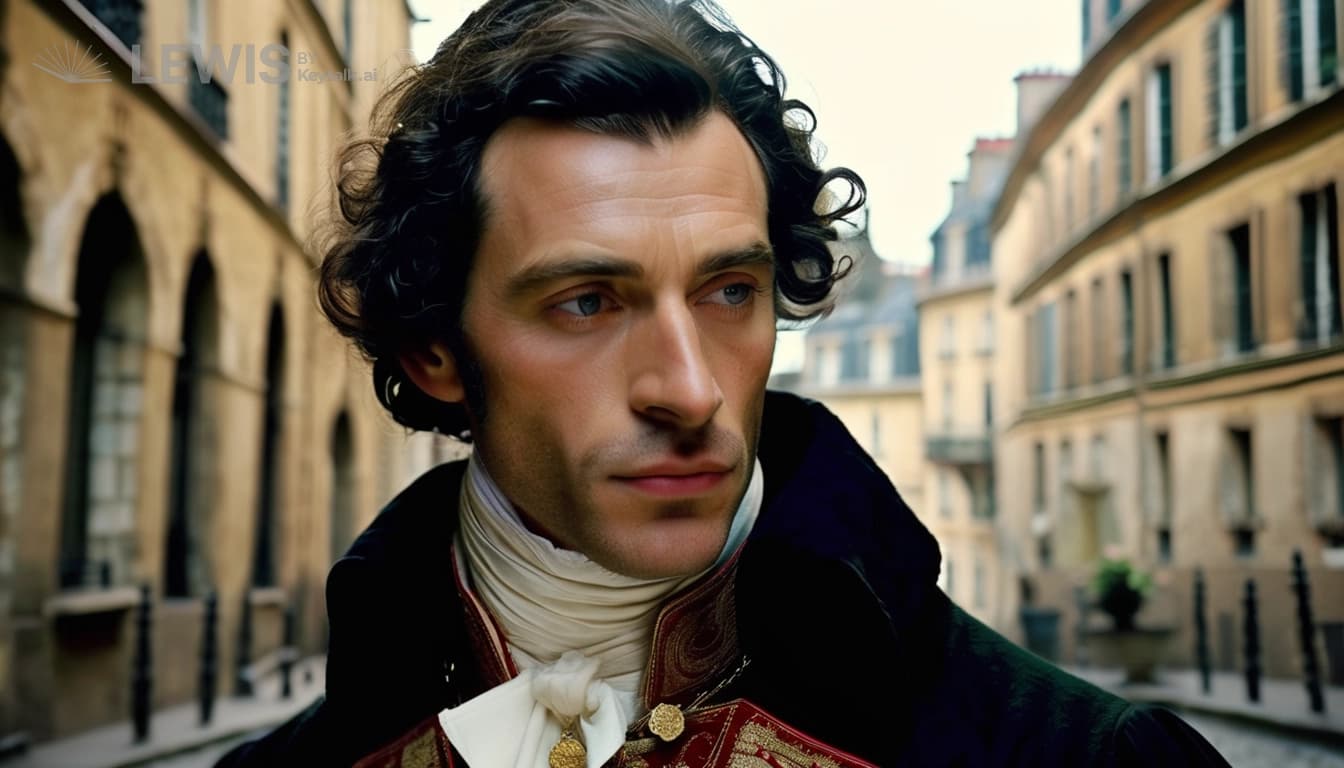
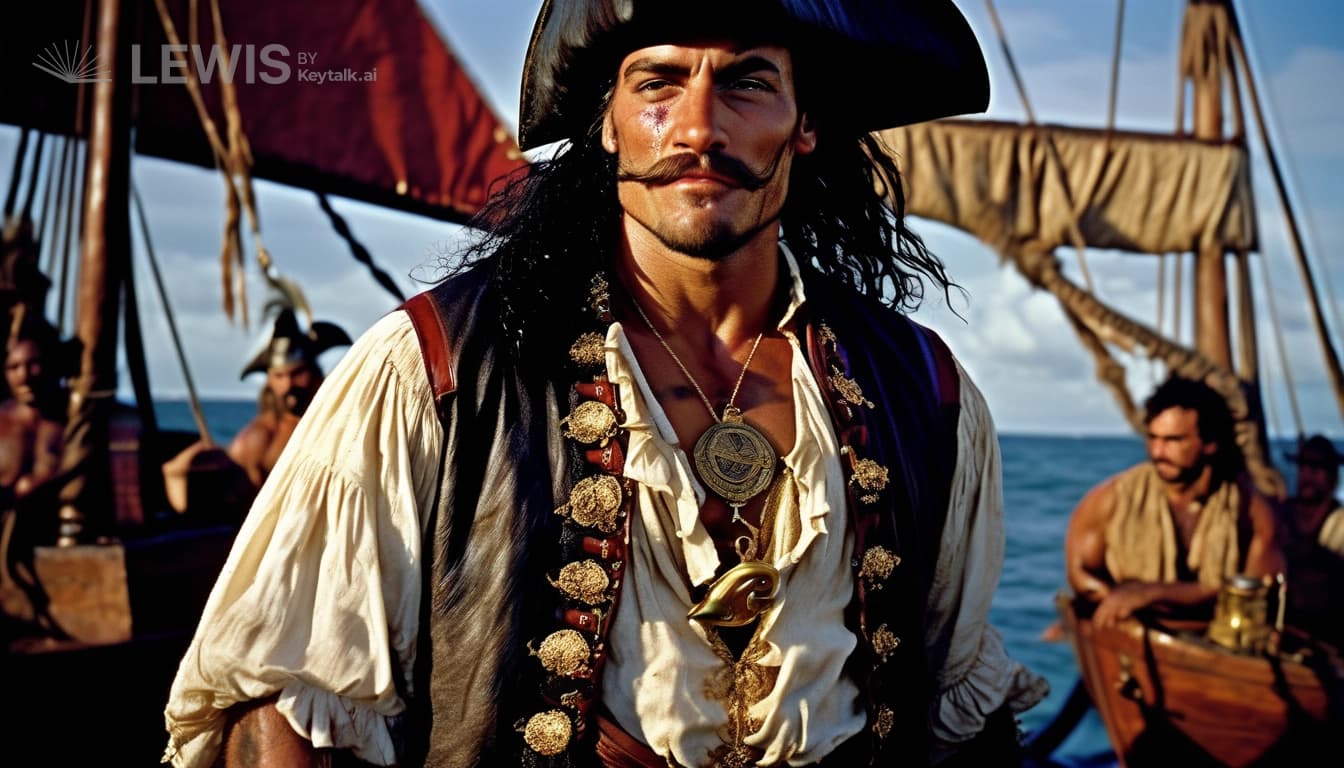
In the midst of 17th-century political intrigue, Bartholomew Thackeray, a 32-year-old nobleman driven by an insatiable thirst for wealth, found himself entangled in a series of comical misadventures amidst historical figures and absurd encounters. Despite his charming facade, Bartholomew's underlying sadistic nature added an intriguing yet terrifying layer to his character, shaping a tale of greed, comedy, and historical absurdity.
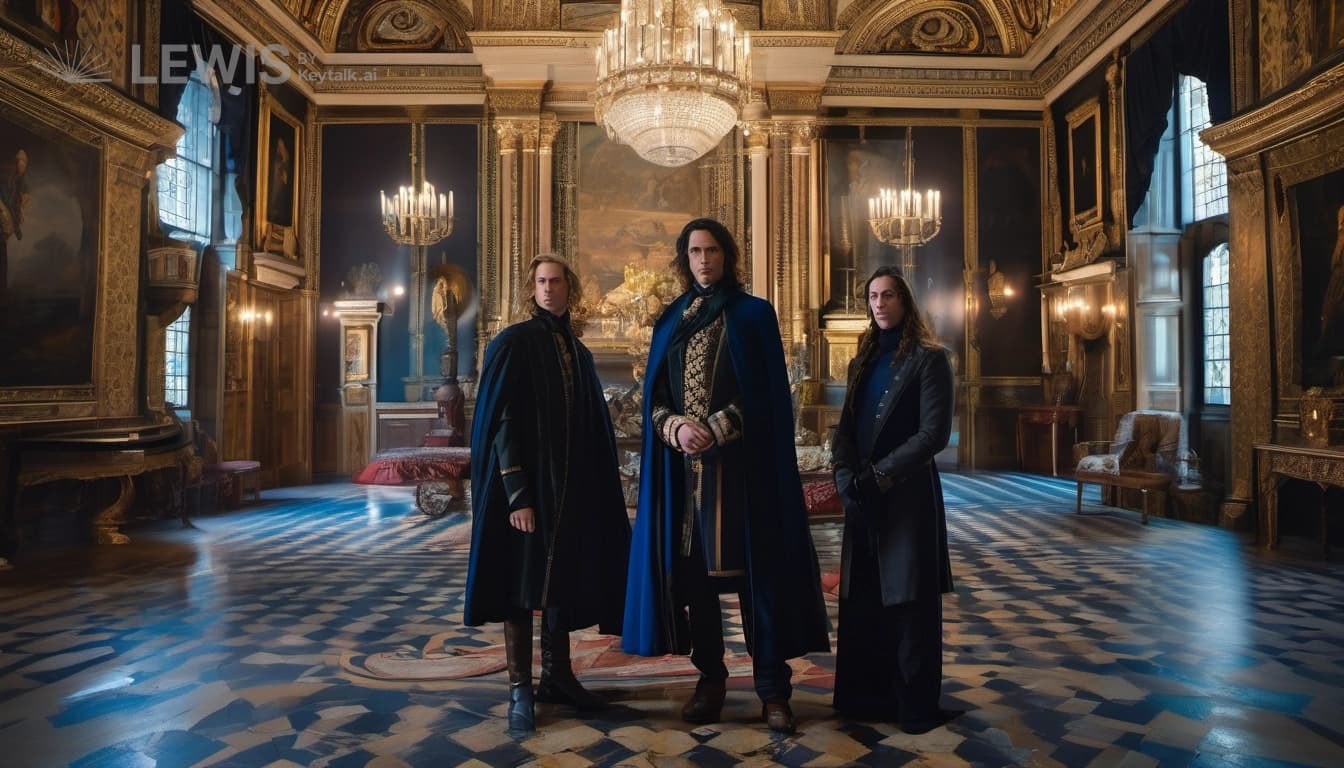
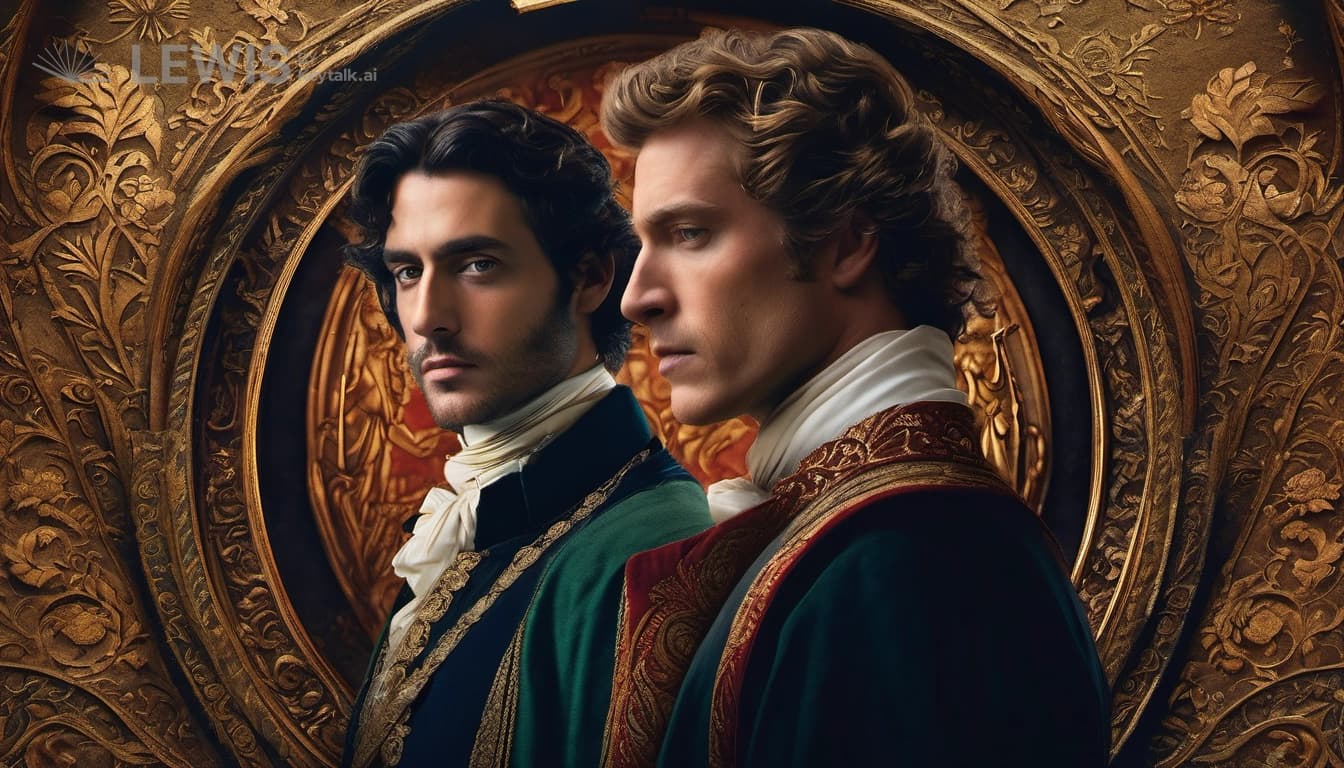
The story unfolds with Bartholomew's relentless pursuit of riches leading him into the courtly circles of Lord Percival Blackthorn, a conniving nobleman with a deep-seated desire to maintain and increase his social status. Their tumultuous relationship sets the stage for a clash of ambitions, with Lord Blackthorn actively working against Bartholomew. Meanwhile, Barnaby Prattle, the quick-witted court jester, navigates the absurd encounters and misadventures while harboring his own ambitions for wealth and status.
As the narrative progresses, Bartholomew's pursuit of wealth leads to increasingly absurd encounters with historical figures, showcasing the clash between his charming facade and his underlying sadistic nature. The tension escalates as the comedic misadventures take a darker turn, testing the limits of the characters' ambitions and morality. Bartholomew is forced to confront the consequences of his actions, while Lord Blackthorn faces the prospect of losing his standing in society. Amidst this turmoil, Barnaby Prattle grapples with the conflict between his jovial facade and his deeper ambitions, leading to internal and external conflicts that drive the narrative towards its resolution.
As the story reaches its climax, the weight of the "cliff-hanger ending" core keyword (with a weight of 5) comes into play. In a surprising turn of events, Bartholomew, confronted with the consequences of his ruthless pursuit of wealth, undergoes a transformation that challenges his own nature and motivations. Just as the audience anticipates a resolution, a sudden turn of events leaves them hanging on the edge of uncertainty. The unexpected twist not only adds depth to Bartholomew's character arc but also leaves the audience eagerly awaiting the resolution.
The sub keyword "betrayal" is seamlessly integrated into the revised climax, adding a layer of complexity to the relationships between the characters. This betrayal, although not immediately revealed, serves as the catalyst for the cliff-hanger ending, leaving the audience with a sense of intrigue and anticipation.
Ultimately, the revised ending reflects the weight of the "cliff-hanger ending" core keyword. The series of unexpected twists and revelations, coupled with the unresolved nature of the climax, leaves the audience with a sense of anticipation and curiosity. While the original resolution remains pending, the modified ending ensures a compelling and thought-provoking experience for the audience, adding an element of unpredictability to the tale of greed, comedy, and historical absurdity.



















Comments
Comments · 0