
Scene 1

The Shop at the World’s Edge
[Place]
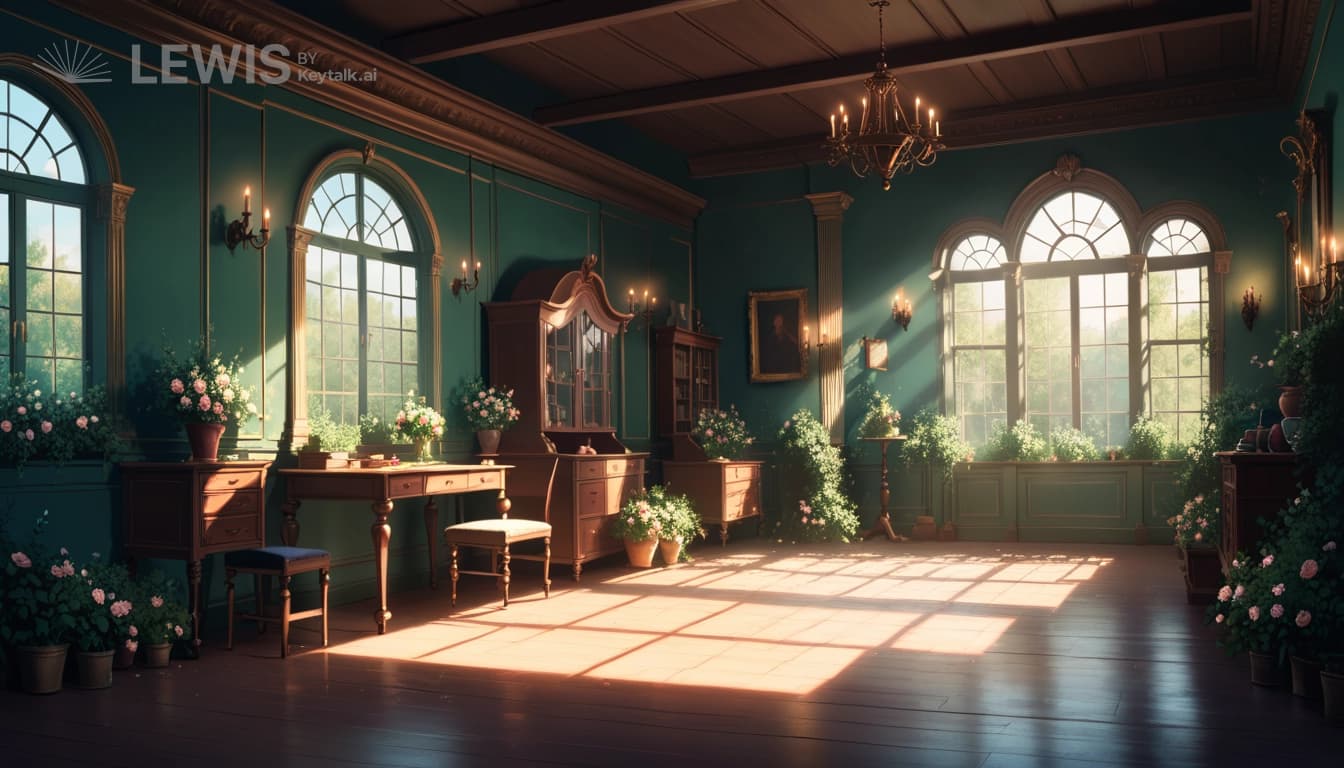
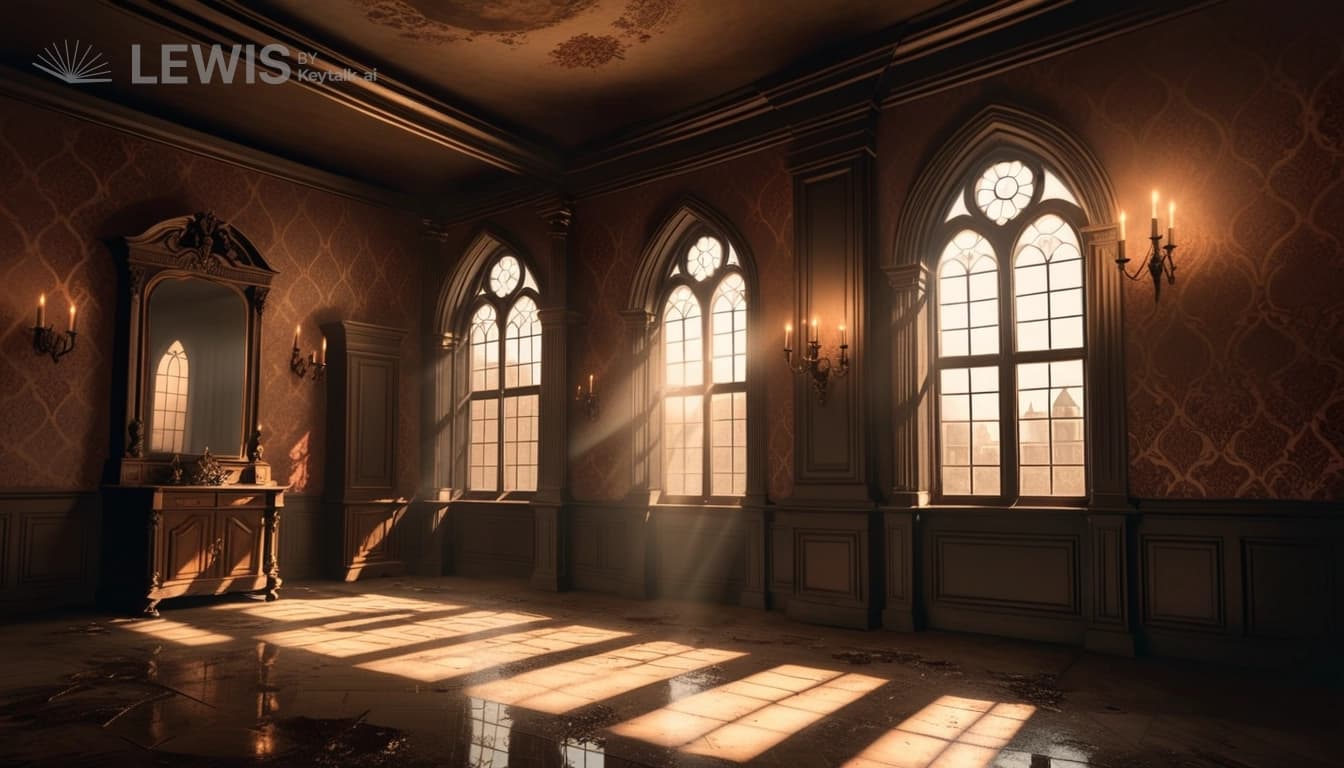
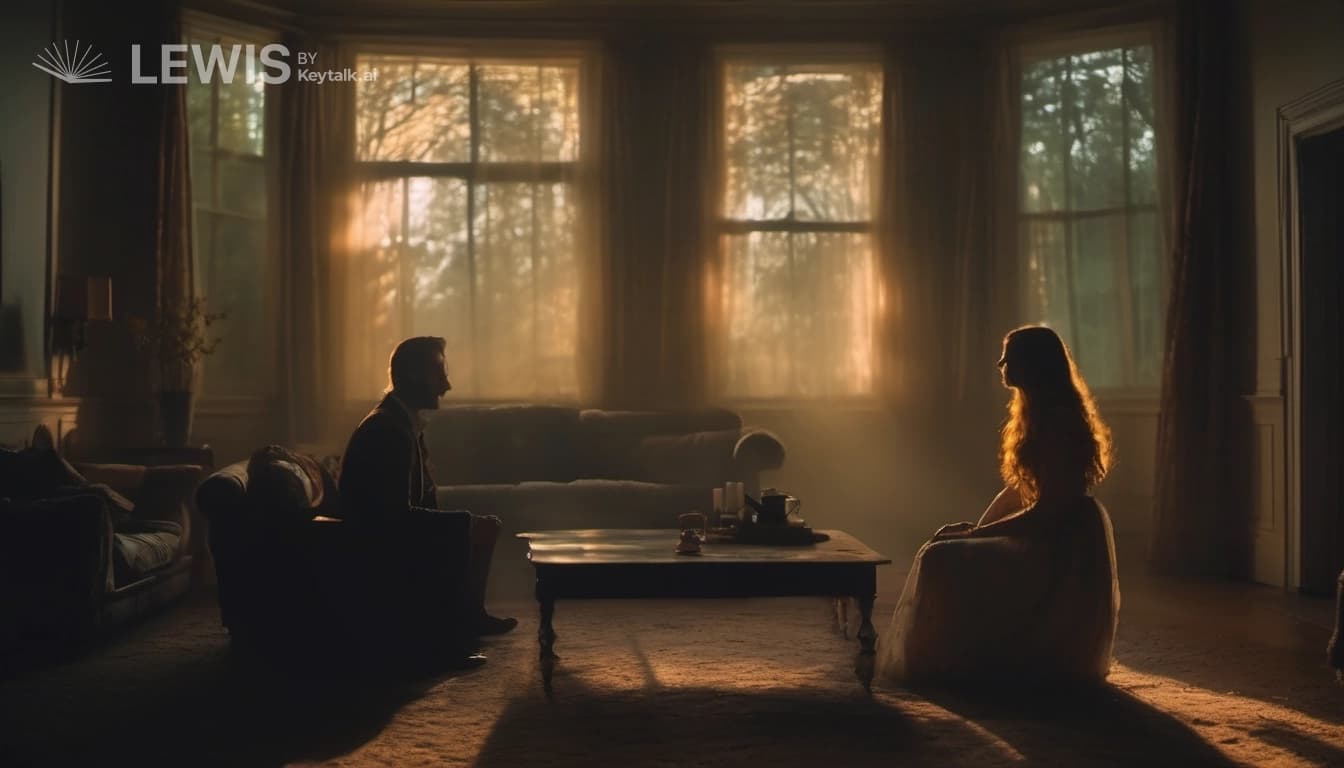
Elsie Blackthorn’s confessional shop, hidden in a mist-laced, labyrinthine alley of Paris’s bohemian quarter—a space that shimmers between worlds, at once deeply Parisian and haunted by the spectral echoes of Cherokee lands.
[Time]
Early evening, 1873. The city hums with restless energy as dusk falls, the streets outside pulsing with the fever of Orientalism; inside, the shop is lit by a shifting, uncertain glow.
[Action]
Elsie prepares the shop for the night, laying out ritual objects with precise, almost reverent care—beads carved from bone, scraps of ribbon, and a ledger bound in skin. The walls are lined with confessions, pinned like moths: letters in trembling French, tokens from the Trail of Tears, a feather scorched by lightning. As the clock chimes, a procession of customers begins—each carrying secret wounds: a dying soldier clutching a blood-stained map, a veiled widow with a talon-shaped brooch, an artist with paint under his fingernails and haunted eyes. Elsie receives them one by one, guiding each to confess their longing or regret, refusing easy solace and instead weaving their stories into the air. The confessions warp the room—shadows lengthen, the air thickens with the scent of sage and gunpowder, and faint, impossible music drifts from the back room. Between customers, Elsie’s isolation pulses: she lingers over a ritual scar on her wrist, haunted by visions of two absent lovers and the weight of memory. The scene closes as the shop’s door shudders open again, a bell chiming discordantly, heralding the arrival of someone unexpected—Chaska Redbird, their presence both an ache and a provocation, carrying the tension of old betrayals and unfinished business.
[Impact on the story]
This scene establishes the shop as both sanctuary and crucible, introducing Elsie’s role as confessor and the emotional toll of her work. The parade of clients underscores the city’s fevered desperation and the strange alchemy of memory, magic, and suffering. Elsie’s loneliness and longing for lost kin are foregrounded, setting up her complicated dynamic with Chaska. The arrival of Chaska signals the beginning of the story’s central relationships and the unraveling of both personal and collective histories.
[Description]
Elsie’s confessional shop opens for business as dusk falls over Paris, drawing in the desperate and the haunted. She weaves her clients’ regrets into the air, refusing easy comfort and deepening her own loneliness. The unexpected arrival of Chaska Redbird cracks open her carefully managed isolation, priming the story for confrontation and transformation.
[Place]
Elsie Blackthorn’s confessional shop, hidden in a mist-laced, labyrinthine alley of Paris’s bohemian quarter—a space that shimmers between worlds, at once deeply Parisian and haunted by the spectral echoes of Cherokee lands.
[Time]
Early evening, 1873. The city hums with restless energy as dusk falls, the streets outside pulsing with the fever of Orientalism; inside, the shop is lit by a shifting, uncertain glow.
[Action]
Elsie prepares the shop for the night, laying out ritual objects with precise, almost reverent care—beads carved from bone, scraps of ribbon, and a ledger bound in skin. The walls are lined with confessions, pinned like moths: letters in trembling French, tokens from the Trail of Tears, a feather scorched by lightning. As the clock chimes, a procession of customers begins—each carrying secret wounds: a dying soldier clutching a blood-stained map, a veiled widow with a talon-shaped brooch, an artist with paint under his fingernails and haunted eyes. Elsie receives them one by one, guiding each to confess their longing or regret, refusing easy solace and instead weaving their stories into the air. The confessions warp the room—shadows lengthen, the air thickens with the scent of sage and gunpowder, and faint, impossible music drifts from the back room. Between customers, Elsie’s isolation pulses: she lingers over a ritual scar on her wrist, haunted by visions of two absent lovers and the weight of memory. The scene closes as the shop’s door shudders open again, a bell chiming discordantly, heralding the arrival of someone unexpected—Chaska Redbird, their presence both an ache and a provocation, carrying the tension of old betrayals and unfinished business.
[Impact on the story]
This scene establishes the shop as both sanctuary and crucible, introducing Elsie’s role as confessor and the emotional toll of her work. The parade of clients underscores the city’s fevered desperation and the strange alchemy of memory, magic, and suffering. Elsie’s loneliness and longing for lost kin are foregrounded, setting up her complicated dynamic with Chaska. The arrival of Chaska signals the beginning of the story’s central relationships and the unraveling of both personal and collective histories.
[Description]
Elsie’s confessional shop opens for business as dusk falls over Paris, drawing in the desperate and the haunted. She weaves her clients’ regrets into the air, refusing easy comfort and deepening her own loneliness. The unexpected arrival of Chaska Redbird cracks open her carefully managed isolation, priming the story for confrontation and transformation.