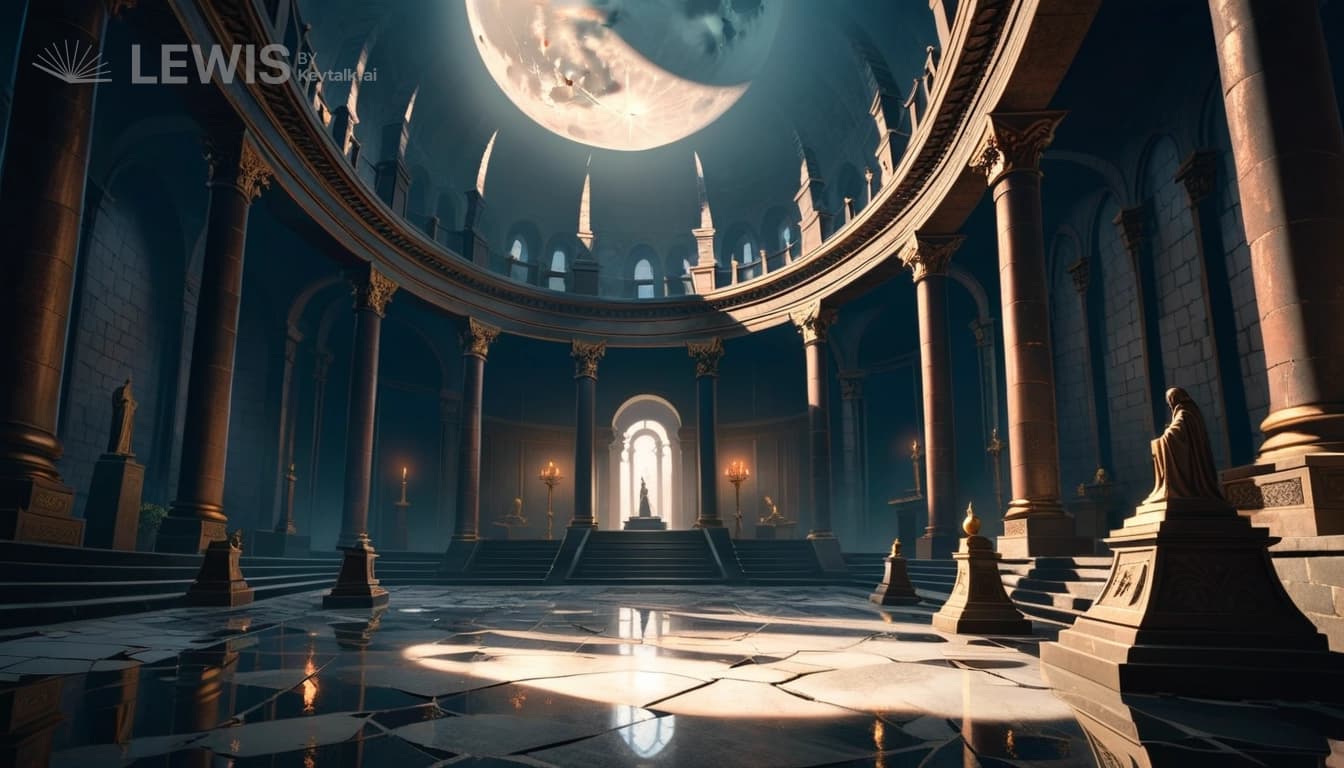
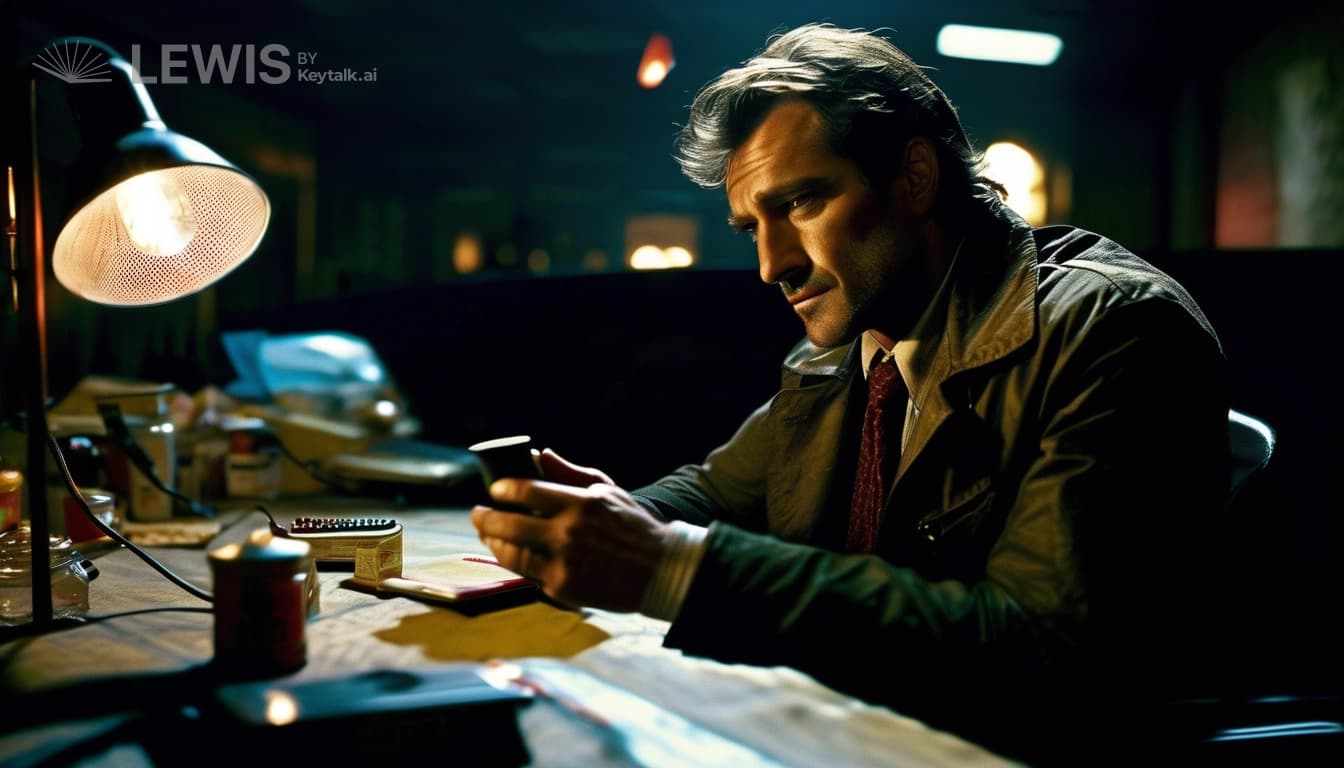
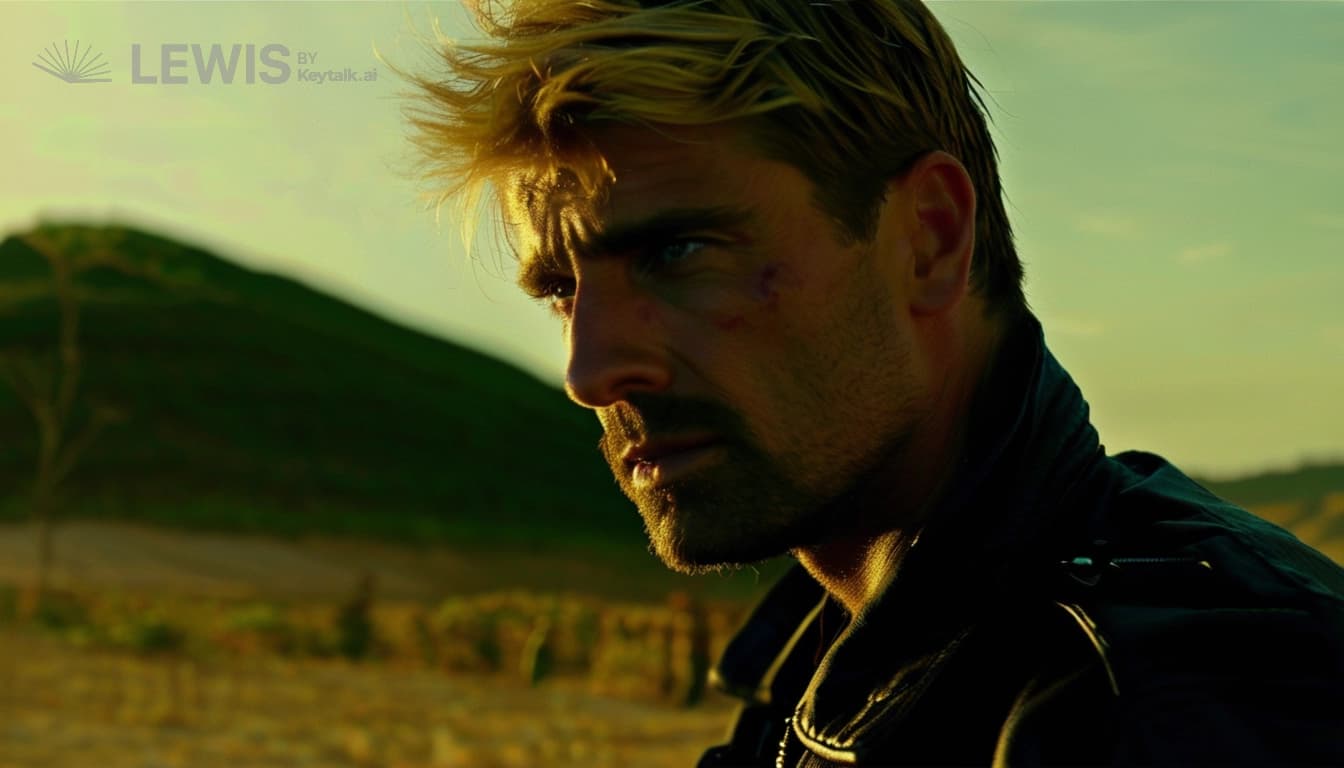
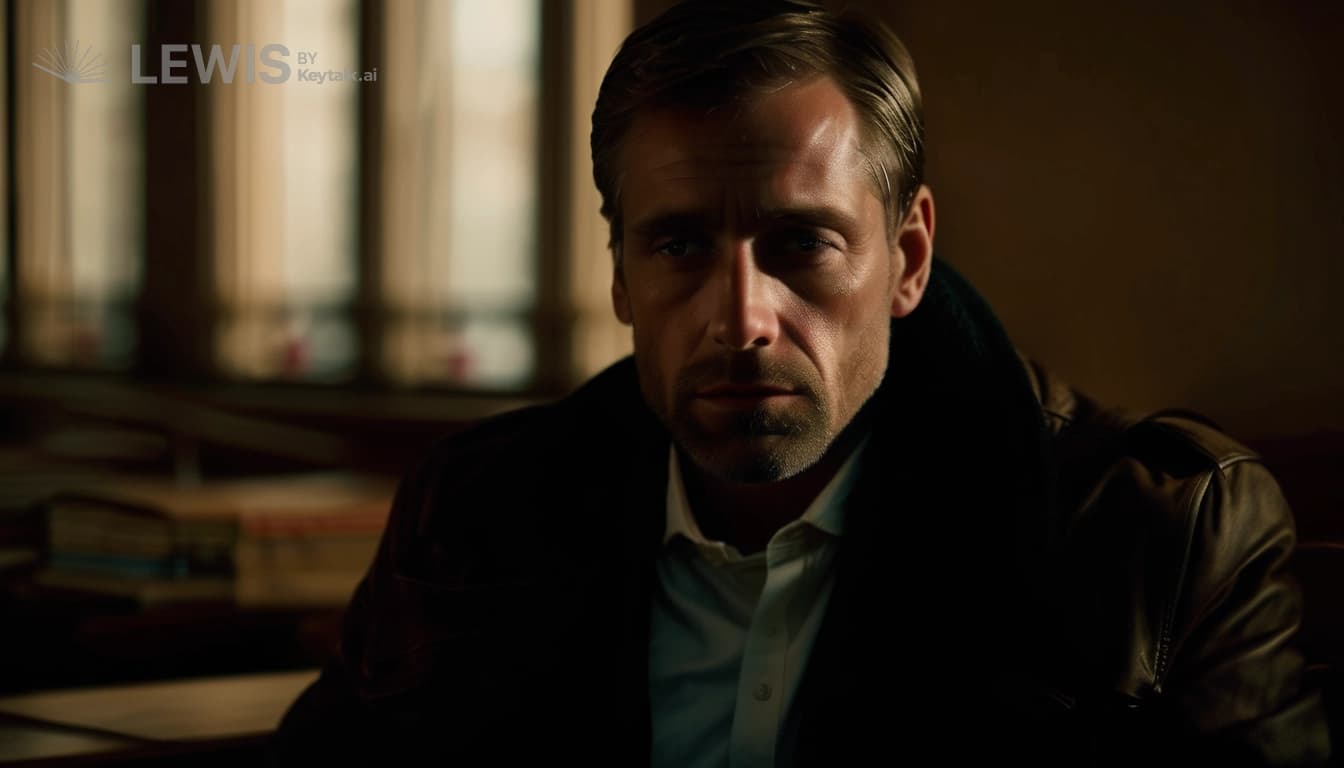
Cassian Blackwell slips through the marble corridors of the Empire’s decaying spiritual heart, his mind a vault of forbidden scriptures encoded as living memories. Each night he parses, decrypts, and trades these sacred fragments with desperate intellectuals and exiled heretics—people who crave clarity in a civilization addicted to artifice. His obsession is simple: to rescue uncorrupted truth from oblivion, even as every deal risks exposing his identity and the fragile network he sustains. Cassian’s motivation is haunted by the loss of his mother, her mind erased for heresy, and the ritual scars that mark him as a survivor rather than a martyr. The Empire’s new dogma demands that memory itself be policed; every gesture, every word, every glance is a potential prayer—or a betrayal. Cassian’s choices are shaped by the desperate urge to distinguish mercy from manipulation, even as he trades in memories that might ignite either quiet awakening or utter annihilation.
Severina Ashcroft, the Empire’s Inquisitor of Sacred Cognition, is Cassian’s unlikely nemesis and his most alluring conspirator. Their first encounter is a collision of wit and philosophical rivalry: Severina interrogates Cassian under the pretense of doctrine, but her questions are riddled with double meanings, inviting him to reveal more than he intends. Severina is driven by a fierce loyalty to structure, a compulsion to parse truth from deception—yet the trauma of her mother’s execution for heresy gnaws at her intellectual certainty. She’s publicly unshakable, privately obsessed with the possibility that memory itself might be a lie. Severina’s motives refract with the moods of the court; one moment she’s the Empire’s architect of repression, the next she’s subtly aiding Cassian’s escape from a memory raid, her storm-grey eyes flickering with empathy. Their relationship is transactional, fraught with wary attraction and a rivalry so intense it borders on intimacy—each sees in the other a mirror for their own hunger for clarity.
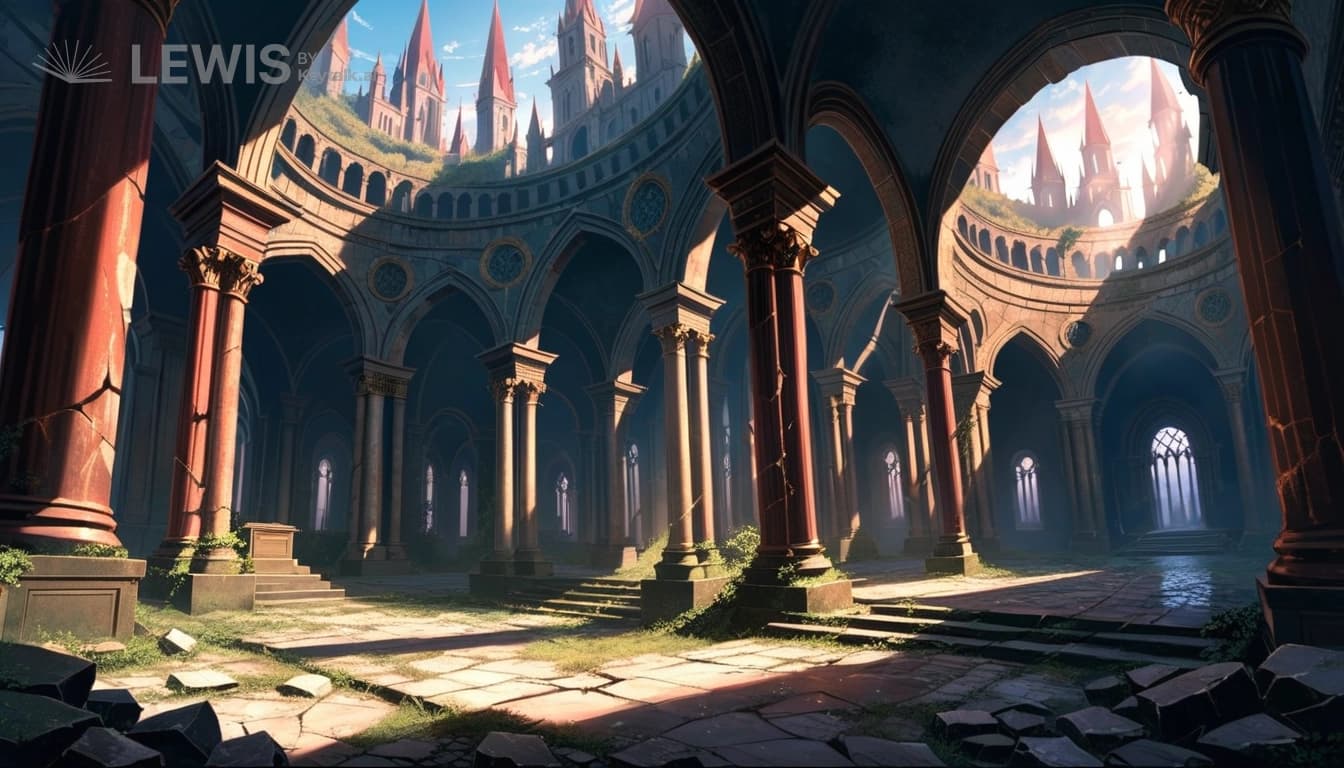
Faris Sokolov, Cassian’s sidekick and the Empire’s exiled architect, is the linchpin for navigating the labyrinthine underbelly where illicit memories are traded. Faris’s motivation is rooted in reverence for spatial integrity—every map they draw, every passage they reveal, is an act of restoration, a fight against imperial surveillance and the corrosion of meaning. Their relationship with Cassian is a dance of mutual dependence: Faris tempers Cassian’s impulsive clarity with architectural caution, tracing invisible sigils on stone walls even as Cassian pushes for riskier transactions. Faris’s greatest conflict is the knowledge that each sanctuary they build could become a blueprint for betrayal; their philosophy, shaped by years of constructing sanctuaries for saints and heretics alike, is that every space contains echoes of both salvation and ruin.
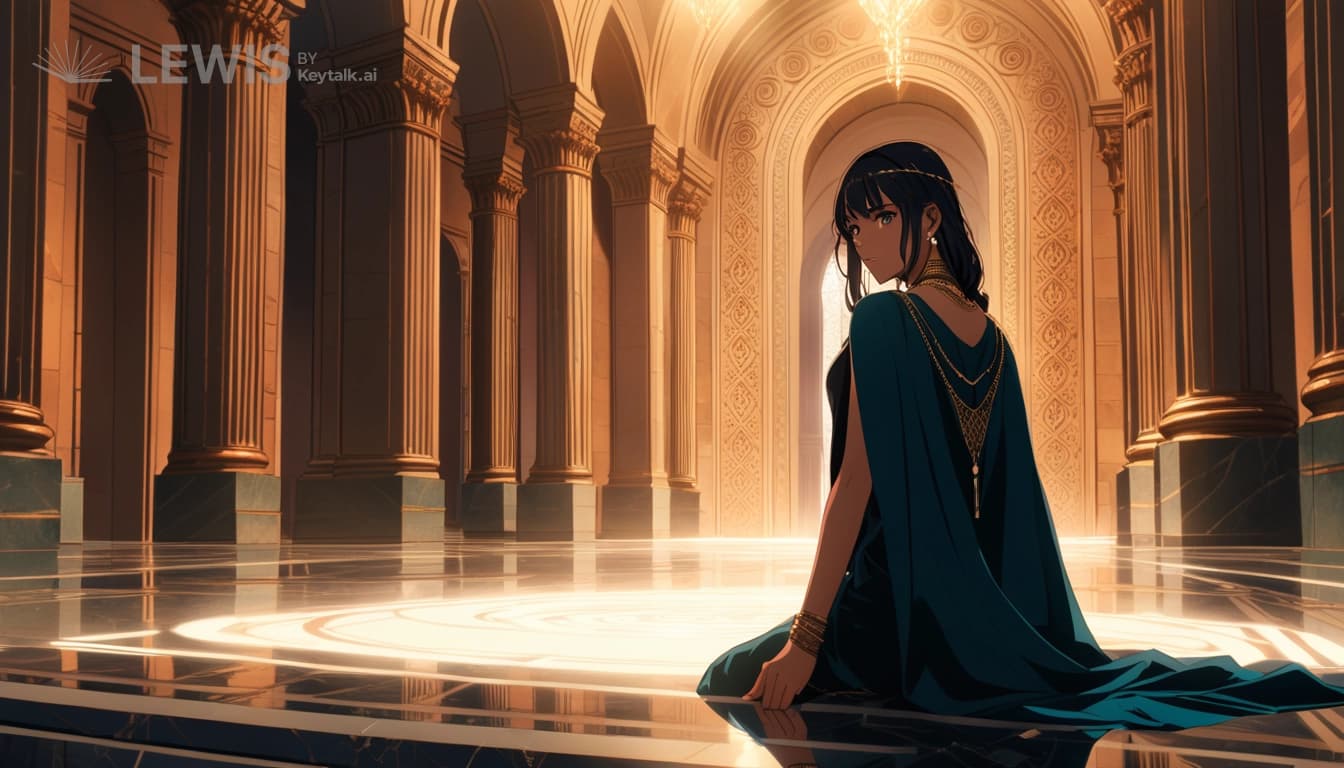
The plot accelerates when Cassian uncovers a memory—encrypted within his own mind—that contains a prophecy of the Empire’s spiritual collapse. This scripture, if decoded and shared, could awaken the populace or trigger annihilation. Severina, tasked with rooting out such heresies, discovers Cassian’s secret and confronts him in a marble chamber where every word is a parable. Instead of arresting him, she proposes an alliance: together, they will decide whether to disseminate the prophecy, weighing the cost of mercy against the dangers of manipulation. Faris, meanwhile, drafts escape routes and hidden sanctuaries for the outcasts whose minds Cassian has rehabilitated. The trio’s choices ripple outward—Severina’s loyalty is tested as her own dreams begin to bleed into forbidden recollections, Faris’s maps become the battleground for imperial surveillance, and Cassian’s pursuit of clarity threatens to unravel the fragile trust between them.
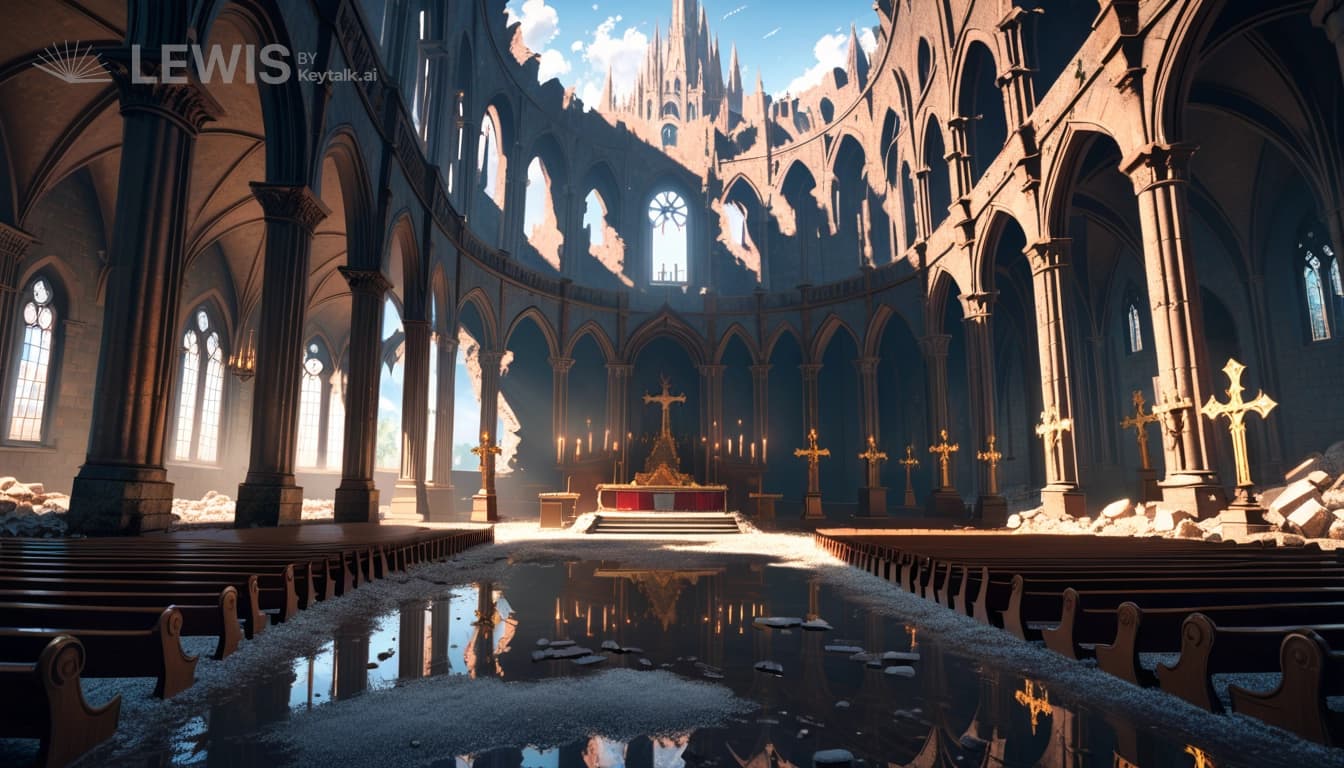
As the Empire’s zealots tighten their grip, every chapter delivers immediate satisfaction: witty exchanges charged with double meanings, philosophical debates that carry the weight of spiritual warfare, and narrow escapes through crumbling marble corridors. The emotional stakes escalate—Cassian must choose between exposing the prophecy for a chance at awakening or protecting Severina and Faris from the consequences of his obsession. Severina, torn between doctrine and empathy, risks her position to shield Cassian, while Faris’s sanctuaries become the last refuge for those marked for erasure. The Empire’s addiction to artifice is challenged at every turn; readers are rewarded for picking up on coded metaphors, architectural clues, and the hidden parables embedded in dialogue.
In the climax, Cassian and Severina orchestrate a public exchange—a memory encoded as a mosaic, displayed in the Empire’s central archive. As the crowd deciphers the forbidden scripture, the empire teeters on the brink: some awaken, others descend into violence. Severina is exposed as a conspirator and faces execution, but Cassian intervenes, sacrificing his own clarity by allowing his memories to be

























Comments
Comments · 0