본문으로 건너뛰기
The Rum King's Ruin cover image

The Rum King's Ruin

A ruthless billionaire, patriarch of a Puerto Rican rum dynasty, orchestrates his children's lives like a corporate takeover. When his youngest, a gifted musician, falls for a rival family's heir, the patriarch must confront whether his empire is worth the symphony of familial discord he has composed, or risk a legacy built on secrets and sabotage collapsing into a cacophony of ruin.

주간 랭킹

rank icon image
#2 Genre
rank icon image
#3 Genre
rank icon image
#6 Genre
스크롤

줄거리

The grand, oppressive symphony of the Reyes family begins with a single, dissonant chord: Santino Reyes, the family’s musical prodigy, playing his cello not in Carnegie Hall as his father demands, but in a grimy San Juan speakeasy called El Murciélago. It’s here, under the watchful, pragmatic eye of his best friend, the bar’s head mixologist Roxy Velez, that Santino escapes the gilded cage of his life. His father, Ignacio Reyes, the formidable patriarch of the Reyes Rum dynasty, views Santino’s artistic pursuits as a personal affront, a weak link in the chain of command he has forged for his children. The story ignites when a beautiful, enigmatic stranger named Isabella walks into the bar. She is captivated not by the Reyes name, but by Santino’s mournful, passionate music. An immediate, electric connection forms between them, a whirlwind romance built on shared artistic sensibilities and a mutual feeling of being an outsider. For Santino, Isabella is the melody he’s been searching for, a love that feels pure and separate from his father’s transactional world. The affair is intoxicating and secret, until Ignacio, who has his youngest son perpetually watched, uncovers the truth with a single, devastating phone call: Isabella is Isabella Moreno, the sole heir to the Moreno family, the Reyes’ most bitter and long-standing rival in the rum trade.

The revelation turns Santino’s romance into an act of war. Ignacio, incandescent with rage, sees this not as love but as a corporate and familial betrayal of the highest order. He summons Santino to the family estate, a fortress-like hacienda overlooking the cane fields, and delivers an ultimatum: end the relationship with the Moreno girl immediately, or be cut off completely—no penthouse, no trust fund, no access to the family name. For the first time, Santino doesn’t just passively resist; he openly defies his father, fueled by his love for Isabella and a lifetime of simmering resentment. He chooses Isabella. This act of rebellion sends shockwaves through the family, delighting his power-hungry older siblings who see an opportunity to climb the corporate ladder. Santino, now truly on his own, moves into a cramped apartment above Roxy’s bar. His relationship with Isabella deepens, becoming a defiant stand against their warring families. They dream of a future together, one where their names don't matter, funded by Santino’s music and her own quiet ambitions, a fantasy Roxy constantly punctures with her signature brand of cynical realism.

Ignacio, refusing to be defied, escalates his campaign of control into a full-blown B-movie villain plot. He doesn't just want to break them up; he wants to obliterate the Moreno family entirely. He initiates a series of ruthless, borderline-illegal business maneuvers: he poaches the Moreno’s master distiller with an outrageous offer, launches a smear campaign questioning the quality of Moreno rum, and uses his political connections to mire their shipping routes in bureaucratic red tape. The pressure mounts on Isabella’s family, and consequently, on her relationship with Santino. She finds herself torn between her love for him and her loyalty to her own family, who now see him as the living embodiment of their ruin. The lovers’ secret meetings become fraught with tension, the idyllic romance poisoned by the ugly reality of their legacy. Santino, desperate to prove his love is separate from his father’s war, tries to help, using his insider knowledge to warn Isabella of Ignacio’s next move, a decision that solidifies his status as a traitor in his own home.

The conflict reaches a fever pitch during San Juan’s annual "Noche de Ron" festival, a city-wide celebration of the island’s signature spirit. Ignacio plans to use the festival’s main tasting competition as the stage for his final, crushing victory over the Morenos. Roxy, using the network of gossip and secrets she gathers from her bar patrons, uncovers Ignacio's trump card: he has secretly developed a new, revolutionary aging process using a rare, local wood, creating a rum so exquisite it's guaranteed to win the competition and bankrupt the Morenos. But she also overhears a more sinister secret, a piece of Reyes family lore that Ignacio has buried for decades. She learns that the original, award-winning Reyes rum recipe—the very foundation of the empire—wasn't created by Ignacio's father, but stolen from the Moreno patriarch’s grandfather in a crooked card game generations ago. The entire Reyes legacy is built on a lie. Roxy, seeing her chance to protect Santino and level the playing field, tells him everything.

Armed with this devastating truth, Santino confronts Ignacio not in a boardroom, but on the grand stage of the Noche de Ron, just moments before the final judging. In a move of shocking theatricality, he interrupts the ceremony, taking the microphone not to play his cello, but to confess his family’s original sin to the assembled press and industry elite. He exposes the stolen recipe, framing his father’s entire life’s work as a fraud built on a generations-old theft. The ensuing chaos is immediate and spectacular. The festival erupts, the Reyes brand is thrown into disgrace, and Ignacio watches his meticulously constructed empire crumble in a matter of minutes. In the ensuing pandemonium, Ignacio, his face a mask of pure, apoplectic fury, suffers a massive, non-fatal stroke, collapsing amidst the wreckage of his legacy. The image is stark: the titan of industry, felled not by a business rival, but by the quiet, artistic son he so thoroughly underestimated.

In the aftermath, the Reyes empire is in shambles, and Ignacio is left incapacitated, a silent king on a broken throne, able to watch but not to rule. Santino’s siblings, devoid of their father’s ruthless guidance, fall into bitter infighting, accelerating the company’s collapse. Santino, now a pariah to his own family, finds that his grand gesture did not save his relationship. Isabella, horrified by the public destruction and the confirmation that their families' feud was rooted in such a deep betrayal, cannot reconcile the man she loves with the chaos he unleashed. She leaves him, and Puerto Rico, to find a life free from the ghosts of both their families. The story ends with Santino back where he started, in El Murciélago, but changed. He’s alone, having lost both his family and the love of his life. Roxy pours him a drink, no "I told you so," just the quiet solidarity of a true friend. He picks up his cello, and begins to play a new composition—no longer mournful and melancholic, but a complex, ferocious, and deeply discordant piece. It’s the sound of a man who finally found his own voice, a cacophony of ruin and freedom, the true and terrible price of his rebellion.

스토리 상세

이런 키토크 프롬프트를 사용했어요.
전체보기
이런 AI 모델로 생성했어요
Gemini 2.5 Pro
텍스트
Stable Diffusion
이미지

캐릭터

주인공

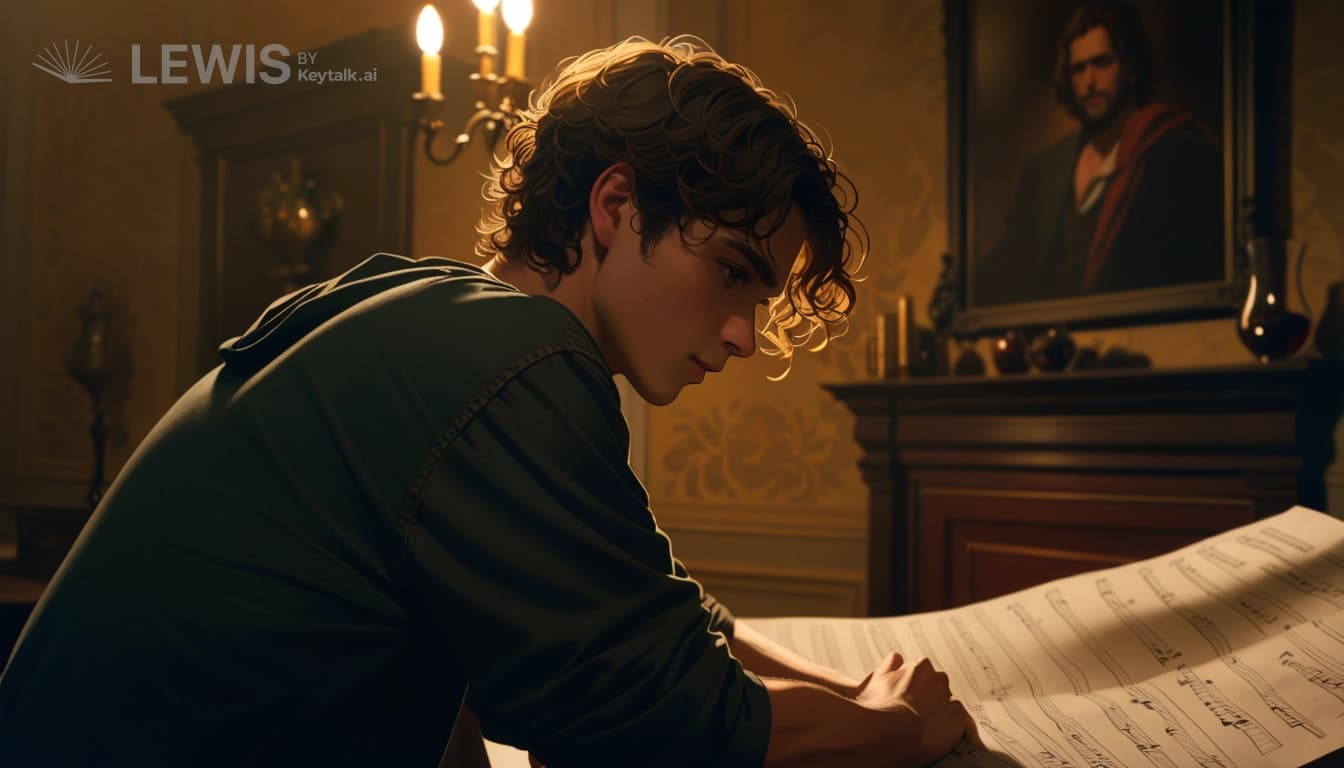
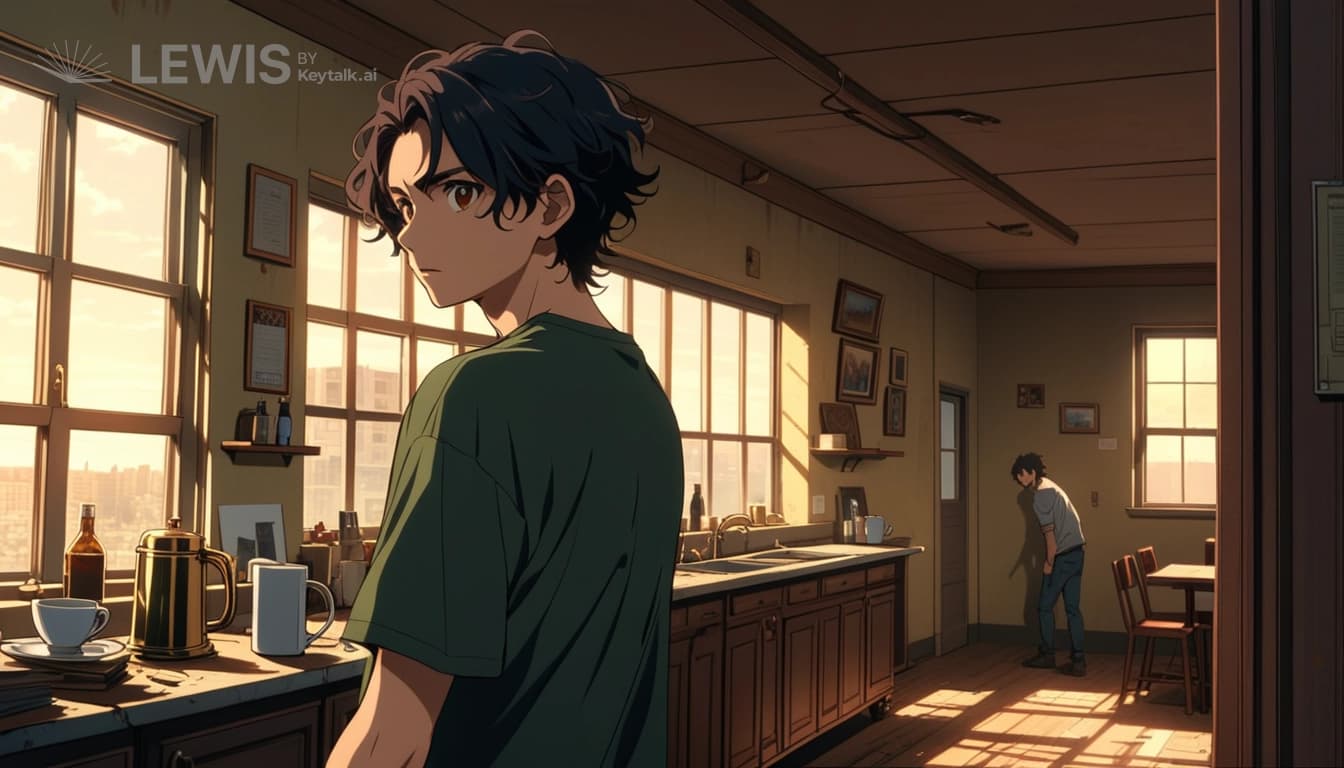
Santino Reyes

성별Male
직업Classical Cellist / Composer

프로필

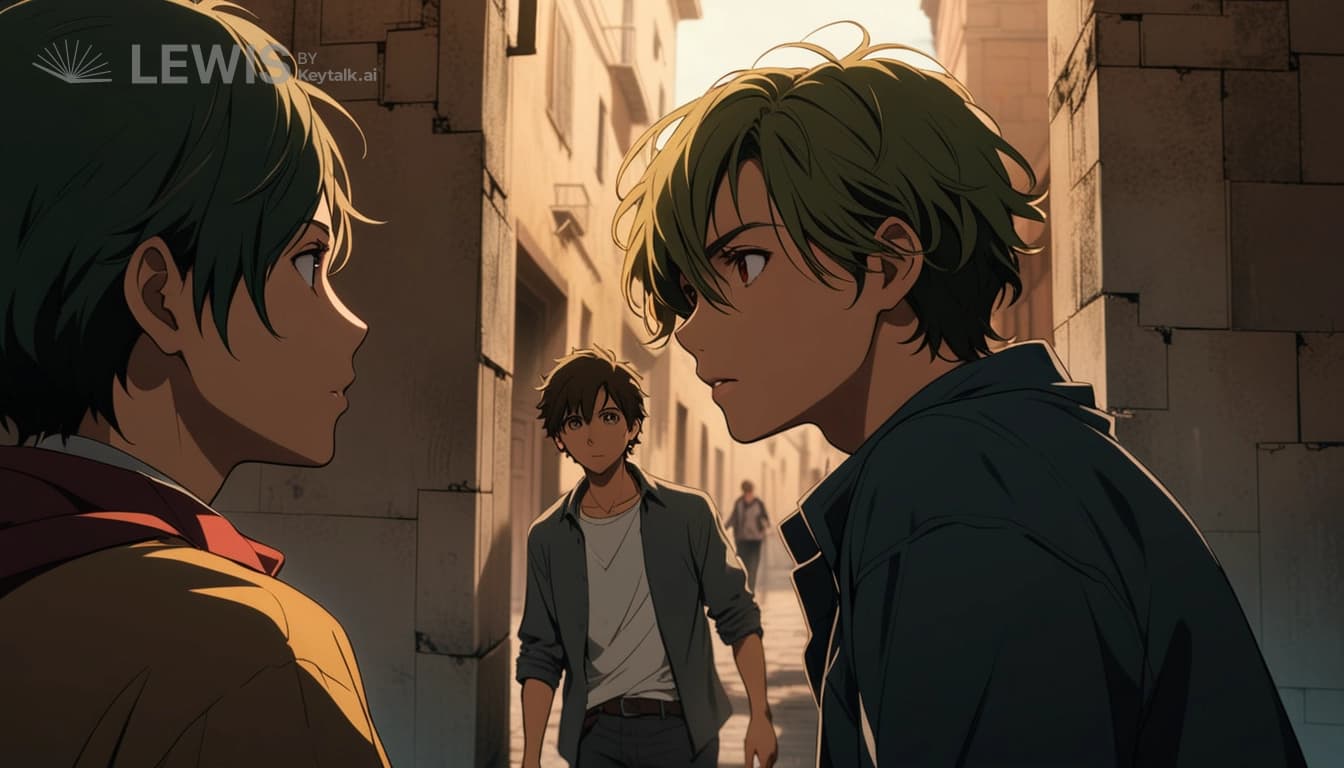
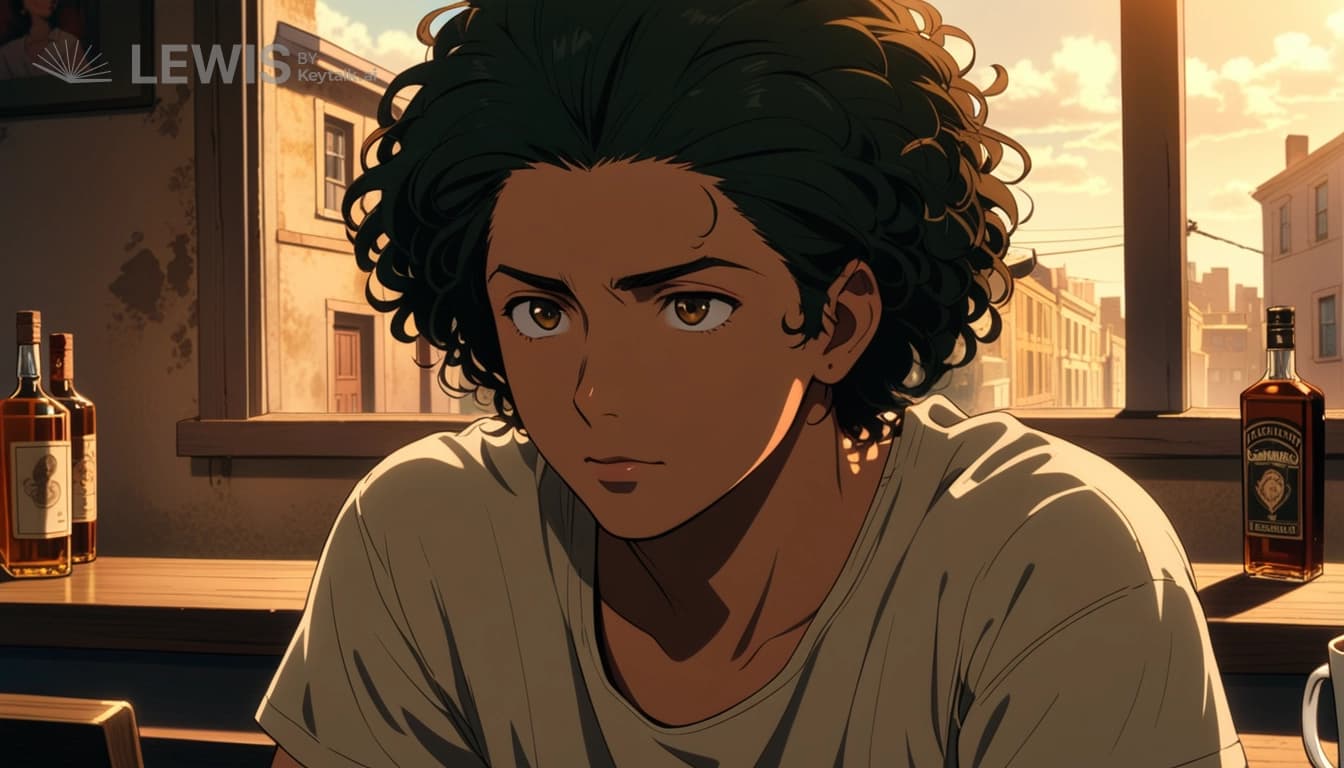
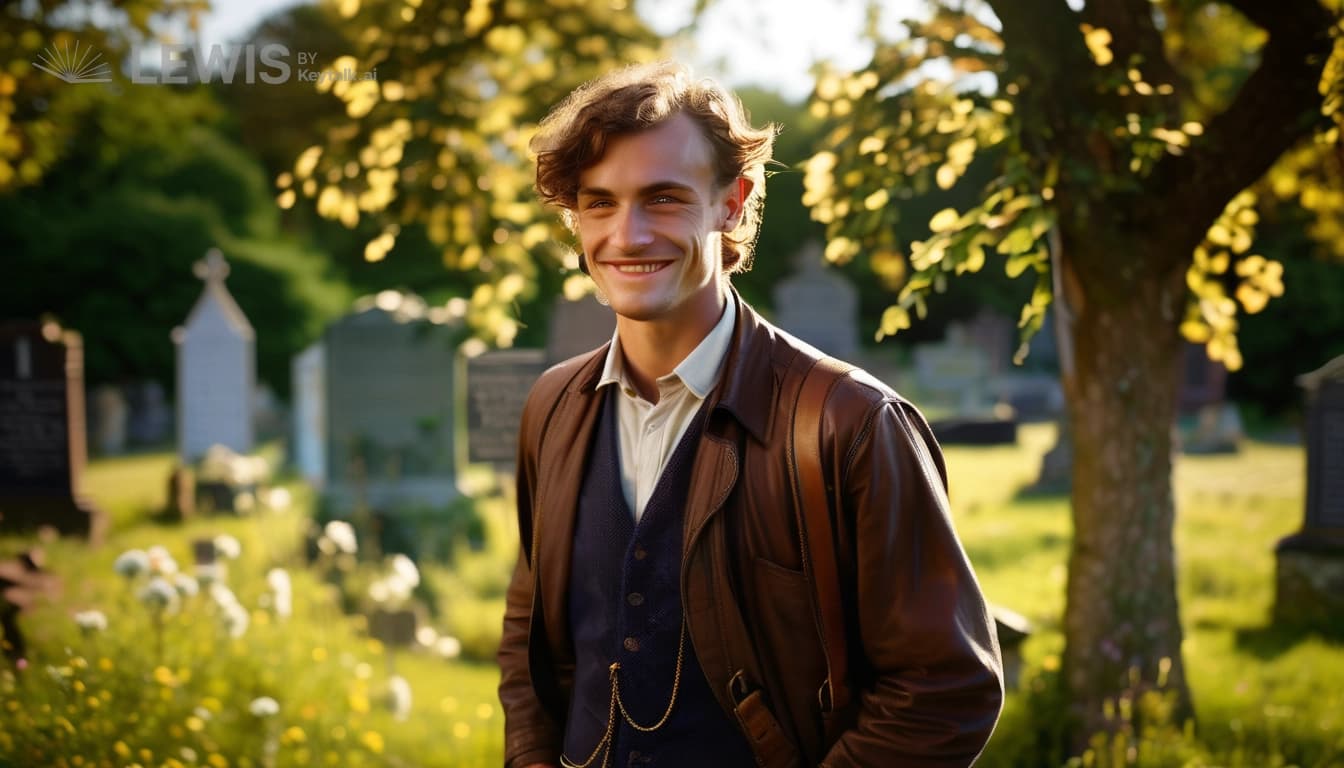
Santino Reyes is the discordant note in the ruthlessly orchestrated symphony of the Reyes rum empire. At twenty-four, he carries the weight of his family’s Puerto Rican legacy not in his blood but on his shoulders, a burden he actively shrugs off with every sweep of his bow across his cello. Standing a willowy 6’1”, his frame is all long, elegant lines, more suited to a concert hall stage than a corporate boardroom. His skin holds the warm, sun-kissed olive tone of his heritage, a stark contrast to the perpetually shadowed hollows under his large, expressive brown eyes—eyes that seem to absorb all the light in a room and reflect only melancholy. His dark, unruly curls, often falling into his face, are a constant source of familial disapproval, a physical manifestation of his refusal to be tamed. He dresses like a man who forgot money exists, favoring worn-out band t-shirts, soft, threadbare flannels, and jeans that have seen better decades, a uniform of deliberate non-conformity against his father’s world of bespoke suits. Santino’s hands are his most defining feature: long, slender, and calloused at the fingertips, they are the hands of an artist, not an heir. He speaks in a quiet, measured cadence, his English tinged with the soft, rolling R’s of his San Juan upbringing, often trailing off mid-sentence as if a more compelling melody has just occurred to him. He lives in a sprawling, rent-free penthouse his father provides, yet he treats it like a bohemian squat, a chaotic mess of sheet music, half-empty coffee mugs, and the lingering scent of rosin and expensive whiskey he pilfers from the family reserves. His entire existence is a passive-aggressive rebellion; he is a prodigy who composes achingly beautiful, complex pieces but refuses to pursue a mainstream career, choosing instead to play for sparse crowds in dimly lit jazz clubs, a quiet “fuck you” to the grand destiny his father, the maestro of manipulation, has written for him. Santino’s fatal flaw is his romantic, almost naive belief that true beauty and connection can exist outside his father’s transactional world, a belief that is about to be tested in the most dramatic key imaginable.
적대자

Ignacio Reyes

성별Male
직업CEO of Reyes Rum & Spirits

프로필

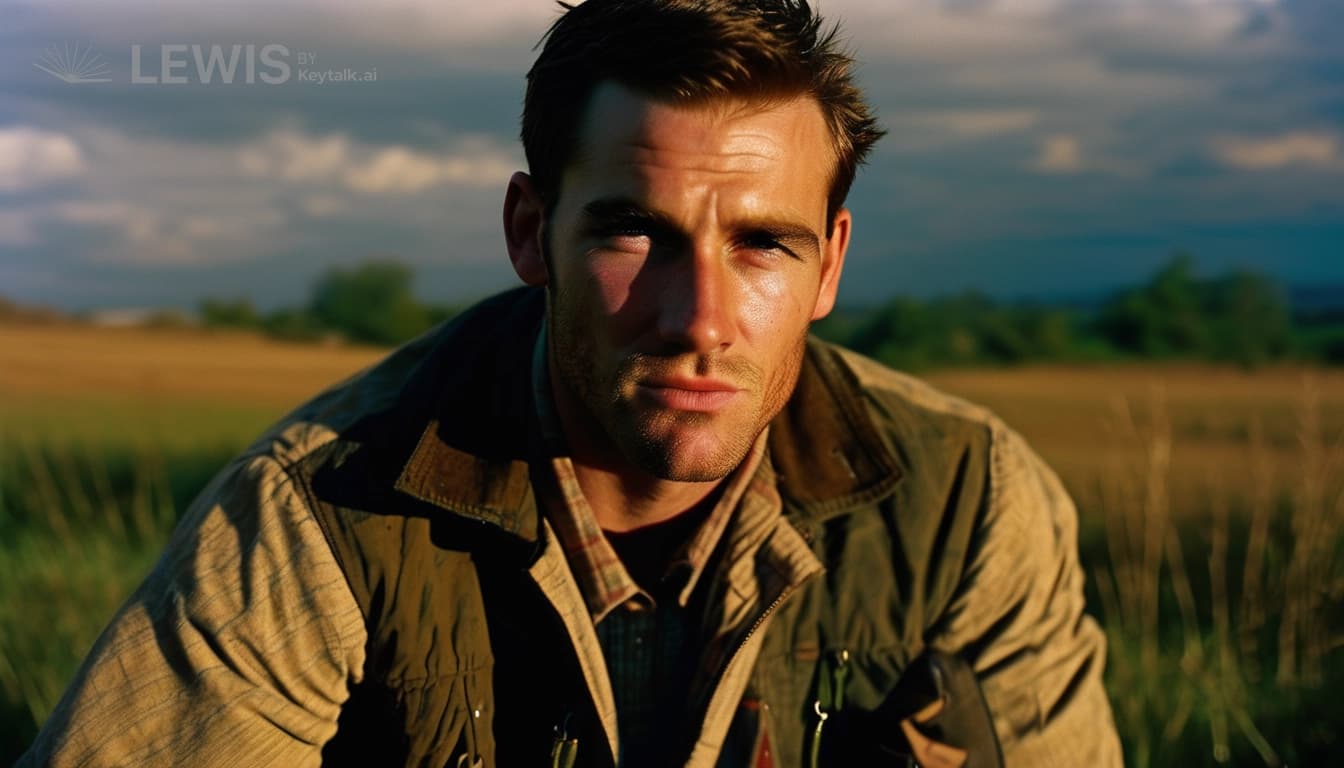
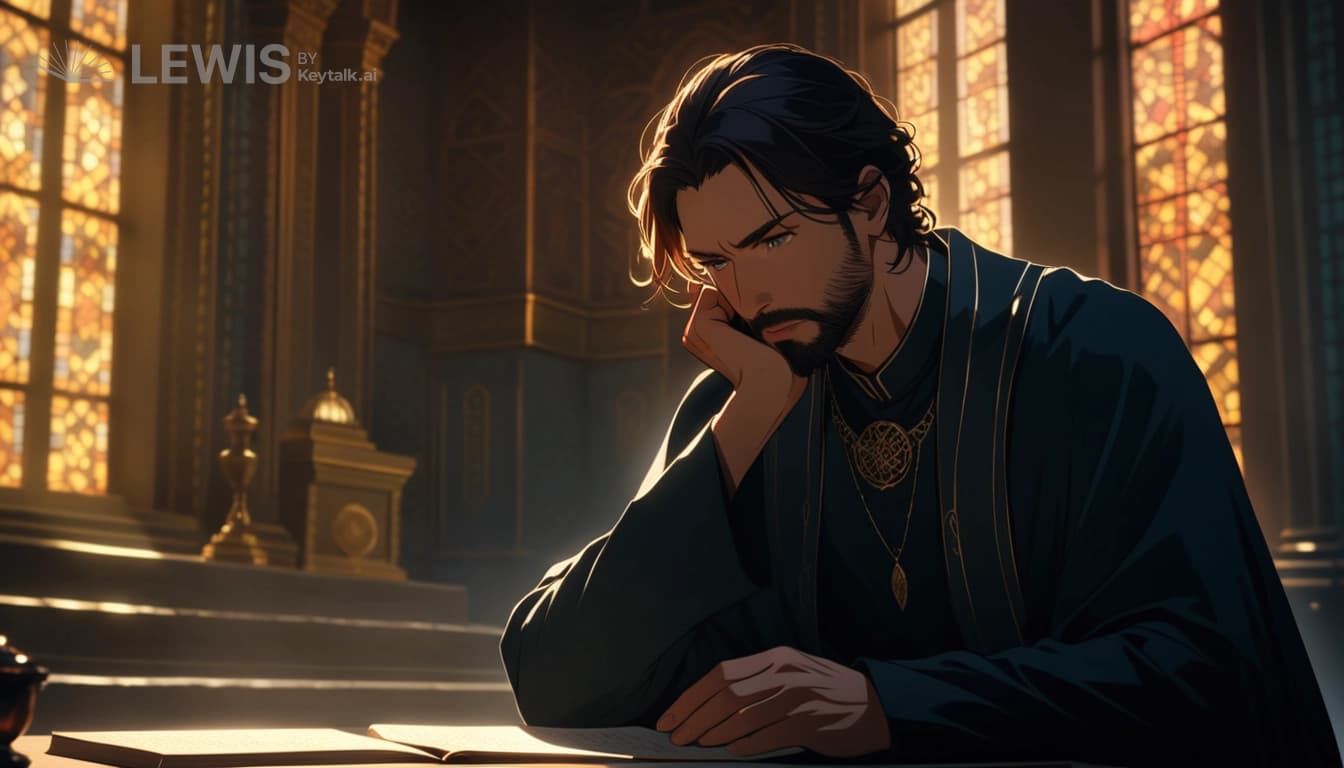
Ignacio Reyes, the 68-year-old titan behind Reyes Rum & Spirits, is a man carved from sugarcane and ambition, his presence as potent and lingering as the oldest añejo in his private reserve. He carries his six-foot frame with the unyielding posture of a man who has never once considered the possibility of bending, his shoulders broad under the impeccable tailoring of his custom linen guayaberas, always in shades of ivory or pale sand. His skin, a deep, sun-leathered bronze from a lifetime under the Puerto Rican sun, is a roadmap of scowls and hard-won smiles, etched with fine lines around eyes the color of dark molasses that miss nothing. A thick, perfectly coiffed mane of silver hair is swept back from his high forehead, a regal crown for the self-made king of San Juan’s most powerful dynasty. Ignacio’s voice is a low, gravelly baritone, a permanent fixture in boardrooms and family dinners alike, capable of cutting through dissent with the sharp, clipped cadence of a man whose time is more valuable than anyone else’s. He speaks a precise, corporate English, but when agitated, his native Spanish bleeds through in rapid-fire, percussive bursts. His defining physical trait is his hands—large, calloused, and surprisingly strong, adorned only by a heavy gold signet ring bearing the Reyes family crest. They are the hands of a man who clawed his way up from the cane fields, a past he simultaneously romanticizes in company lore and despises in private, and they are always in motion, either gesturing with imperious finality, drumming impatiently on a mahogany desk, or wrapping around a glass of his own rum, which he sips with a critic’s discerning dissatisfaction. He sees his children not as individuals but as assets, strategic pieces in the grand, multi-generational chess game of his legacy, and his core motivation is a paradoxical blend of fierce familial pride and a cold, transactional view of love, believing that the greatest inheritance he can provide is not affection, but dominance. His fatal flaw is his inability to distinguish between control and care, a blindness that has turned his family home into a gilded cage and set the stage for the rebellion he is utterly unprepared to face.
조연

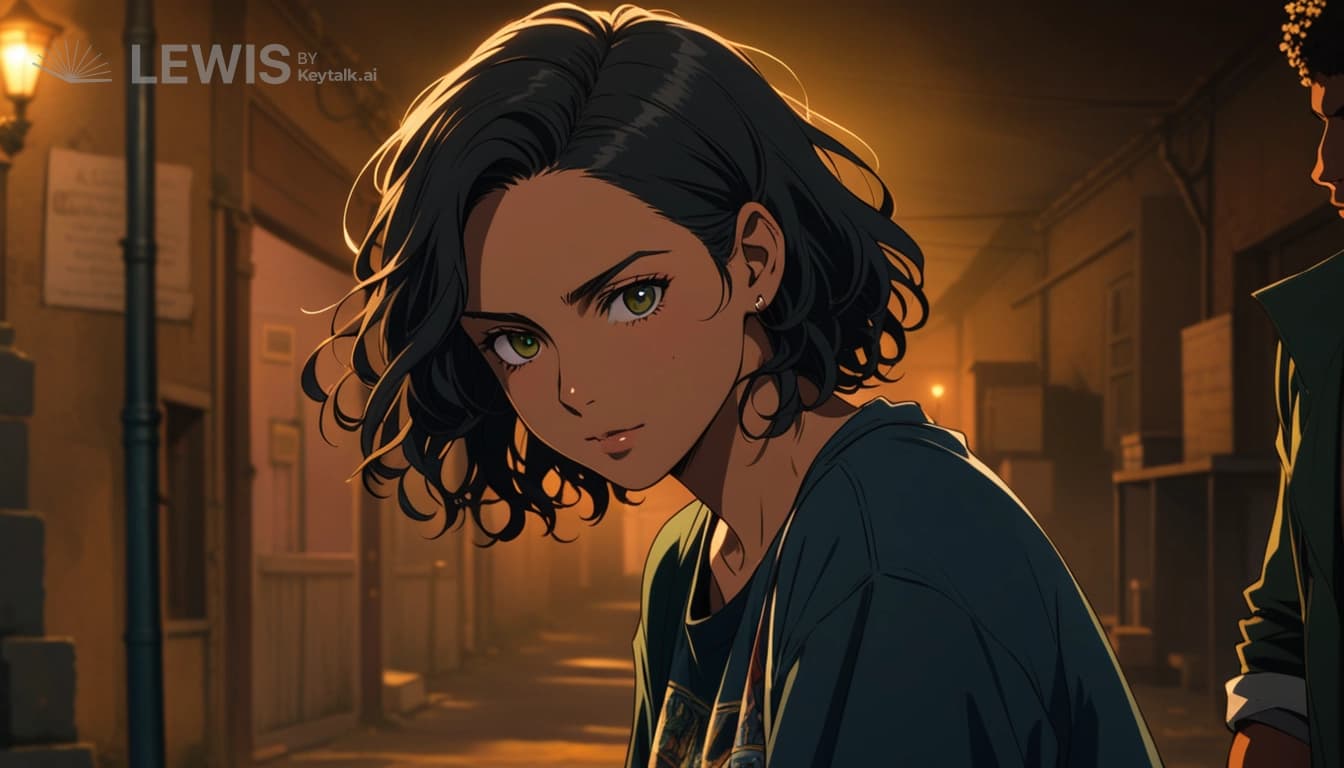
Roxana "Roxy" Velez

성별Female
직업Bartender / Mixologist at a speakeasy

프로필

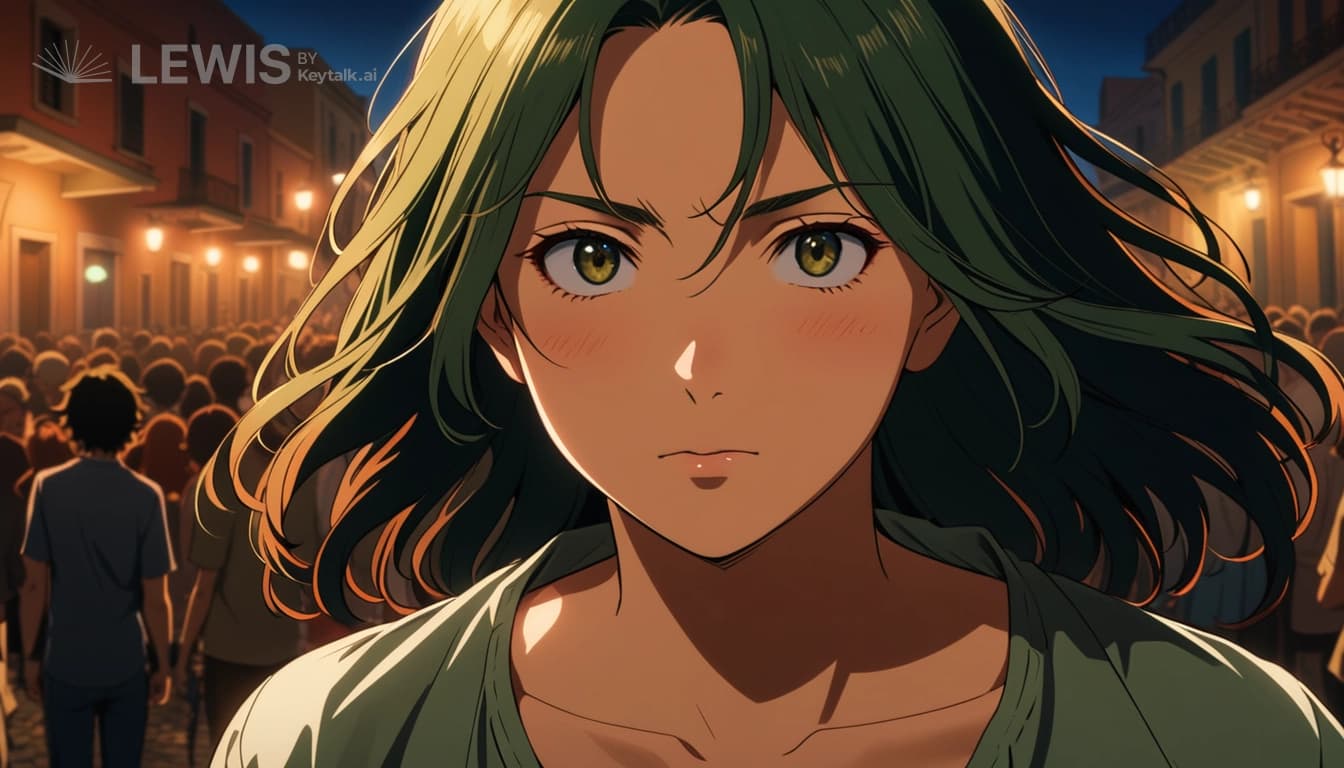
Roxana "Roxy" Velez is the kind of woman who looks like she was born with a cocktail shaker in one hand and a lit cigarette in the other, a permanent smirk playing on her lips as if she knows the punchline to a joke the rest of the world hasn't heard yet. At twenty-nine, she’s the head mixologist at "El Murciélago," a grimy but beloved speakeasy tucked away in Old San Juan, a place that smells perpetually of spilled rum, lime, and desperation. Standing at a solid five-foot-eight, Roxy has a sturdy, athletic build honed by years of slinging drinks and, more often than not, breaking up fights. Her Afro-Boricua heritage is evident in her warm, dark-brown skin and the glorious, untamable cloud of tight, coily black hair she usually corrals into a high puff that seems to defy gravity. Her face is a study in sharp angles—high cheekbones, a strong jaw, and intelligent, almond-shaped eyes that miss nothing—all softened by a full mouth often stained with a deep burgundy lipstick. A thin, silvery scar cuts through her left eyebrow, a memento from a bottle-throwing incident she insists she won. Roxy's style is pure, unapologetic rockabilly-meets-bar-rat: high-waisted, cuffed jeans, vintage band t-shirts stretched taut across her chest, and a worn leather jacket covered in patches from punk bands and rum distilleries. She's Santino's unofficial older sister and confidante, the one person he can vent to without judgment, and her loyalty to him is fierce and absolute, forged in the fires of a shared, less-than-glamorous upbringing before the Reyes family fully ascended. Her worldview is brutally pragmatic, shaped by a life of making her own way; she believes in cash, loyalty, and the kind of truth you can only find at the bottom of a well-made drink. While Santino dreams in musical notes and romantic ideals, Roxy operates in the currency of favors, street smarts, and knowing precisely who owes whom. Her speech is a rapid-fire, Spanglish-laced patter, blunt and peppered with the gallows humor of someone who’s seen it all. She has zero patience for the high-society drama of the Reyes and their rivals, viewing Ignacio not as a powerful patriarch but as an old man who’s forgotten that real power isn't in a boardroom, but in the secrets people whisper to a bartender after their third drink. Her core motivation is simple: protect Santino, the kid with the cello and the dangerously soft heart, from a world she knows will eat him alive if he lets it, and maybe, just maybe, save enough money to one day open a bar of her own, far away from the dynastic bullshit that threatens to drown them all.

세계관

Location/Time, Era:
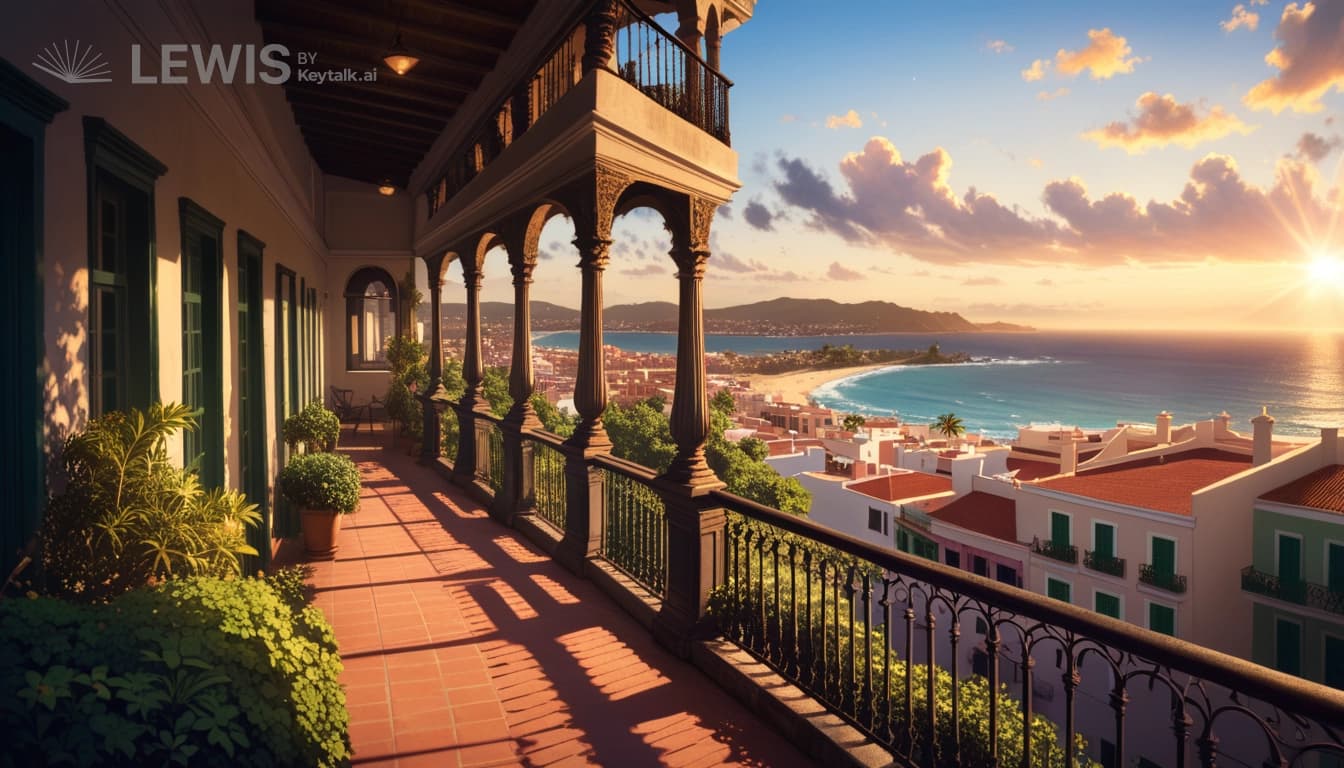
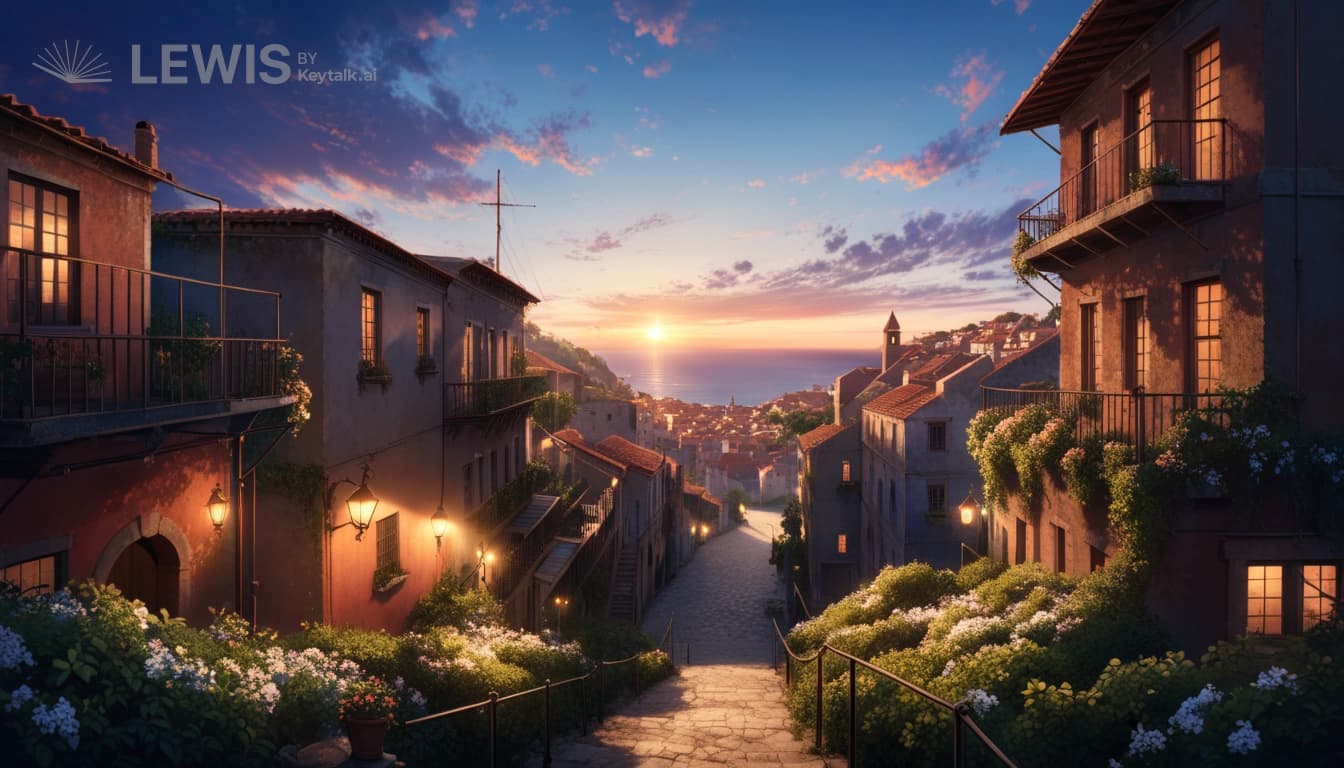
The story unfolds in modern-day San Juan, Puerto Rico, a city of vibrant, stark contrasts that mirrors the family's internal conflict. The narrative world is sharply divided between the sun-bleached, historical elegance of Old San Juan, with its blue cobblestone streets and colonial facades, and the sleek, glass-and-steel towers of the Condado and Hato Rey financial districts where corporate warfare is waged. This duality is the very air the characters breathe: the ancient, romantic history of the island clashing with the relentless, unsentimental march of global capitalism. The action oscillates between these two poles—from the shadowy, intimate corners of a speakeasy in a centuries-old building to the sterile, panoramic views of a high-rise boardroom, creating a sense of a city at war with itself. The sweltering, humid Caribbean climate is a constant, oppressive presence, mirroring the simmering tensions and high-stakes drama, where a sudden tropical downpour can feel as dramatic and cleansing as a burst of long-suppressed emotion.

Key rules of the world and their impact on the story and beyond:
In the high-stakes world of Puerto Rican rum dynasties, "La Sangre Llama" (The Blood Calls) is the unspoken, cardinal rule, a cultural mandate that demands absolute loyalty to family above all else—law, love, and personal ambition. This principle turns Santino’s love for Isabella from a simple romance into an act of high treason, as loving a Moreno is a direct violation of the blood feud. A secondary rule is the "Pacto del Azúcar" (The Sugar Pact), an old, informal agreement among the legacy rum families to never directly poach each other’s master distillers, who are seen as sacred artisans. Ignacio breaking this pact is the narrative’s inciting incident of open war, a shocking breach of tradition that signals his willingness to burn down the old world to secure his dominance. Finally, the unwritten law of "La Deuda de Sombra" (The Shadow Debt) governs the island's underbelly, where favors and secrets, like those collected by Roxy at her bar, are a more potent currency than money, allowing characters without corporate power to wield significant influence and manipulate events from the margins.

Visual depiction of the world and its unique features:
The world is a B-movie canvas painted in hyper-saturated colors: the lurid turquoise of the ocean against the crumbling, pastel-painted walls of Old San Juan, and the blinding white of Ignacio’s palatial hacienda, "La Fortaleza," which looms over the emerald-green sugarcane fields like a monument to avarice. Inside the Reyes empire, everything is branded; the family crest, a stylized "R" entwined with a sugarcane stalk, is embossed on everything from Ignacio's signet ring and the heavy crystal tumblers to the leather seats of his private helicopter. In stark contrast, El Murciélago is a cavern of shadows and secrets, its walls stained with decades of spilled rum and its only light coming from flickering candles stuck in old liquor bottles and the lurid neon glow of a bat-shaped sign. The visual clash is deliberate, representing the two worlds pulling at Santino: the sterile, sunlit prison of his father's ambition versus the grimy, authentic freedom he finds in the city's dark corners. This heightened visual style extends to the characters, with Ignacio's pristine ivory guayaberas and Santino's perpetually rumpled, dark clothing creating a stark, melodramatic tableau in every scene they share.

Notable technology, philosophy, or cultural elements influencing the world and narrative:
The central philosophy driving the conflict is a generational clash between Ignacio’s "Legacy as Dominion"—the belief that a father’s duty is to build an unconquerable empire for his children—and Santino’s emergent belief in "Art as Truth," the romantic ideal that pure, honest creation can exist outside of and even triumph over a corrupt system. Technologically, the world is modern, but Ignacio leverages it with old-school ruthlessness; he employs state-of-the-art surveillance to track Santino but relies on ancient, almost-forgotten agricultural secrets for his rum, like the rare "Ausubo Negro" wood for his revolutionary aging process. Culturally, the "Noche de Ron" festival is the story's crucible, a uniquely Puerto Rican event where the island's soul is put on public display. It's a bacchanal of tradition, commerce, and national pride, making it the perfect B-movie stage for Santino to expose his family's secret, weaponizing the island’s love for its heritage against the man who sought to corrupt it for his own gain.
representative image
location 1 image

로케이션 1

Title: The Clockmaker’s Vault Beneath Calle Luna
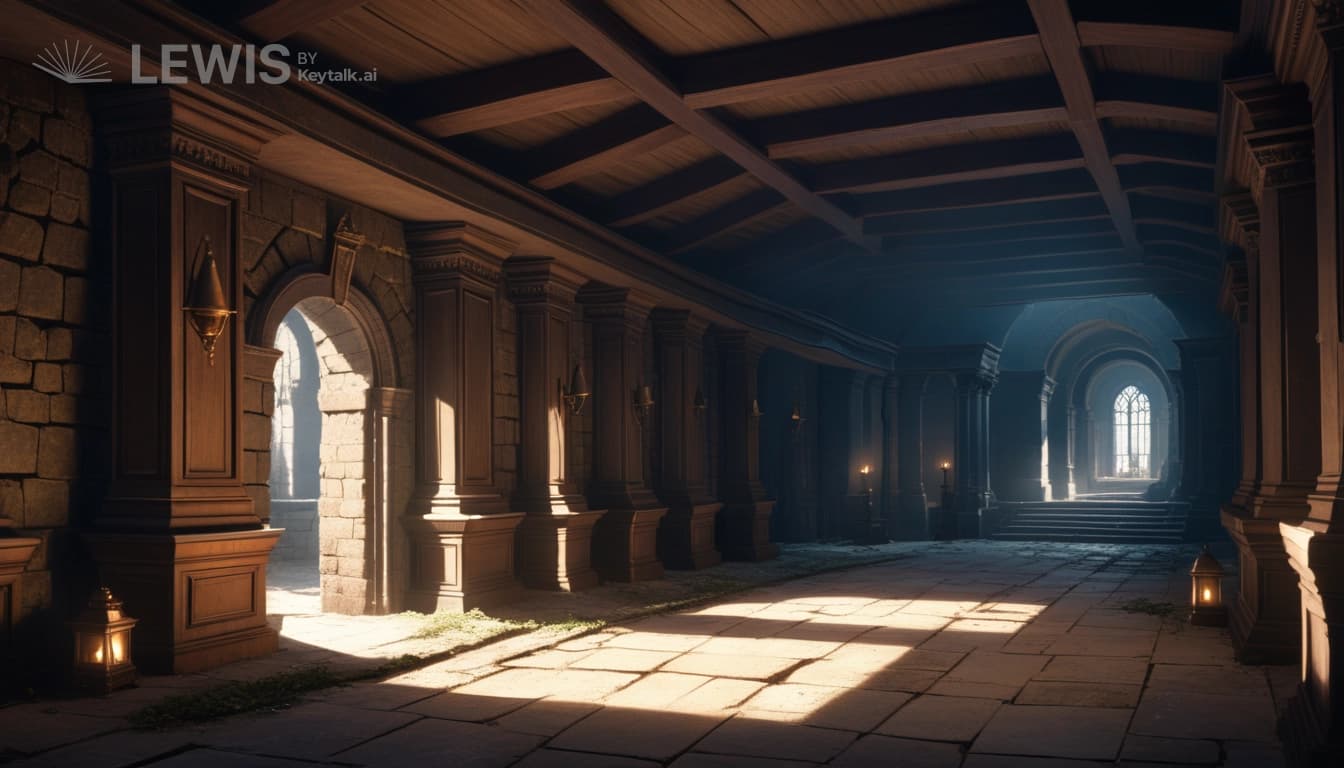
Description: Tucked behind a false wall in a forgotten watch repair shop, the vault is a secret kept by generations of Reyes rum masters, its air thick with the scent of ancient cedar, aged molasses, and Ignacio’s cold paranoia. Inside, rows of dusty, leather-bound ledgers containing a century of corporate espionage and family secrets sit beside a single, temperature-controlled humidor holding the original, stolen Moreno rum recipe. This is where Ignacio conducts his most sensitive business, a subterranean throne room where time itself seems to stand still, waiting for his command.
location 2 image

로케이션 2

- Title : The Rooftop Sanctuary of the Daughters of San Telmo
- Description : This hidden convent rooftop, reached only by a rusted fire escape, became Santino and Isabella’s clandestine world, a sacred space above the city’s noise where they could almost believe they were just two people in love. Amidst clotheslines strung with white linens that billowed like ship sails and terra-cotta pots overflowing with night-blooming jasmine, they traded whispered secrets and desperate kisses, their romance a fragile bloom against the backdrop of Old San Juan’s crumbling, watchful saints. It was here, with the warm salt air tangling in their hair and the distant sound of the sea a constant promise, that the ugly reality of their families’ war first poisoned their paradise, turning their sanctuary into a gilded cage with a breathtaking view.
location 3 image

로케이션 3

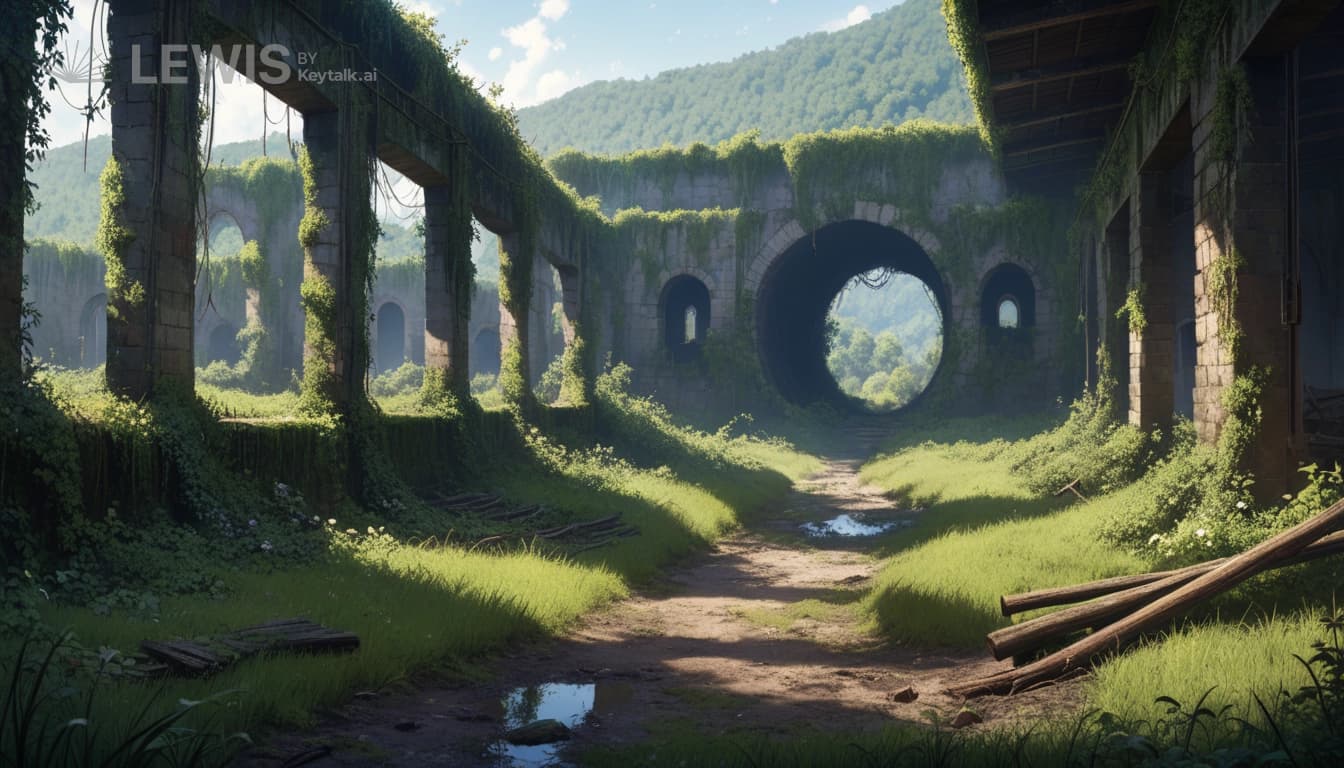
- Title : The Abandoned Ausubo Cooperage at the Edge of the Cane Fields
- Description : Tucked away where the manicured cane fields meet the wild jungle, the cooperage is a skeleton of rotting ausubo wood and rusted iron hoops, smelling of damp earth, fermented sugar, and the ghosts of forgotten secrets. It’s here, in this forgotten monument to the rum trade’s origins, that Roxy reveals the stolen recipe, the air thick with the very wood Ignacio is using to secure his legacy. The collapsing structure stands as a silent witness to the truth, a place where the foundation of an empire is exposed as nothing more than dry rot.

장면

1
scene 1 image
The Cellist’s Secret: Shadows and Smoke in El Murciélago
[Place] El Murciélago, a smoky, dim-lit speakeasy tucked behind a graffiti-tagged alley in San Juan
[Time] Late night, just past midnight; the bar is pulsing with the energy of locals and lost souls, the city’s heartbeat slowed to a fevered hush

[Action]
The scene opens with Santino hunched over his cello on a makeshift stage, his fingers moving with practiced urgency. The music isn’t pretty; it’s raw, bruised, and confessional, echoing through the bar’s haze and mingling with the clink of glasses and low murmurs. Roxy, behind the counter, watches Santino with a mixture of protectiveness and impatience, scanning the crowd for trouble and for anyone who might recognize the Reyes heir slumming it in her territory. Santino’s playing is interrupted when Isabella enters—her arrival unnoticed at first, but her presence soon draws the eyes of the room. She’s not a regular, her elegance out of place among the regulars, but she’s drawn in by the honesty of Santino’s music, not the myth of his family name.

Isabella’s fascination is palpable; she lingers near the stage, her gaze never leaving Santino. Roxy notices the connection and, wary of outsiders and heartbreak, keeps a close watch, ready to intervene if necessary. Santino senses Isabella’s attention, and the music shifts—he plays for her now, the notes becoming more vulnerable, more daring. The emotional current between them is immediate, electric, and quietly subversive. After his set, Santino and Isabella share a charged, intimate conversation in a shadowed booth, their chemistry laced with the thrill of anonymity and a shared sense of exile. Roxy interrupts at one point, offering a drink and her trademark blunt wisdom, warning Santino against getting too attached to a stranger. Santino bristles at her protectiveness, but their banter reveals the depth of their friendship and the tension between Santino’s yearning for connection and Roxy’s cynicism.

The scene ends with Santino torn: exhilarated by Isabella’s attention yet wary of what it might mean. Isabella leaves with a promise to return, her identity still a secret. Roxy quietly reminds Santino that every secret has a price in their world, hinting at the risks he’s courting. The bar empties, and Santino’s solitary figure remains on stage, the cello silent but his mind racing, the first chord of rebellion struck.

[Impact on the story]
This scene lays the emotional and thematic foundation for the entire story, establishing Santino’s desperate need for escape and authenticity. His connection with Isabella introduces the central romance, while Roxy’s presence grounds him in reality and foreshadows future conflict. The atmosphere of El Murciélago highlights Santino’s double life and sets up the tension between personal desire and familial duty. Santino’s choice to play for himself—and for Isabella—marks the beginning of his rebellion, making this encounter essential to the story’s progression.

[Description]
Santino plays cello in a San Juan speakeasy, seeking solace from his controlling family. He meets Isabella, sparking an immediate, forbidden connection, while Roxy warns him of the dangers ahead. The scene establishes Santino’s longing for freedom, the budding romance, and the stakes of secrecy that will drive the story.
2
scene 2 image
[Rum, Revelations, and Roxy’s Ultimatum]
[Place]
Roxy’s cramped apartment above El Murciélago; the bar itself, seen through the warped floorboards and flickering neon sign outside

[Time]
Early morning, hours after the speakeasy closes; the city is quiet, dawn just beginning to bleed into the sky

[Action]
Santino wakes on Roxy’s threadbare couch, having stayed late after his encounter with Isabella. Roxy brews bitter coffee, her mood sharper than usual—she’s already caught wind of rumors about a Reyes heir seen slumming it downtown. She confronts Santino about the risks he’s taking, pressing him for answers about Isabella and warning him that secrets in their world don’t stay hidden. Santino, defensive but still intoxicated by the previous night, reveals that Isabella is returning tonight, and admits he feels something real for her—a dangerous confession. Roxy pushes hard, making it clear that Santino’s double life can’t last, especially with his father’s reach. The conversation turns tense, with Roxy demanding Santino choose: embrace his freedom and accept the consequences, or retreat to the safety of his family’s expectations. Santino, torn, voices his resentment against Ignacio and his longing for a life of his own, but Roxy forces him to confront what “freedom” will actually cost.

Their argument is interrupted by a phone call from Ignacio’s assistant, a cold reminder of the family’s surveillance. Santino panics, realizing his father suspects something. Roxy doesn’t comfort him—she lays out the stakes: if Santino keeps seeing Isabella, he’ll lose everything except what he can build for himself. As the sun rises, Santino chooses defiance, telling Roxy he’s meeting Isabella again, no matter the cost. Roxy, frustrated but loyal, gives him an ultimatum: be honest with Isabella about who he is, or she’ll do it herself. The tension between loyalty and tough love thickens, setting up the collision course with Ignacio that will define Santino’s future.

[Impact on the story]
This scene deepens the stakes for Santino, forcing him to confront the reality of his choices and the immediate threat of his father’s control. Roxy’s ultimatum raises the emotional temperature, pushing Santino closer to open rebellion. The growing risk around his secret romance and the pressure from both family and friend drive Santino toward a pivotal decision, setting up the inevitable fallout with Ignacio and solidifying Roxy’s role as both protector and challenger.

[Description]
Santino faces Roxy’s blunt warning about the dangers of his secret romance, as family surveillance closes in and his double life teeters on the edge. Roxy demands honesty, escalating the emotional stakes and forcing Santino to choose between his family’s world and his own desires. The scene sets Santino on a path of defiance, with consequences looming on all sides.
3
scene 3 image
[Lovers in Exile: Dreams Above the Bar, Schemes Below]
[Place]
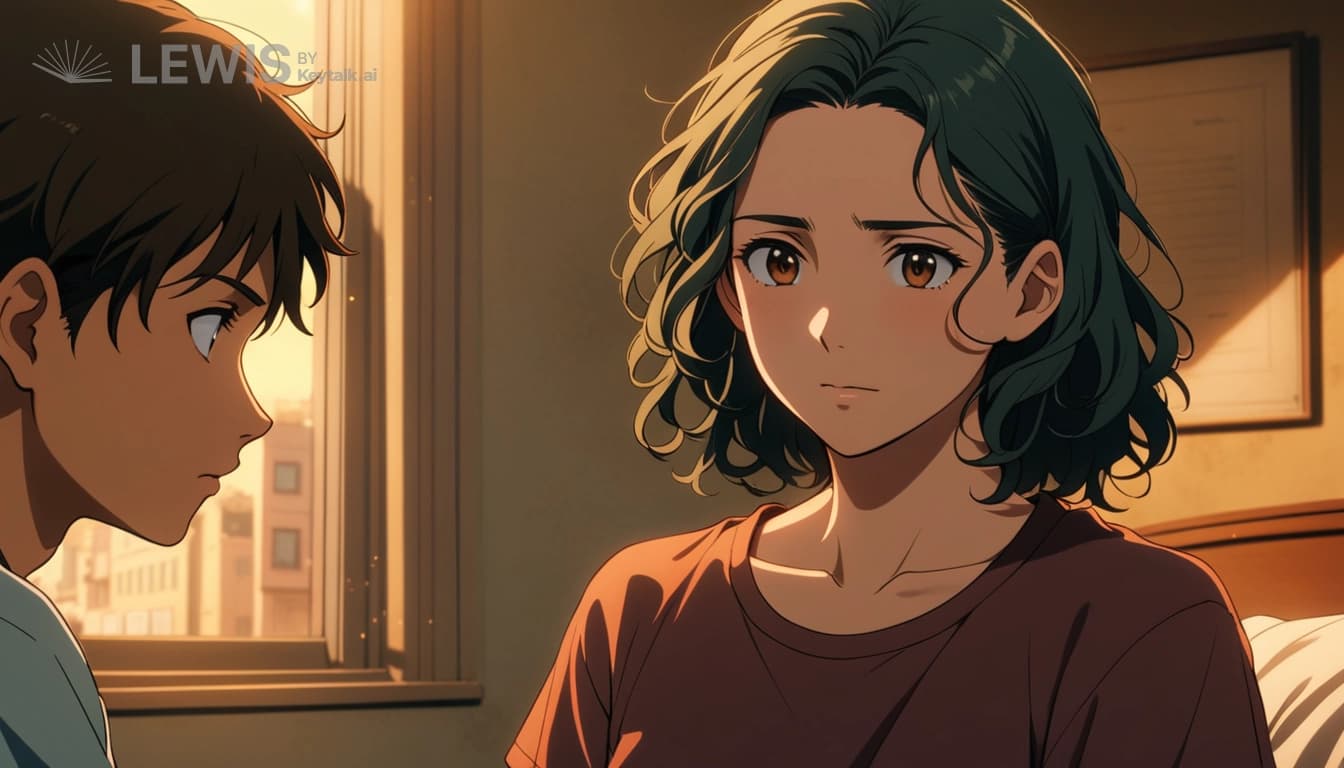
Santino’s cramped apartment above El Murciélago; the bar itself, bustling below with the nighttime crowd

[Time]
Evening, the same night Isabella returns—San Juan is alive with music and neon, the bar throbbing beneath their feet

[Action]
Santino and Isabella reunite in the tiny apartment, their chemistry charged by the secrecy and danger of their affair. They share dreams about escaping their families’ toxic legacies, plotting a future fueled by music and independence. The moment is intimate but fraught—Isabella’s phone buzzes with messages from her family, reminding her of the mounting pressure as the Reyes-Moreno feud intensifies. Downstairs, Roxy works her shift, hearing whispers about the brewing rum war and keeping a wary eye on the upstairs window. She’s torn between loyalty to Santino and pragmatic fear for what his choices will bring to her world. Meanwhile, Santino’s siblings, hungry for power, begin scheming in the background, laying traps that will complicate the lovers’ plans. As Santino and Isabella talk, he confesses more of his fears and the cost of his rebellion, but stops short of revealing the full truth about his family’s machinations. Isabella senses his hesitation, sowing seeds of doubt and tension. The scene ends with Santino and Isabella reaffirming their commitment, even as shadows of betrayal and familial sabotage gather beneath them in the bar below.

[Impact on the story]
This scene solidifies Santino and Isabella’s romance as both a passionate refuge and a risky act of defiance, deepening their emotional bond while layering in stress and uncertainty. The lovers’ fantasy of escape feels real but fragile, haunted by the pressures of their families and the reality of betrayal lurking below. Roxy’s protective instincts and the siblings’ ambitions introduce new sources of conflict, making clear that Santino’s rebellion will have wide-reaching consequences.

[Description]
Santino and Isabella dream together of a life beyond their families’ feud, their romance sharpened by secrecy and looming threats. Roxy and the siblings move in the background, complicating their plans and foreshadowing the chaos to come. The scene is a turning point, cementing the lovers’ unity while exposing the fractures that will soon test it.
4
scene 4 image
[Title]
The Price of Betrayal: Siblings, Spies, and a Stolen Recipe

[Place]
Reyes family estate—specifically, the labyrinthine, dimly lit study lined with old rum barrels and family portraits; parallel action in the back office of El Murciélago, where Roxy conducts her own investigation.

[Time]
Late night, a few days after Santino and Isabella’s reaffirmation—tension is thick in the air, the city outside restless with festival preparations.

[Action]
Santino is summoned to the Reyes estate under the pretense of a family meeting, but finds himself ambushed by his older siblings. They confront him with evidence of his continued involvement with Isabella, leveraging their knowledge to threaten his already precarious standing. The siblings’ motivations are laid bare: they want Santino completely out of the picture so they can consolidate power in Ignacio’s absence, exposing simmering resentment and old wounds. Meanwhile, Ignacio’s loyal fixer quietly observes, reporting every detail back to the patriarch.
Back at El Murciélago, Roxy receives a tip from a regular—an aging ex-distiller with a loose tongue—about a secret in the Reyes family’s past. Sensing its importance, she digs deeper, connecting rumors of a stolen recipe to the current feud. She pieces together that the original Reyes rum was not a proud family invention, but a theft, and realizes the explosive potential of this information.
In the study, Santino pleads his case, desperate to shield Isabella from the family’s machinations and maintain his independence. The siblings, however, escalate the confrontation, warning him that Ignacio is preparing to destroy the Morenos by any means necessary—including tactics that cross legal and moral lines. Santino is left shaken, forced to reckon with the collateral damage his rebellion is causing.
Simultaneously, Roxy debates whether to share her discovery with Santino, weighing her loyalty to him against the risks of igniting an even greater conflict. The scene closes with Roxy making her decision: she will tell Santino everything, knowing it could change everything—while Santino, isolated and desperate, steels himself for the next move in a war he never wanted.

[Impact on the story]
The scene fractures the Reyes siblings’ relationships beyond repair, making Santino a true outcast and heightening the stakes of his defiance. It sets the stage for the final confrontation by arming Roxy and Santino with the secret of the stolen recipe. The emotional toll on Santino is palpable—he’s caught between the love that sustains him and the family that seeks to destroy him. Roxy’s choice marks her as a pivotal player, her actions determining the direction of the coming reckoning.

[Description]
Santino is ambushed by his siblings, who push him further into exile while plotting the Morenos’ downfall. Roxy uncovers the Reyes family’s darkest secret and decides to share it with Santino, setting the fuse for the explosive climax to come. The scene pivots the narrative from personal rebellion to a battle for the soul of both families, with loyalty, legacy, and betrayal at its core.
5
scene 5 image
[Title]
Noche de Ron: Confessions on the Grand Stage

[Place]
The Plaza Mayor of Old San Juan, transformed into the pulsing heart of the Noche de Ron festival. A sprawling outdoor stage, glittering with lights and banners; crowds of locals and tourists surge between ornate tasting tents. Backstage, a press gauntlet and VIP lounge buzz with anticipation, while a darkened alley behind the stage offers a tense refuge for secret meetings.

[Time]
Night of the festival’s main event—just before midnight, moments before the final rum judging and award ceremony.

[Action]
Santino arrives at the festival, his nerves raw, clutching the secret Roxy entrusted to him. He’s not just here to support Isabella and the Morenos, but to confront his own legacy head-on. Roxy is at his side, determined and fiercely protective, having risked everything by sharing the truth. The crowd is electric, swept up in celebration, oblivious to the brewing storm.
Backstage, Santino is confronted by both his siblings and Ignacio’s fixer, who try to block his access to the stage, warning him that any disruption will permanently exile him from the family—and possibly destroy the Reyes name. Santino is momentarily shaken, but the weight of Roxy’s revelation steels him.
Isabella, torn between hope and dread, seeks out Santino, sensing something monumental is about to happen. Their reunion is charged: she pleads with him not to escalate the war, terrified of the fallout for both families. Santino confesses the truth he’s learned—the Reyes empire is built on a lie, and exposing it is the only way to end the cycle of vengeance. The emotional stakes are higher than ever; Isabella’s heartbreak is palpable, her love for him warring with her loyalty to her family.
As the festival reaches its fever pitch and the judges prepare to announce the winner, Santino storms the stage. The crowd falls silent as he takes the microphone. He delivers a raw, unscripted confession, detailing the theft at the heart of the Reyes dynasty. He reveals Roxy as his source, naming names, laying bare the decades of deceit that have poisoned both families.
Ignacio, caught off guard in the VIP section, is apoplectic—his face a mask of fury and disbelief. The press erupts, the audience is stunned, and the Morenos are left speechless. Amid the chaos, Ignacio collapses, felled by a stroke in front of the entire city. Paramedics rush in, the festival dissolves into panic, and Santino is left standing on the stage, exposed and alone, having shattered his world in a single, desperate act.

[Impact on the story]
This scene detonates the story’s central conflict, exposing the rotting foundation of both families’ legacies and shattering the balance of power. Santino’s public confession is both a triumph and a tragedy—he finally claims agency, but at the cost of everything he loves. The spectacle of Ignacio’s collapse underscores the personal and generational consequences of the truth. Relationships are irreparably damaged; Santino’s actions force every character to reckon with the price of loyalty, legacy, and love.

[Description]
At the climactic Noche de Ron festival, Santino publicly exposes the Reyes family’s original sin, obliterating both his family’s reputation and his own future. The scene is a maelstrom of confession, chaos, and heartbreak, leaving the Reyes empire in ruins and Santino utterly alone.
6
scene 6 image
[Title]
The Sound of Ruin: Aftermath, Abandonment, and the Birth of a New Song

[Place]
El Murciélago, the speakeasy’s dimly lit bar and the cramped apartment above; dawn spills through the window, painting the rum bottles with fractured gold.

[Time]
The morning after Santino’s public confession at Noche de Ron; the city outside is tense, rumors swirling in the streets.

[Action]
Santino wakes in the apartment above El Murciélago, his world gutted and silent except for the muted rumble of the bar below. The news of his confession has spread like wildfire—Reyes Rum is in freefall, Ignacio incapacitated, and his siblings already scheming against each other in boardrooms and family chats. Roxy arrives before opening, her presence steady and wordless; she brings Santino coffee and sits with him, offering silent solidarity rather than advice or judgment.
Santino stares at his phone, flooded with messages: desperate, angry texts from his siblings, reporters hounding him for comment, and a single unread message from Isabella. He hesitates, then reads it—her words are raw, heartbreak laid bare, saying she can’t forgive what he’s done, that their love has drowned in the wreckage of his family’s betrayal. She’s leaving Puerto Rico, needing distance from both legacies.
Devastated but strangely clear-headed, Santino descends to the bar, where Roxy opens up early for him alone. He sits at the battered piano in the corner, cello beside him, the regulars quietly respectful, sensing something has shifted. Roxy pours him a drink, no platitudes—just the warmth of someone who’s seen him at his worst and stayed.
Santino starts to play, improvising a new piece. It’s wild, jagged, fierce—a sound no longer shaped by his father’s demands or Isabella’s longing, but by his own pain and defiant hope. The music fills the empty bar, discordant yet honest, the first true expression of who he’s become. Roxy listens, quietly proud. Santino knows he’s lost almost everything, but in this moment, he’s finally free to create on his own terms.

[Impact on the story]
This scene marks Santino’s transformation from pawn to artist. The fallout from his confession leaves him exiled from both family and love, forcing him to reckon with the true cost of rebellion. His bond with Roxy deepens—she’s the one person who remains. Santino’s music becomes a symbol of survival and self-actualization, setting the stage for a future defined not by legacy, but by authenticity and hard-won freedom.

[Description]
In the quiet wreckage of dawn, Santino faces the consequences of his rebellion: abandoned by his family and Isabella, left only with his music and Roxy’s friendship. Alone in El Murciélago, he plays a new, ferocious composition—finally, a song that is wholly his own.
'The Rum King's Ruin'스토리 챗

이 스토리 속 캐릭터들과 대화하고 싶다면?

'The Rum King's Ruin'스토리 챗

이 스토리 속 캐릭터들과 대화하고 싶다면?

story image
story image
story image

이런 이야기는 어때요?

댓글0

테마 음악