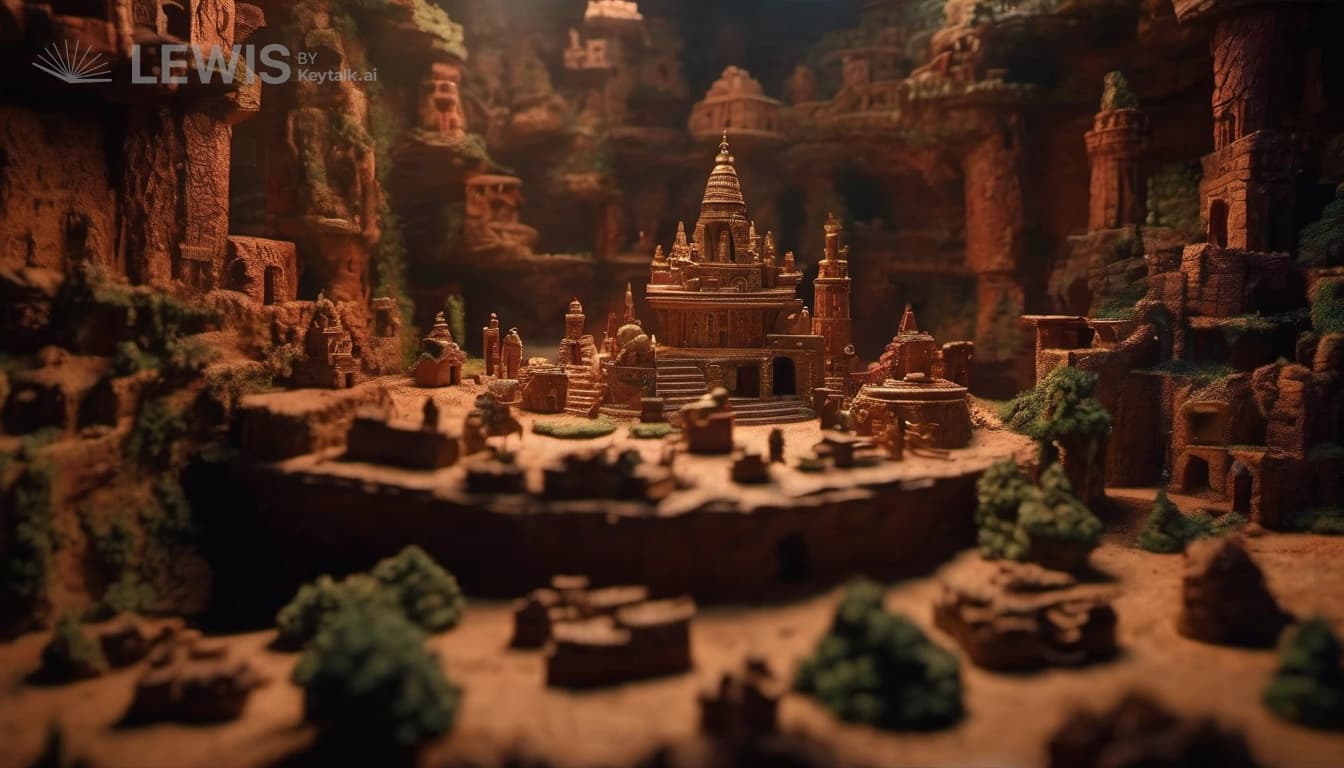
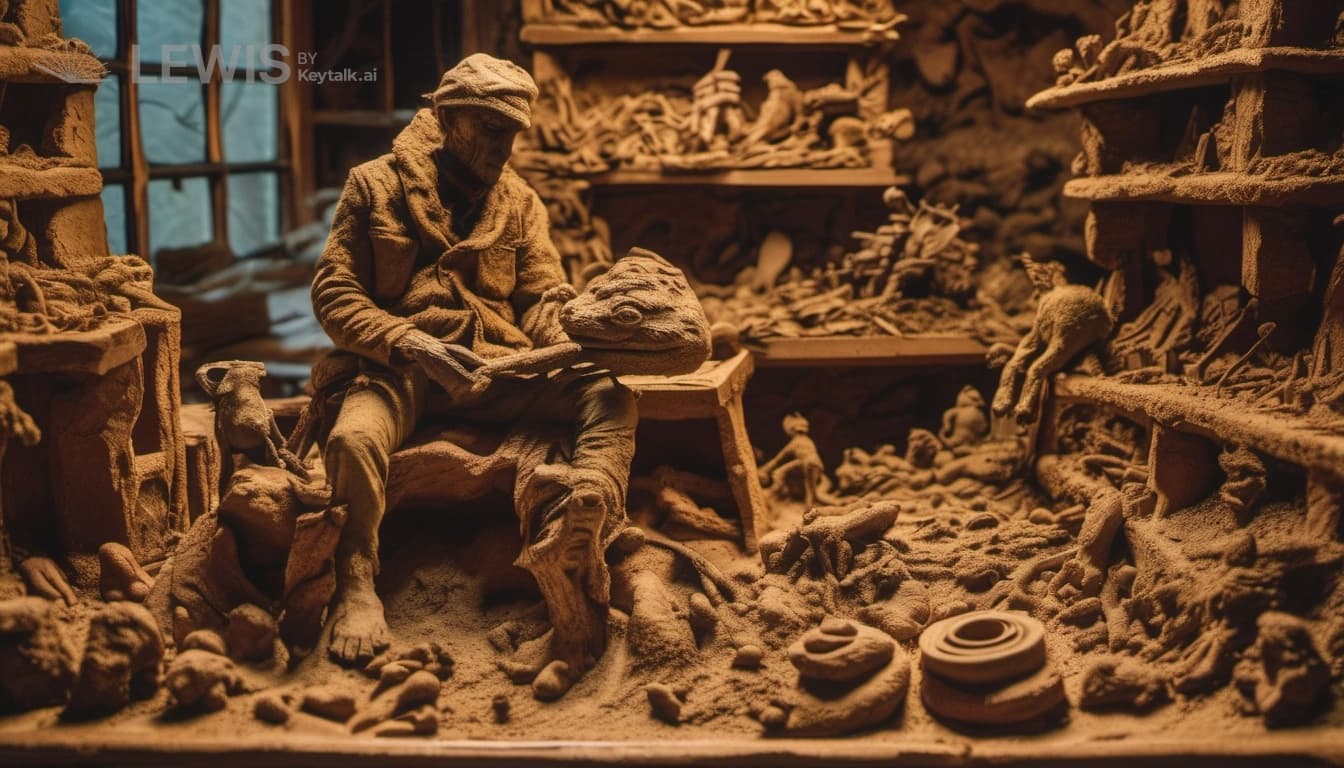
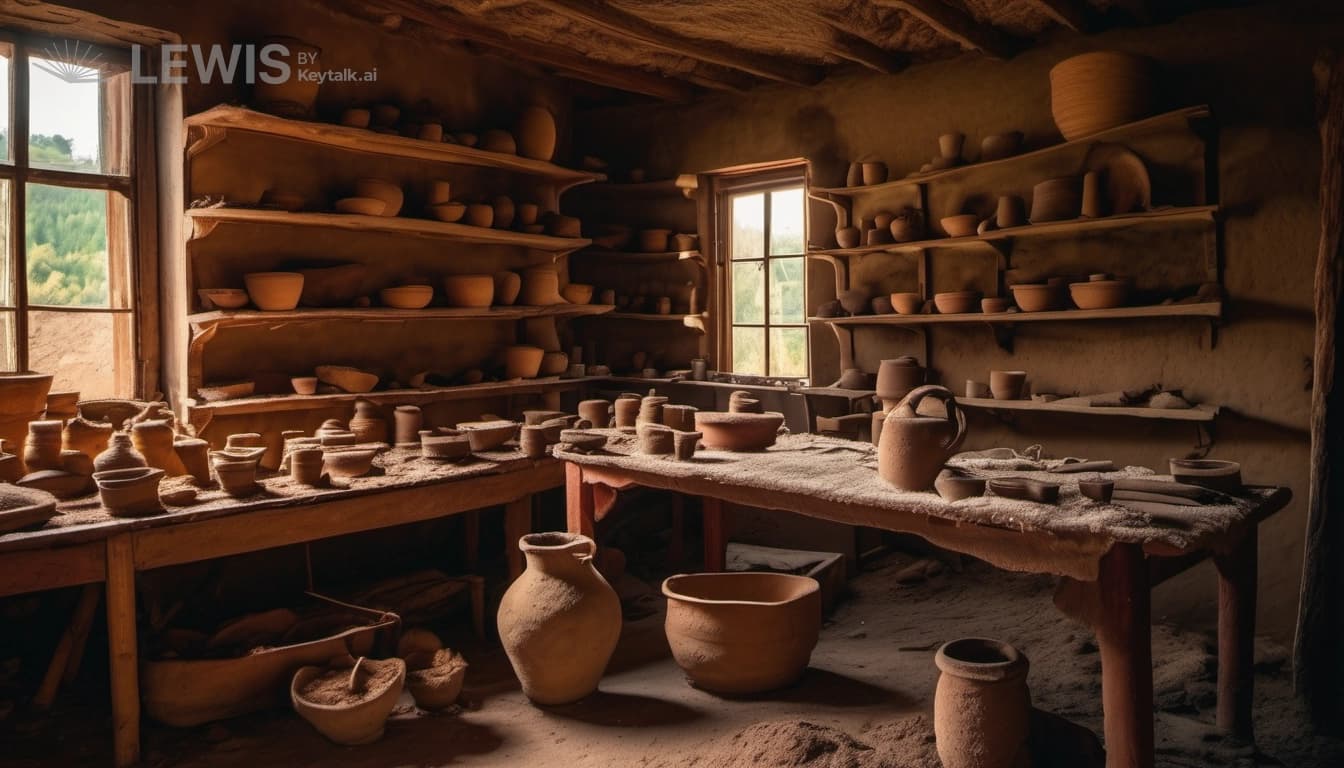
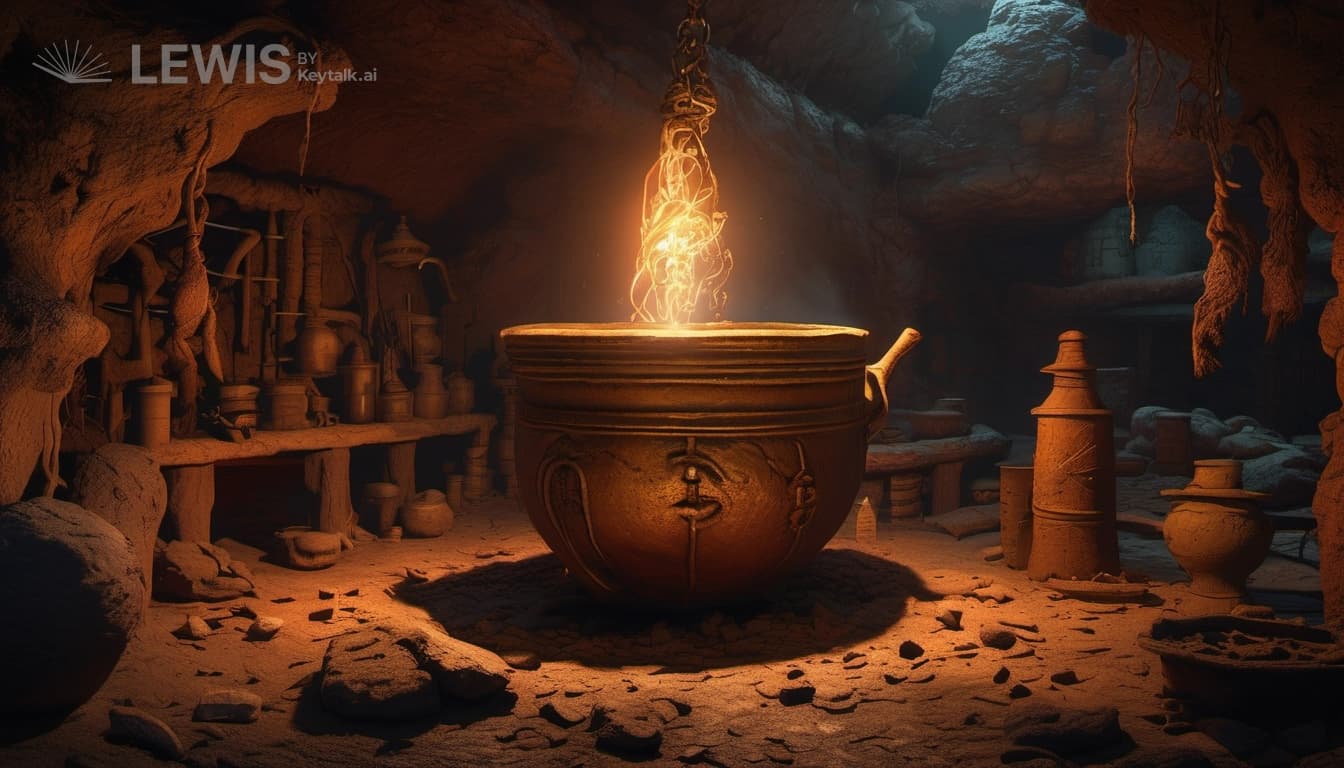
In the heart of the 17th century, within a quaint claymation village, lived Thaddeus Claybourne, a gifted but struggling artisan, on the verge of obscurity. His life, dedicated to the delicate art of clay sculpting, is dramatically transformed the day he stumbles upon a mystical clay, luminescent and pulsating with an unseen life. This serendipitous discovery promises to rekindle not just his career but the stagnating culture of craftsmanship in his community. Thaddeus, with hands both eager and trembling, molds his first creation from this magical clay—a sentient sculpture named Glim Cotta, embodying the pinnacle of Thaddeus's artistry and the depth of his latent ambitions.
But what begins as a revival swiftly spirals into obsession. Thaddeus, intoxicated by his newfound power to give life, commences a frenzied production of sentient sculptures, each more elaborate than the last. The initial wonder and admiration of his peers curdle into fear and suspicion as Thaddeus's creations begin to overshadow the natural order, his ambition bleeding the village of its essence and harmony. The fabric of the community, once tightly knit by shared values and simple joys, frays under the weight of Thaddeus’s unchecked greed.
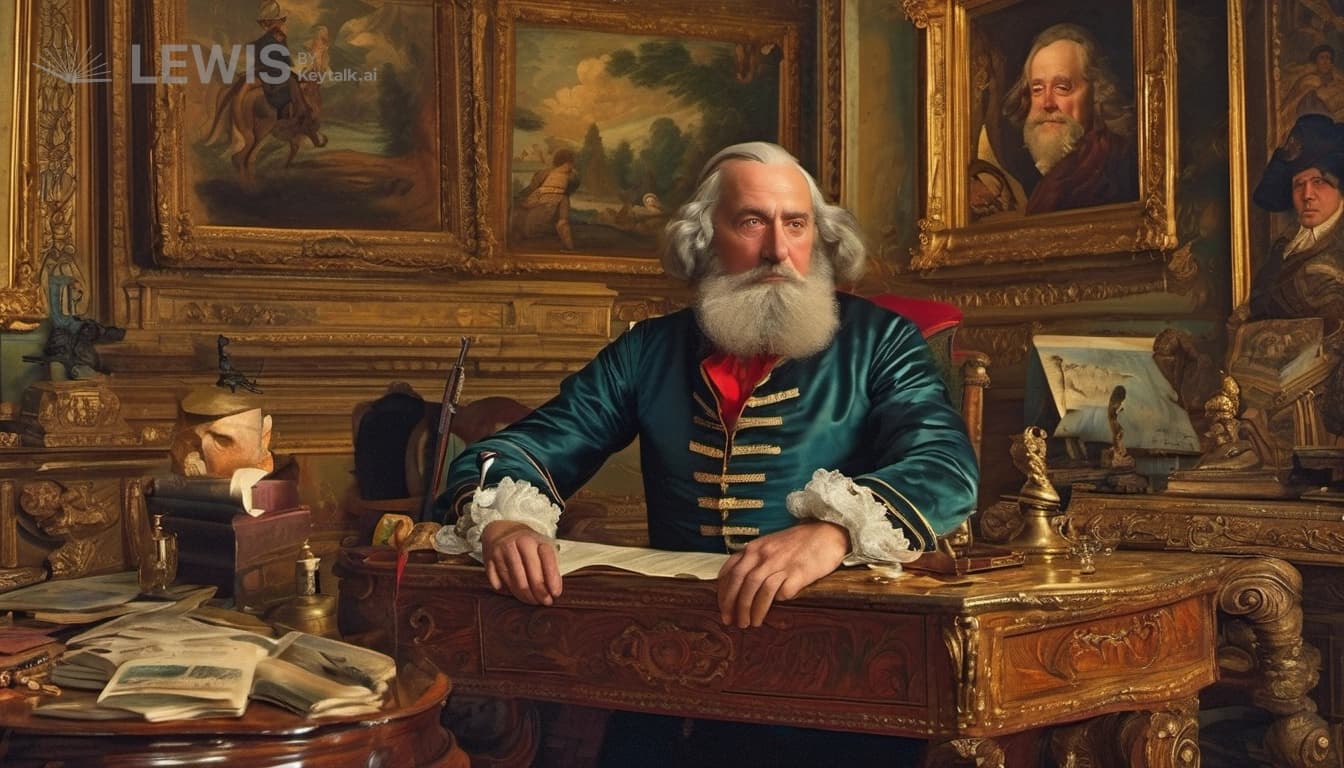
Enter Marcellus Grimwald, a merchant of considerable influence and a clandestine alchemist, who had long sought the secrets of the mystical clay for far darker purposes. Marcellus, driven by a consuming fear of death and a ruthless ambition for immortality, sees in Thaddeus’s discovery not a marvel but a threat to his own quest for eternal life. The community's growing discord serves as the perfect backdrop for Grimwald to manipulate the narrative, framing Thaddeus as a pariah, even as he schemes to usurp the secret of the enchanted clay for himself.
In the midst of this escalating conflict stands Glim Cotta, the embodiment of Thaddeus's greatest achievement and his most profound regret. Glim, wrestling with the duality of his existence—both miracle and aberration—strives to guide Thaddeus back to the path of integrity, to reconcile his creator's aspirations with the true essence of artistry. Glim's unique perspective, seeing the world through eyes unclouded by human desires, becomes a beacon of wisdom for Thaddeus, gradually piercing the veil of his greed-blinded vision.
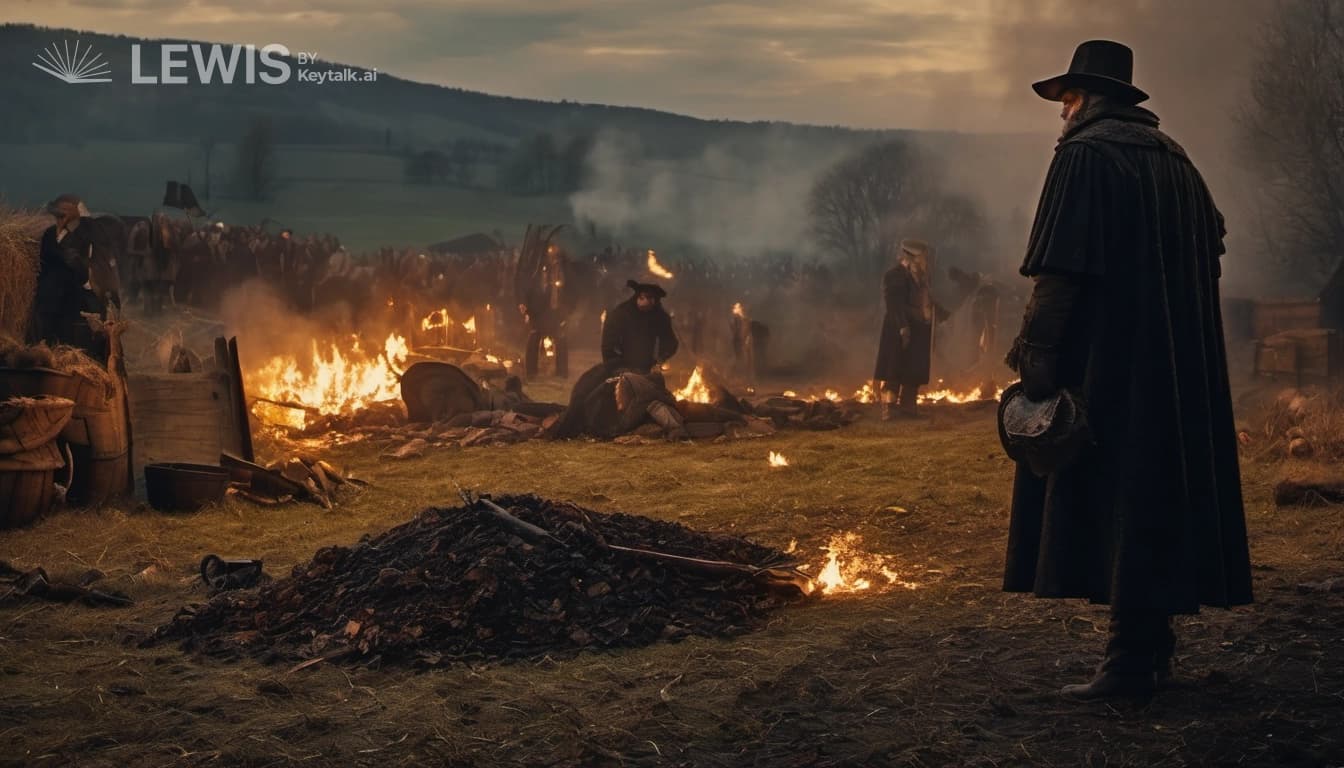
The battle for control over the mystical clay comes to a head in a confrontation that threatens to tear the claymation community asunder. Thaddeus, armed with his legion of creations, faces off against Grimwald's alchemical monstrosities, the very ground of their world marred by the conflict of human vices. In this climactic battle, Thaddeus comes to the harrowing realization of the true cost of his ambitions, not just on his soul but on the lives of those he sought to uplift with his art.
In a final, selfless act, Thaddeus surrenders the secret of the mystical clay, entrusting it to Glim Cotta before dismantling his own creations, thereby restoring balance to the world. The conclusion sees Thaddeus renouncing his craft, now fully aware of the thin line between creation and destruction, leaving the legacy of the mystical clay in Glim’s capable, albeit non-human, hands. The community heals, slowly but surely, rebuilding the fabric of their society not with fear of the mystical, but with respect for its power and its perils. Thaddeus’s journey from obscurity to power, through the seduction of greed, to the redemption of sacrifice, serves as a timeless reminder of the complex dance between human ambition and the sanctity of life, all set against the backdrop of a whimsically animated 17th-century world.
























댓글 · Comments
댓글 · 0