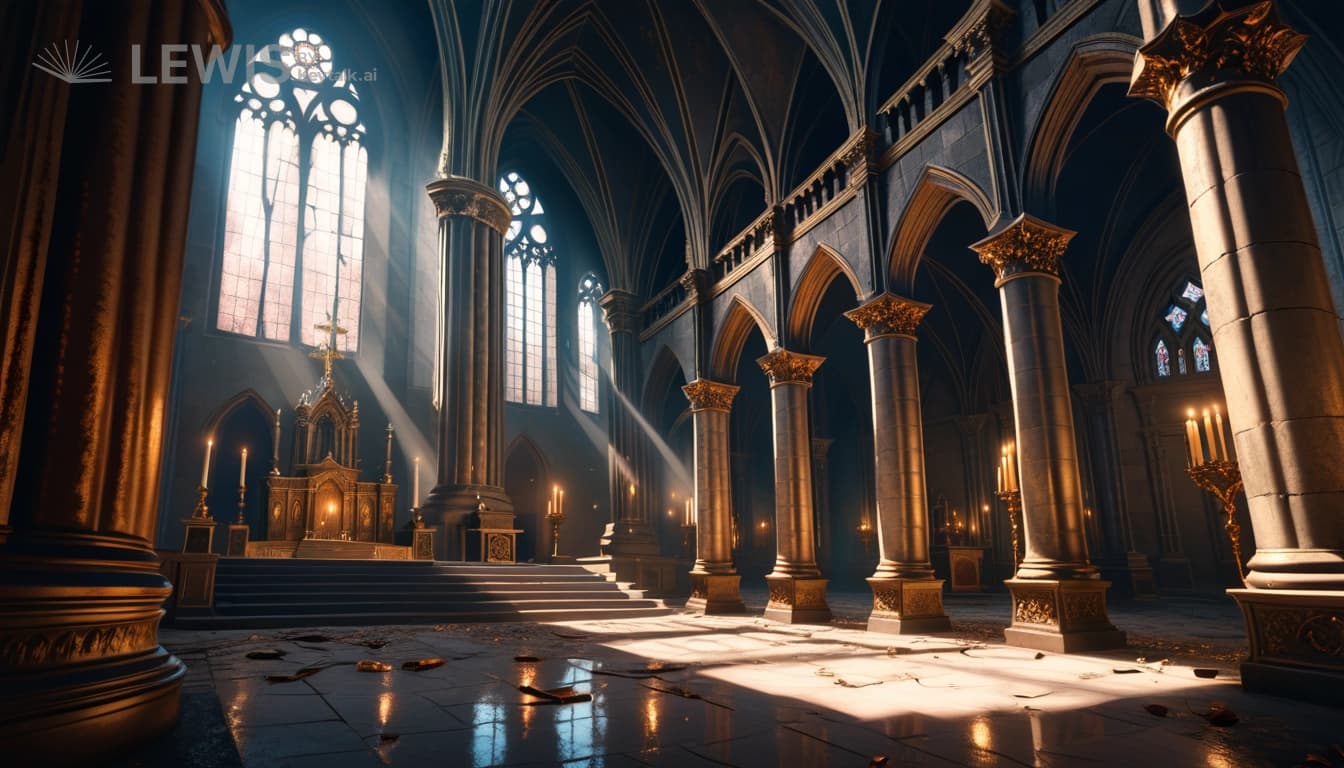
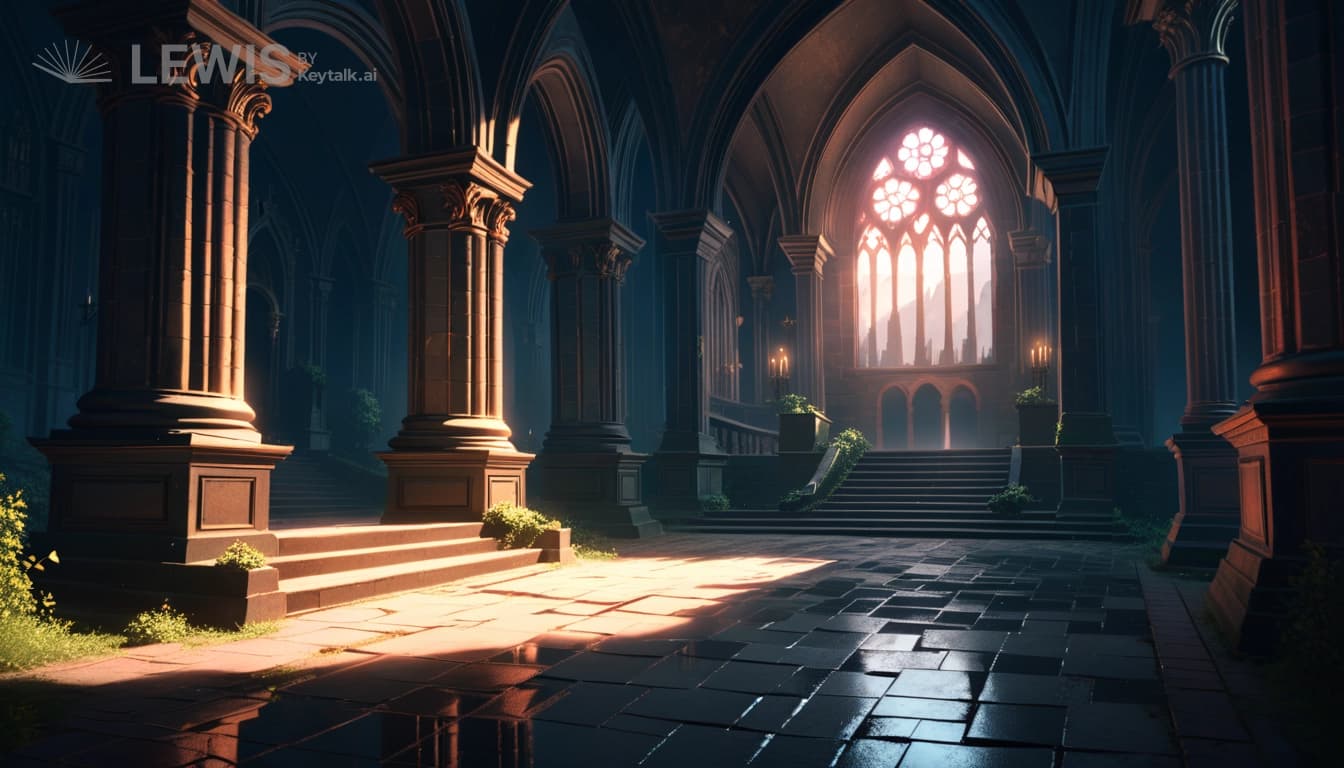
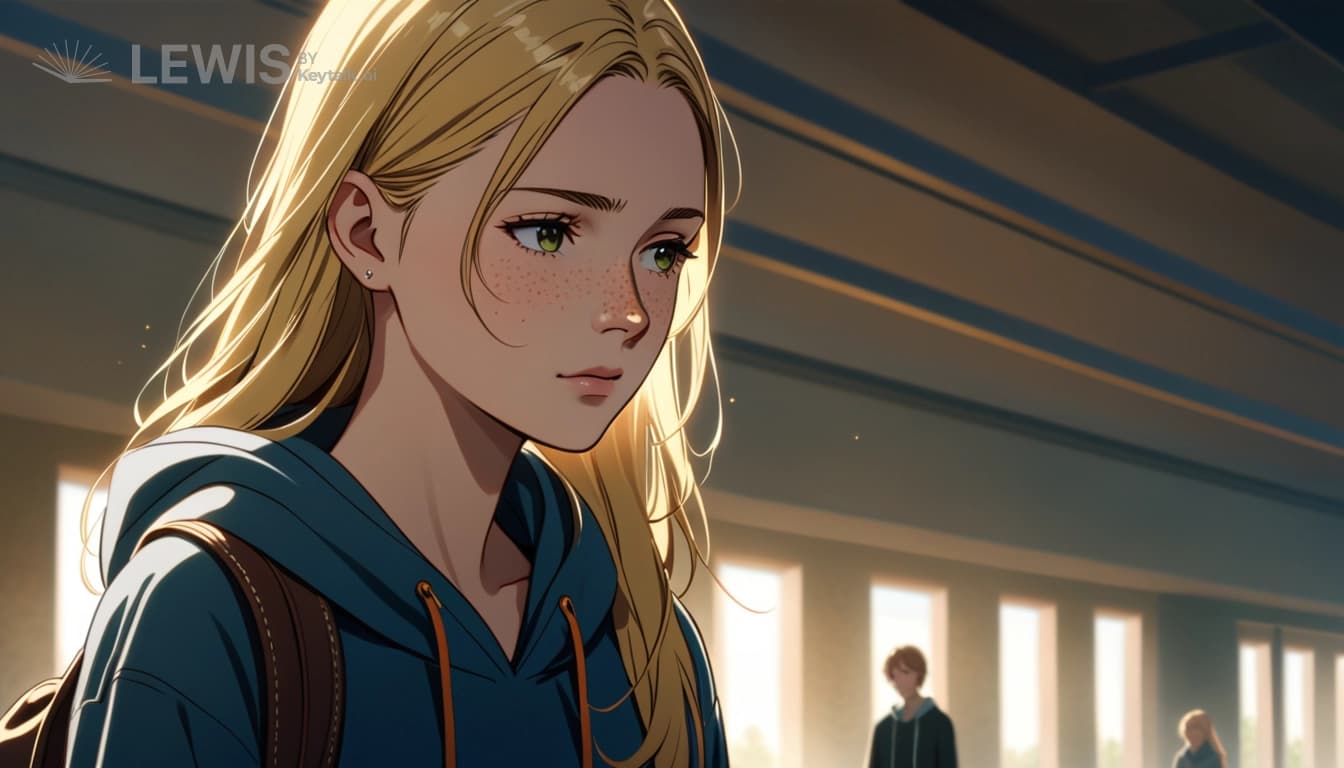
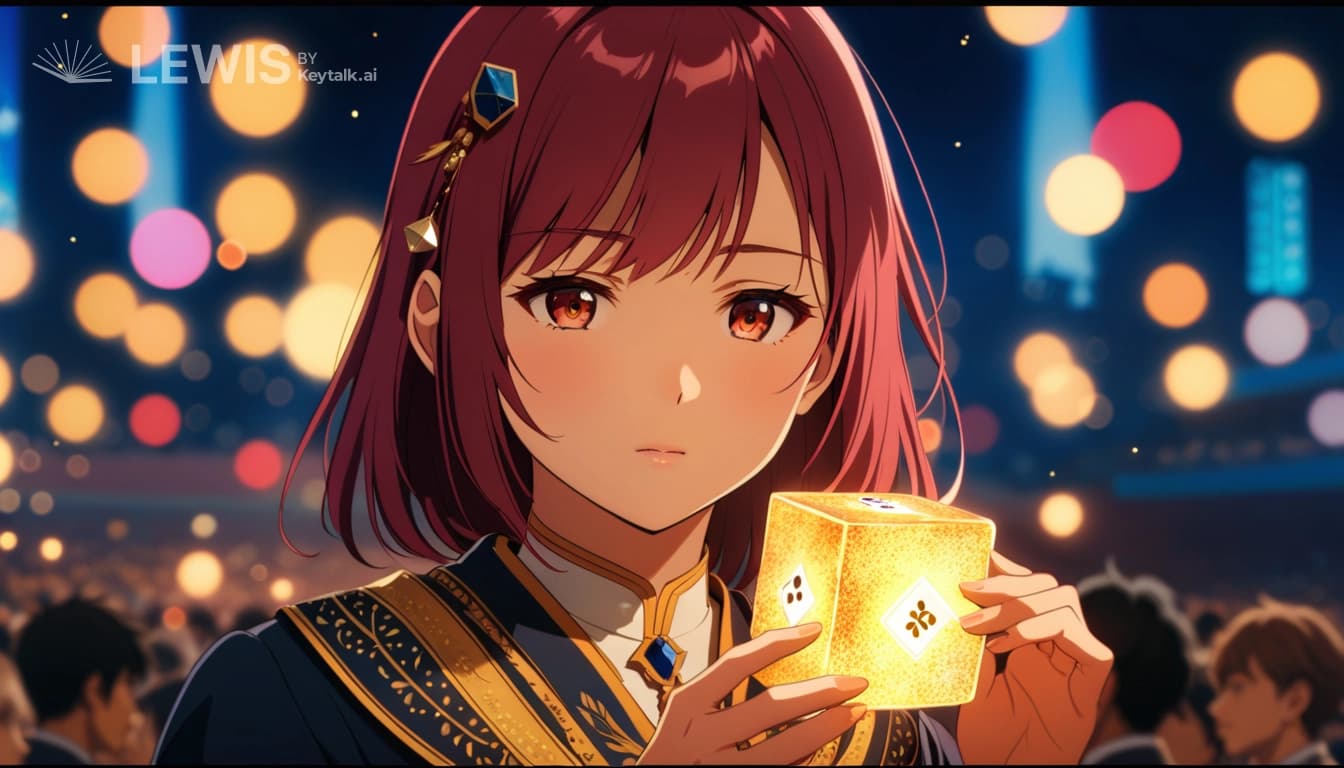
Vivian Mercy Blackwell’s clinic thrives in the shadows beneath the neon cascade of the Solace Resort—a monstrous, glass-and-light construct perched atop the bones of a drowned colonial city. By day, the resort is a fever dream of couture and curated decadence, but at night, Vivian’s hands work with merciless grace, stitching up wounds both mundane and magical. Her clientele are the outcasts the resort pretends don’t exist: gamblers with curses embedded in their veins, dancers with spirits clinging to their spines, even the occasional executive desperate to erase a memory before sunrise. Vivian moves through this secret world with the brisk efficiency of someone who learned long ago that compassion is safest when rationed. She is driven by a restless need to heal, but also by a stubborn refusal to become her mother—a witch who watched the world burn rather than risk breaking the old family code of noninterference.
Her closest confidant, Adisa Okwu, keeps the pulse of the city’s underbelly. They chronicle the unspoken histories, ferrying rumors and stories to and from the clinic, their loyalty tempered by a folklorist’s distance. Adisa is the first to notice the change in the air as the resort’s next big event approaches—a masquerade that promises to resurrect the forgotten spirits beneath the city for one night only. Adisa’s instincts scream that something is wrong: guests report waking from dreams they can’t recall, and the ghosts in the resort’s lower corridors grow restless. Vivian, too, is plagued by visions—fleeting glimpses of a figure half-seen in mirrors and puddles, always just out of reach, whispering riddles about desire, justice, and the price of peace.
Into this electric unease steps Lucien Rojas Delacroix, the resort’s newly appointed Creative Director and self-styled Occult Curator. Lucien is a contradiction in tailored silk: both spectacle and secret, his gaze as sharp as the sigils he traces on the glass. He orchestrates the masquerade with ruthless artistry, driven by a longing to transcend the resort’s shallow hedonism and awaken the ancient powers slumbering beneath it. For Lucien, the event is a chance to outdo his late father’s notorious occult exploits and to prove—to himself most of all—that he can control the forces his ancestors only toyed with. When Lucien’s path crosses Vivian’s, the collision is incendiary: her skepticism and moral clarity upend his carefully maintained detachment, while his ambition and charisma threaten to seduce her into breaking every rule she’s lived by.
As the masquerade nears, Vivian’s clinic becomes a battlefield. Her patients multiply, their injuries stranger and more desperate. Adisa brings word that the line between the living and the dead is thinning; spectral figures slip through locked doors, and old curses awaken in the marble lobbies above. The ethereal presence haunting Vivian grows bolder, offering glimpses of a world where desire and disaster are inseparable, where justice is not the absence of harm but the willingness to risk everything for transformation. Vivian is tempted, but also terrified—she knows that surrendering to this vision could mean betraying her pacifist legacy and endangering everyone who depends on her.
The night of the masquerade arrives in a riot of masked faces and shimmering fabrics. Lucien unveils his masterpiece: a ritual performance designed to summon and bind the city’s oldest ghosts, promising catharsis and spectacle to his jaded audience. But the ritual spins out of control—Vivian recognizes too late that the lines Lucien draws are not containment, but invitation. The resort’s foundations tremble as ancient spirits surge, hungry for retribution against the living who built their paradise atop unquiet graves. Vivian is forced into an impossible choice: uphold her family’s code of noninterference, or intervene and risk unleashing even greater chaos.
In the crucible of disaster, Vivian chooses rebellion. With Adisa’s knowledge of forgotten rites and Lucien’s grudging cooperation—his veneer of control shattered by the havoc he’s wrought—they improvise a new kind of ritual, one that does not bind or banish but invites the spirits to speak for themselves. Vivian sacrifices her clinic’s secrecy, revealing her magic to the resort’s elite and the city’s outcasts alike. The process is raw, messy, and dangerous: old wounds are torn open, ancient injustices named and witnessed. In the aftermath, the resort’s power is broken—its neon glamour dimmed, its guests transformed by truths they cannot unsee.
Vivian and Lucien’s connection, forged in crisis, is fraught with longing and regret. Their love is not a neat resolution but an open question—intense, necessary, and forever marked by the disaster they survived. Adisa, too, is changed; their role as witness becomes one of active shaper, helping to rebuild































댓글 · Comments
댓글 · 0