1. Where/When:
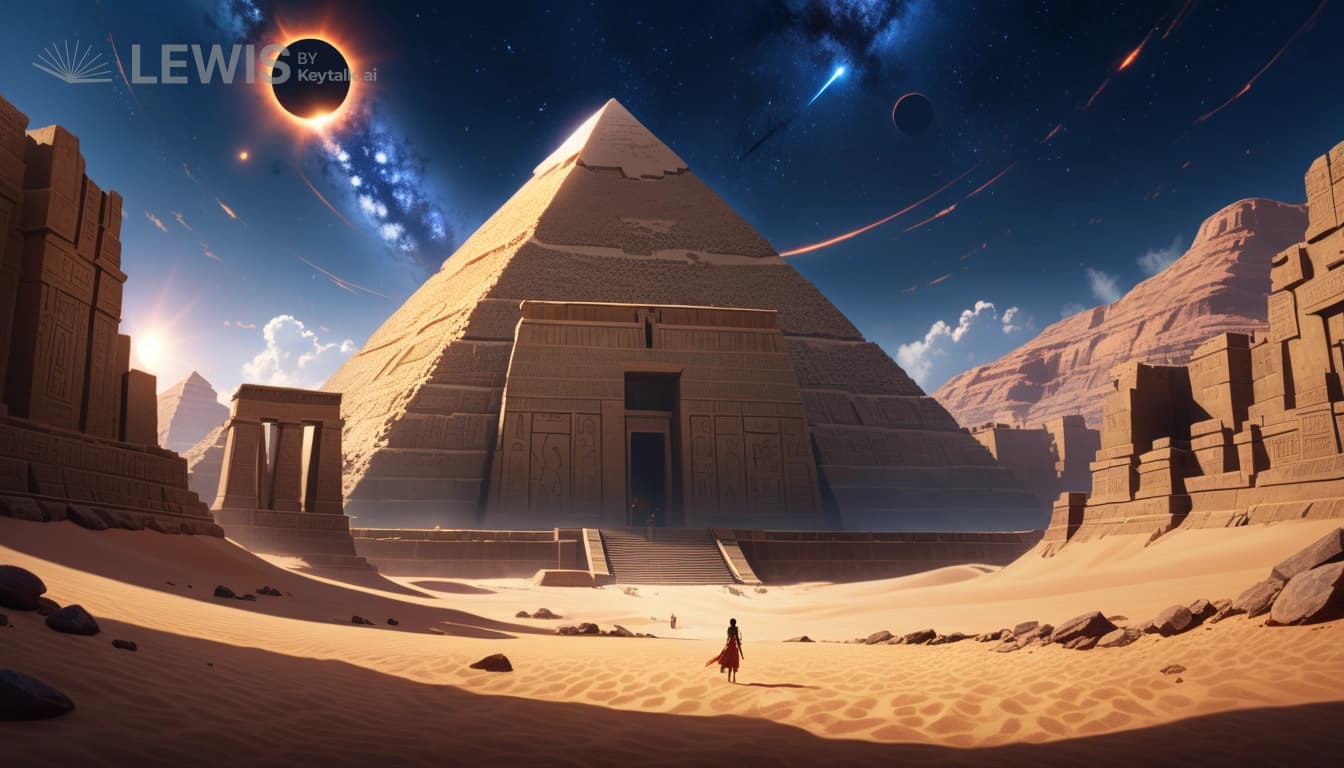
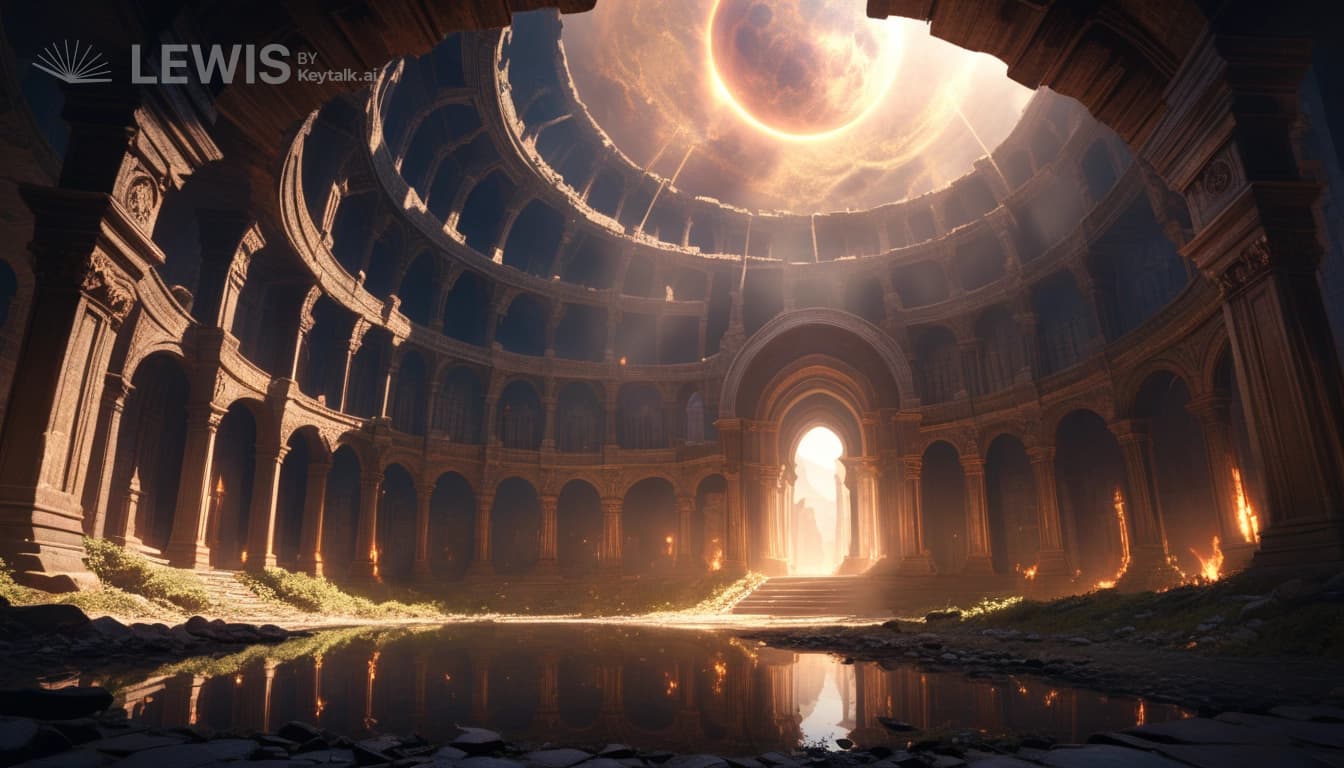
The story unfolds in present-day Egypt, specifically within an ancient temple hidden deep in the country's unforgiving desert. The exact location is intentionally vague, suggesting a remote and undiscovered site far from civilization. The narrative's climax is timed to coincide with a rare solar eclipse, adding an astronomical element to the temporal setting. This confluence of an isolated location and a specific celestial event creates a pressure-cooker environment, amplifying the tension and urgency of the plot.
2. Important rules of the universe and how it impacts the story:
In this world, ancient Egyptian mythology and magic hold tangible power. Curses are real, and arcane rituals can have genuine, often terrifying consequences. The temple itself operates on a set of metaphysical rules tied to the solar eclipse, creating a ticking clock scenario for the protagonists. The long-dead cult leader's potential resurrection is not merely symbolic but a literal threat, suggesting that the boundary between life and death is more permeable than in our reality. This supernatural backdrop significantly impacts the story by raising the stakes and introducing elements of cosmic horror to what might otherwise be a purely archaeological adventure.
The temple's puzzles and traps are not just physical challenges but also metaphysical ones, requiring both intellectual prowess and an understanding of esoteric knowledge to overcome. This rule creates a natural showcase for the diverse skills of the team members, particularly Alexis's cryptography expertise and Yuki's knowledge of ancient cults.
Another crucial rule of this universe is the existence of a hidden, possibly supernatural force capable of corrupting individuals, as evidenced by the presence of an assassin within the team. This implies a world where loyalty and sanity can be eroded by exposure to ancient, malevolent powers, adding an element of psychological horror and paranoia to the narrative.
3. The visual description of the universe:
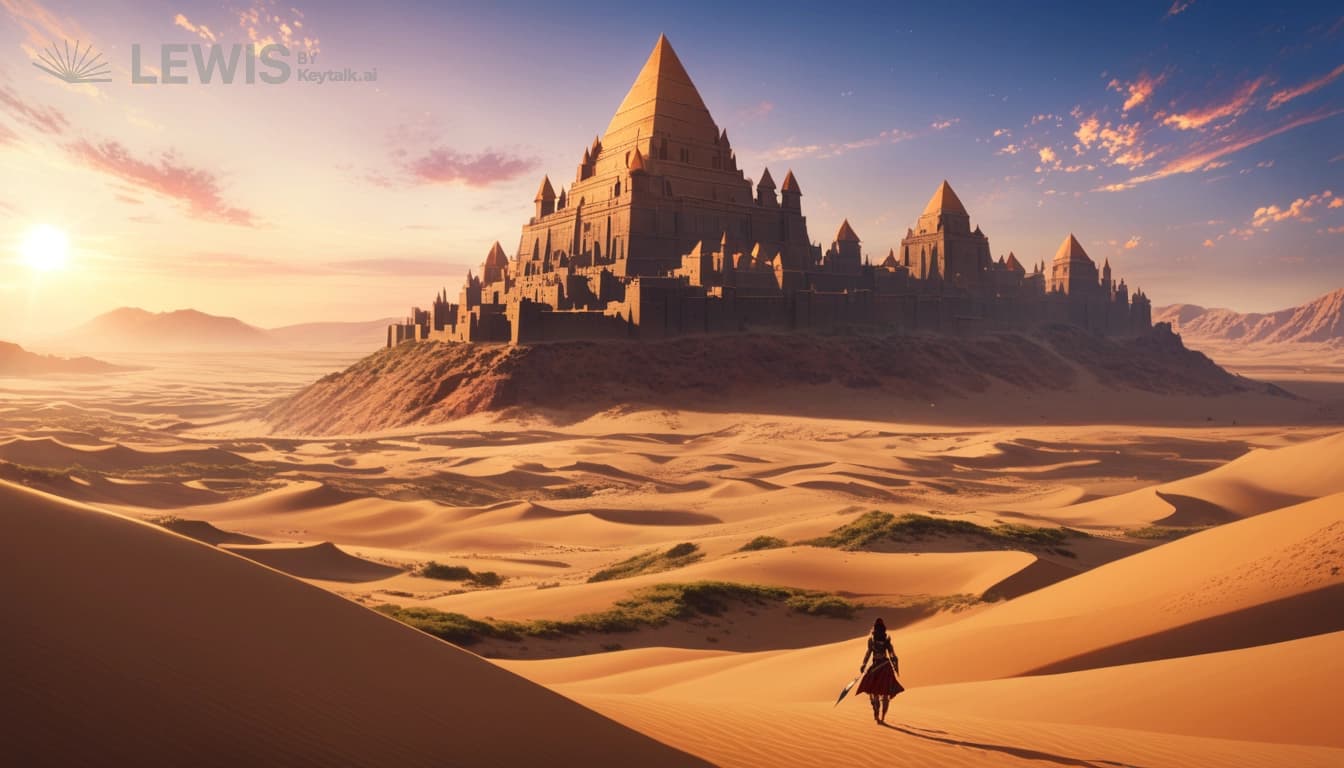
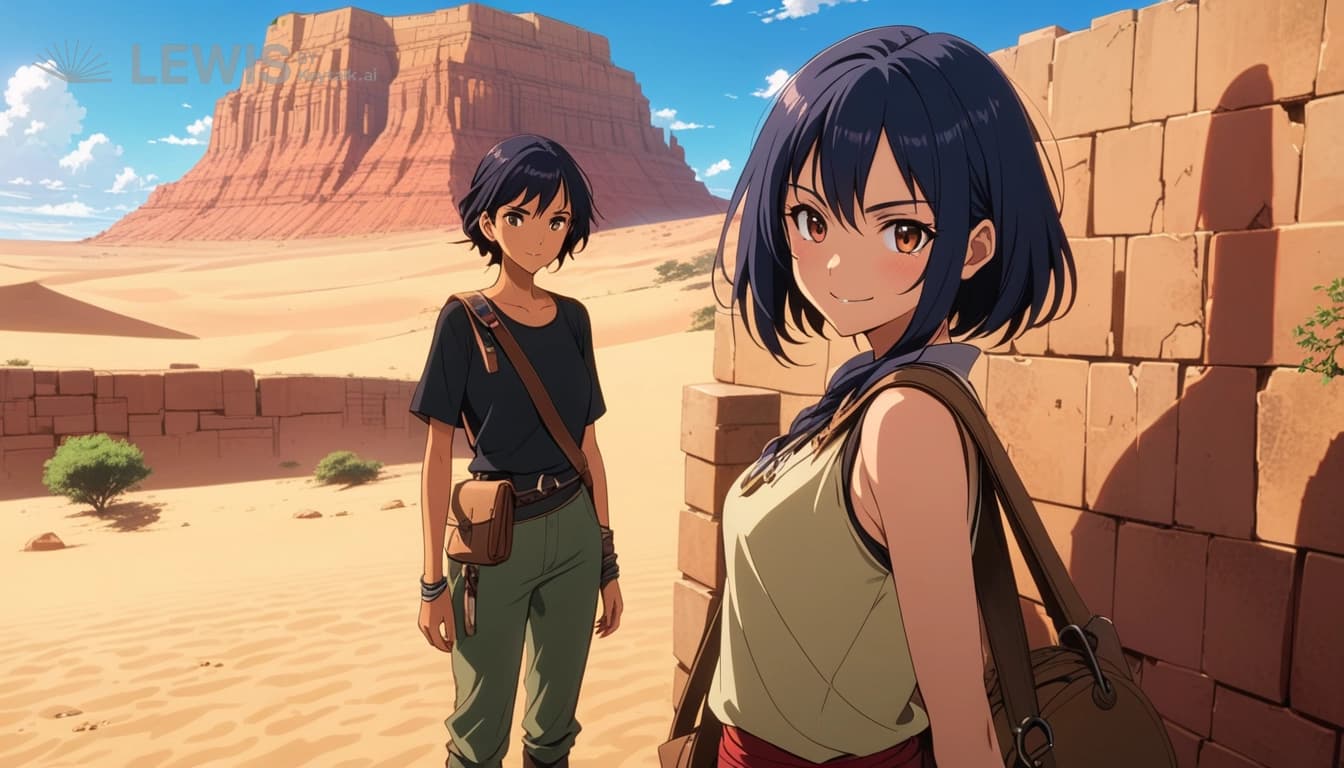
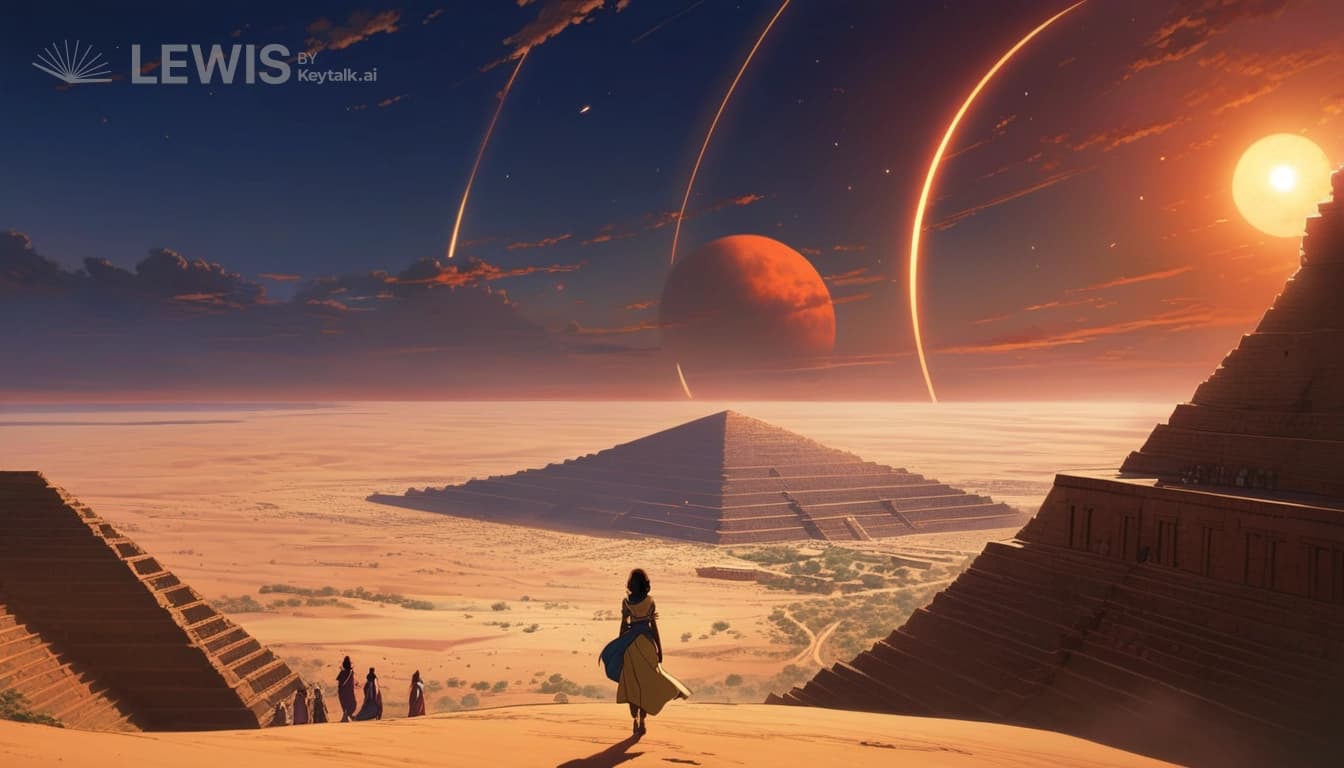
The world outside the temple is characterized by the harsh, unforgiving landscape of the Egyptian desert - endless dunes of golden sand stretching to the horizon under a merciless sun. The sky is a deep, cloudless blue that darkens to an eerie twilight as the solar eclipse approaches.
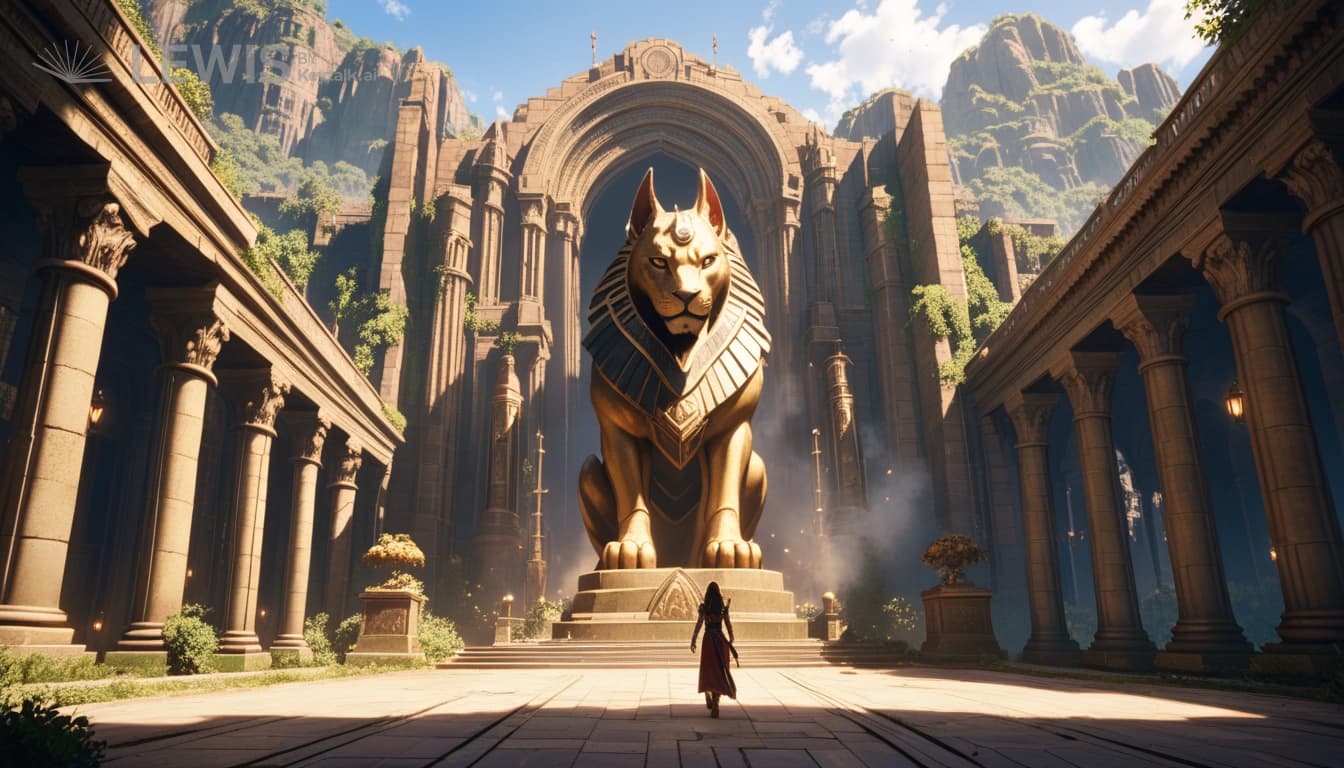
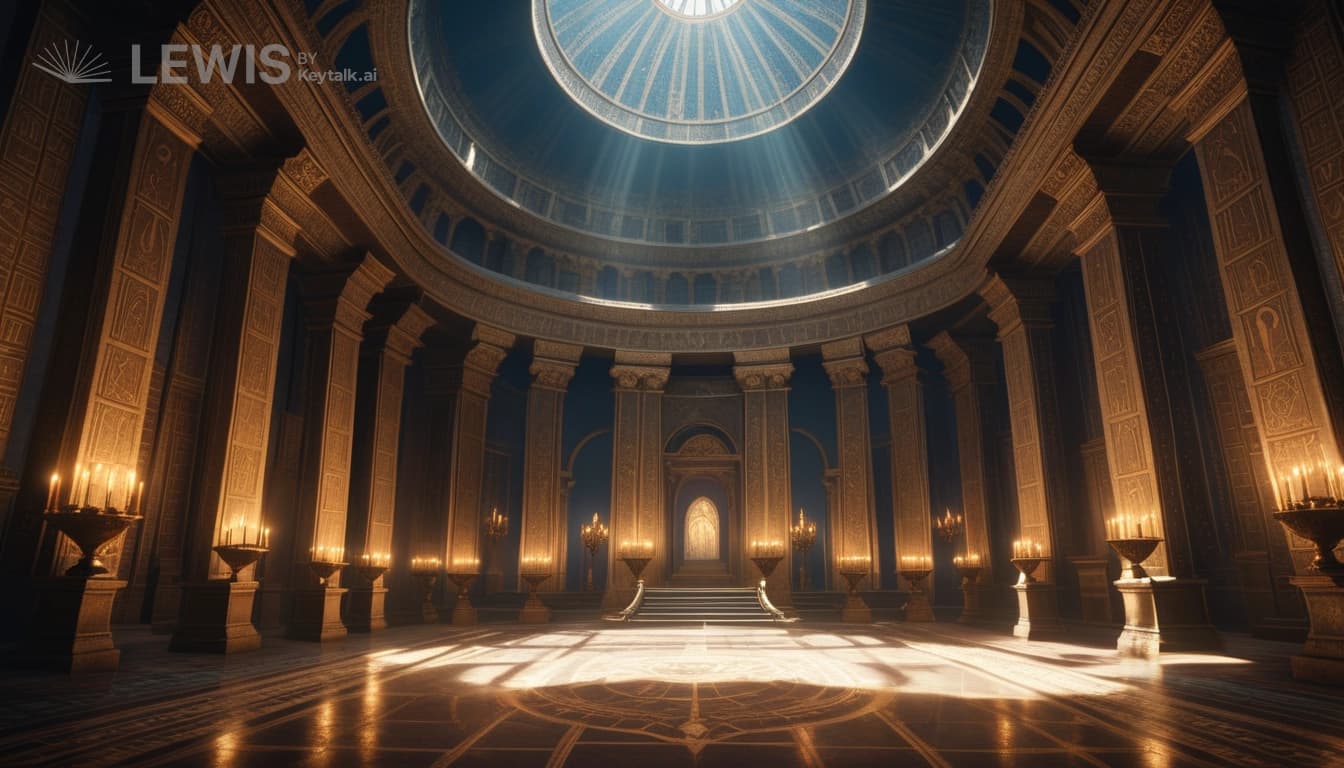
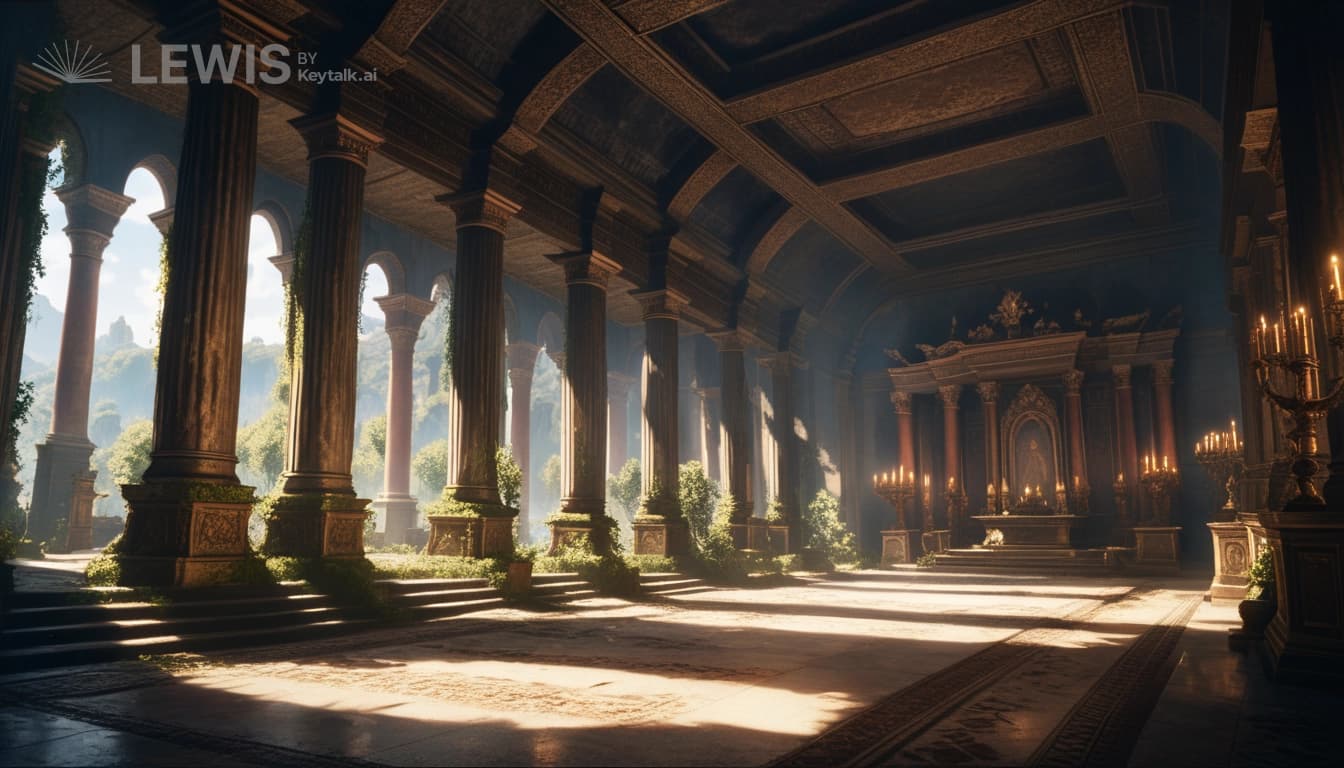
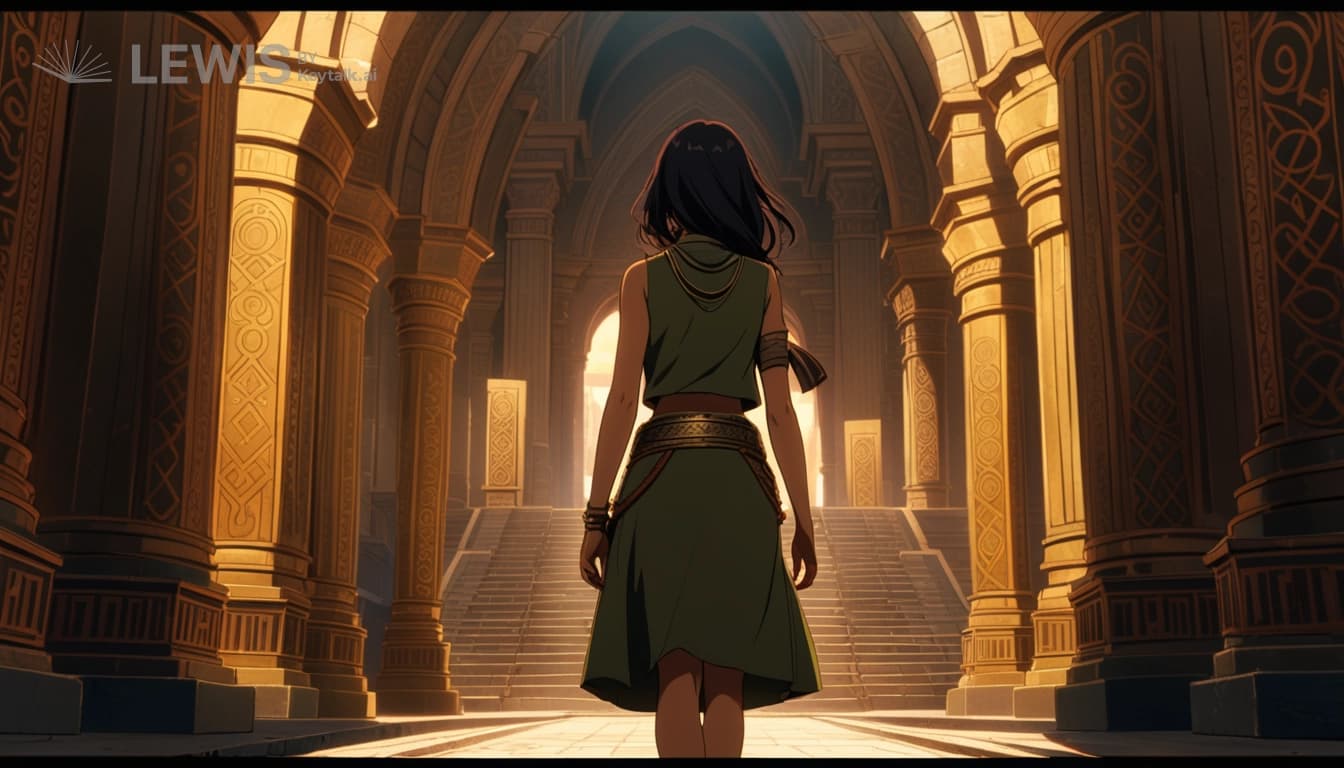
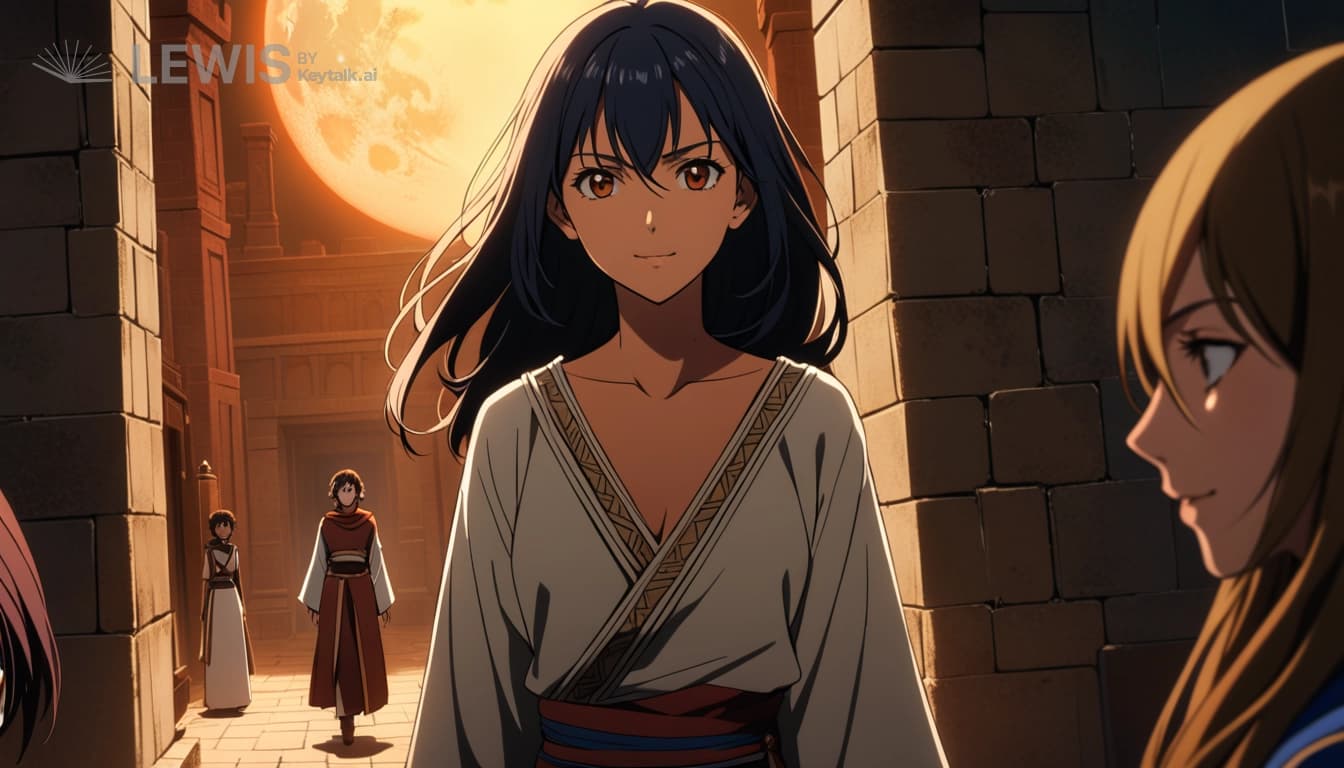
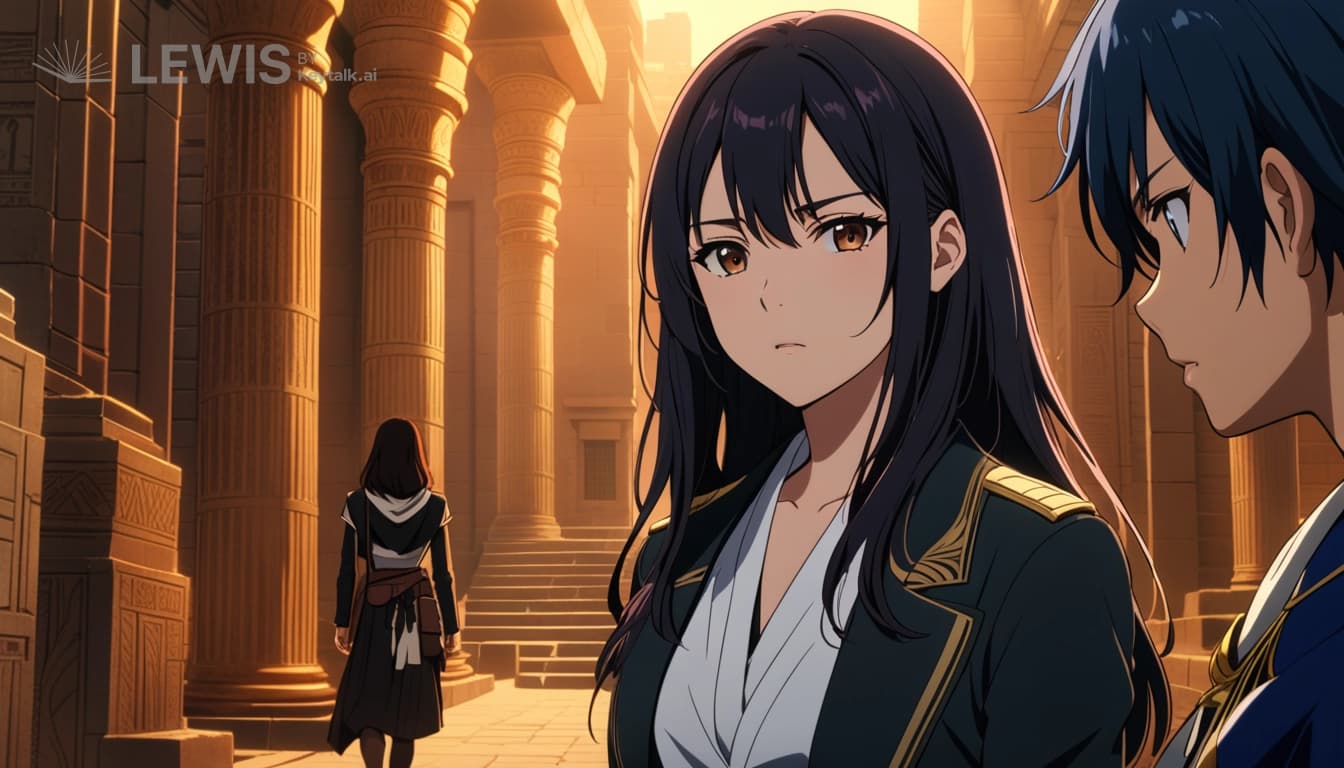
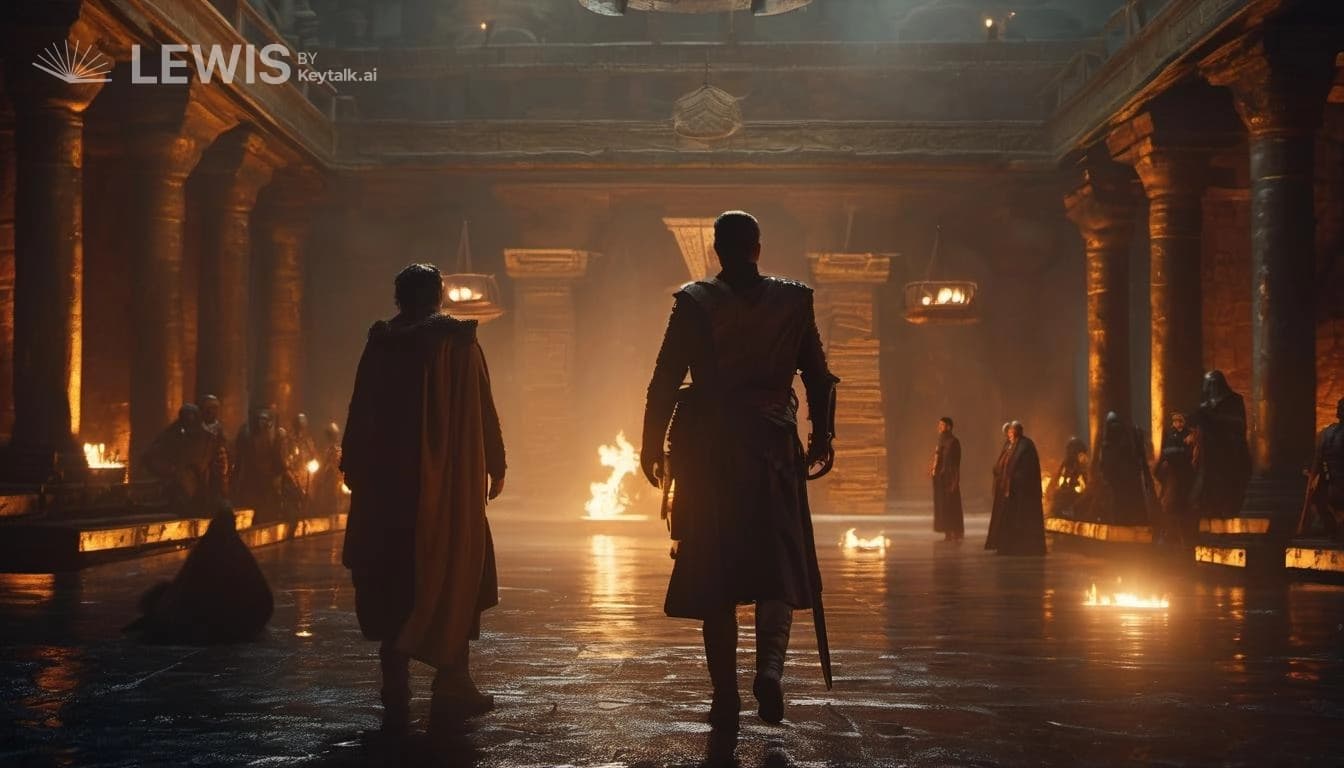
The ancient temple itself is a massive, imposing structure of weathered sandstone, half-buried by centuries of shifting sands. Its entrance is flanked by colossal statues of forgotten deities, their features eroded by time and the elements. Inside, the temple is a labyrinth of dark, claustrophobic corridors and vast, echoing chambers. Walls are adorned with intricate hieroglyphs and bas-reliefs depicting bizarre rituals and cosmic events.
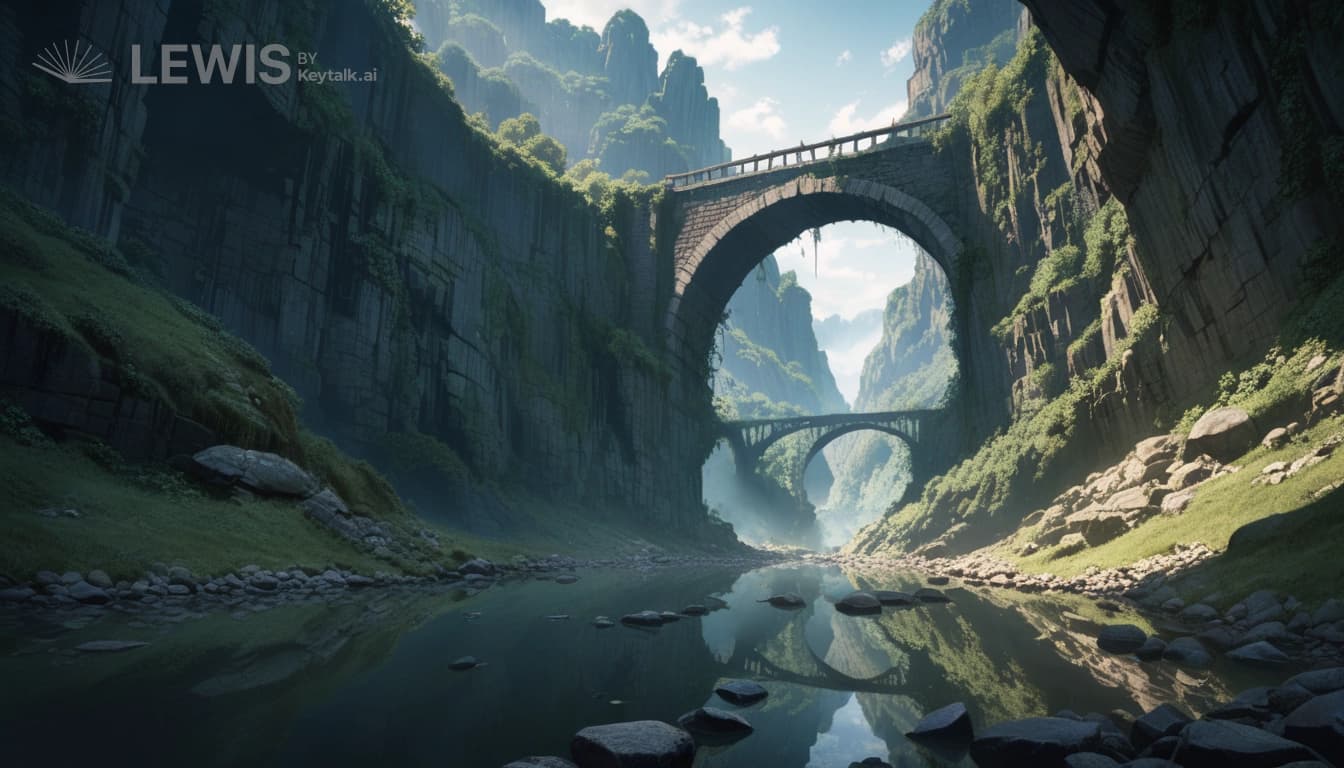
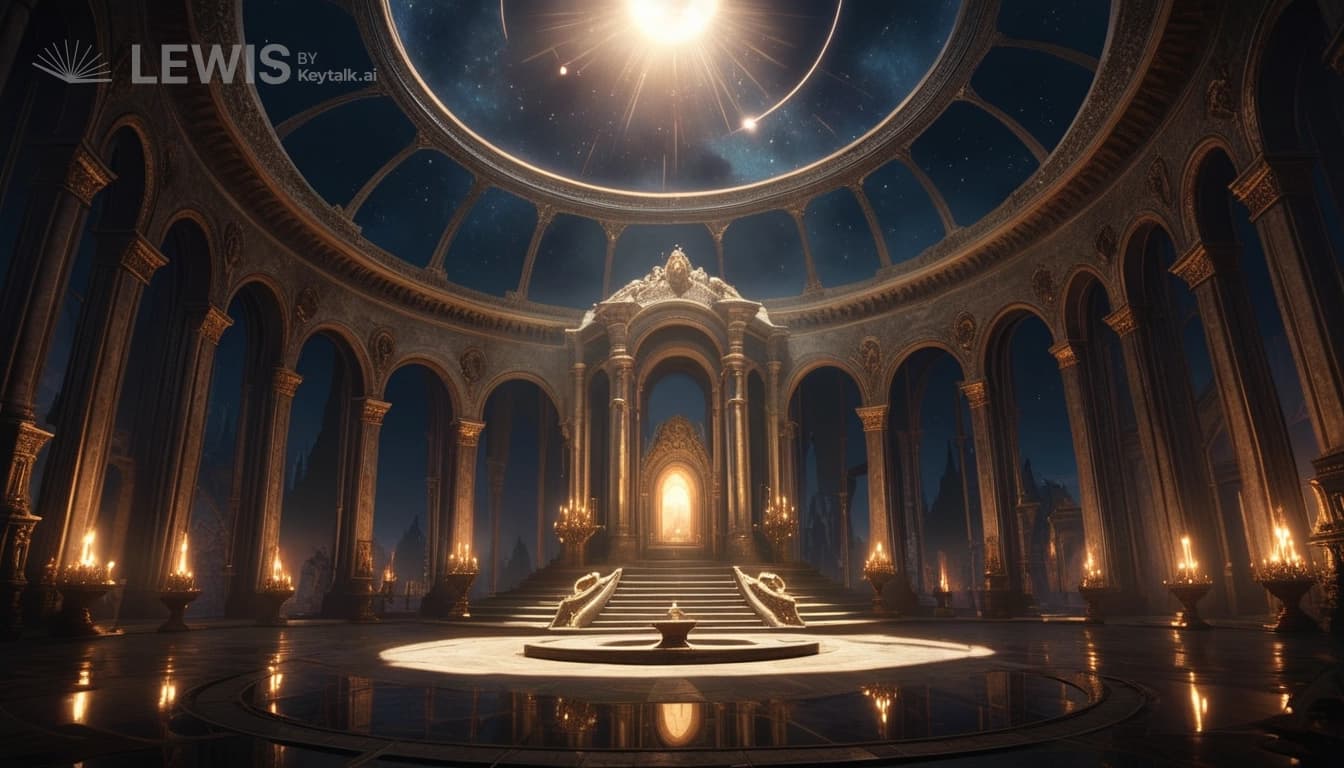
The air within the temple is thick with dust and the musty scent of antiquity. Shafts of light pierce the gloom through strategically placed openings, illuminating motes of dust and creating dramatic shadows that seem to move of their own accord. As the team progresses deeper, they encounter increasingly elaborate and unsettling architectural features - rotating rooms, bridges over seemingly bottomless pits, and chambers that defy conventional geometry.
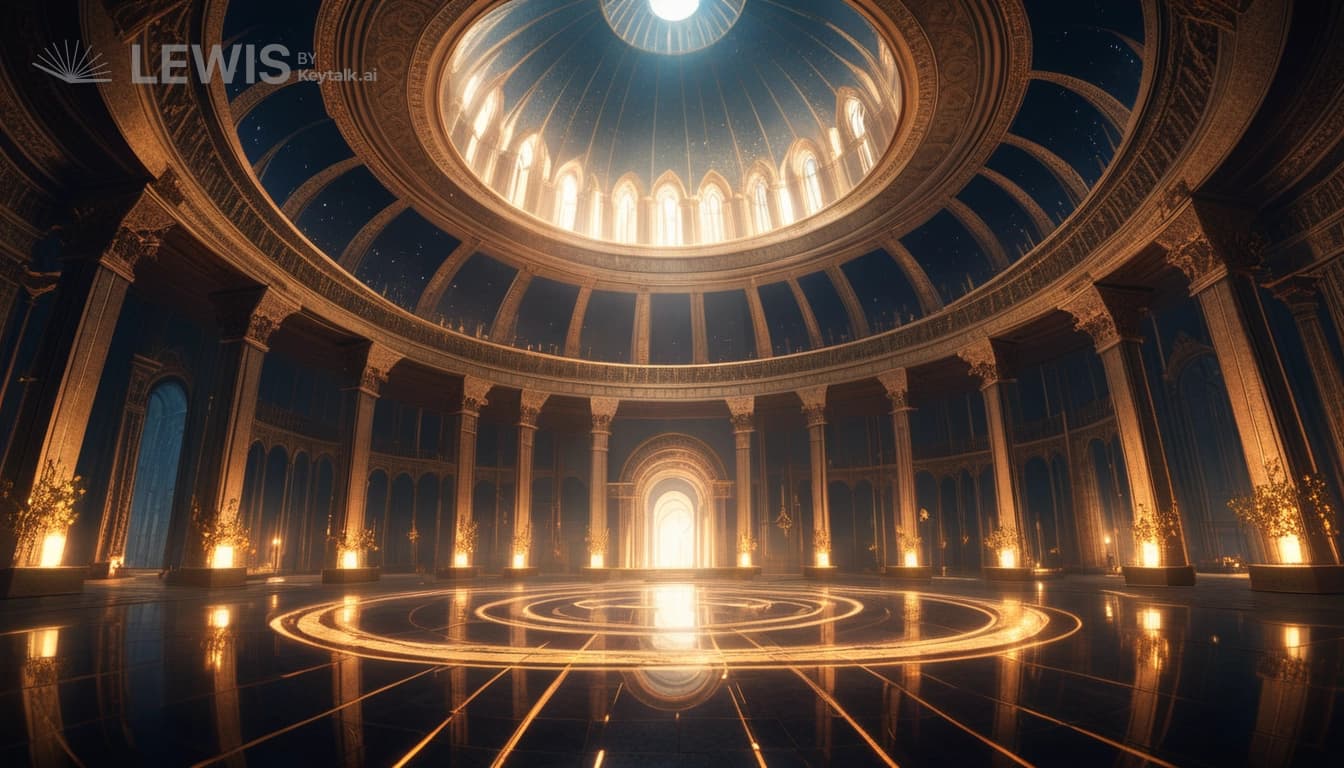
The puzzles and mechanisms within the temple are a blend of ancient ingenuity and otherworldly design. Intricate clockwork devices of gold and electrum interlock with stone constructions that seem to pulse with an inner light. Strange symbols glow with an eldritch energy, and certain chambers appear to exist in multiple planes of reality simultaneously.
4. Notable technologies or philosophies of the universe that impact the story:
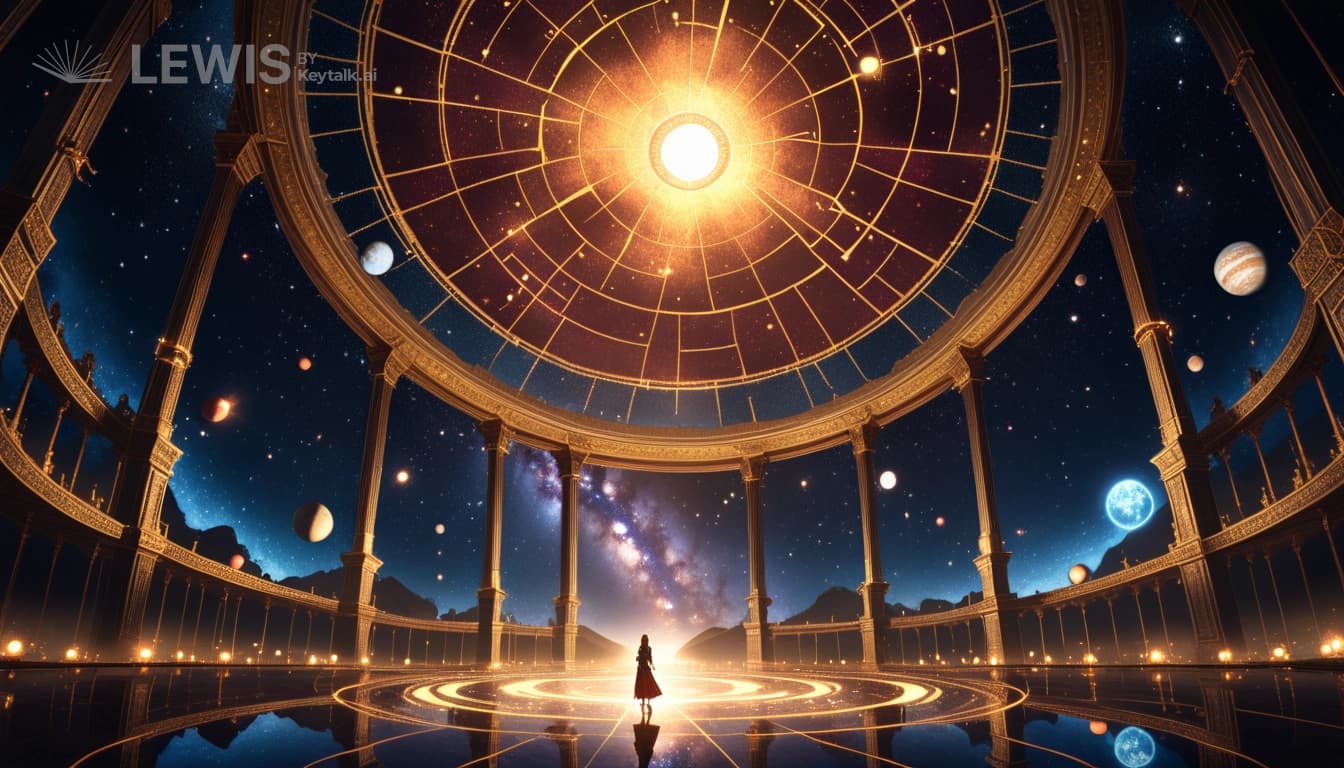
The temple represents a pinnacle of ancient Egyptian engineering and mystical knowledge, far beyond what is historically known. Its construction and the puzzles within suggest a sophisticated understanding of astronomy, mathematics, and physics that rivals or surpasses modern science in some aspects. This advanced ancient technology creates a sense of wonder and dread, challenging the characters' understanding of history and their place in the universe.
The philosophy underpinning the temple's design and purpose is one of cosmic significance. It suggests a worldview where human actions and celestial events are intimately connected, and where certain individuals can attain godlike power through arcane rituals. This philosophy impacts the story by providing a grand, terrifying context for the team's struggle, elevating their ordeal from a mere archaeological expedition to a battle for the fate of the world.
The concept of knowledge as both power and peril is central to this universe. The temple's secrets offer immense potential for understanding and advancement, but also pose grave dangers to those who seek them. This philosophy is reflected in the characters' arcs, particularly Yuki's obsessive quest for truth and Alexis's brilliant but reckless approach to decryption.
Lastly, the universe operates on a principle of hidden influences and unseen forces. The presence of an assassin within the team, possibly corrupted by the temple's malevolent energy, speaks to a world where loyalty and identity are fluid, and where ancient evils can reach across time to influence the present. This underlying philosophy of cosmic horror and hidden threats drives the paranoia and suspense that permeate the story, constantly keeping both the characters and the reader on edge.



















댓글 · Comments
댓글 · 0