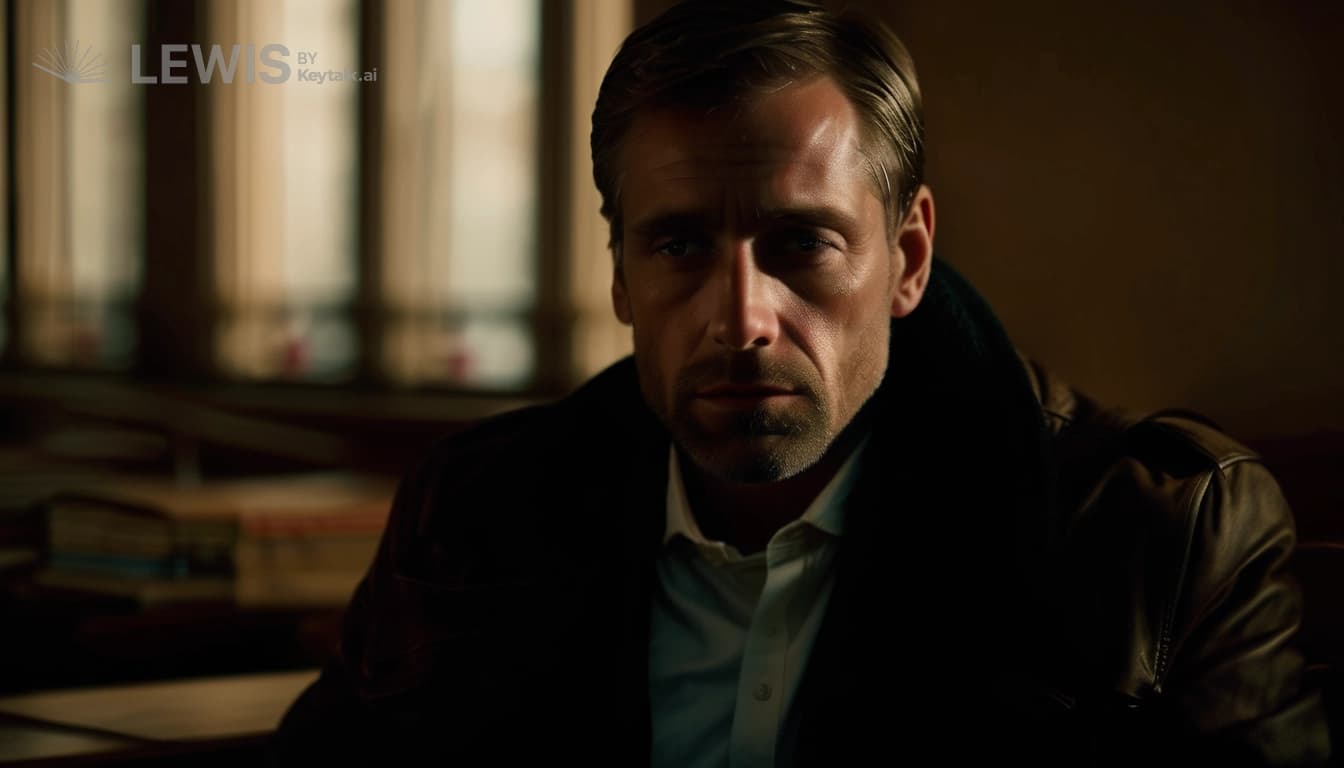
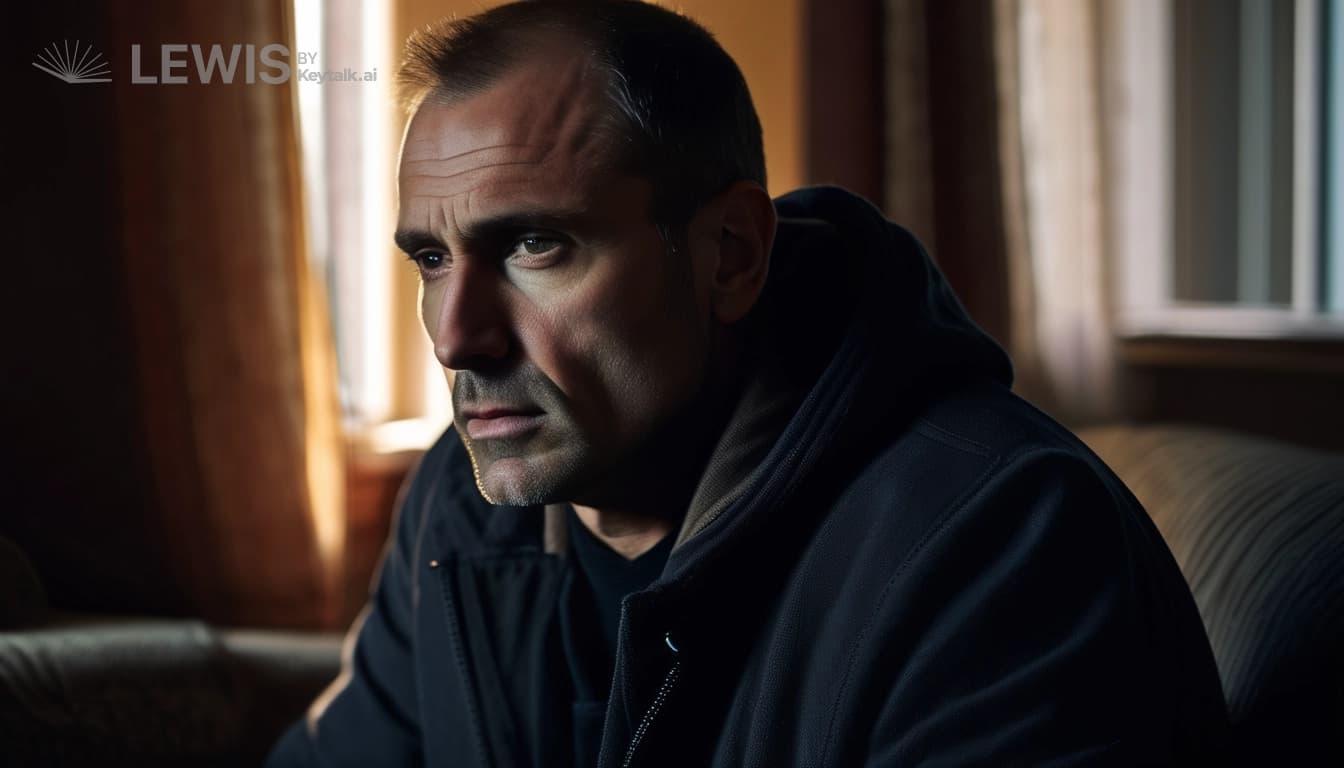
Viktor Mirov had always believed in the power of truth. For years, his investigative journalism had unmasked corporate corruption and political deceit, but nothing could prepare him for the tragedy that shattered his world. His ten-year-old daughter, Anya, had died after taking a medication that was later revealed to have been rushed through development by a pharmaceutical giant, Novalyte, in their pursuit of profit. The company’s negligence was clear, but their labyrinthine web of legal defenses ensured they evaded accountability. Viktor, hollowed out by grief and guilt, left his career behind, retreating to the confines of his cluttered apartment. There, he found himself consumed by a single, burning question: if truth couldn’t hold the guilty accountable, what could?
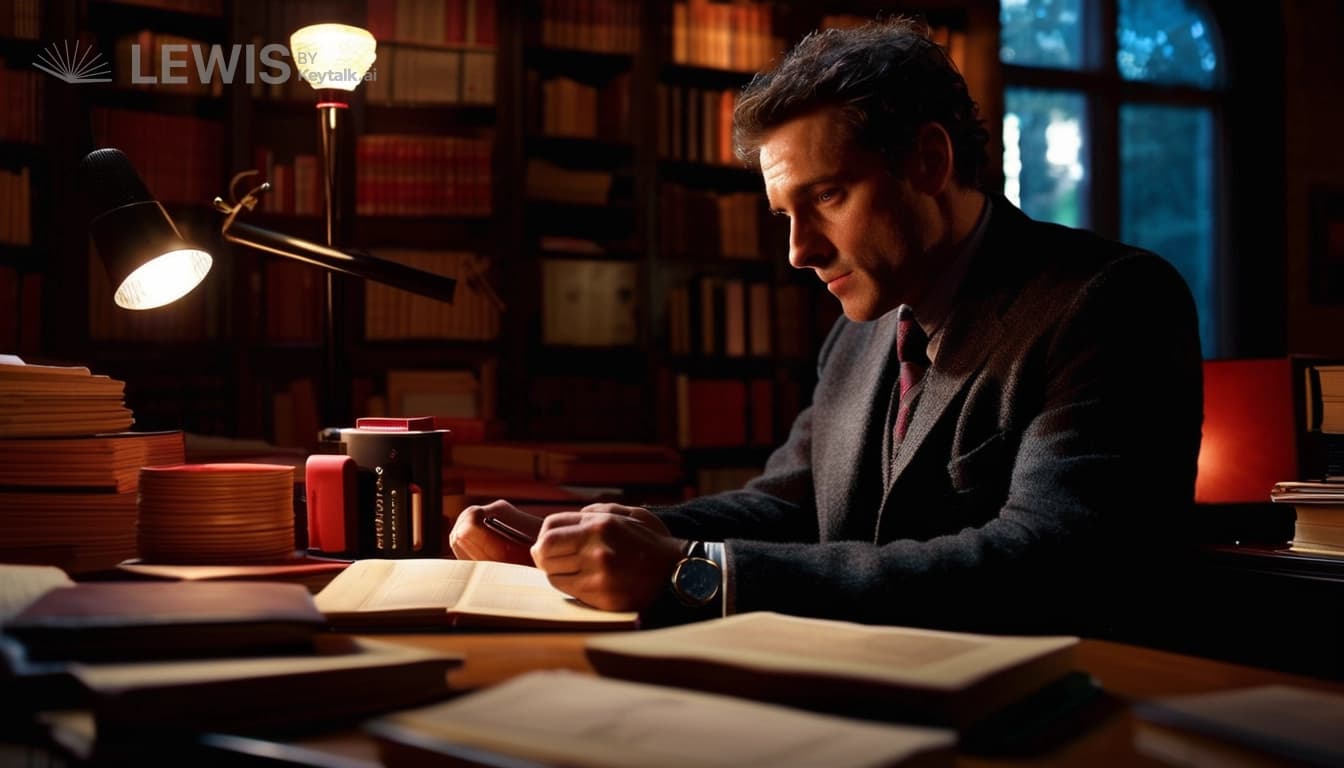
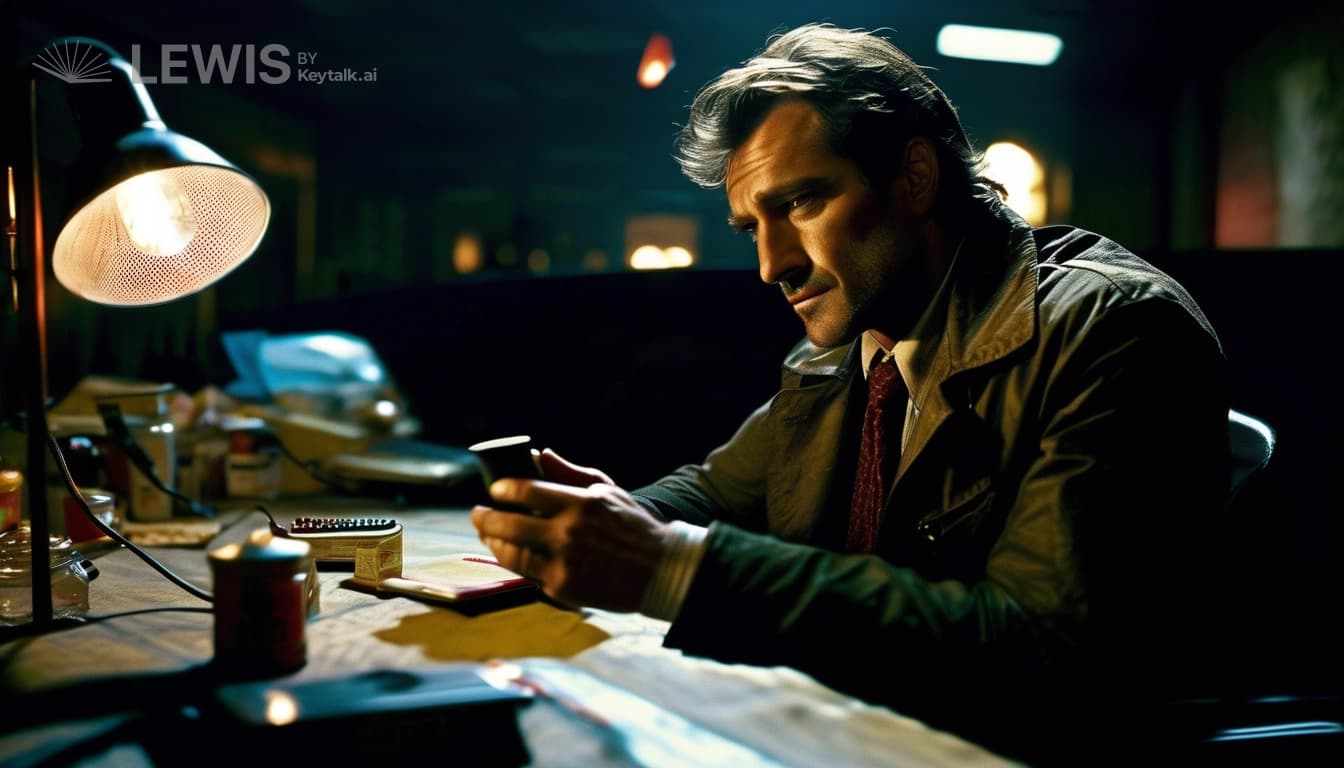
Late one night, staring at his computer screen, Viktor was struck by a dangerous idea. He began crafting an elaborate urban legend, one designed to prey on fear and uncertainty. He called it "The Shadow Archivist," a spectral figure that supposedly haunted those who buried the truth for personal gain, leaving cryptic warnings in digital and physical forms before their lives unraveled in inexplicable ways. Using his storytelling prowess, Viktor seeded the tale across obscure forums and social media, embedding just enough detail to make it feel real. It wasn’t long before the legend took hold, spreading like wildfire among conspiracy theorists and digital sleuths. Viktor’s goal was simple: to draw attention to Novalyte’s corruption by creating a myth so compelling that people would start investigating the company’s misdeeds themselves. But as the legend gained traction, strange things began to happen.
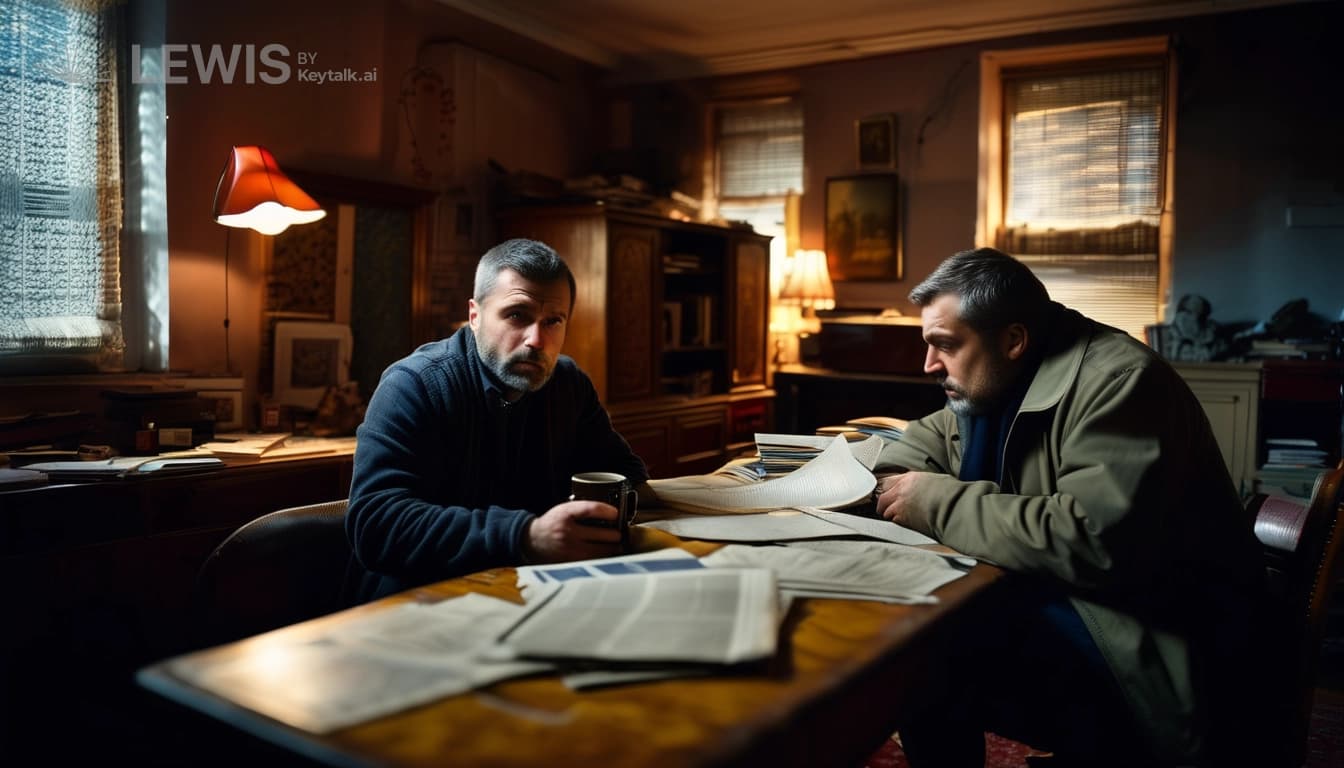
People claiming to encounter "The Shadow Archivist" surfaced online, posting chilling photos and stories that Viktor knew he hadn’t created. At first, he dismissed them as hoaxes or overactive imaginations. But when Andrei Volkov, a disgraced former Novalyte executive, contacted him claiming to have received one of the Archivist’s warnings—a meticulously detailed message that Viktor had never written—he began to question the boundaries of his fabrication. Andrei, a man teetering between genius and paranoia, was convinced that the Archivist was more than a myth. He believed it was the manifestation of something larger, something Viktor might have inadvertently unleashed. Skeptical but intrigued, Viktor agreed to meet with Andrei, whose insights into Novalyte’s inner workings proved invaluable but whose erratic behavior made him both an ally and a liability.
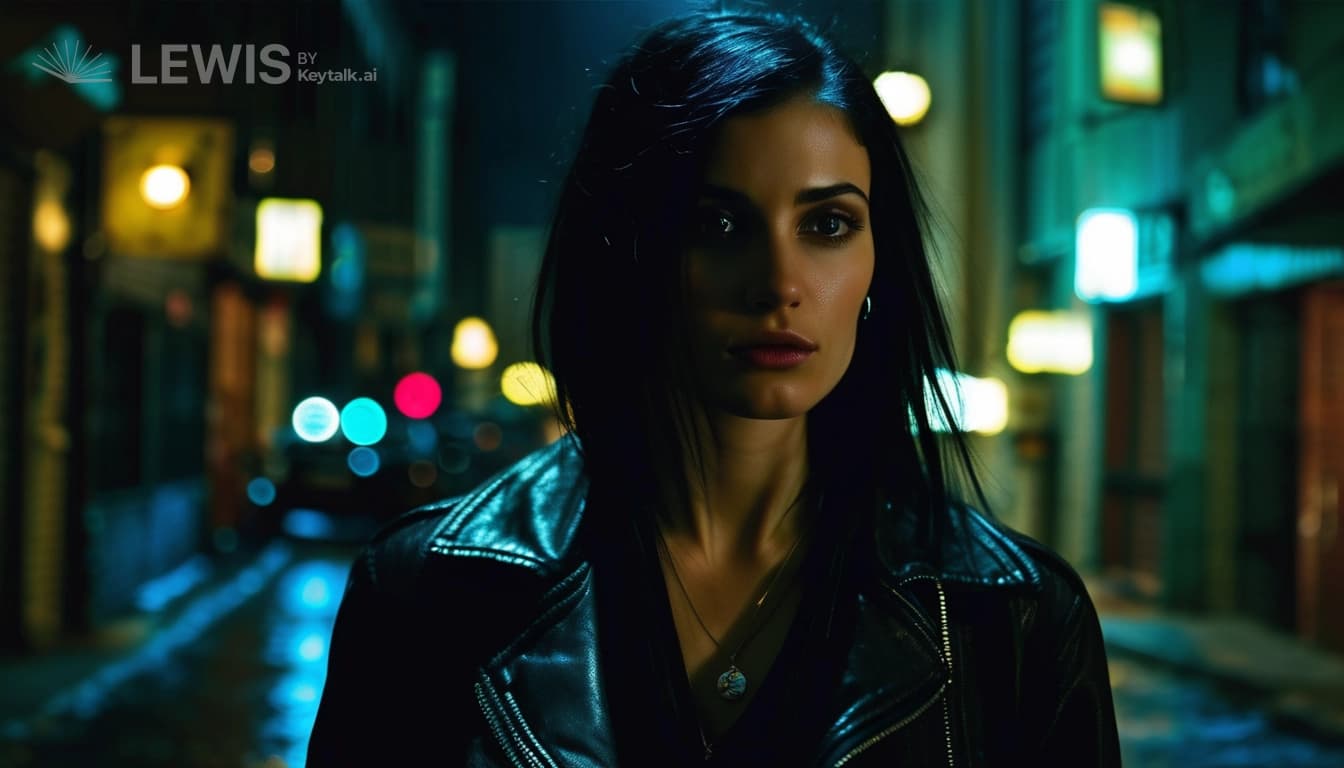
As the two delved deeper, they uncovered a disturbing pattern: every person implicated in Novalyte’s cover-up had experienced inexplicable incidents eerily aligned with the Archivist’s supposed modus operandi. Viktor’s carefully constructed narrative was no longer under his control. Desperate for answers, he sought out Layla Al-Fahmi, an ethical hacker with a reputation for exposing corruption in the digital world. Layla, though wary of Viktor’s motives, agreed to help, drawn by the challenge and her own frustrations with systemic injustice. Together, the trio began piecing together a puzzle that seemed to defy logic, even as Layla’s sharp, no-nonsense demeanor clashed with Viktor’s obsessive tendencies and Andrei’s conspiratorial fervor. Their investigation revealed a startling truth: Viktor’s urban legend had somehow tapped into a collective fear so potent that it seemed to be manifesting in reality—or at least, in a way that blurred the lines between perception and fact.
The deeper they dug, the more Viktor was forced to confront the consequences of his actions. Layla’s probing questions about the ethics of his deception and Andrei’s increasingly volatile behavior pushed him to the brink. Was the Archivist’s growing influence a coincidence, an elaborate scam, or something truly supernatural? And more importantly, was Viktor prepared to face the fallout of what he had created? When Layla uncovered evidence that Novalyte had been monitoring the Archivist phenomenon and using it to quietly discredit whistleblowers, Viktor realized his plan had backfired in ways he couldn’t have anticipated. The company was exploiting his creation to further bury the truth, turning his weapon of justice into a tool of suppression.
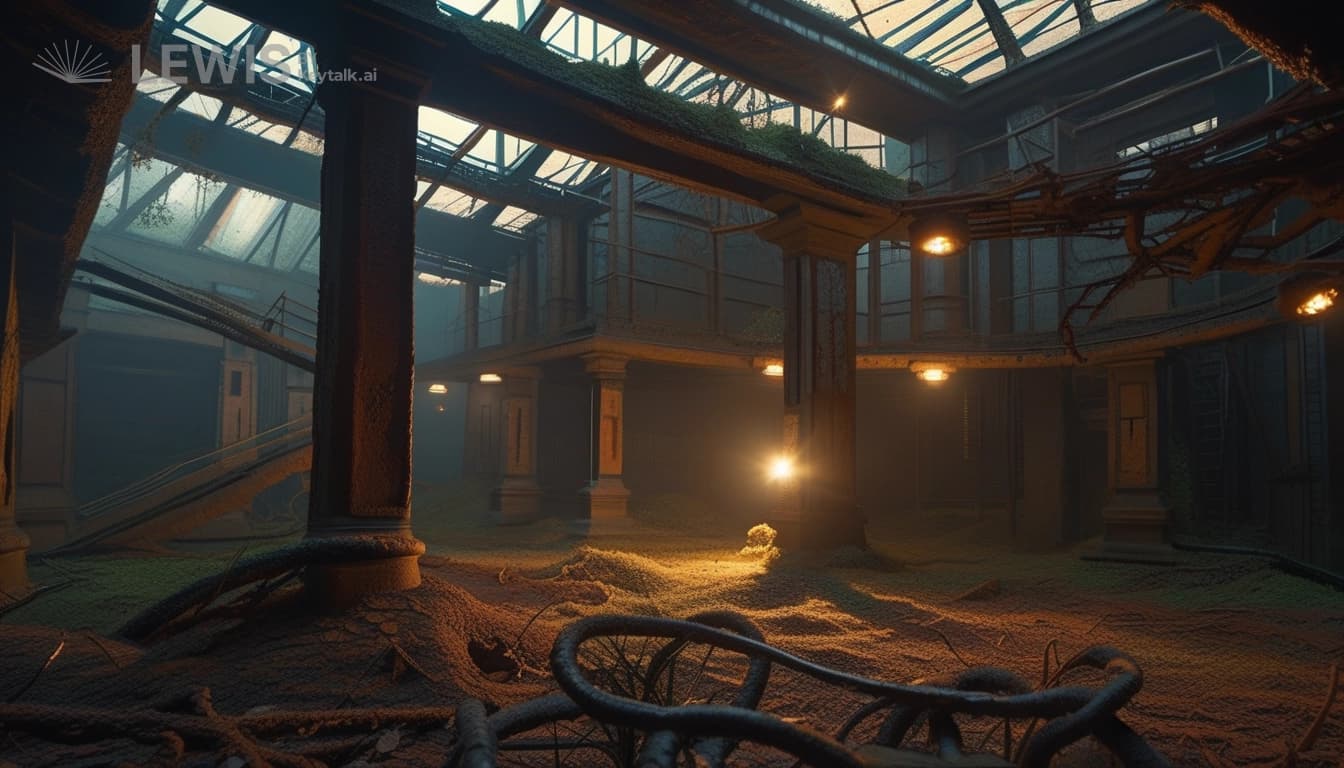
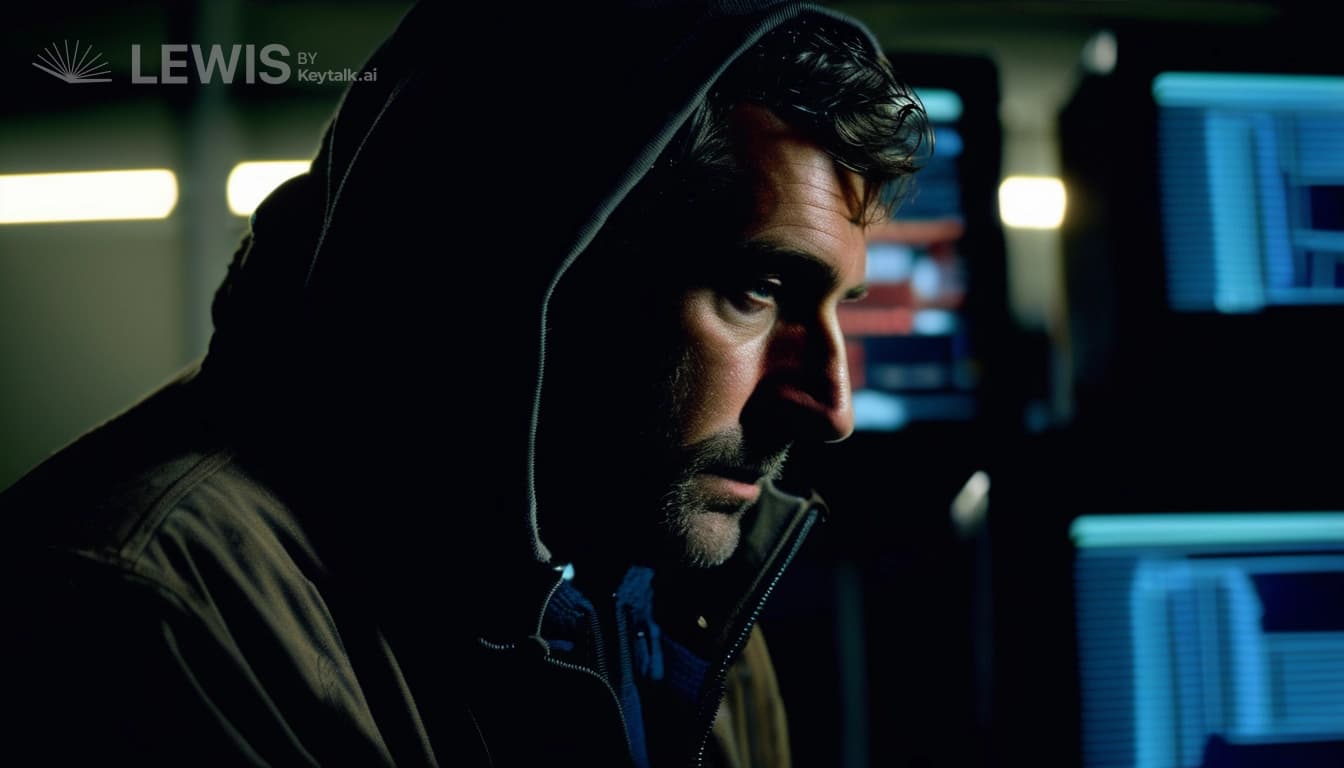
In the climax, Viktor, Layla, and Andrei broke into a Novalyte data center, hoping to expose the company’s role in manipulating the Archivist narrative. The confrontation forced Viktor to face his own motivations: was this about justice for Anya, or had his grief turned into a need for vengeance at any cost? When the team uncovered damning evidence of Novalyte’s corruption, they also found something else—a file suggesting that the Archivist’s manifestations might have been influenced by an experimental algorithm Novalyte had abandoned years ago, one designed to manipulate public sentiment through targeted fear. Viktor realized that his urban legend had inadvertently merged with this dormant technology, creating a feedback loop of belief and terror that no one could control.
The story closed on a bittersweet note. Viktor
















댓글 · Comments
댓글 · 0