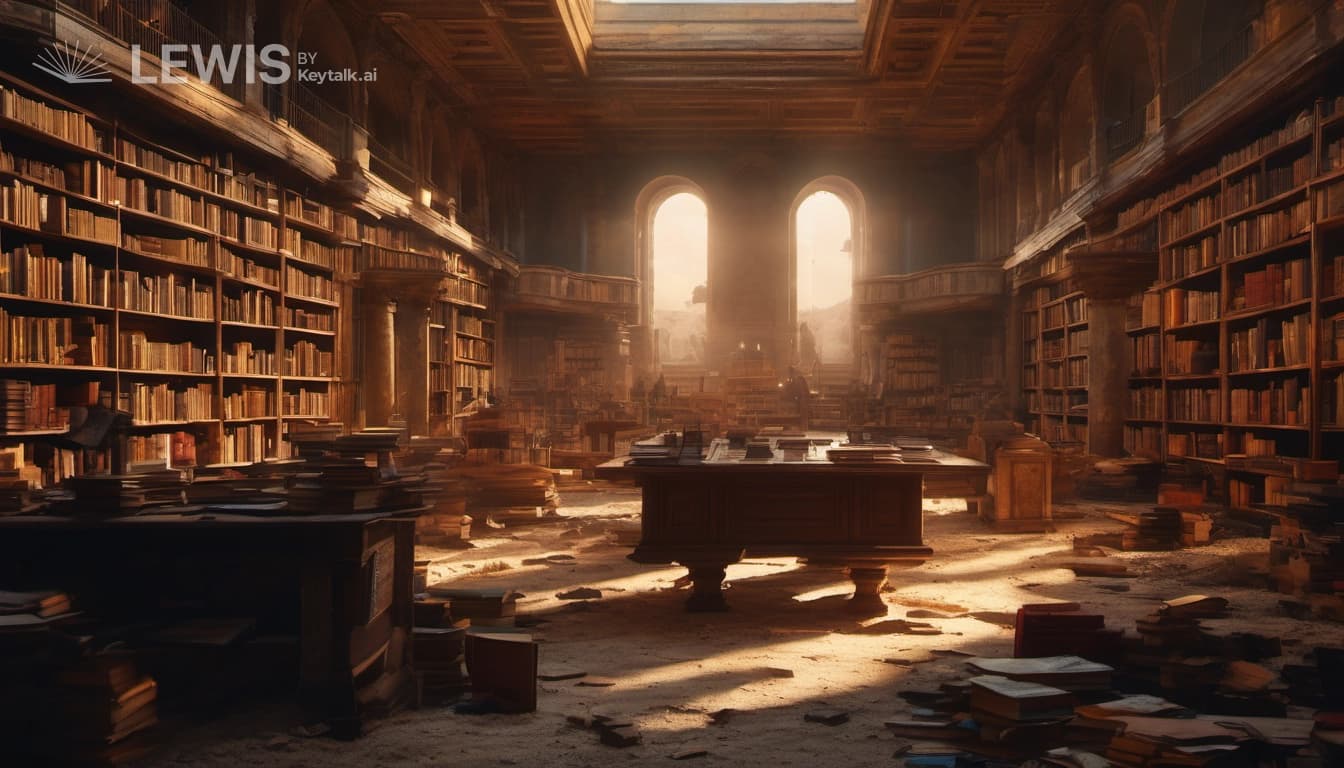
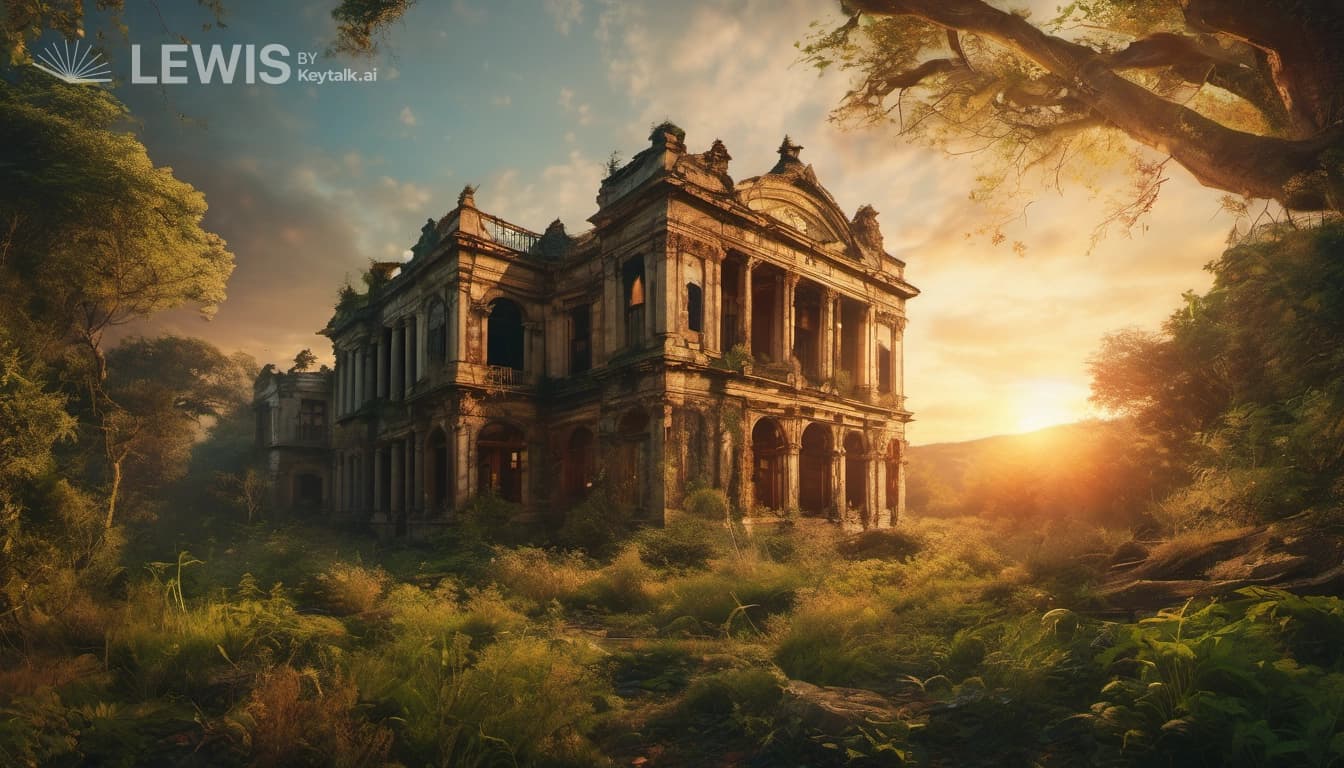
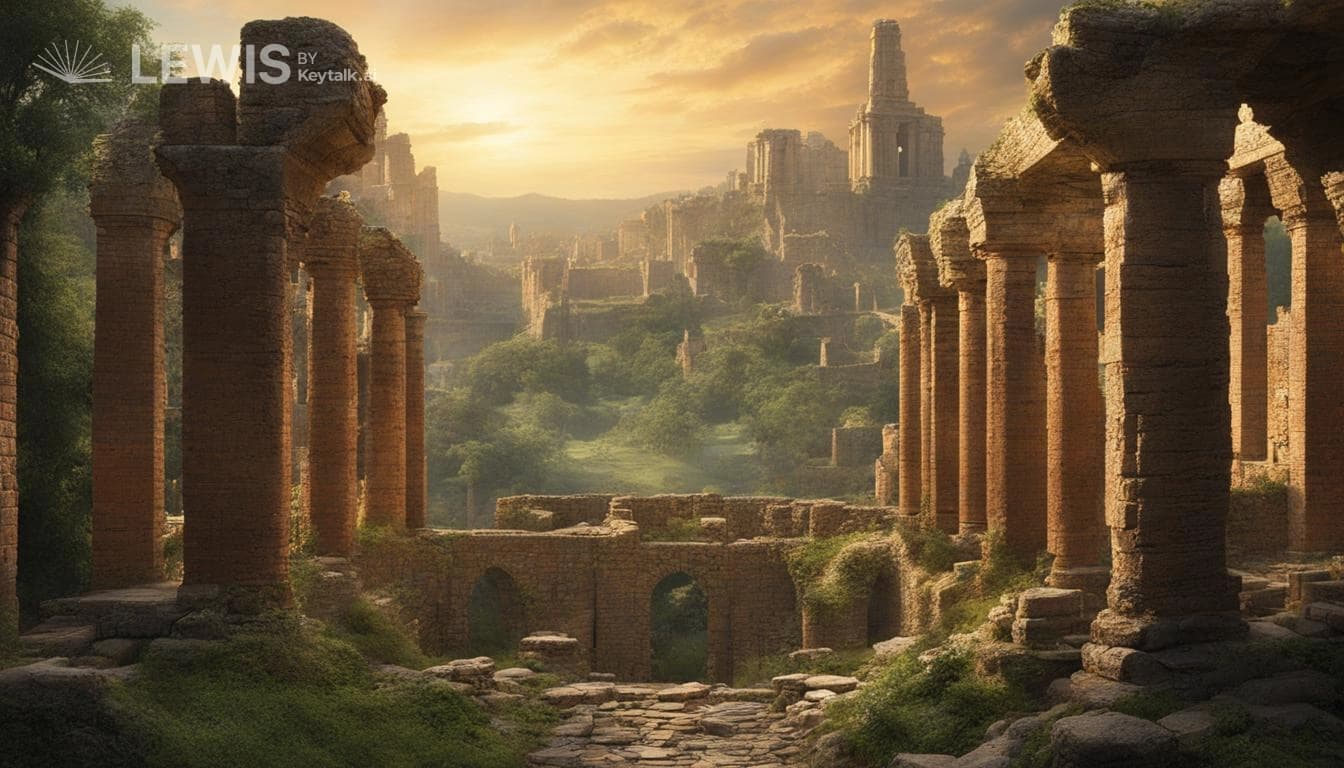
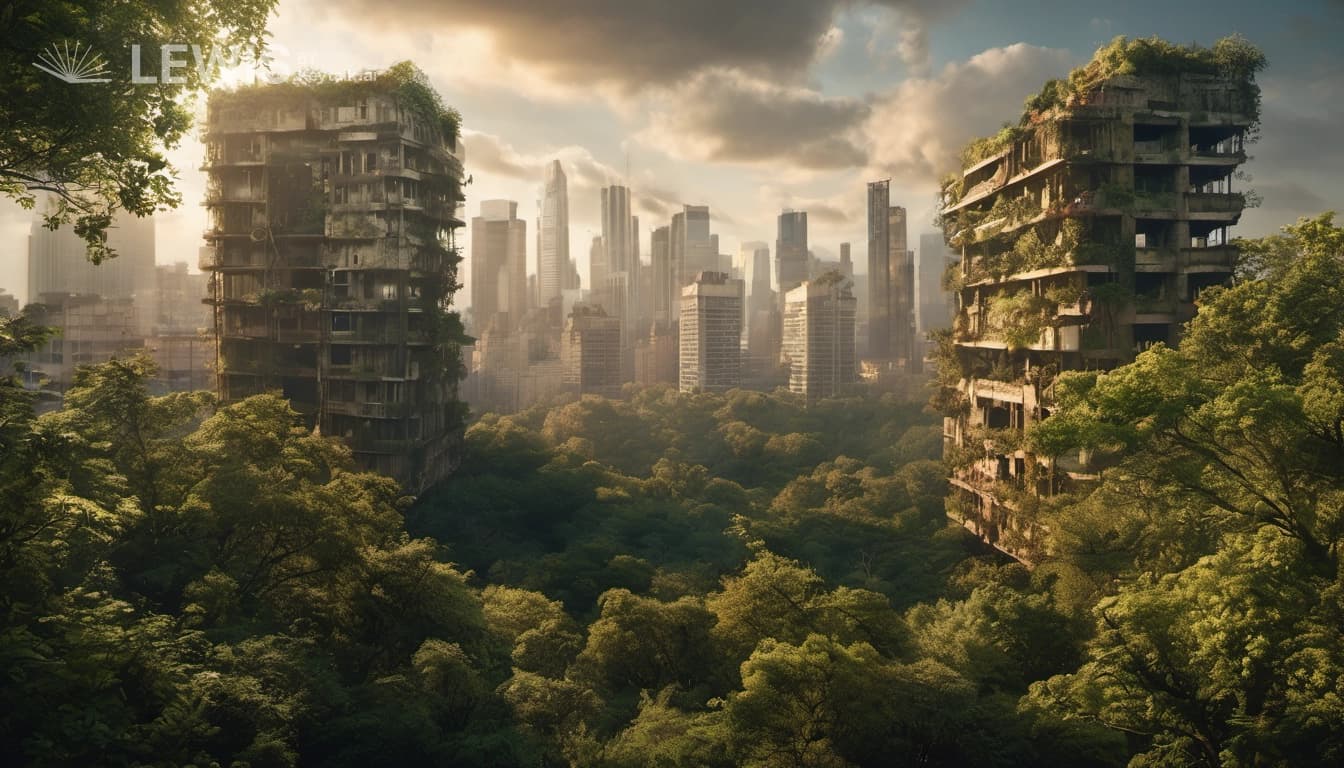
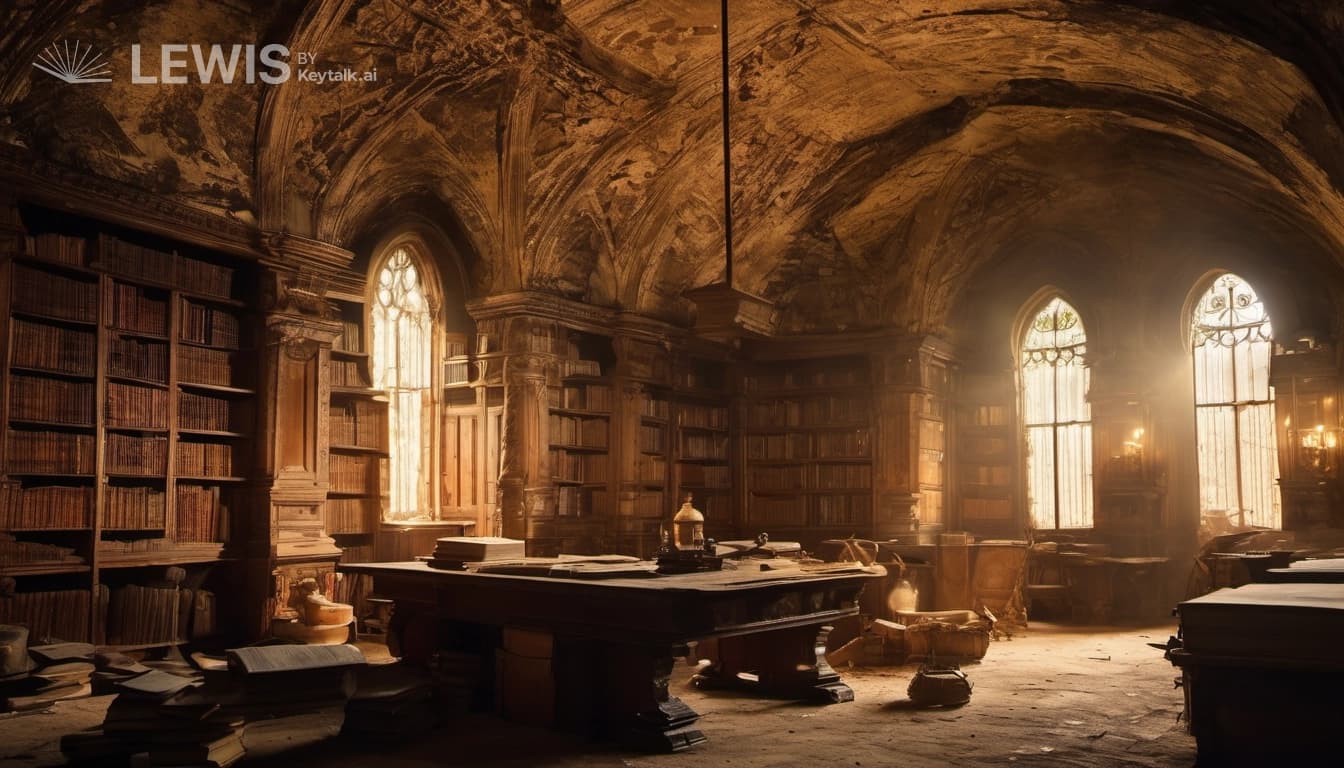
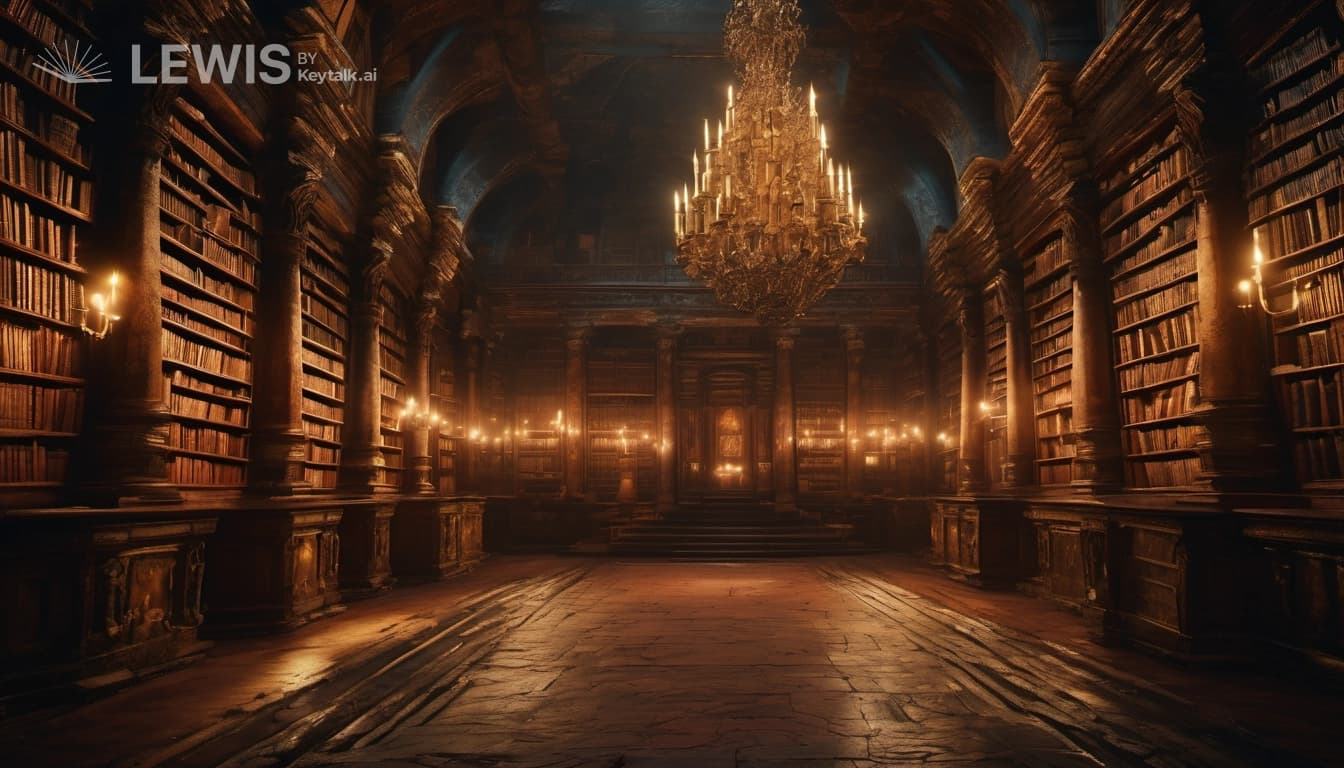
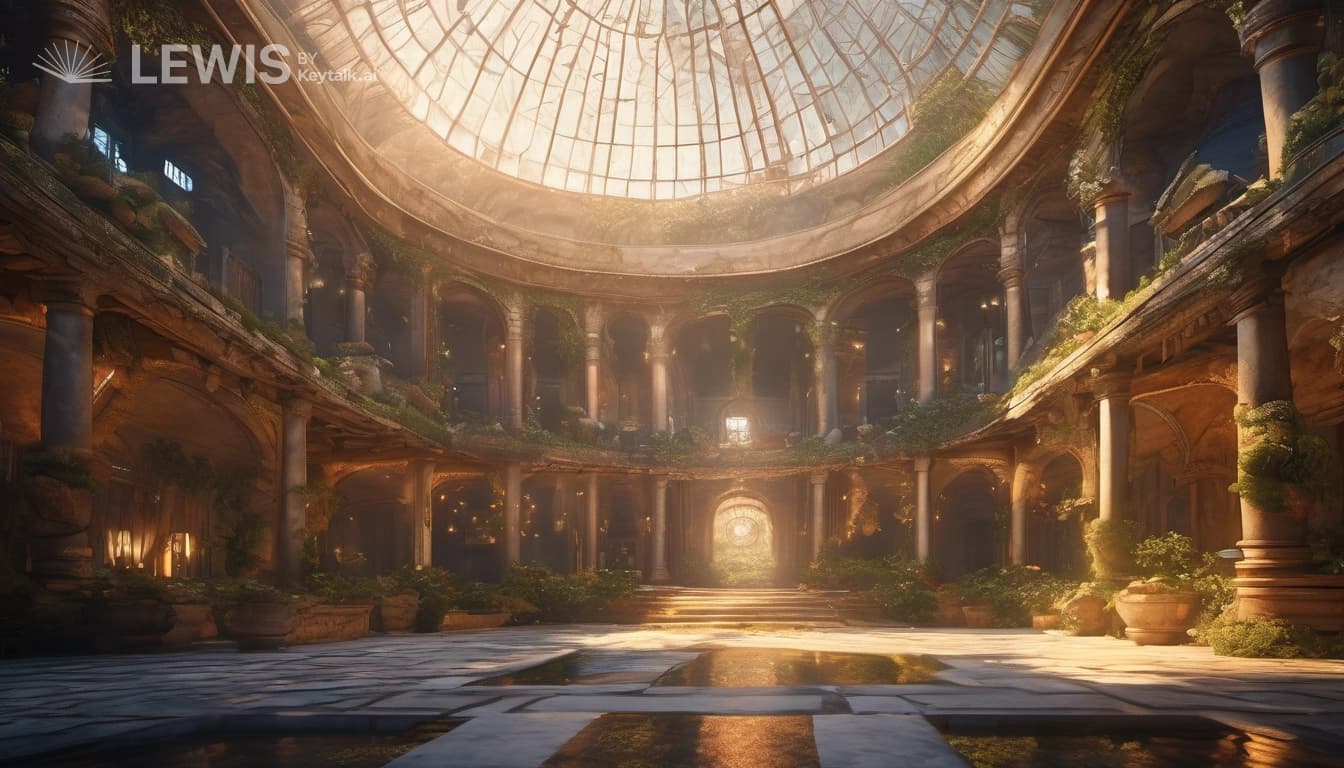
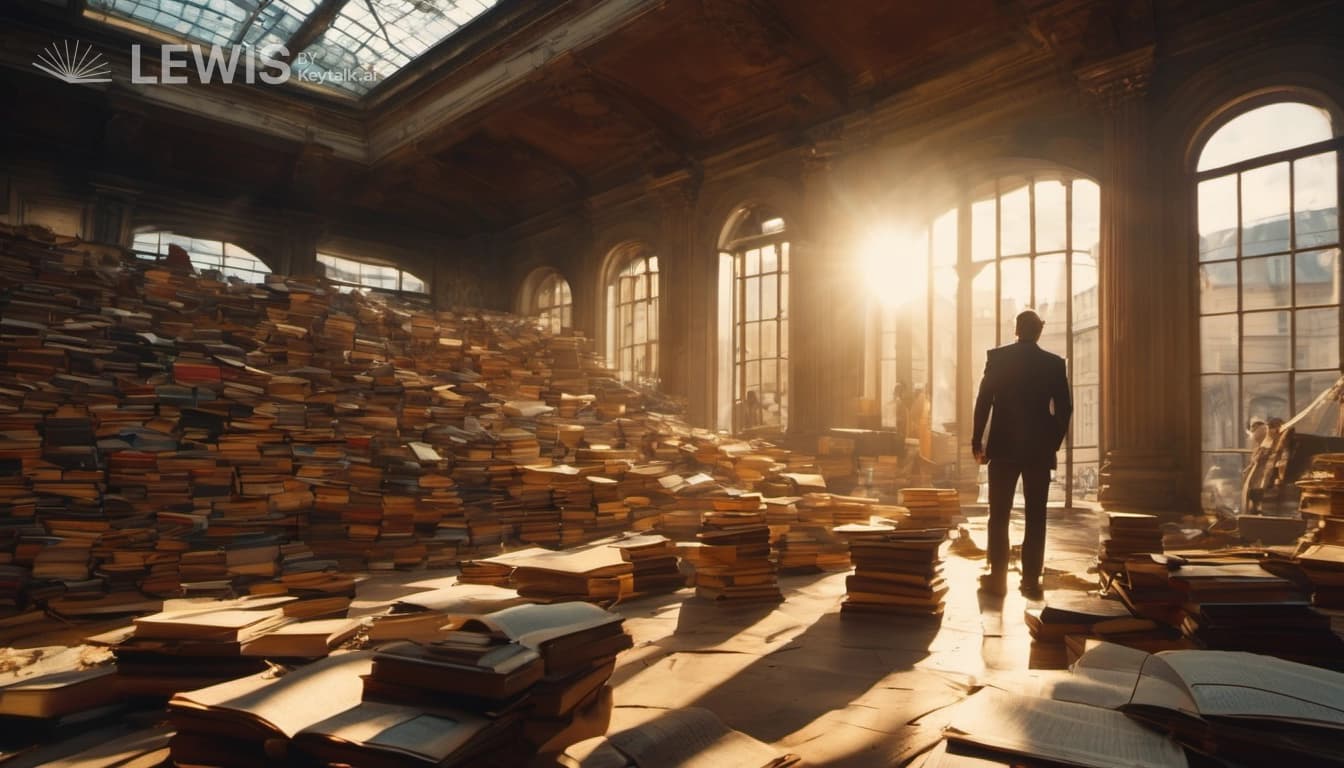
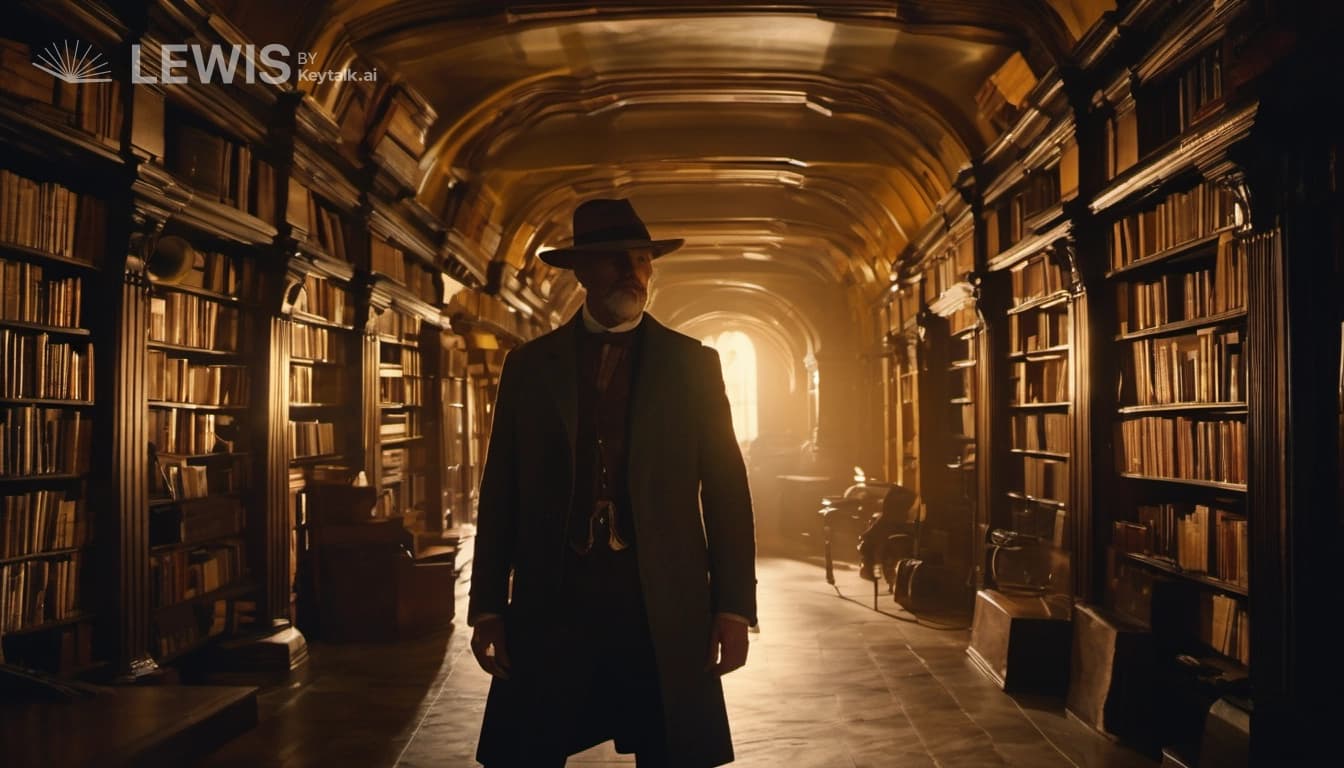
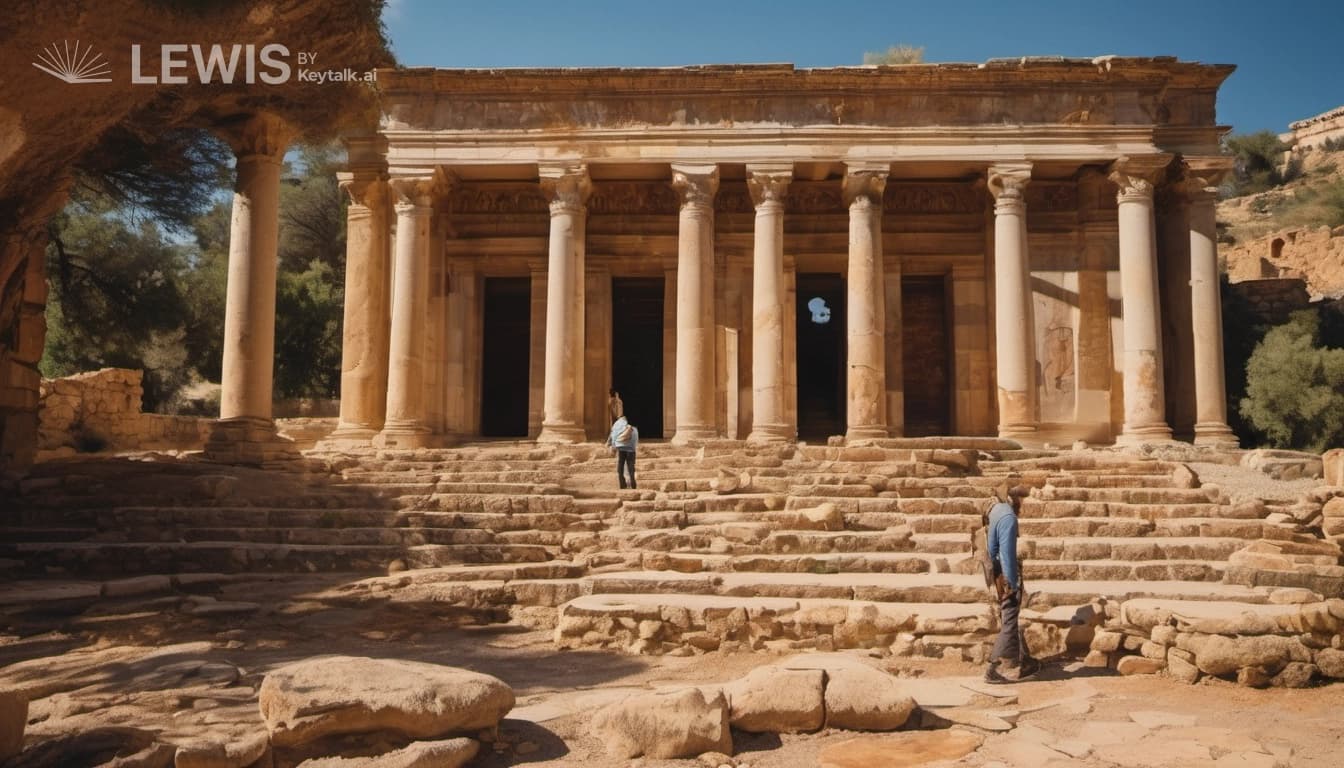
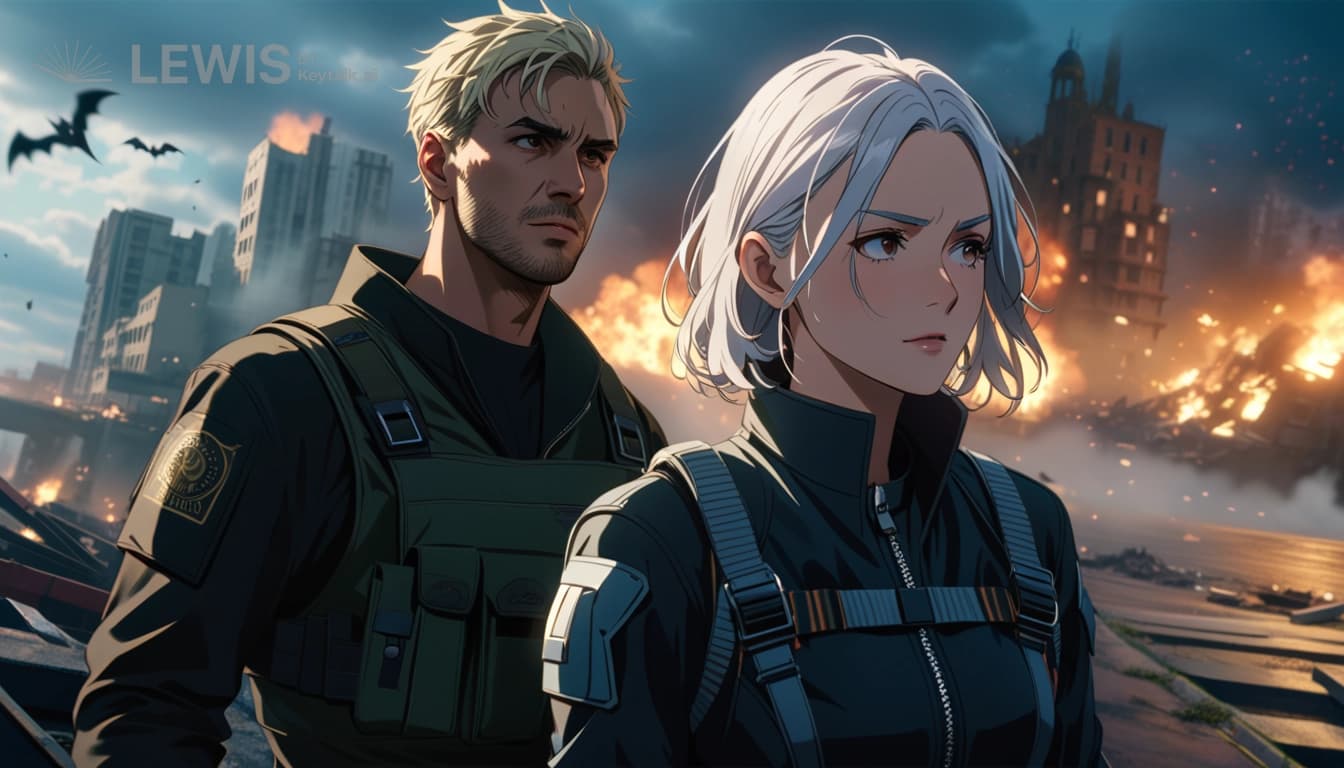
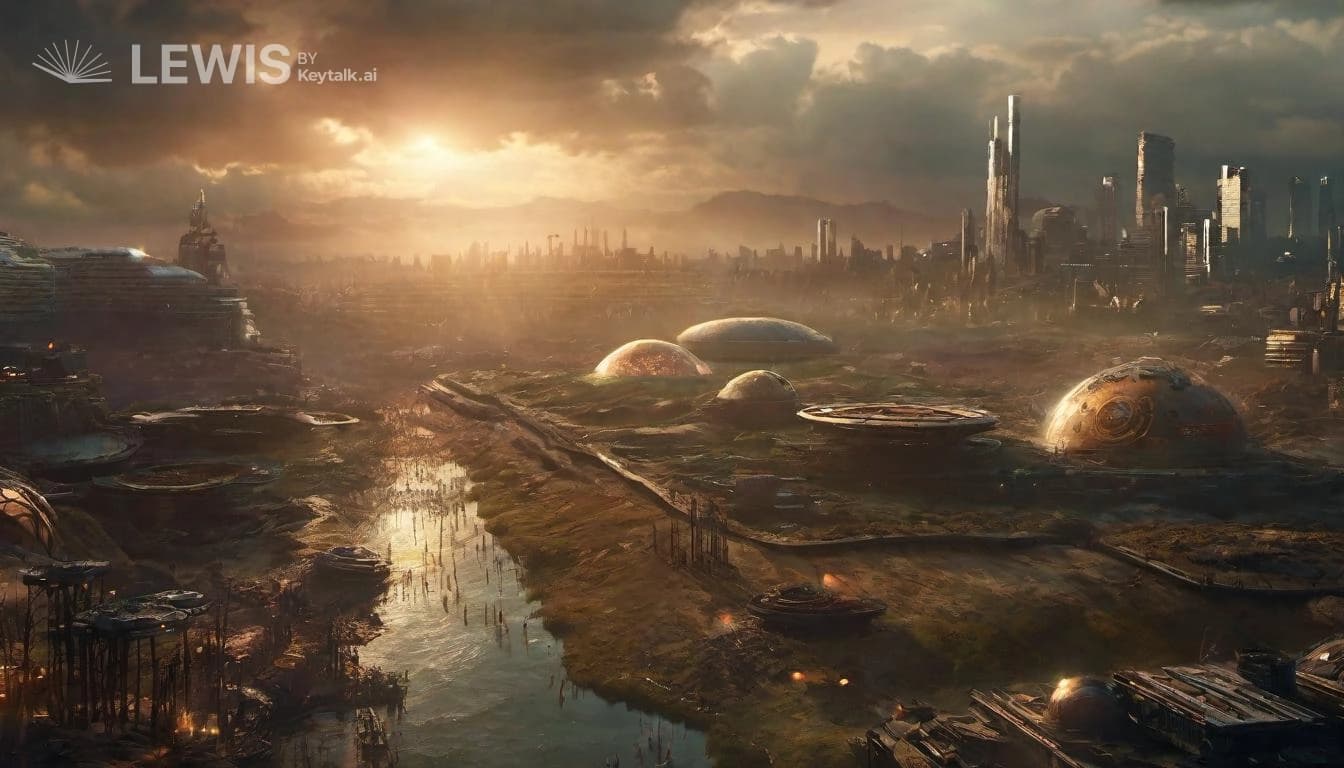
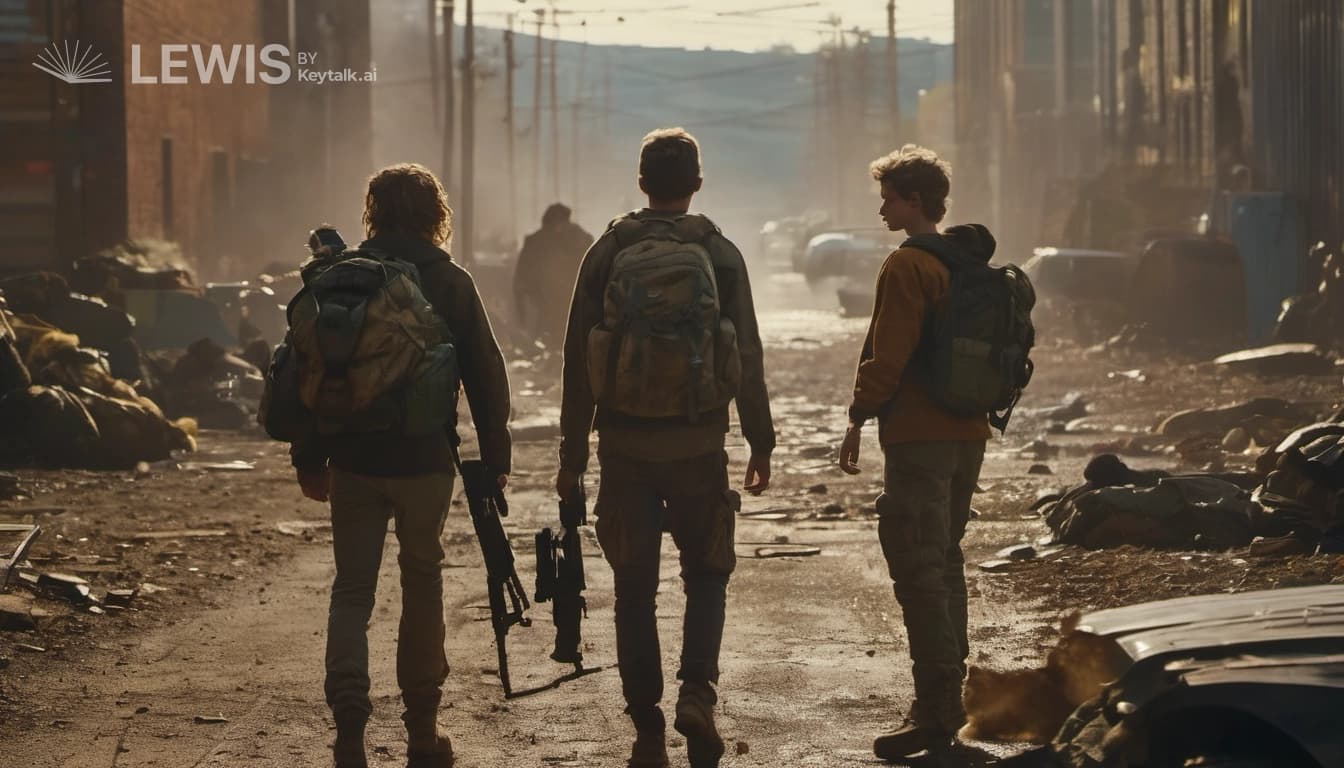
In a world draped in the shadows of collapsed societies, Thales Kincaid leads a group of survivors through the wastelands of what was once a bustling civilization. Amidst the ruins, they find a beacon of the old world—a pre-apocalyptic library, untouched by time and decay. This discovery presents a profound moral dilemma for the group: should they use the knowledge within to restore the world that was, or should they take the lessons of the past and build something entirely new? Thales, with his rich understanding of philosophy and history, is at the forefront of this decision, understanding that their choice will set the course for humanity's rebirth.
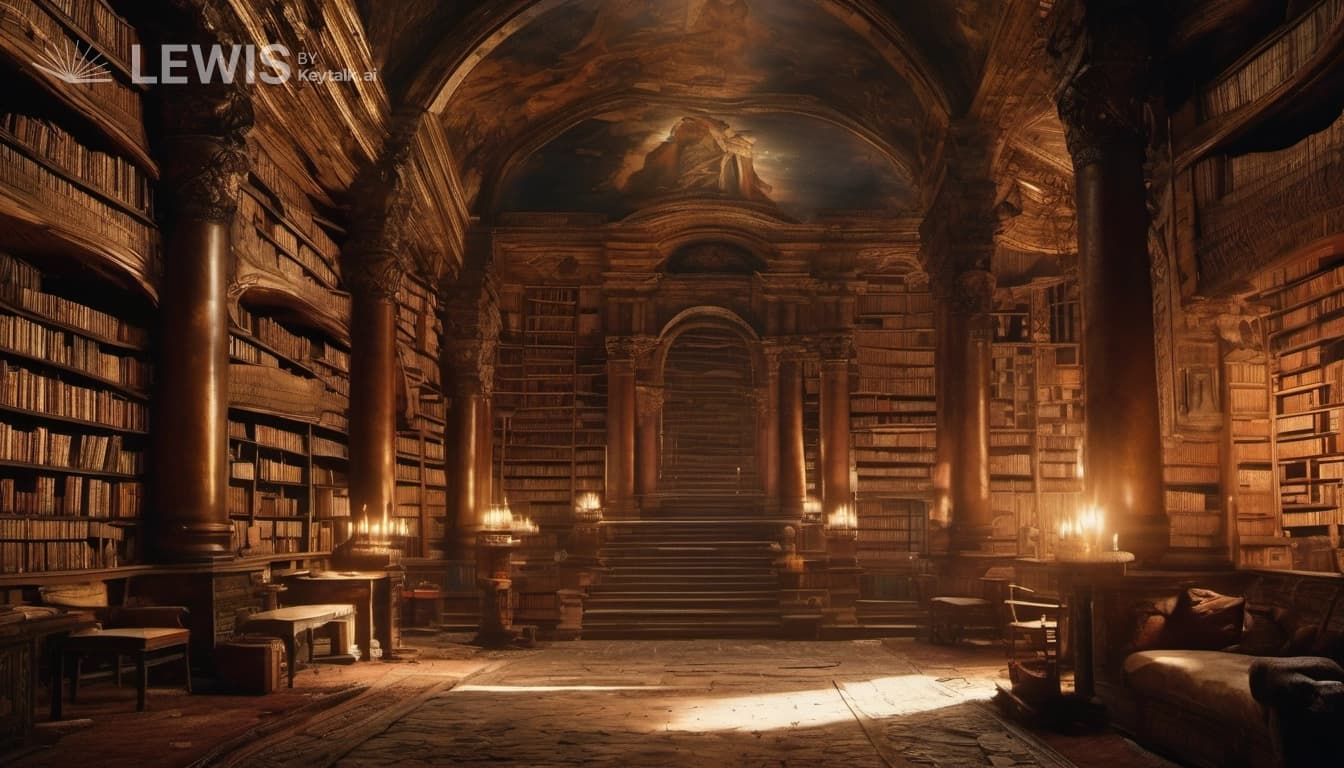
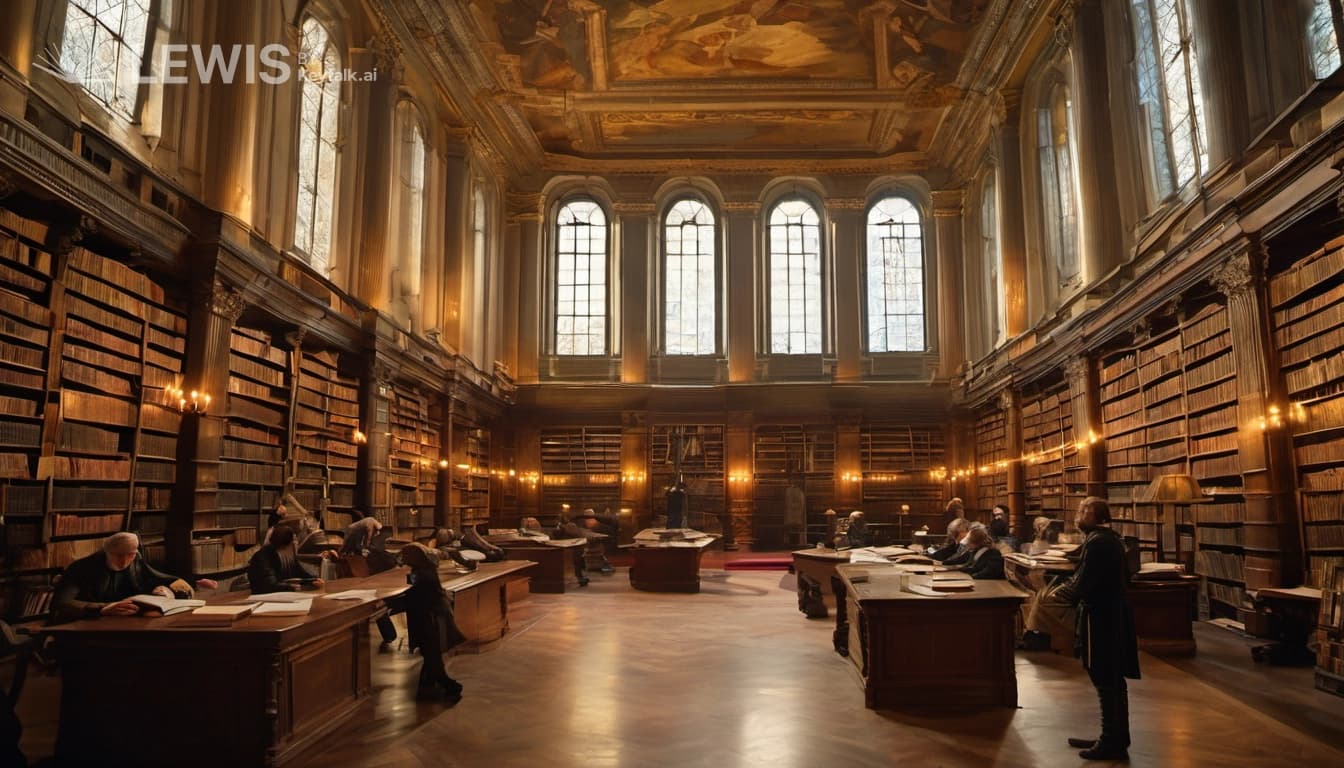
As the group begins to explore the library, Thales encounters Silas Mordecai, the enigmatic archivist who has devoted his life to safeguarding the knowledge of the past. Silas views the library as sacred, a temple of what humanity achieved, and believes that it holds the blueprint for reconstructing society as it was. He sees Thales and his group as interlopers, potential corruptors of the pure record he's maintained. The tension between them escalates as they argue over the library's role in their new world, with Silas adamantly opposing any deviation from the historical path.
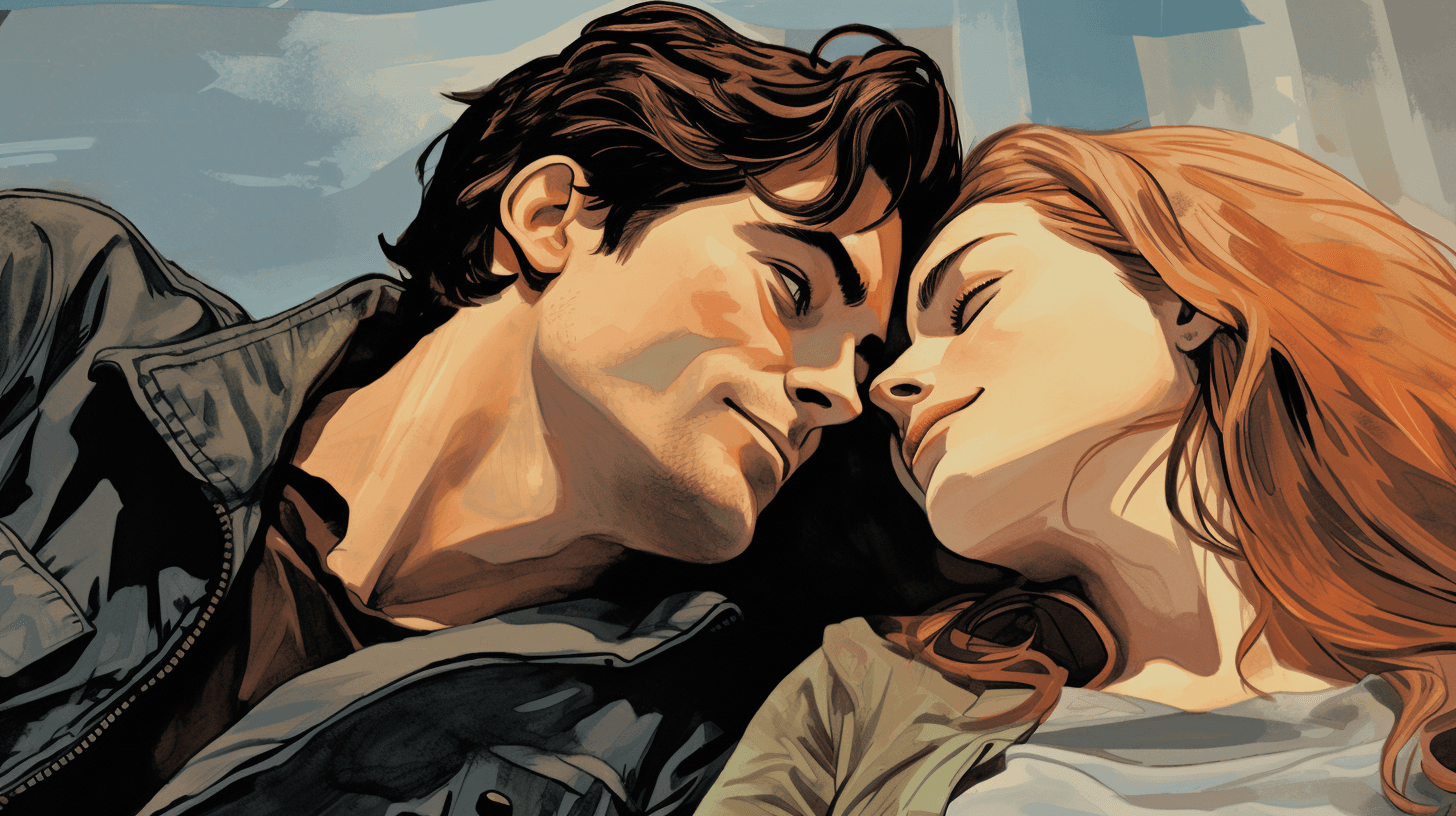
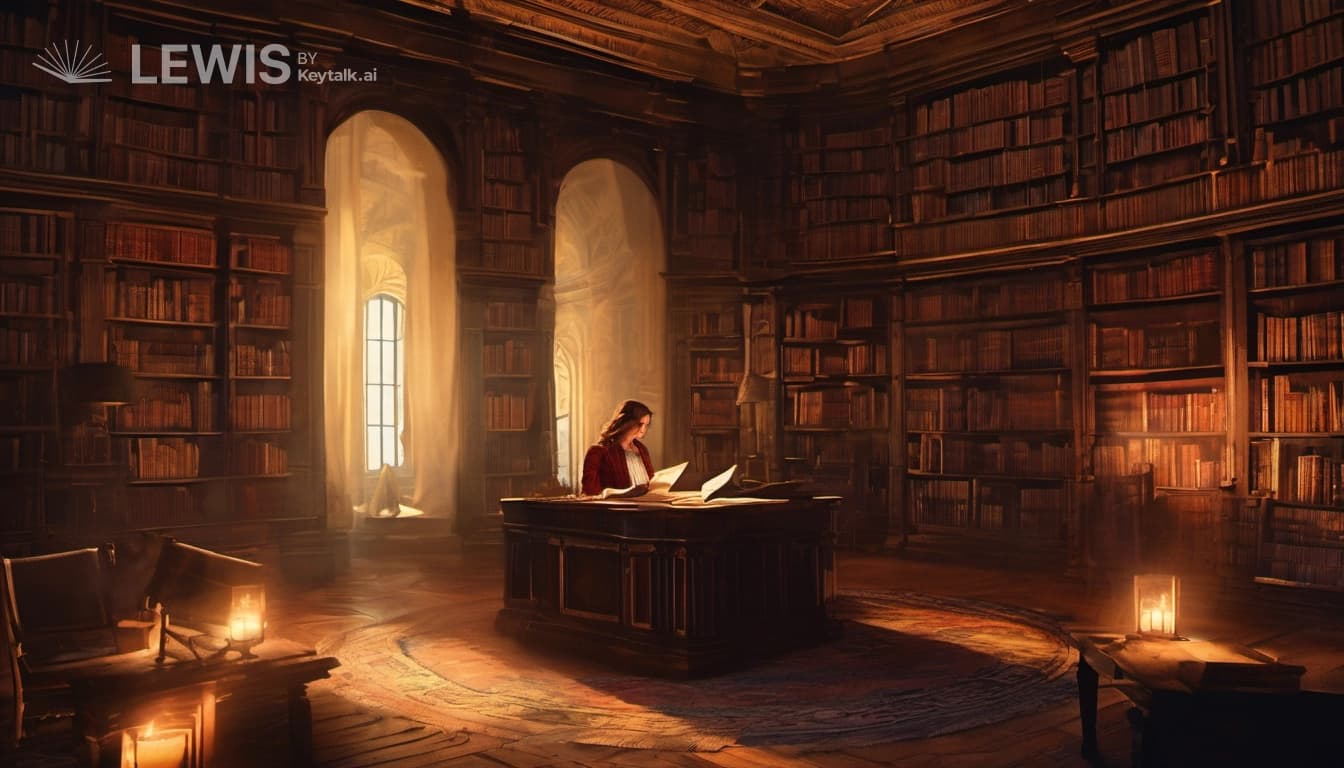
Meanwhile, Thalia Codex, a young archivist who idolizes the world that once was, finds herself caught between the ideals of Thales and Silas. She reveres the library as much as Silas does but is enchanted by Thales' vision of a new world, free from the errors of the past. Thalia becomes the bridge between the old world and the potential for a new one, embodying the conflict of heritage versus innovation. Her decisions and insights begin to sway the group's opinion, adding to the complexity of the choice they face.
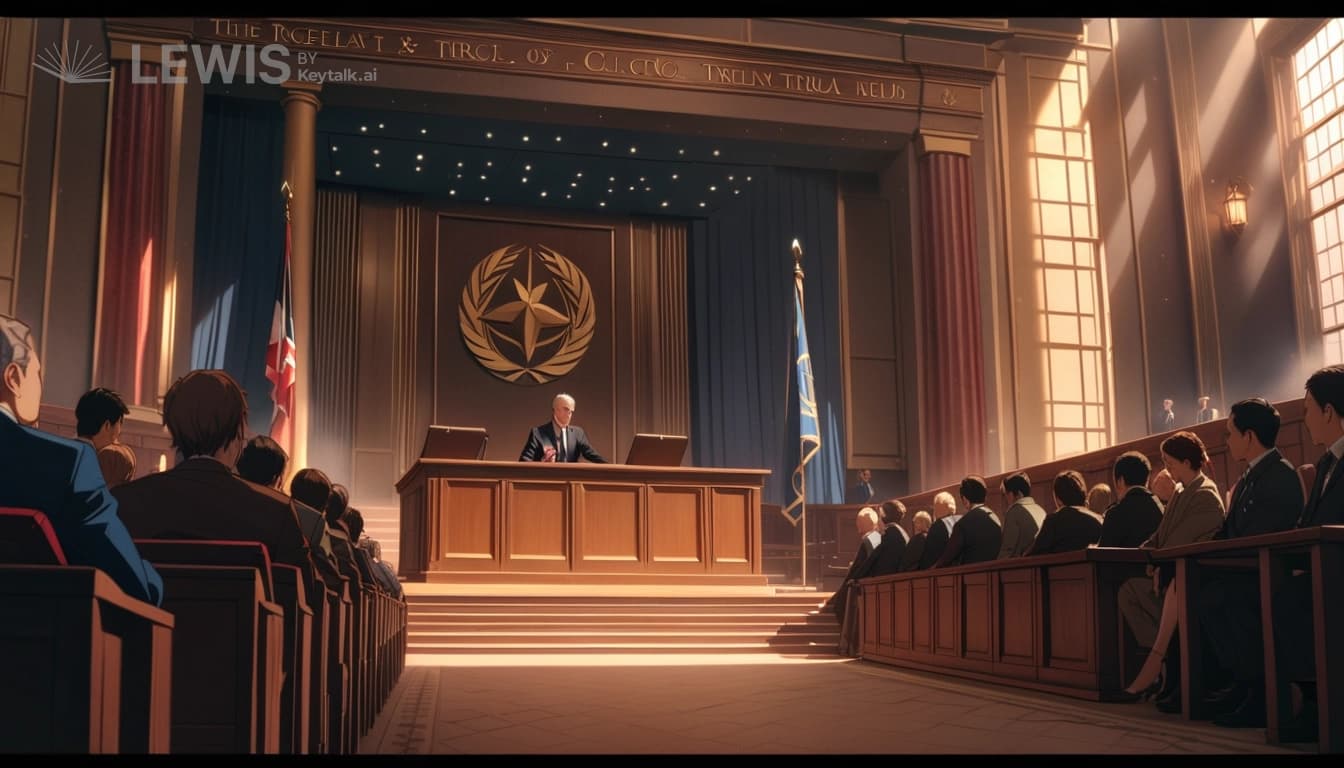
The struggle within the group intensifies as factions form, with some survivors swayed by Silas' arguments for restoration and others inspired by Thales' call for a fresh beginning. Thales realizes that the choice is not just about the direction of their society, but also about the very nature of human existence—whether it's bound by its history or free to redefine itself. The philosophical debates grow heated, with Thales questioning the value of knowledge that led to the world's downfall and Silas defending it as the pinnacle of human achievement.
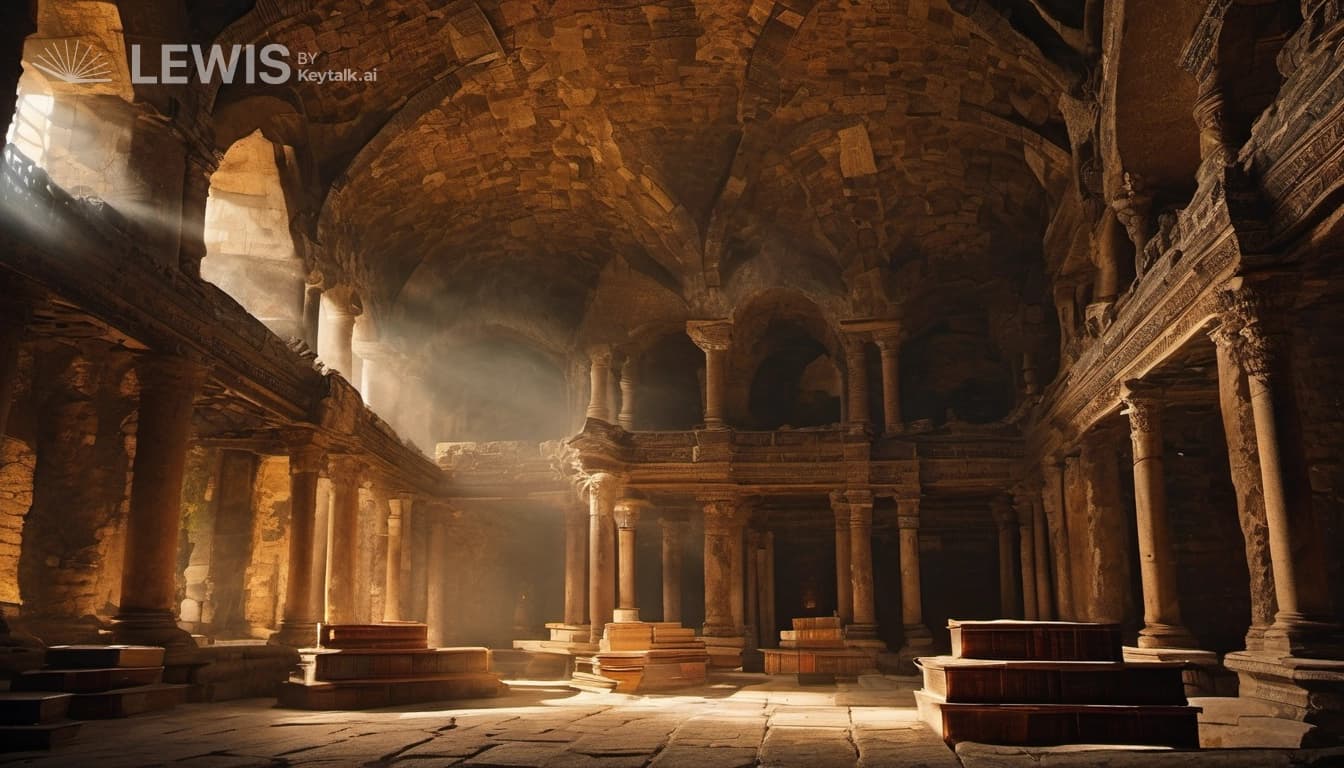
The climax of the story is reached when Thales discovers that the library contains not just the knowledge of the past, but also hidden research that may have contributed to the apocalypse. This revelation forces the group to confront the dangerous potential of the knowledge they now possess. In a heated exchange, Silas tries to justify the past's mistakes as necessary for progress, but Thales counters with the argument that they have a responsibility to learn from those mistakes and not repeat them.
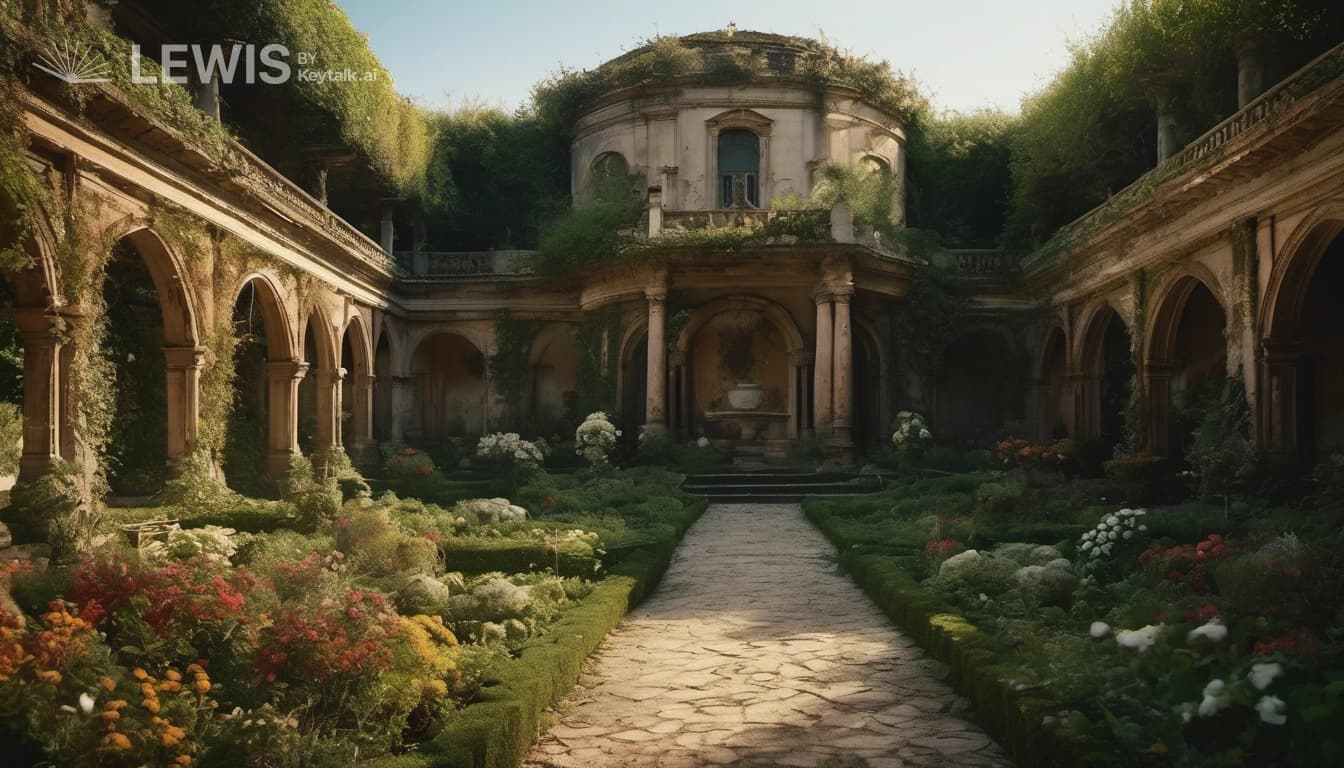
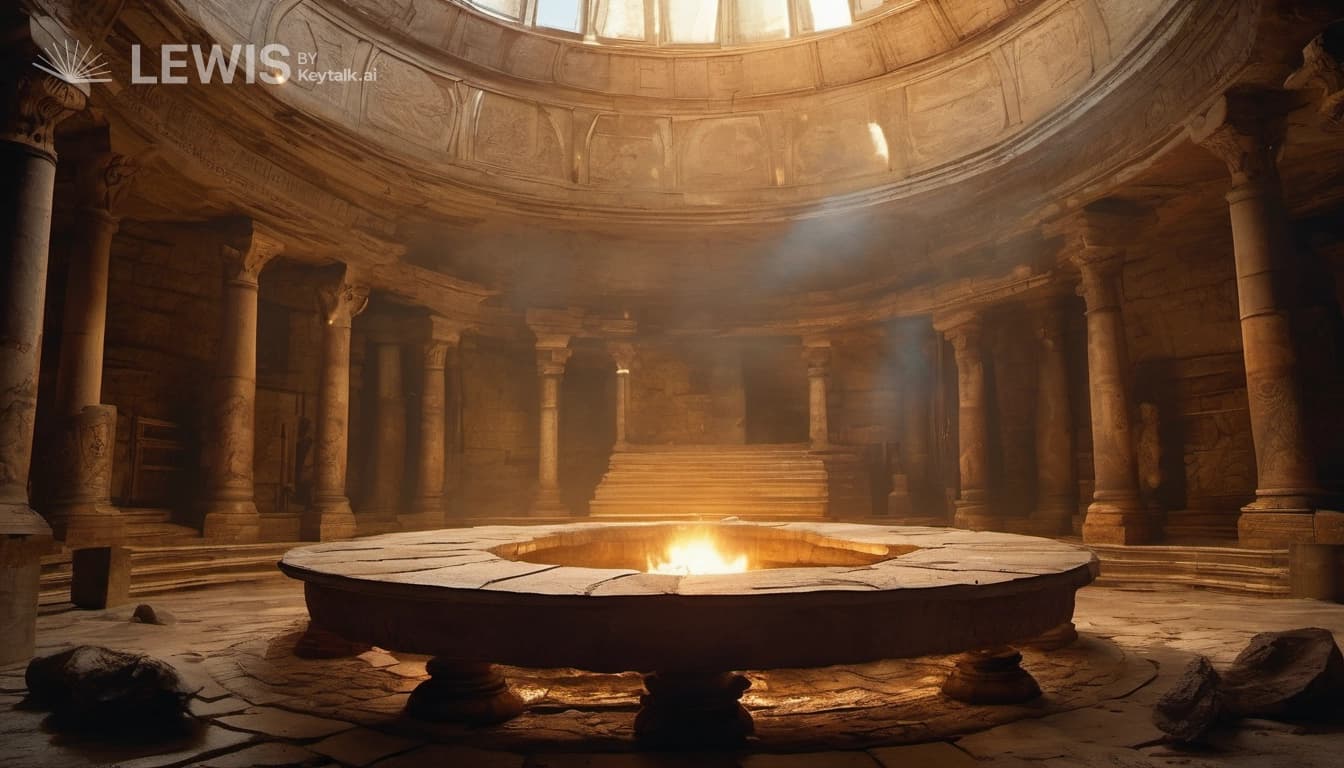
In the resolution, Thales leads the group to a decision that balances the wisdom of the past with the potential for a new future. They agree to preserve the library as a monument to human history but refuse to let it dictate their new society. Together, they begin to forge a new path, learning from the library's contents but applying that knowledge with caution and foresight. Silas, seeing the conviction in Thales and the others, reluctantly accepts their choice and begins to help them build a world that cherishes its past while daring to imagine a different future.
The story ends with the group taking their first steps toward creating a society that blends the old with the new, guided by Thales' wisdom and tempered by the lessons of history. Thalia Codex takes on the role of a teacher, passing on the knowledge of the past without letting it chain them to previous failures. As the new world rises from the ashes, Thales and his companions embrace the uncertainty of the future, armed with the knowledge that they have the power to shape it.











コメント · Comments
コメント · 0