1. Where/When:
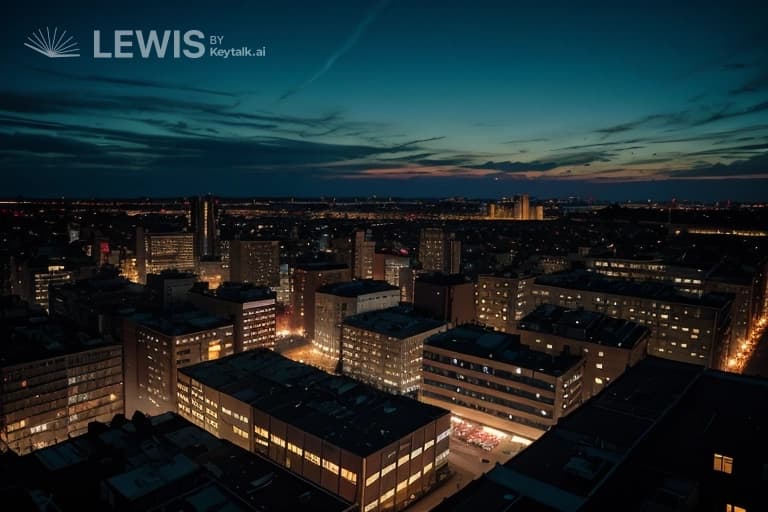
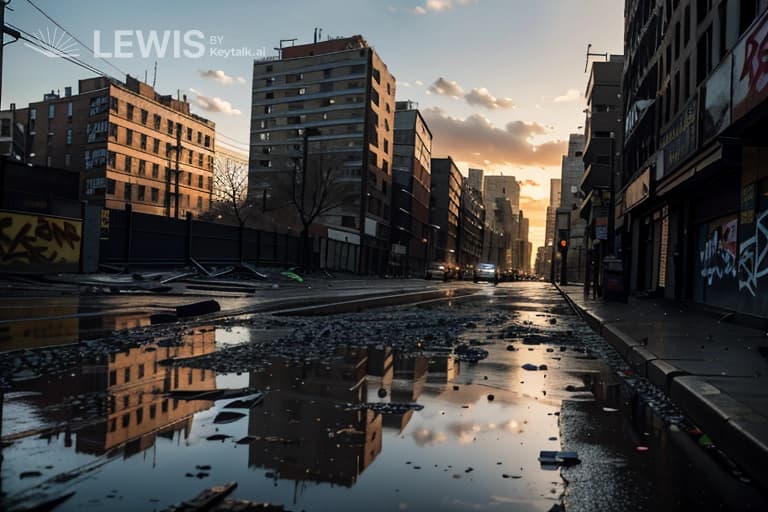
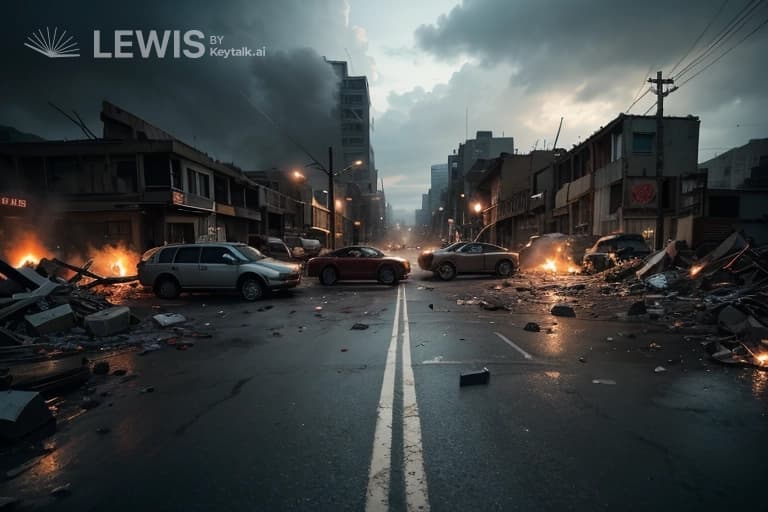
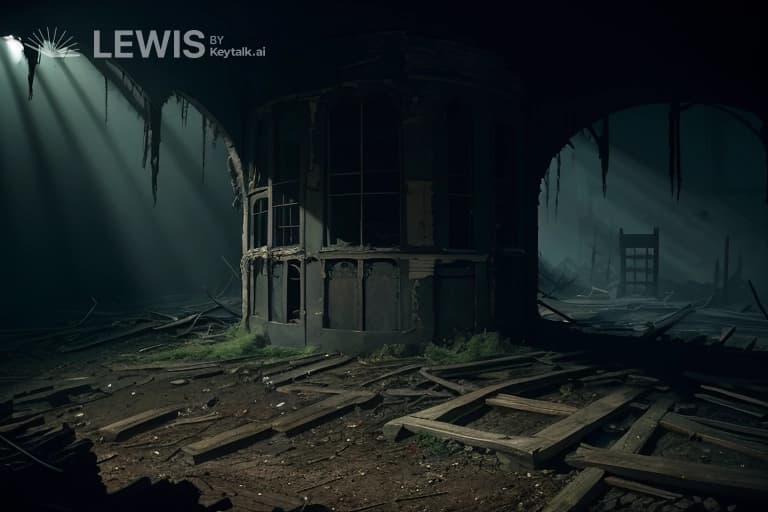
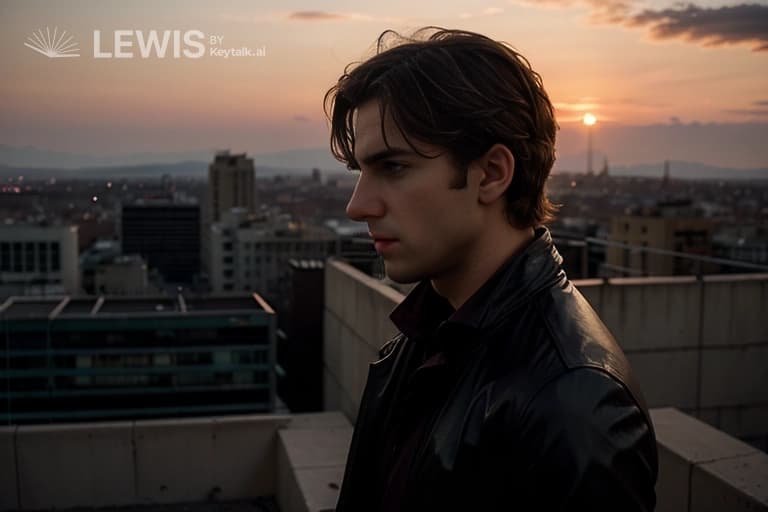
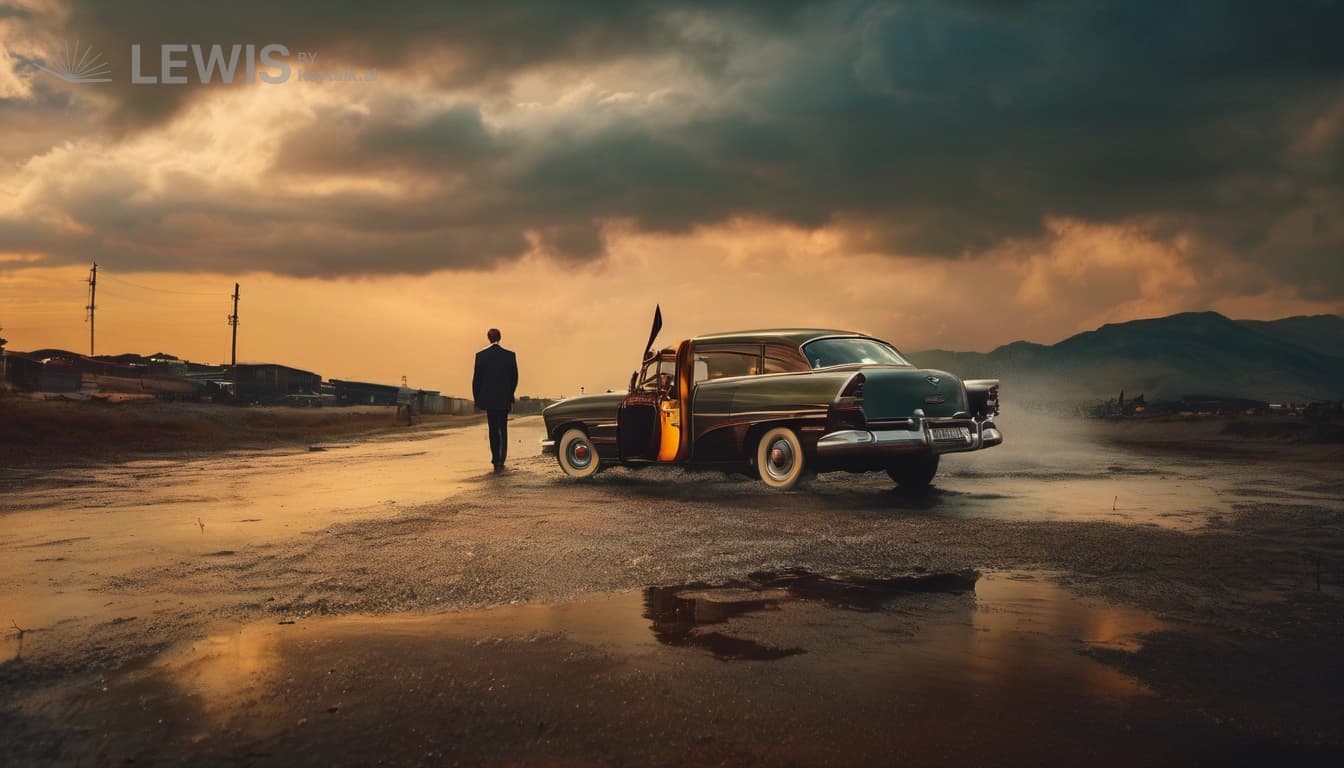
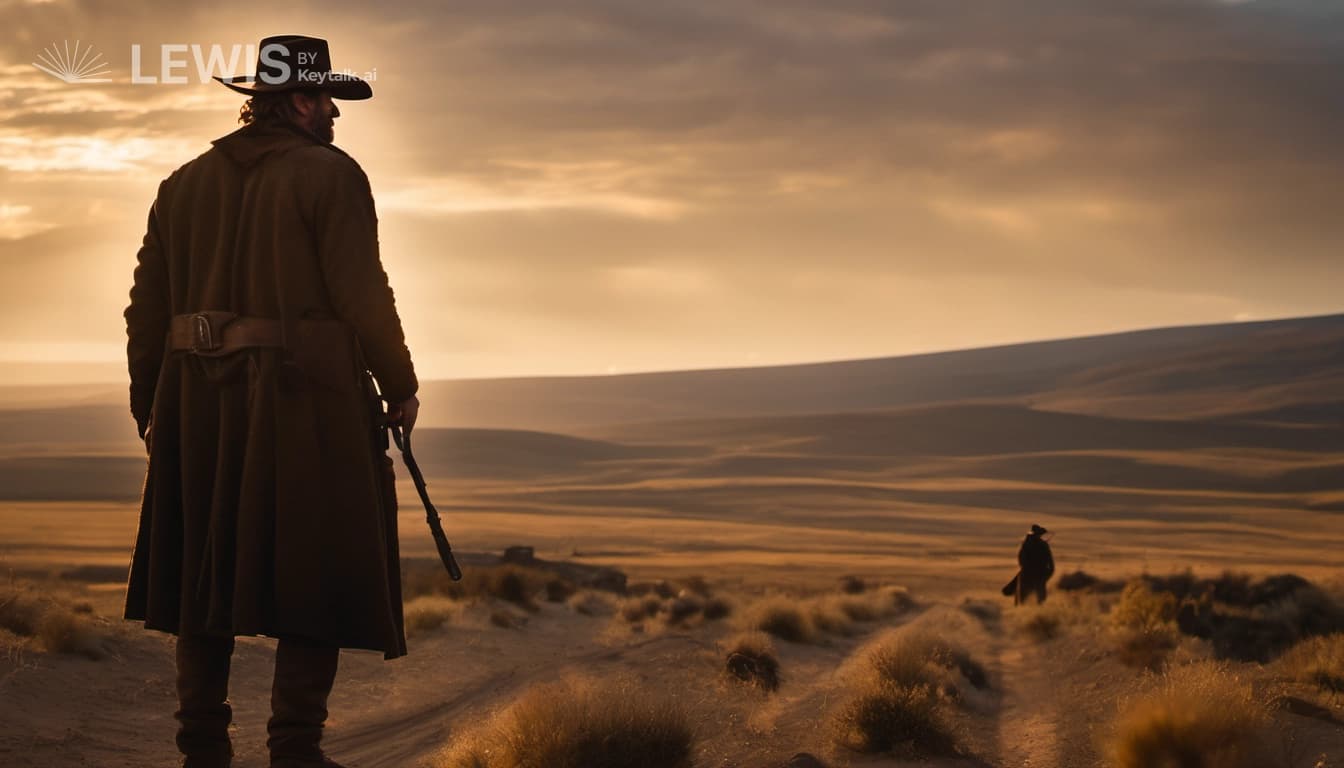
The world setting is an amalgamation of dilapidated urban landscapes and sprawling, shanty outskirts, where remnants of a once-thriving civilization cling to the vestiges of order. The story unfolds in the not-too-distant future, where rapid technological advancements and a series of geopolitical and environmental catastrophes have precipitated society's descent into near anarchy. It is a time marked by a deepening twilight, both metaphorically and literally, as the sun of the old world sets and the uncertain night of a new era approaches.
2. Important rules of the universe and how it impacts the story:
In this universe, a crucial rule is the pervasive presence of a strict social hierarchy, which has been exacerbated by the societal collapse. The elite hold tightly to the last threads of power and influence, while the majority of the populace, including our protagonists, navigate a world of rationed resources and eroded civil liberties. This hierarchy impacts the story by driving the division and conflict between the characters, particularly between the antagonist's desire for control and the protagonist's pursuit of truth.
Another rule is the widespread distrust of mainstream media, which has led to the rise of freelance journalism as the new bastion of truth. Lysander, as a freelance journalist, operates in a world where information is a currency more valuable than gold, and his quest for truth becomes both dangerous and essential for those seeking clarity amidst the chaos.
3. The visual description of the universe:
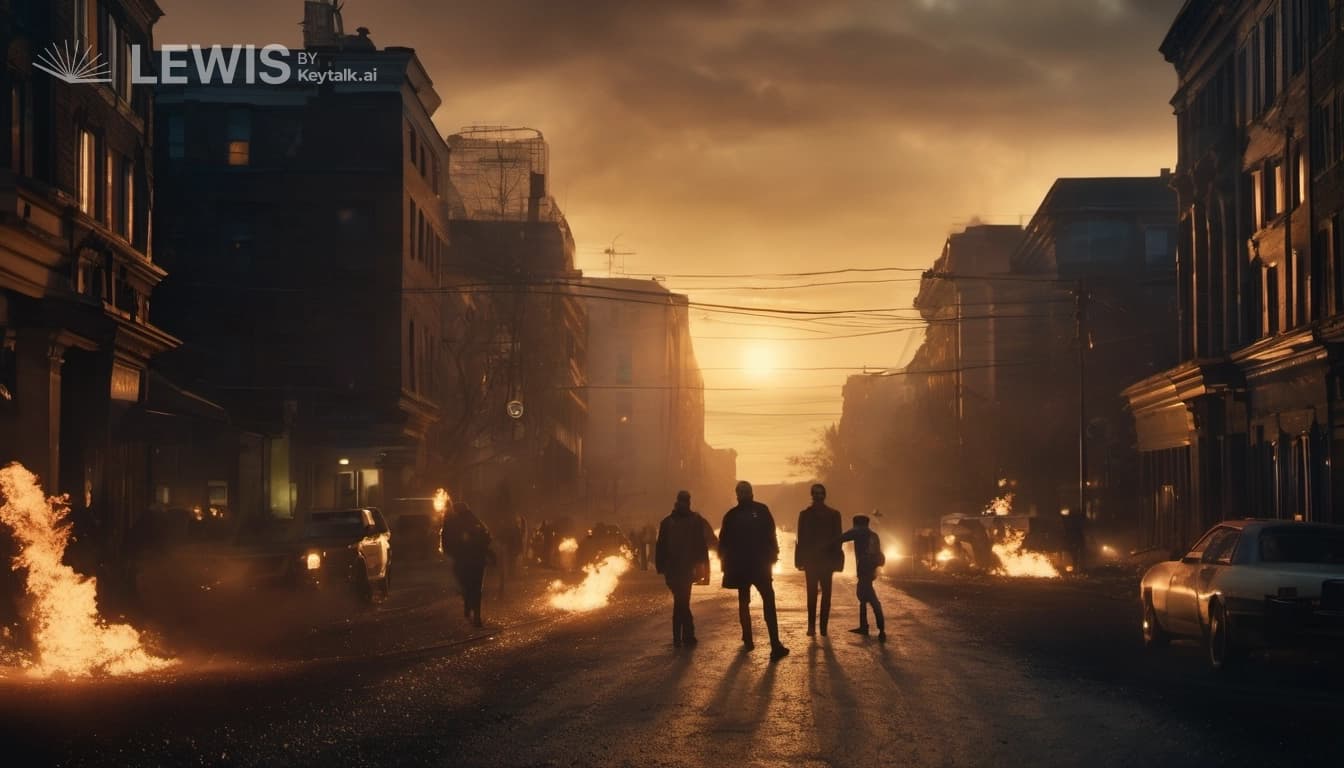
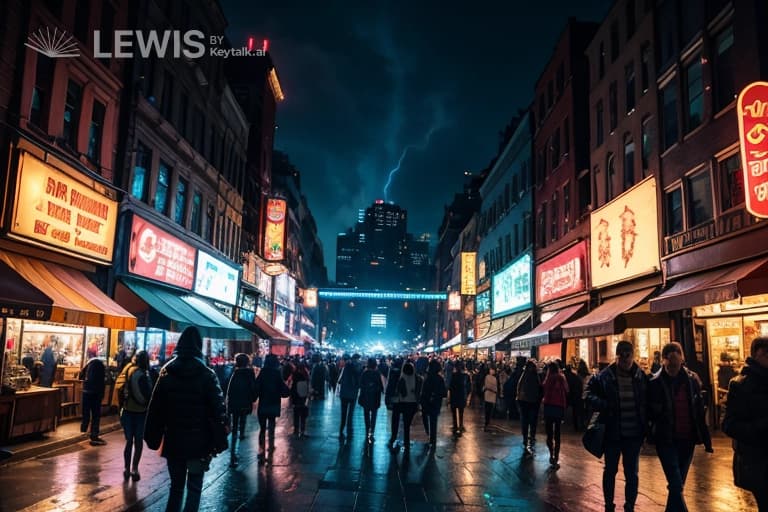
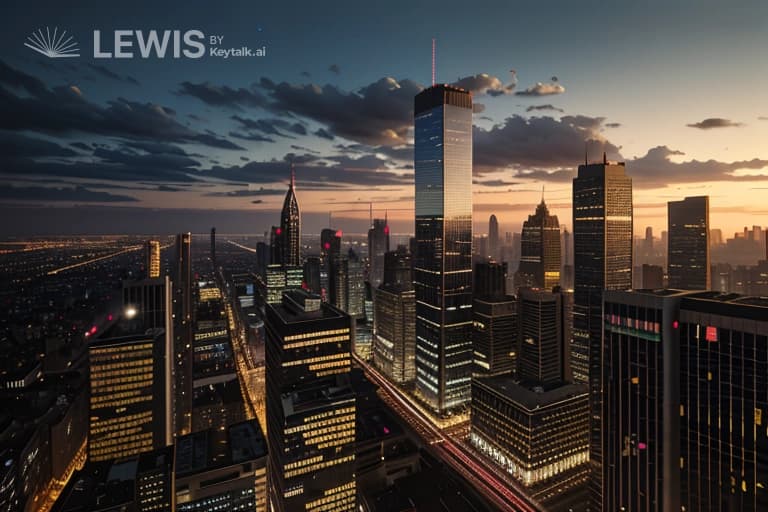
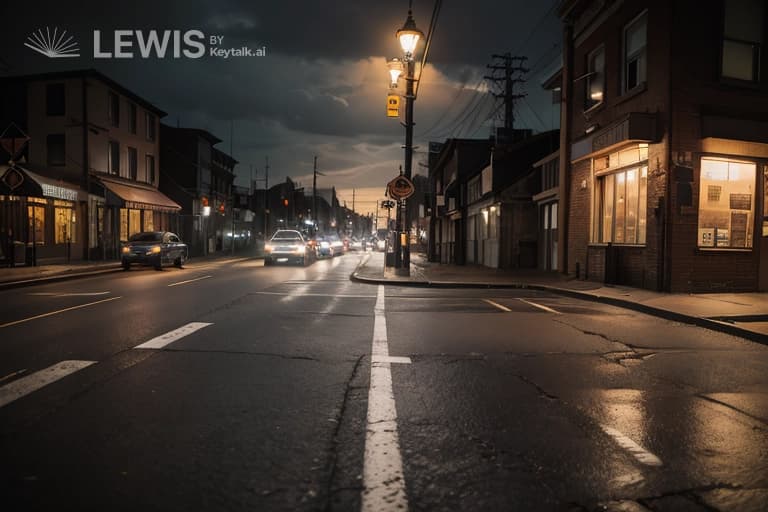
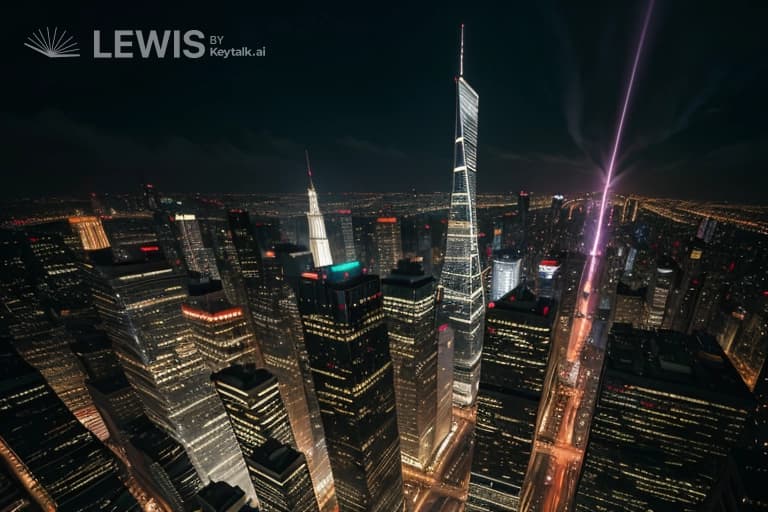
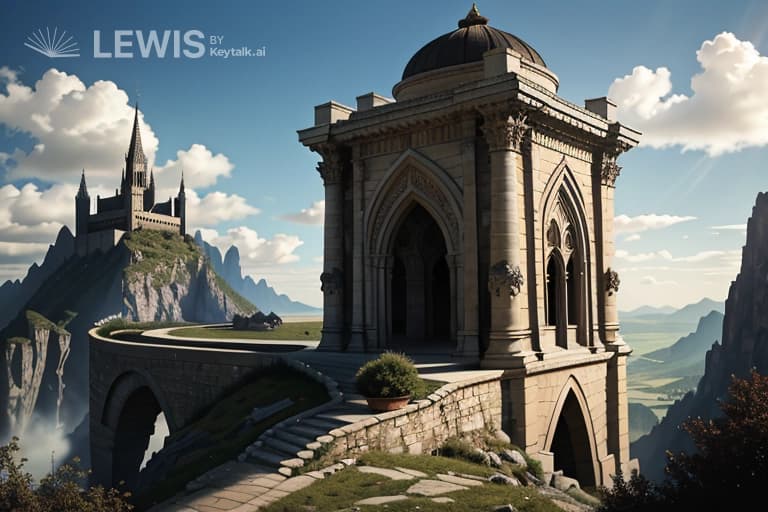
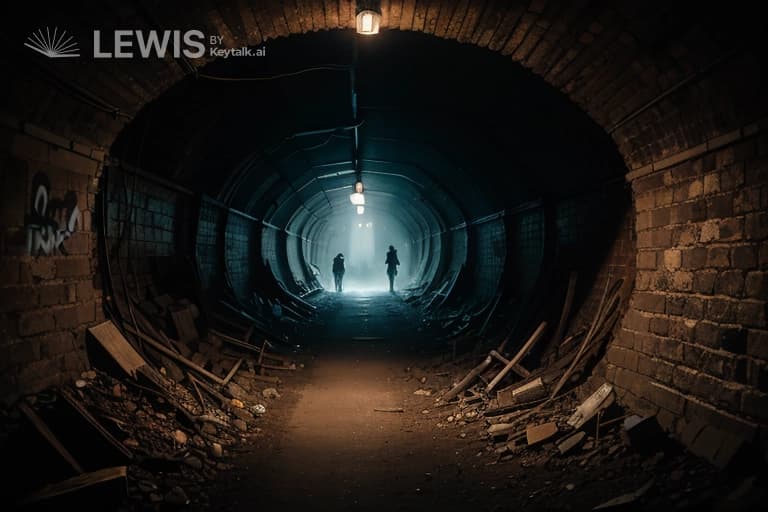
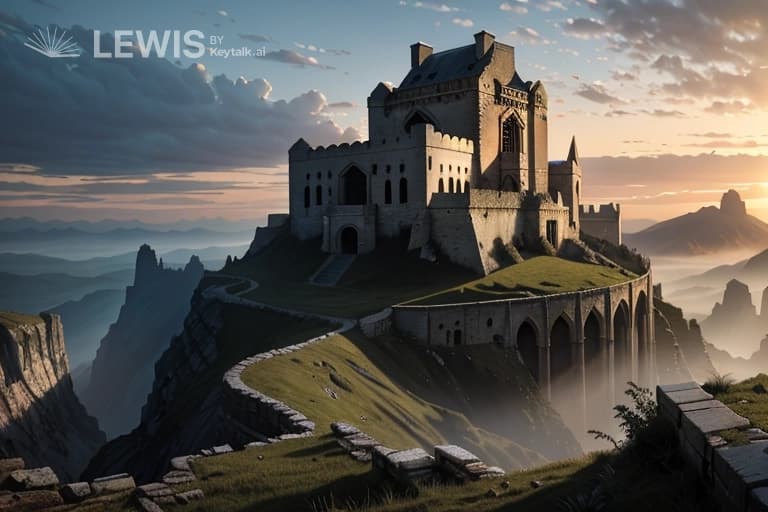
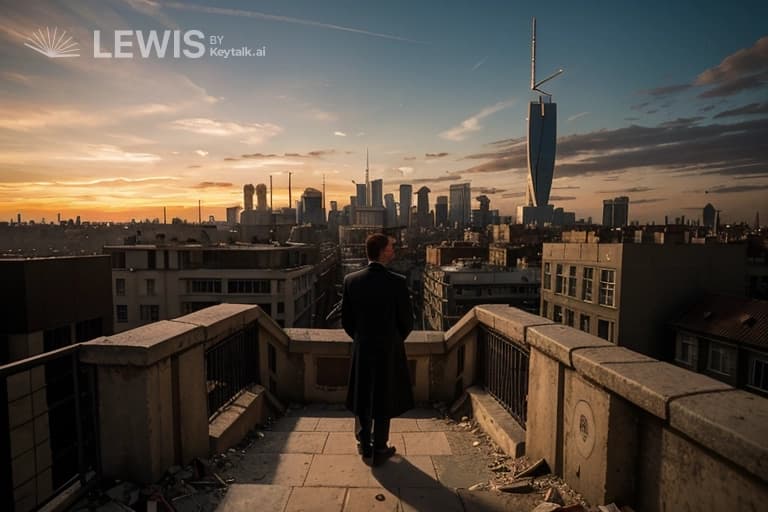
The visual tapestry of this universe is one of stark contrasts. Crumbling skyscrapers, adorned with the relics of neon advertisements, stand as tombstones over the streets below, where markets bustle with barter trade amid the ever-present hum of generators. Vehicles are retrofitted remnants of a bygone era, running on jury-rigged power sources. The elite reside in fortified enclaves, their homes a fusion of high-tech security and decaying opulence, while the masses dwell in a patchwork of makeshift homes, their vibrant cultural tapestries hanging from every available space, injecting color into the pervasive grey.
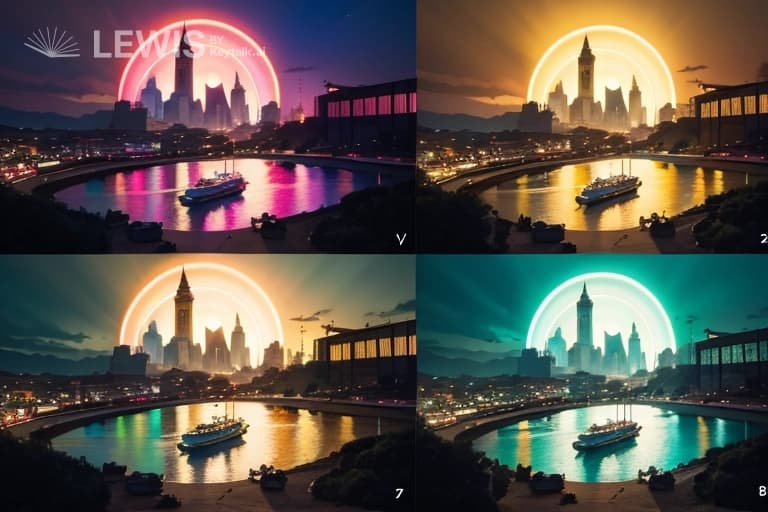
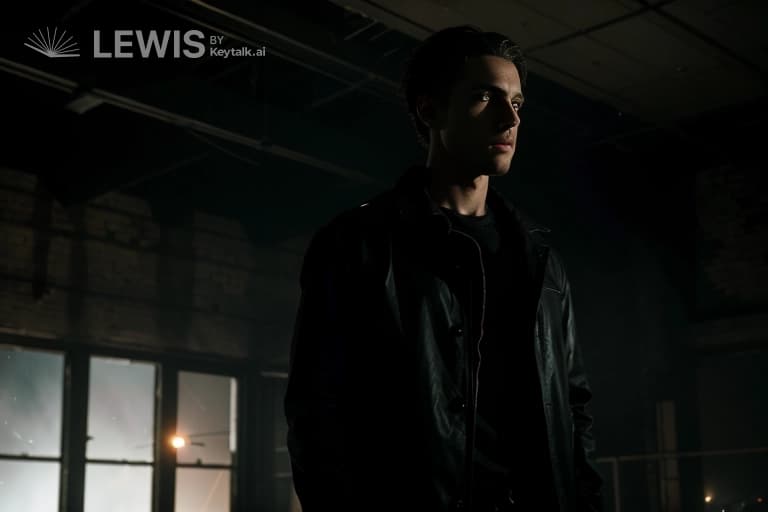
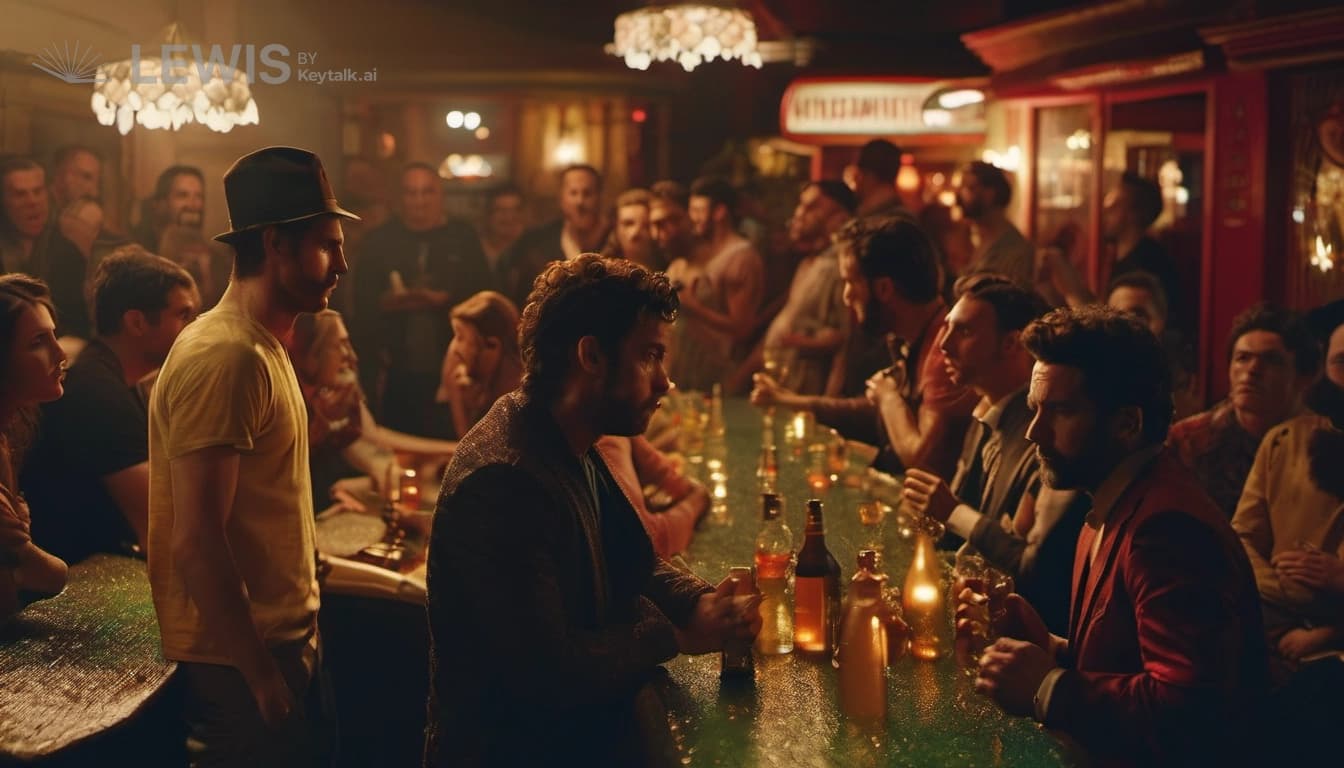
At night, the city becomes a chiaroscuro landscape, illuminated by flickering lights and the occasional flare of a barrel fire around which people gather, seeking warmth and community. It is against this backdrop that Lysander’s and Jasper's travels unfurl, their path often lit by the soft glow of Jasper's ever-present smile.
4. Notable technologies or philosophies of the universe that impact the story:
The technology of this universe is defined by its adaptability and scarcity. Communication devices are cobbled together from scavenged parts, creating a network of information that is as unreliable as it is indispensable. The philosophy of "adapt or perish" underpins much of the technology seen throughout the story, influencing the protagonists’ reliance on wit and ingenuity to overcome obstacles.
A prevailing philosophy in this grim world is the concept of "the humor of survival," the idea that laughter and camaraderie are not luxuries but necessities for maintaining one's sanity and humanity amidst despair. This philosophy is personified by Jasper, whose comedic insights often provide a lifeline to those around him, including Lysander, who comes to realize that humor is not a distraction from the darkness but a means of confronting and dispelling it.
Malachi's cult, on the other hand, espouses a philosophy of order through dominance, believing that only through absolute control can any semblance of society be maintained. This philosophy, while providing a sense of purpose to his followers, ultimately becomes challenged by Lysander's and Jasper's demonstration of the unifying power of humor and the strength of a community that laughs together in the face of adversity.











コメント · Comments
コメント · 0