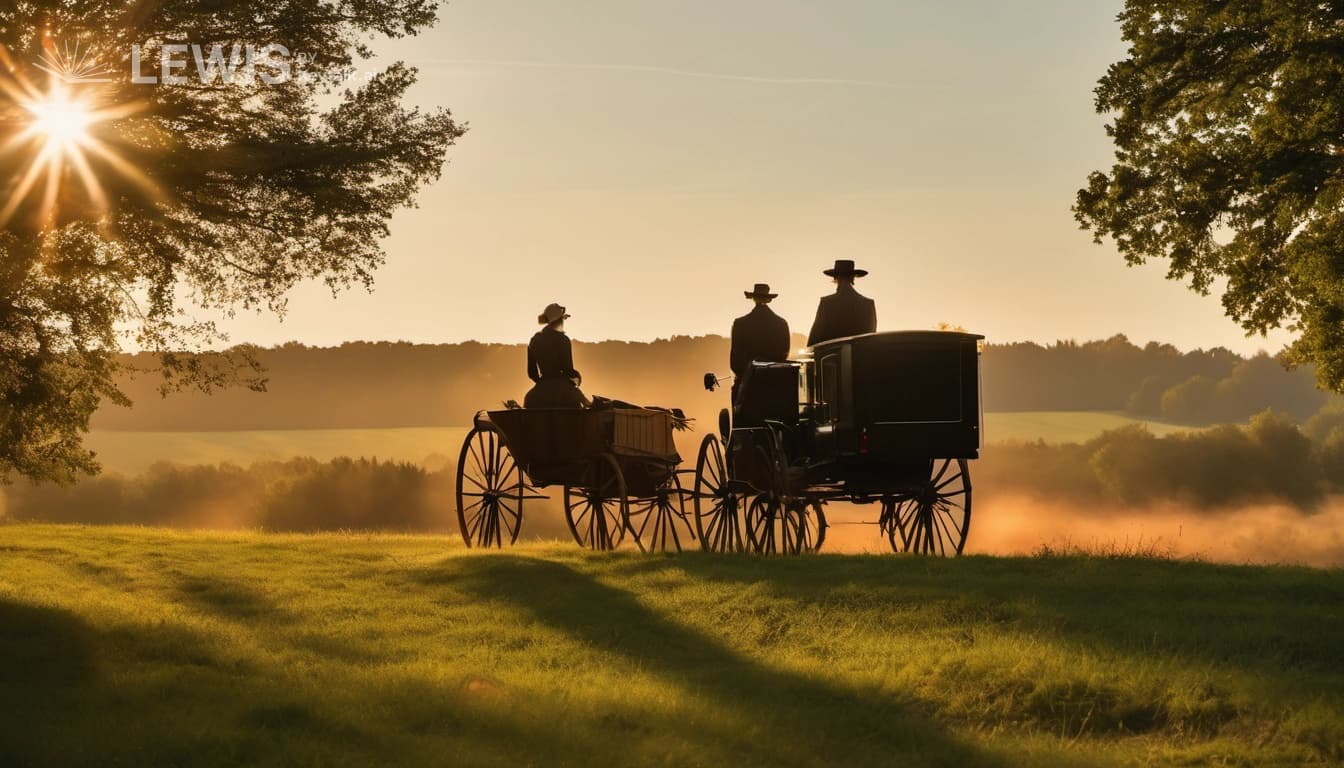
In a small Appalachian town during the 1960s, Jackson "Jack" Mitchell, a rebellious seventeen-year-old high school student, grapples with the dissonance between his burgeoning sexual identity and the rigid societal expectations that constrict his every move. Raised in a traditional household, Jack has always felt like an outsider, his yearning for authenticity and freedom clashing with the oppressive values that pervade his surroundings. His rebellion, both a strength and a potential flaw, leads him down a path of clandestine activities and hidden corners where he finds solace among like-minded individuals who share his disdain for the status quo.
Jack's world is further complicated by the strained relationship with his family, who view his nonconformity as a phase or, worse, a threat to their way of life. Amidst the mundane routine of school, Jack immerses himself in beatnik literature and philosophy, fueling his desire for a life beyond the confines of his town. His informal speech, peppered with regional dialect and quotes from obscure writers, endears him to some while alienating him from others, exacerbating his sense of isolation. Internally, he grapples with a whirlwind of emotions—confusion, fear, and a fierce determination to carve out his own identity.
Jack's life takes a dramatic turn when he encounters Lila Mae Johnson, a sixteen-year-old high school student known for her sharp intellect and unwavering determination. Lila Mae, raised by her widowed mother, has learned the value of hard work and perseverance from an early age. She finds solace in books and painting, her passion revealing a depth of creativity and sensitivity that few ever see. Despite her outward calm, she grapples with a profound sense of isolation, often feeling misunderstood by her peers. Her close bond with her mother is both her anchor and her burden, as she navigates the pressure to conform to expectations while yearning for a life that allows her to explore her true self.
As Jack and Lila Mae's paths intertwine, their shared sense of rebellion and desire for authenticity draw them closer together. They become each other's confidants, challenging and inspiring one another in their quest for self-discovery. Jack's inner conflict between his true self and the persona he feels pressured to maintain becomes more pronounced, leading him to join a clandestine counterculture movement. Within this underground community, Jack encounters Daisy Lou Cunningham, an eighteen-year-old waitress with a sharp wit and quick temper, who navigates the demands of her job at the local diner while dreaming of a life beyond her current existence.
Daisy Lou, with her distinct Southern drawl and colloquial slang, resonates with authenticity. She uses humor as a defense mechanism, masking her insecurities with a bravado that sometimes comes off as abrasive. Her passion for music offers her a temporary escape from the societal expectations placed upon her as a young woman in a conservative town. Her interactions with Jack provide both conflict and camaraderie, as they challenge and support each other in their respective journeys of self-discovery and struggle against societal norms.
As Jack delves deeper into the counterculture movement, he discovers love and faces profound moral dilemmas that test his values and beliefs. The movement's clandestine activities, often bordering on the dangerous and illegal, force Jack to confront the boundaries of his rebellion. His relationships with Lila Mae and Daisy Lou become increasingly complex, as they each grapple with their own internal battles and unyielding spirits. Together, they navigate the oppressive era, their intertwined fates shaping the men and women they are destined to become.
Ultimately, Jack's quest for self-discovery and acceptance leads him to a pivotal confrontation with the conservative forces that seek to stifle his true self. In a climactic moment of defiance, Jack publicly declares his identity, risking everything to live authentically. The fallout from this act of rebellion reverberates throughout the town, forcing Jack, Lila Mae, and Daisy Lou to confront the harsh realities of their world. In the end, Jack's journey of coming of age in an era of oppression culminates in a bittersweet resolution, where love, identity, and rebellion intertwine, leaving an indelible mark on their lives and the fabric of their community.























コメント · Comments
コメント · 0