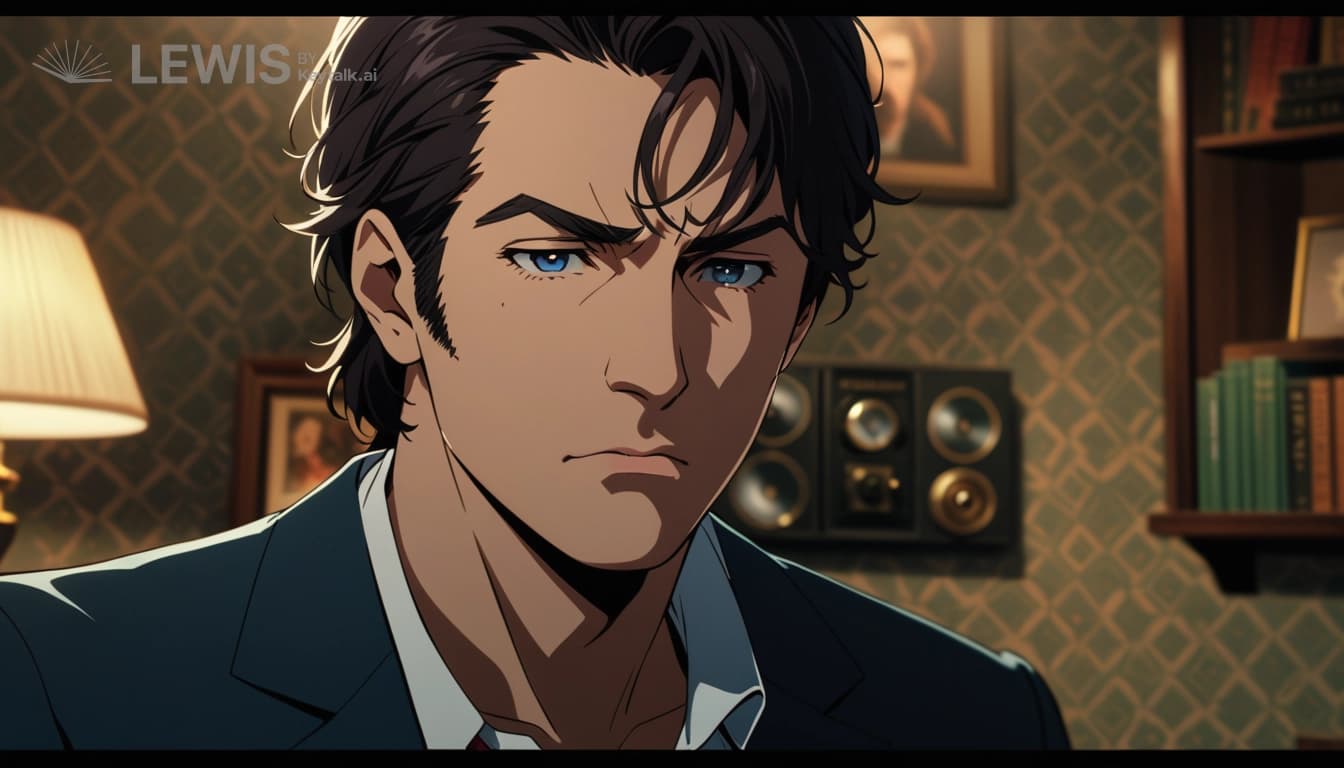
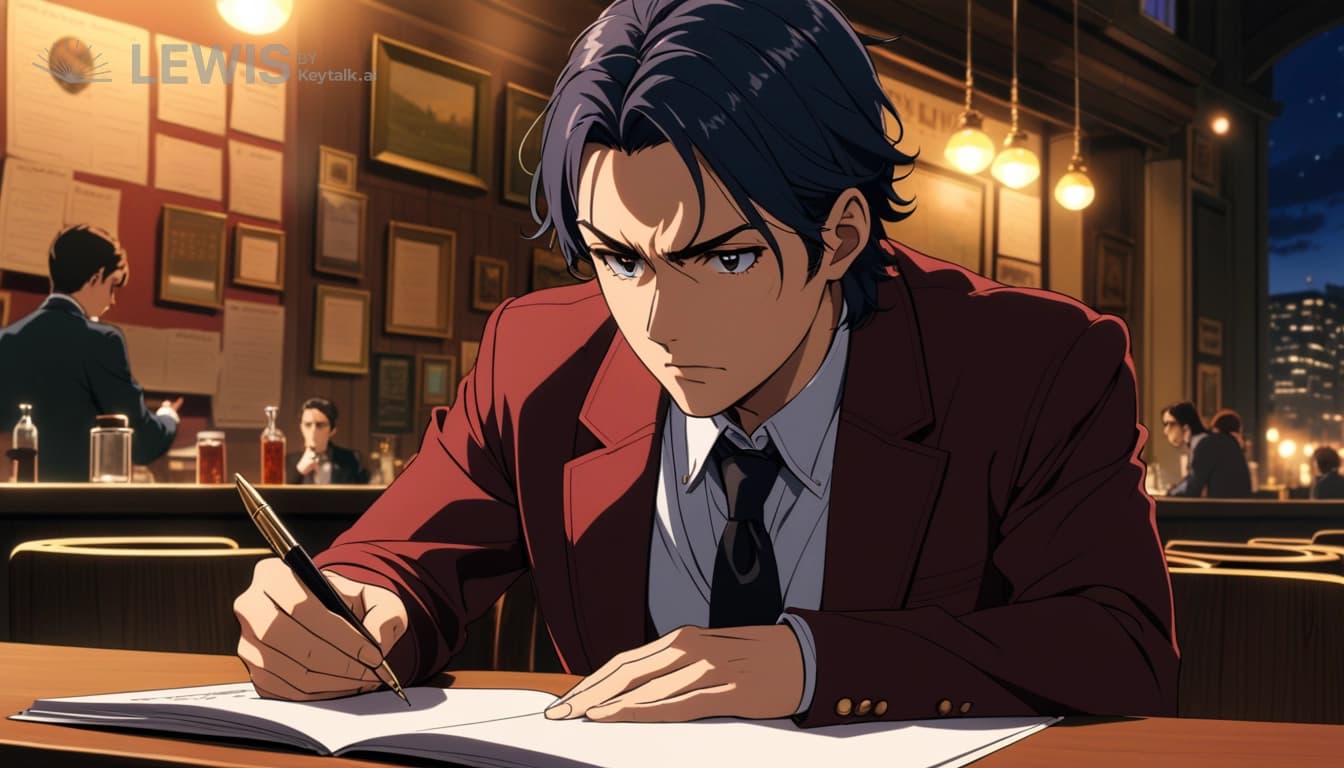
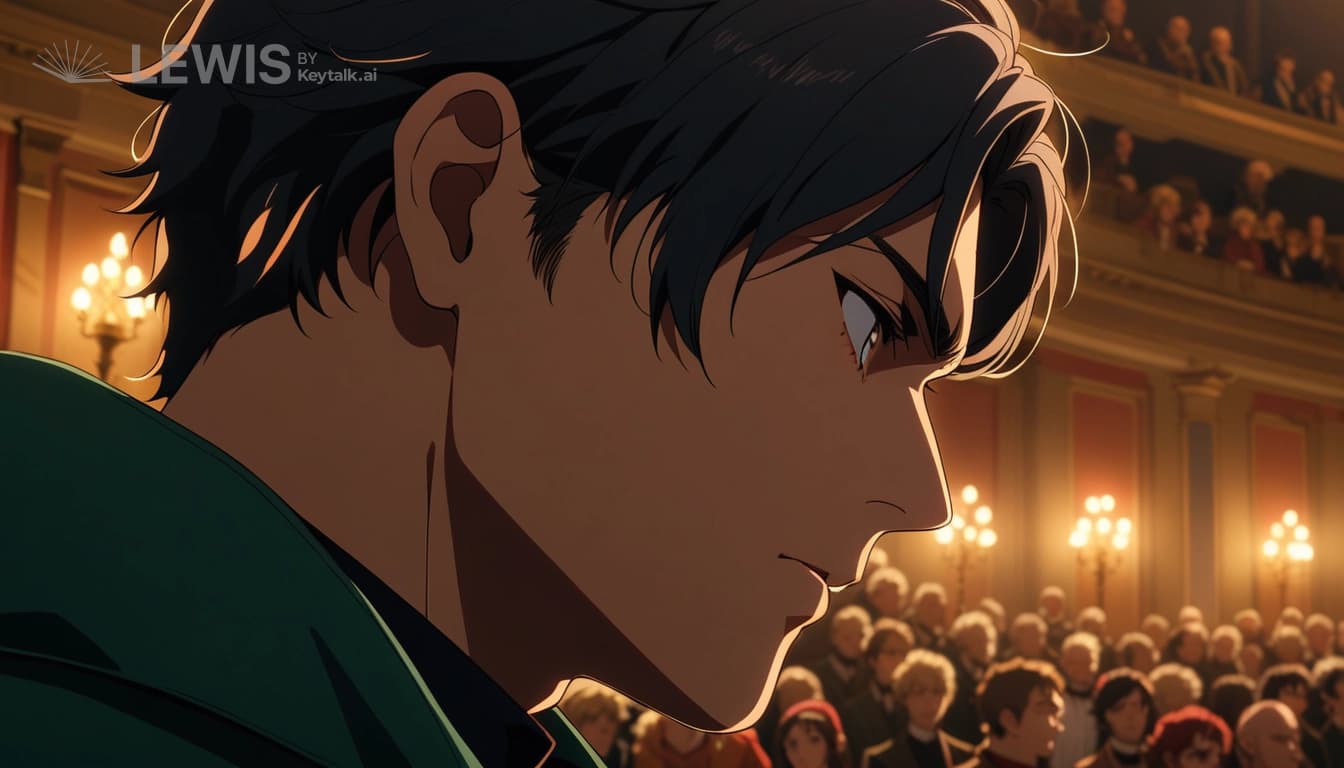
Lorenzo Ricci, a once-promising film critic whose career has stagnated, finds himself in an unanticipated predicament. Forced by a desperate theater manager to direct a chaotic production of Shakespeare's "A Midsummer Night’s Dream," Lorenzo is confronted with a bizarre ensemble of misfits. This unexpected opportunity arises after a scathing review leads to a chance meeting with the theater manager, who, recognizing Lorenzo's latent directorial aspirations, persuades him to step in as the director.
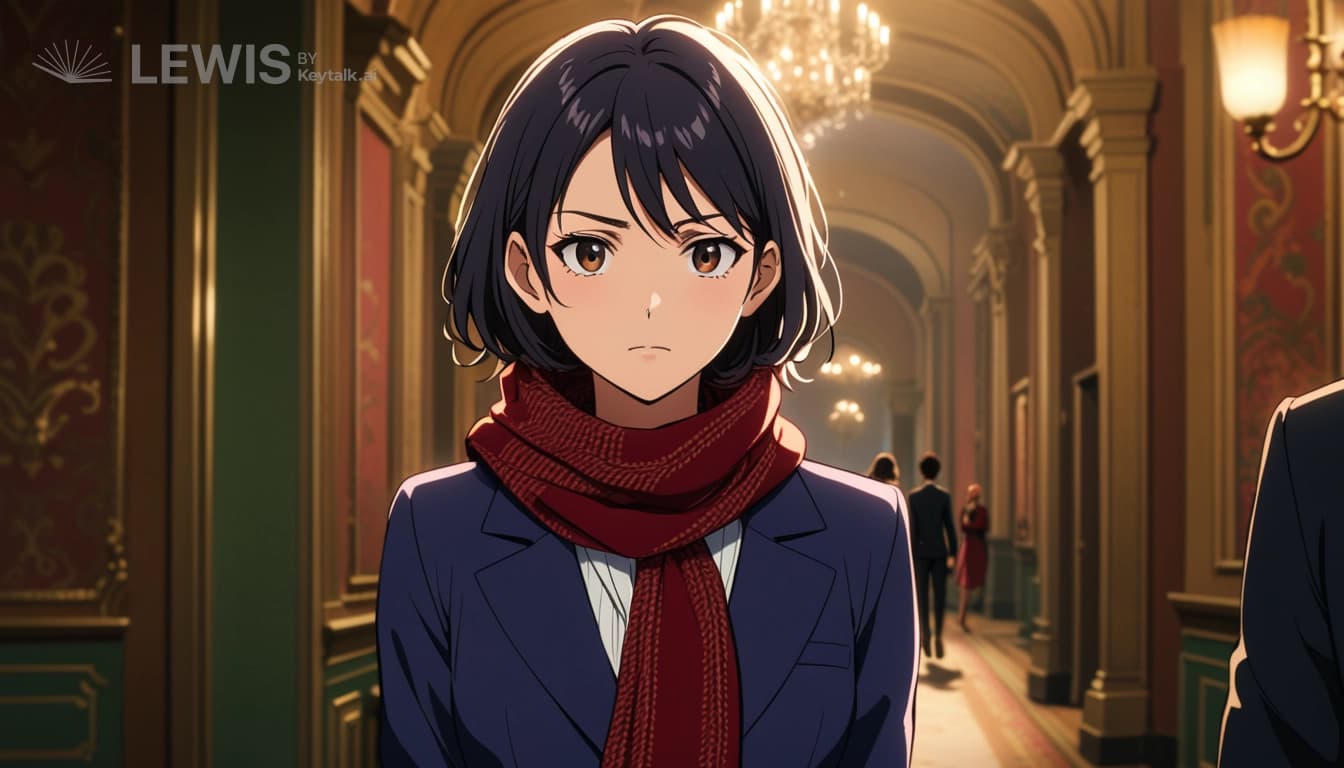
Among the cast is Giovanna Bellini, a fiery and talented costume designer whose creative eccentricity often leads to clashes with practicality. Giovanna, having been burned by past collaborations, is initially skeptical of Lorenzo's abilities and intentions. However, her passion for the transformative power of art aligns with Lorenzo's dormant ambition, creating a dynamic and volatile partnership. Their interactions oscillate between heated arguments and moments of mutual respect, gradually revealing their shared vulnerabilities and unfulfilled dreams.
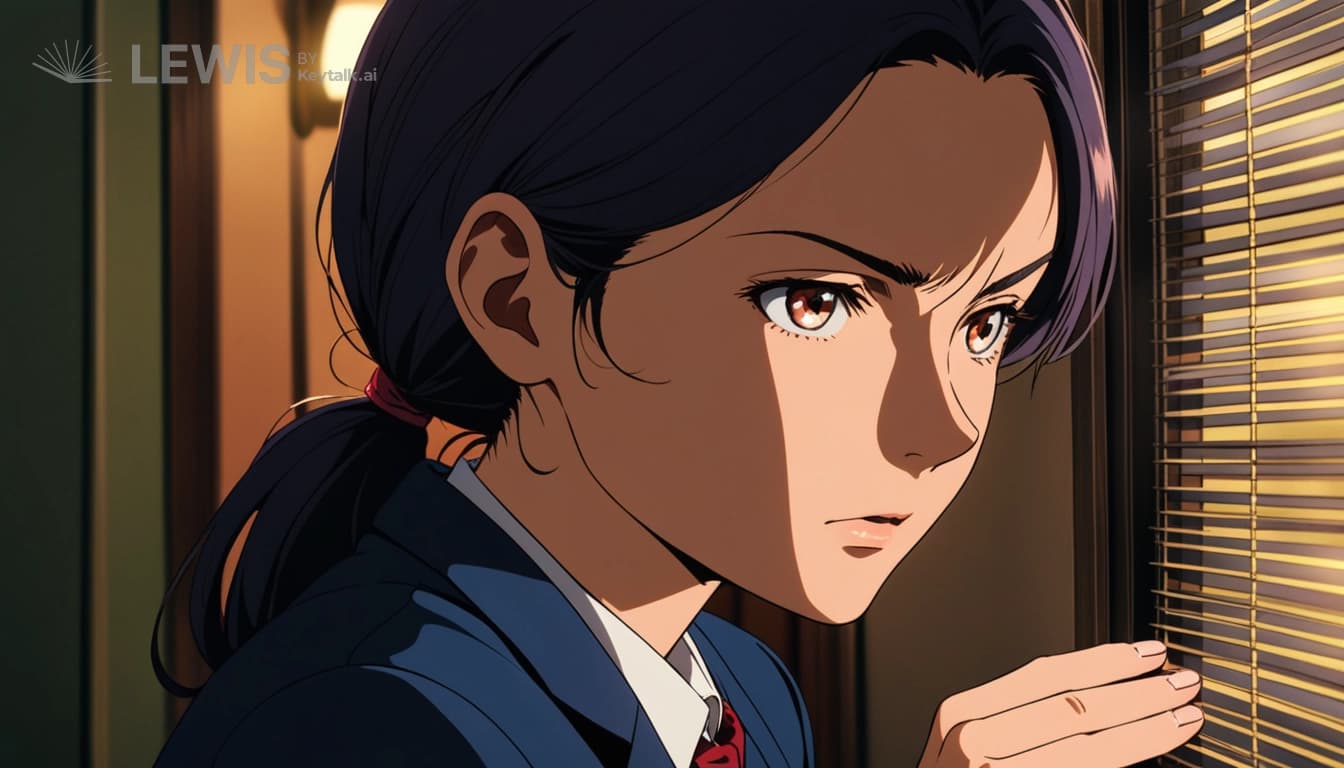
Delphine Moreau, the assistant director, brings her sharp intellect and unyielding determination to the production. Raised in the theater world of Paris, Delphine struggles with the pressures of proving herself in a male-dominated industry. Her meticulous eye for detail and problem-solving skills are invaluable, yet her perfectionism often alienates those around her. As she navigates the tumultuous production, Delphine's relationship with Lorenzo becomes a journey of mutual discovery, unveiling unexpected depths and vulnerabilities.
As the production progresses, Lorenzo's personal life begins to mirror the chaos on stage. Flashbacks reveal a tapestry of near-misses and unfulfilled potential, highlighting the series of unfortunate events that led him down the path of criticism. His estranged family, consisting of brief and terse interactions, adds another layer of complexity to his character. Despite his jaded exterior, Lorenzo's keen eye for talent and deep love for storytelling drive him to push the cast beyond their limits, unearthing unexpected sources of comedy and creativity.
The rehearsals are fraught with mishaps and misunderstandings, yet each character's unique quirks and talents gradually coalesce into a cohesive, albeit unconventional, ensemble. Lorenzo's acerbic wit and sardonic humor provide a sharp contrast to the vibrant and chaotic energy of Giovanna and the meticulous precision of Delphine. As opening night approaches, the production teeters on the edge of disaster, with Lorenzo's directorial debut hanging in the balance.
In a surprising twist, Lorenzo's estranged family attends the opening night, leading to a series of emotional confrontations and reconciliations. The chaotic production of "A Midsummer Night's Dream" becomes a mirror for Lorenzo's own messy life, forcing him to confront his past and embrace the possibility of redemption. The final performance is a resounding success, blending the bizarre and the brilliant, with the audience captivated by the raw authenticity of the cast's performances.
The conclusion sees Lorenzo, Giovanna, and Delphine standing on the precipice of new beginnings. Lorenzo's journey from a cynical critic to a passionate director is marked by a newfound appreciation for the art of storytelling and the transformative power of theater. Giovanna's unwavering belief in her creative vision and Delphine's determination to leave an indelible mark on the theater world culminate in a triumphant and emotionally resonant ending. The production, initially seen as a potential disaster, becomes a testament to the power of collaboration and the resilience of the human spirit, leaving an indelible mark on both the characters and the audience.












コメント · Comments
コメント · 0