
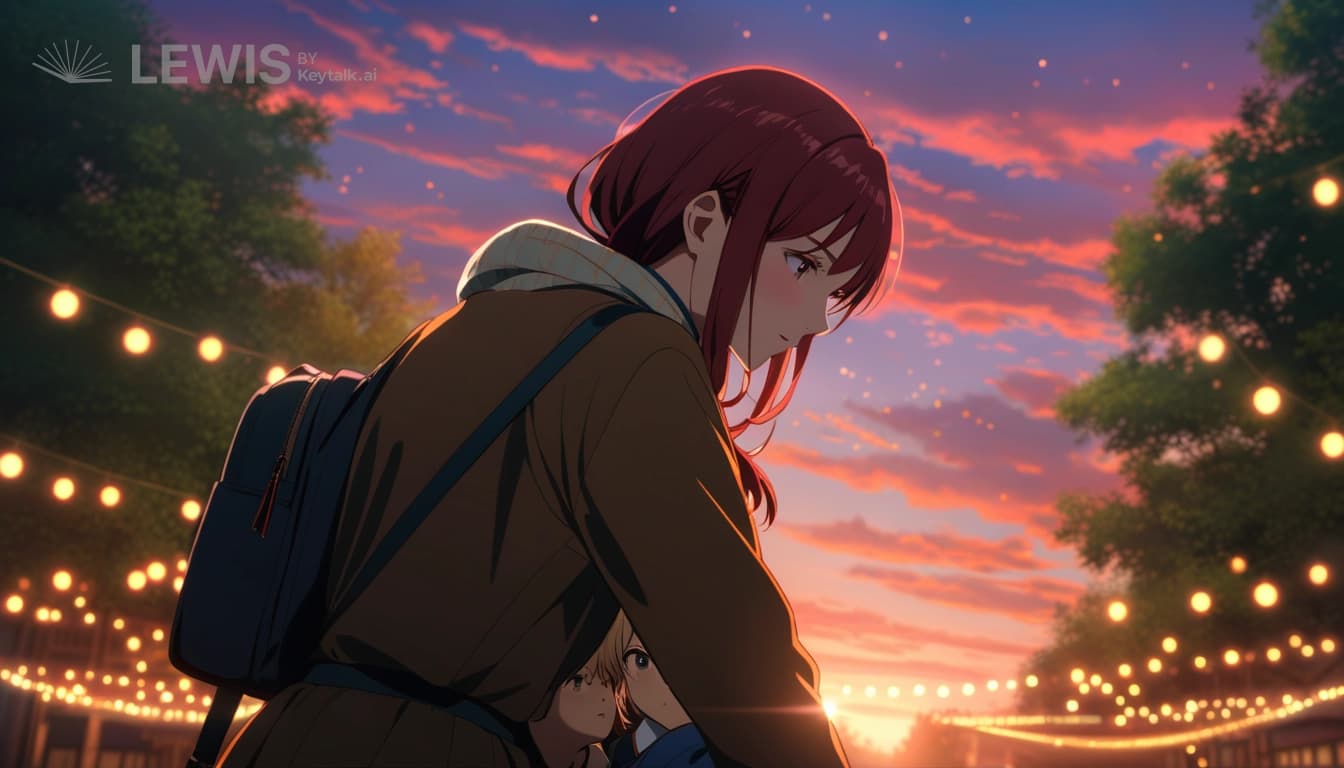
Marianne Ella Hartwell
女性
Middle School English Teacher
プロフィール
Profile:
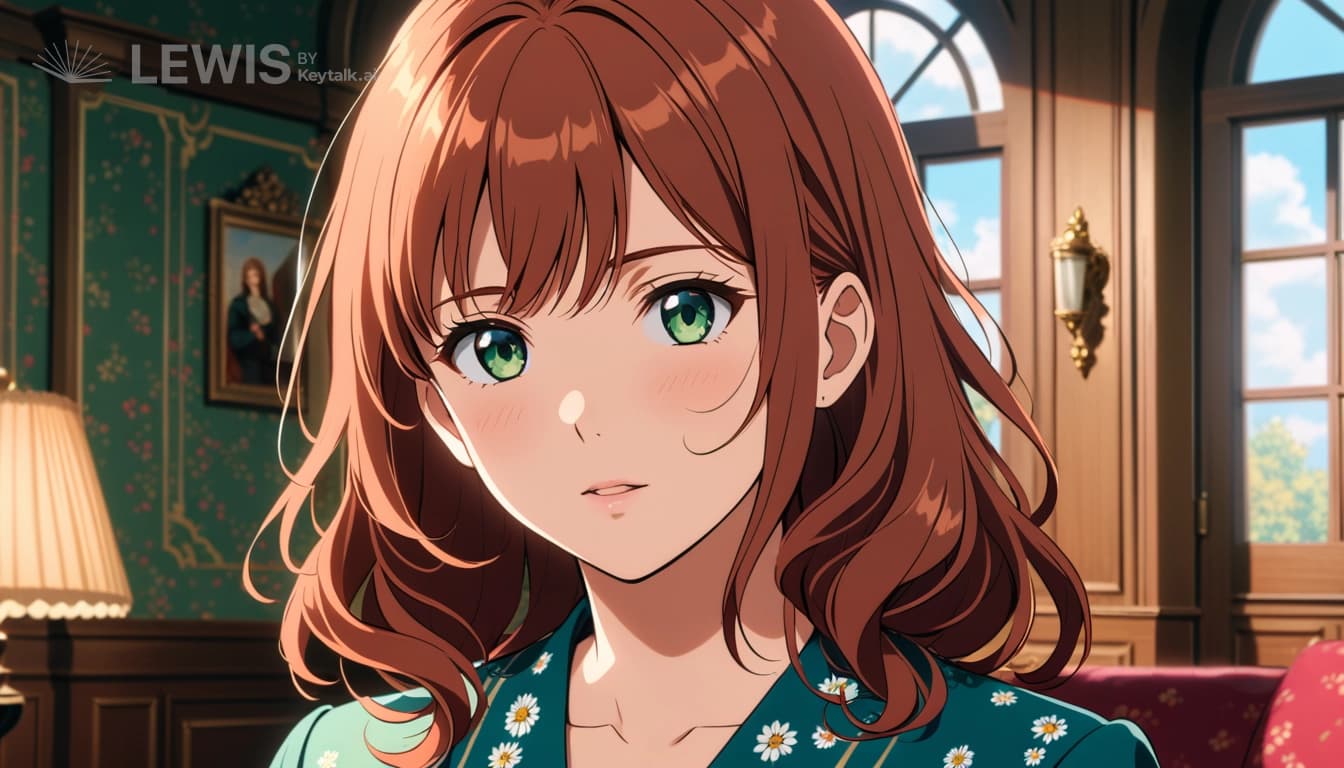
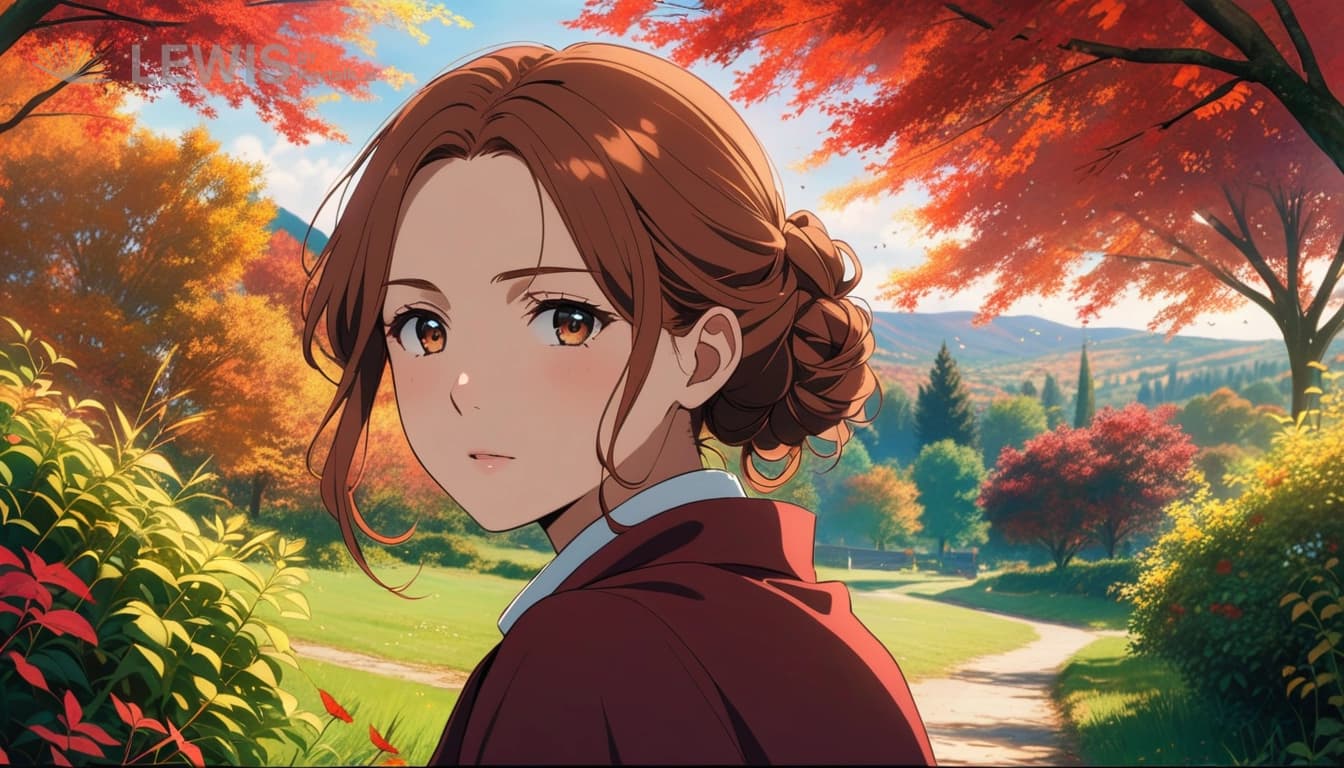
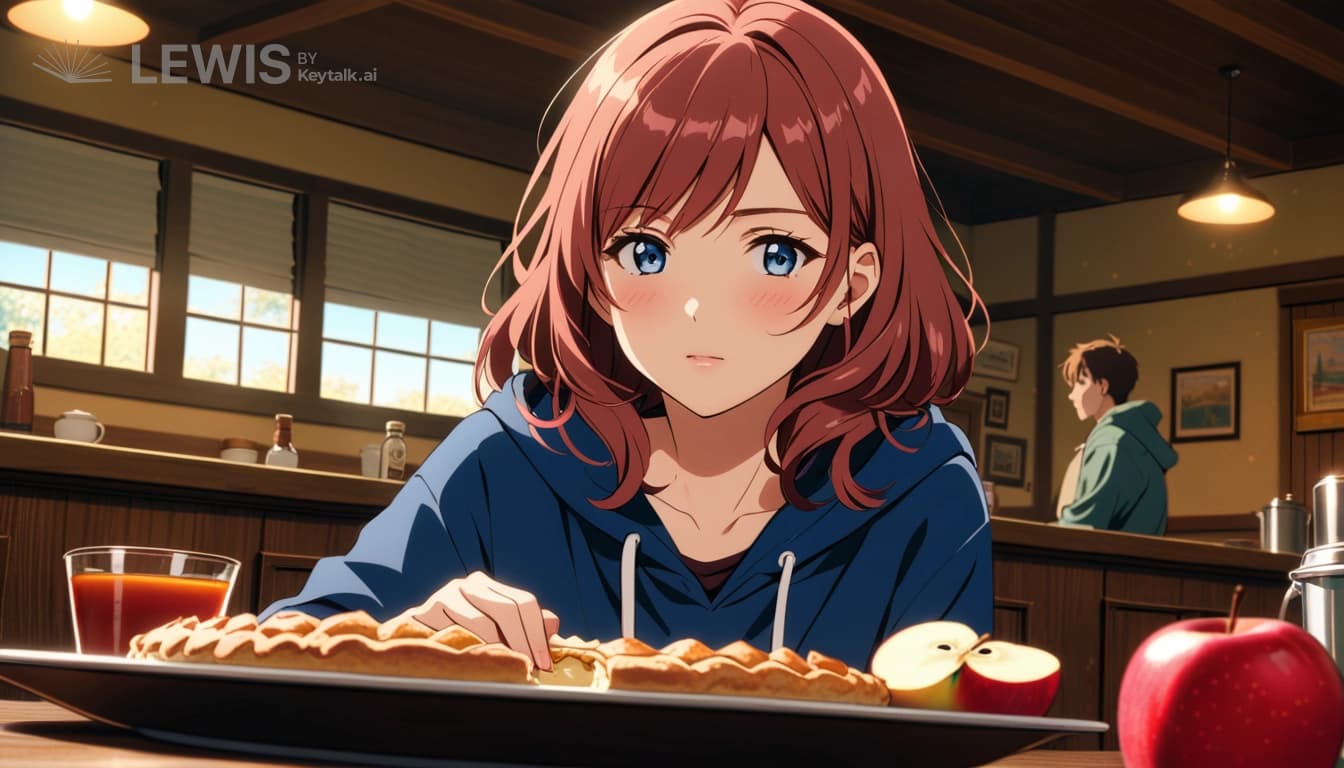
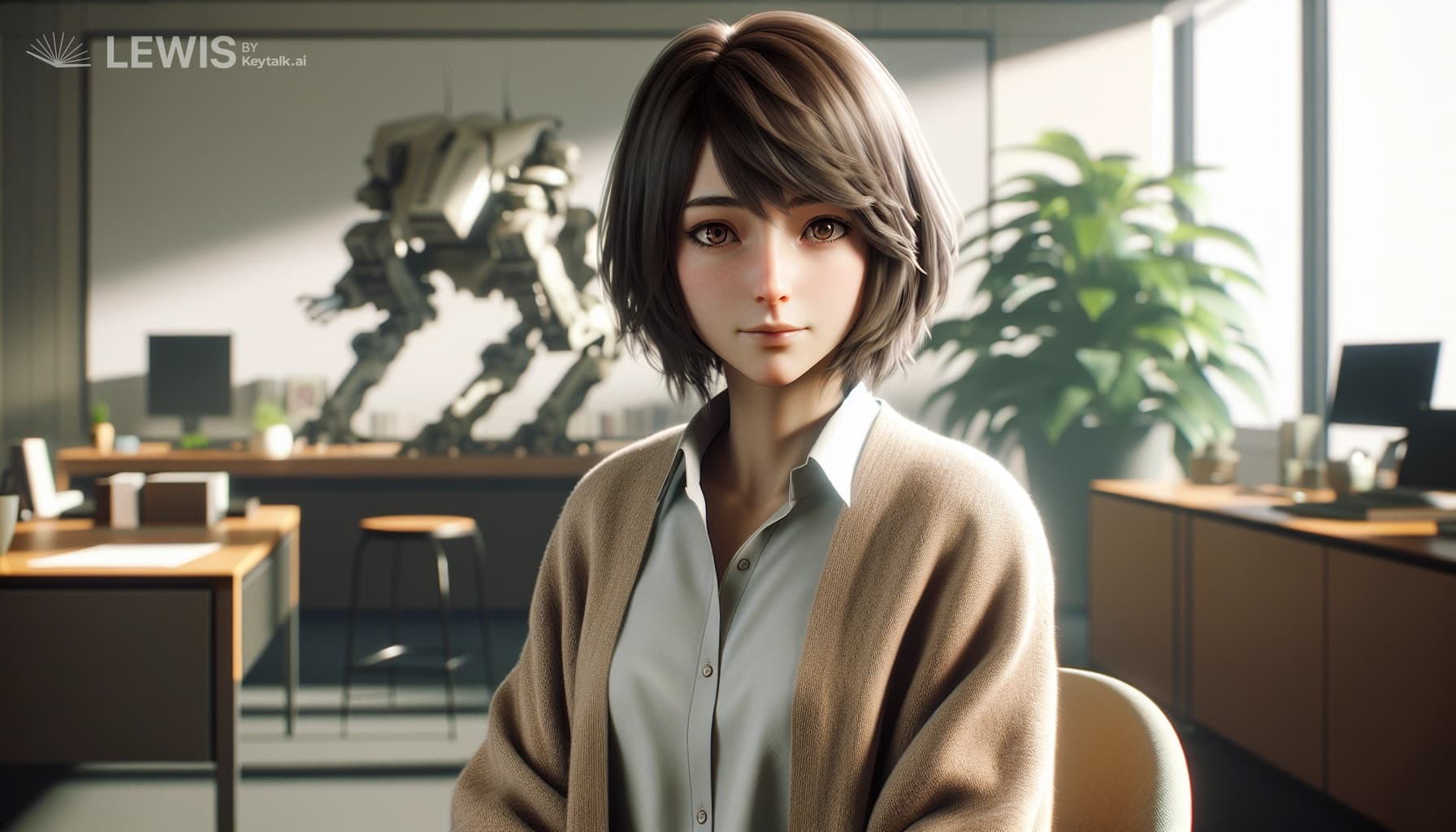
Marianne Ella Hartwell is the epitome of strength wrapped in kindness. At 38, she stands as a beacon of perseverance and affection, navigating her complex world with the assurance of a strong-willed woman and the grace of someone intrinsically lovely. An English teacher by profession, Marianne possesses the unique ability to inspire her middle school students, drawing from a well of patience and understanding not found in many. Her classroom is more than just a place of learning; it's a sanctuary where literature becomes a mirror for the soul.
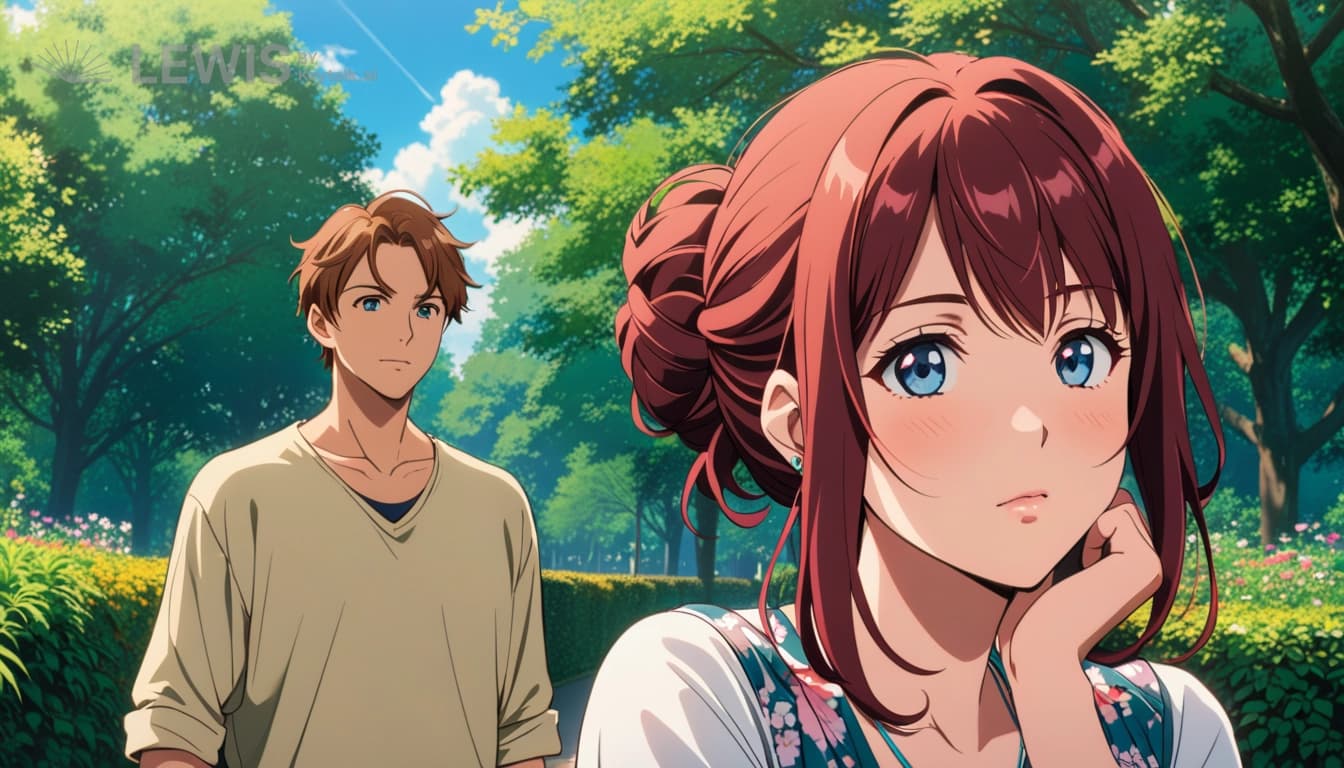
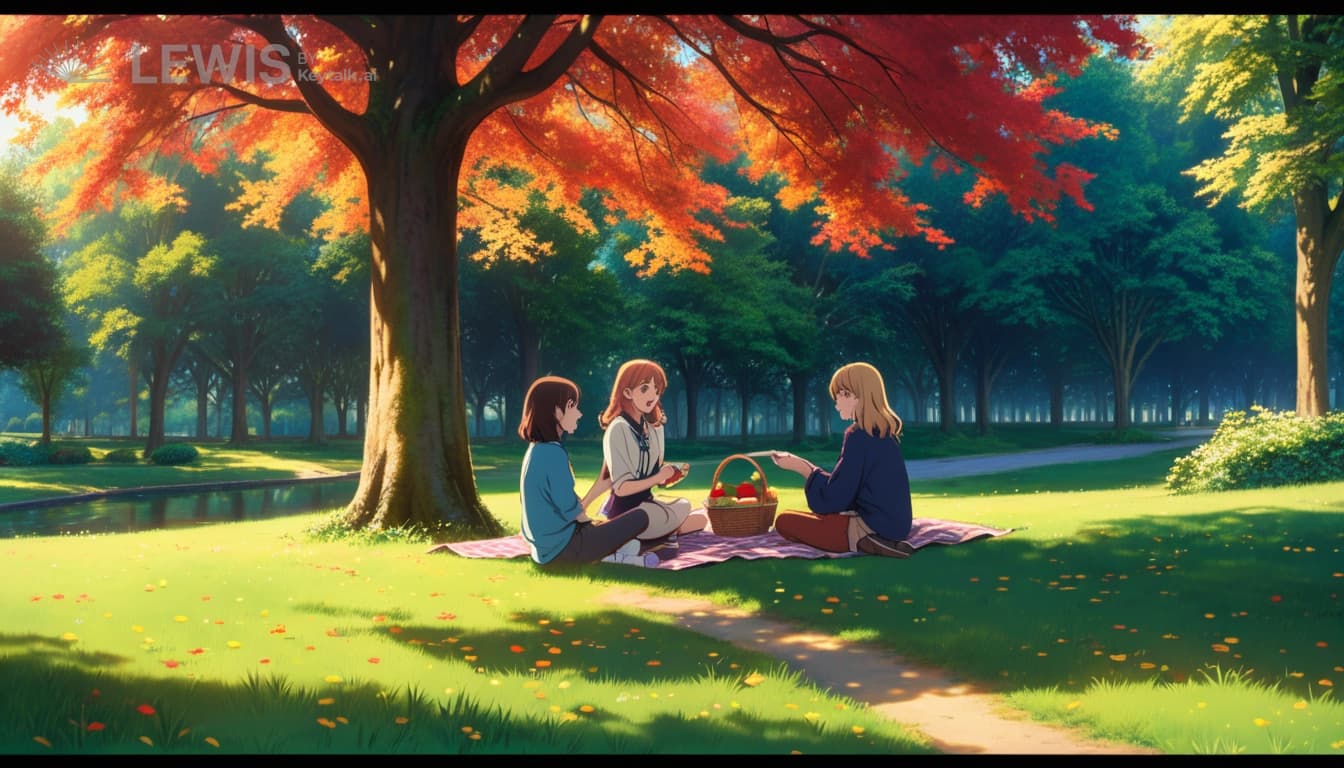
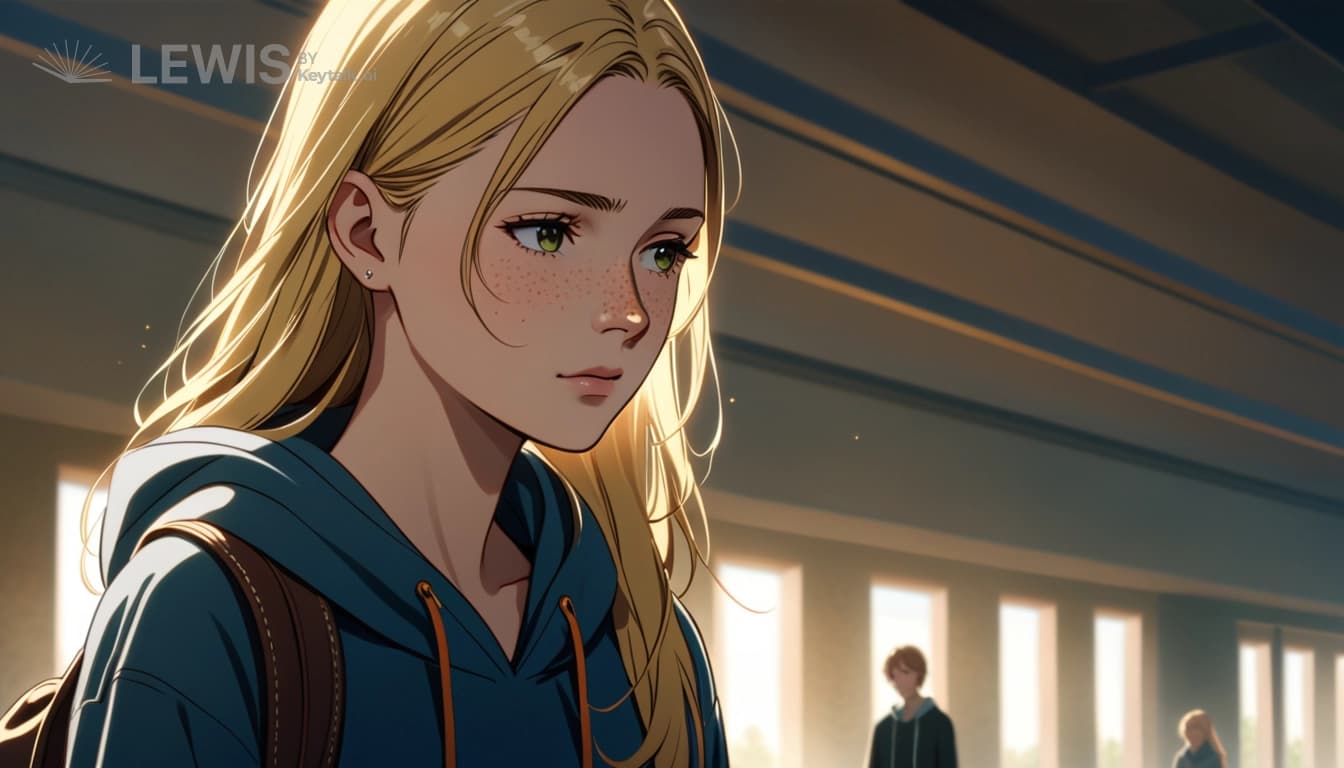
The eve of Mother's Day, however, reveals the crux of Marianne's ongoing struggle: her relationship with her teenage daughter, who is as spirited and rebellious as the protagonists in the novels Marianne adores. Their bond, strained by misunderstandings and the chaotic whirl of adolescence, stands on the precipice of change. This Mother's Day was supposed to be a celebration, an olive branch extended by tradition, yet it morphs into an unexpected journey. Marianne, with her unyielding spirit, sees beyond the present tensions. She envisages this as a journey not just of physical distances but of emotional healing.
Their adventure, sparked by a simple act of wanting to connect and honor the day, propels Marianne and her daughter into scenarios that force them to confront their fears, resentments, and hopes. Through this, Marianne's character shines as a testament to the power of love and resilience. Her strength is not just in her ability to stand firm but in her capacity to understand, forgive, and grow. The celebration of Mother's Day becomes secondary to the profound exploration of their fractured relationship, suggesting that healing is not only possible but imminent.
Marianne's story is a tribute to all the women who face daily battles, both big and small, with a smile and a hope that tomorrow will be better. Her journey, intertwined with her daughter's, is a canvas where the vibrant colors of love, misunderstanding, reconciliation, and growth are painted, reminding us that the essence of life lies in its complexity and beauty.







コメント · Comments
コメント · 0