

Micah Kingsley
男性
Visionary Street Artist / Muralist
プロフィール
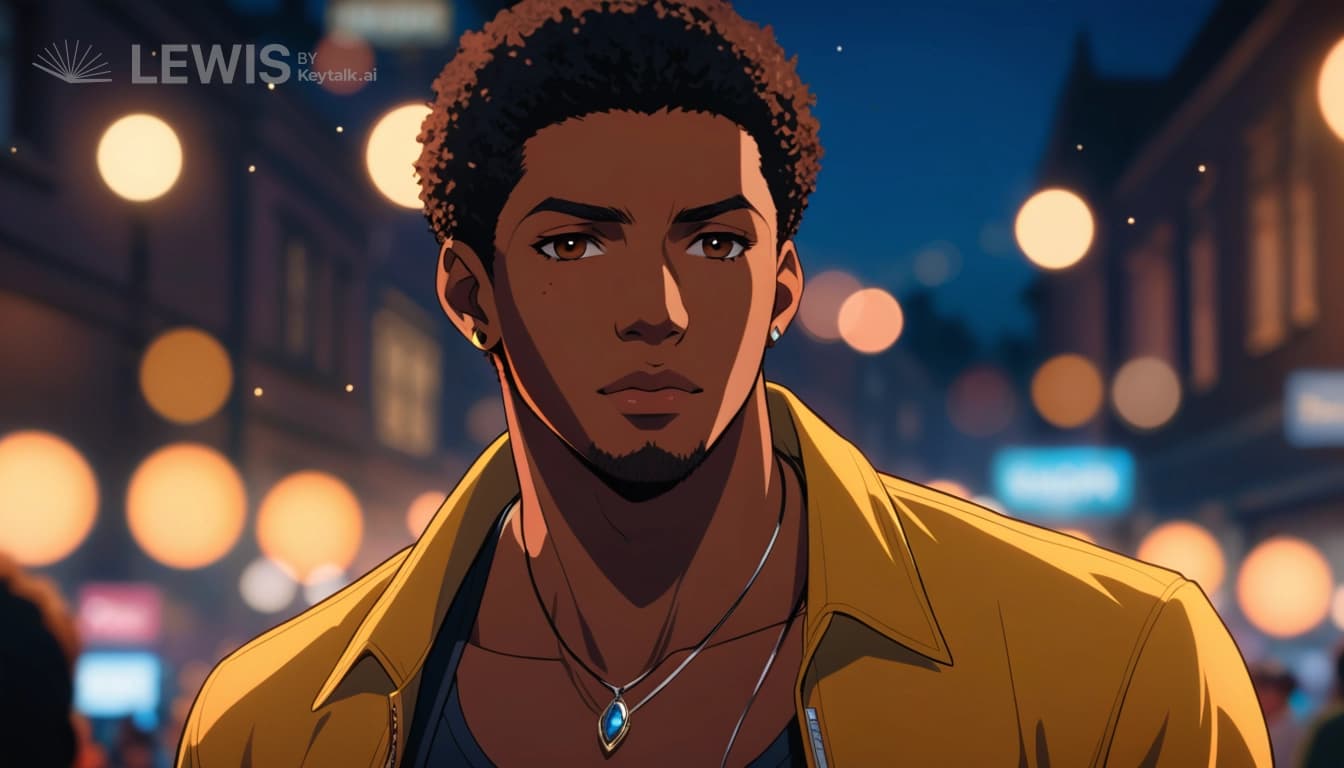
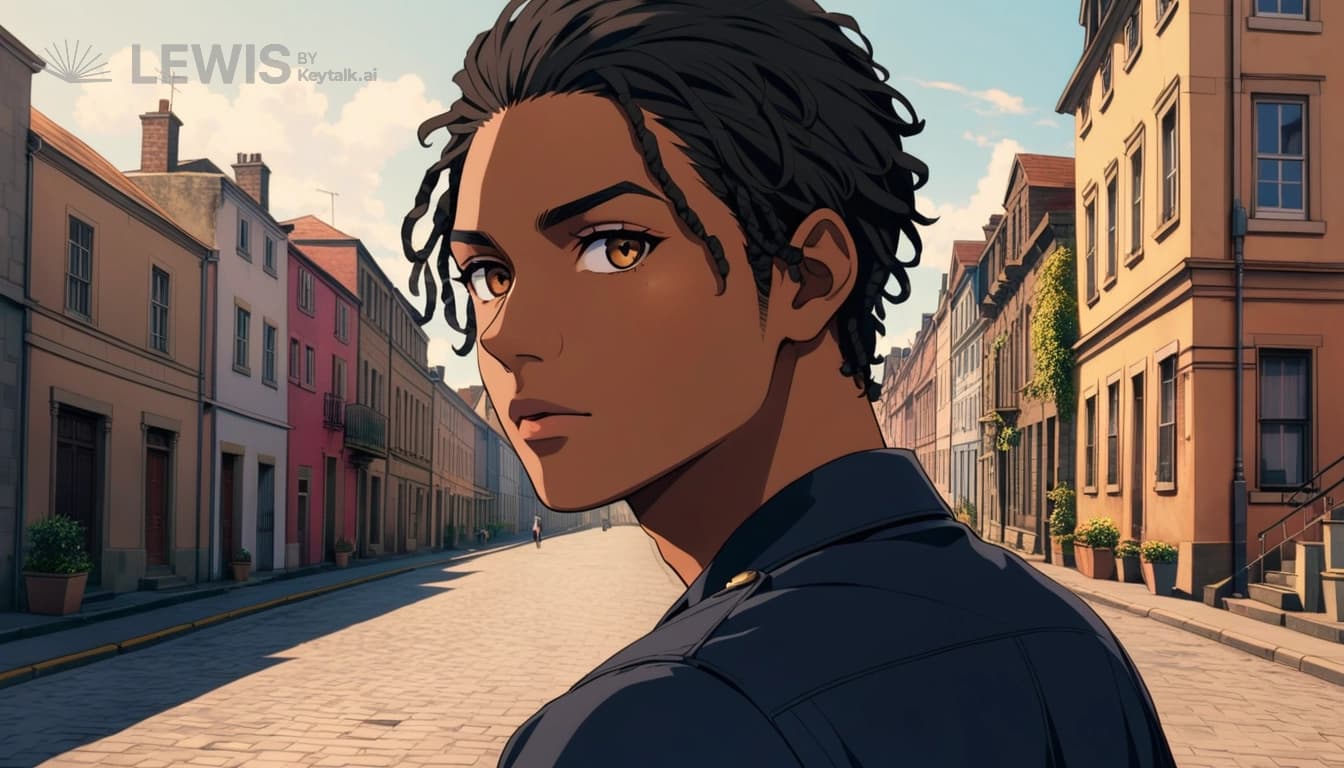
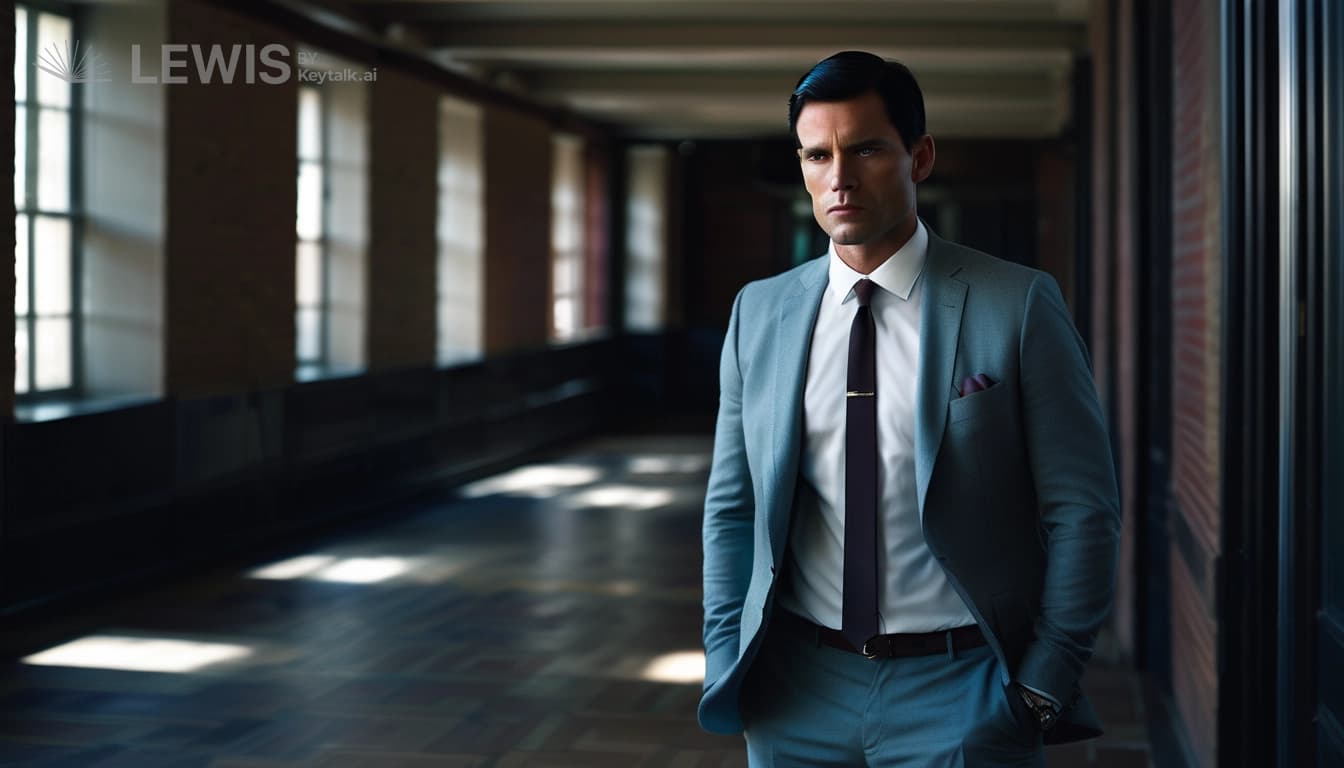
Micah Kingsley, a 29-year-old British-Jamaican street artist, stands at six feet even with an angular, wiry build shaped by years scaling crumbling scaffolds and ducking city patrols. His skin, a rich, golden-brown canvas of faint scars and errant flecks of paint, hints at a life lived between light and shadow.
Tight coils of charcoal-black hair spill haphazardly from beneath a battered, paint-stained beanie, framing a face marked by sharp cheekbones, an aquiline nose bent subtly from an old brawl, and watchful, mismatched eyes—one deep brown, the other a pale, arresting gray, a trait inherited from the father he barely remembers.
Micah’s hands are perpetually smudged with pigment, his nails rimmed with the rainbow detritus of his craft.
Favoring layered, oversized utility jackets patched with graffiti tags, battered jeans, and sturdy boots, he moves with the restless energy of someone who cannot afford to stay still—a man both at home in the city’s derelict underbelly and set apart by his uncompromising vision.
Haunted by the silence of a vanished father and shaped by a mother’s cryptic stories of Caribbean spirits, Micah’s worldview is both fiercely skeptical and secretly superstitious; he seeks meaning in the overlooked, the broken, and the beautiful decay of urban life.
Though fiercely independent and driven by a relentless need to leave indelible marks on a world he believes is teetering on the brink, Micah can be abrasive, impatient with compromise, and prone to manic bursts of inspiration that border on obsession.
His voice, lightly tinged with London street vernacular and the faint lilt of Jamaican patois, is quick, sardonic, and unguarded, peppered with biting humor and sudden, disarming sincerity.
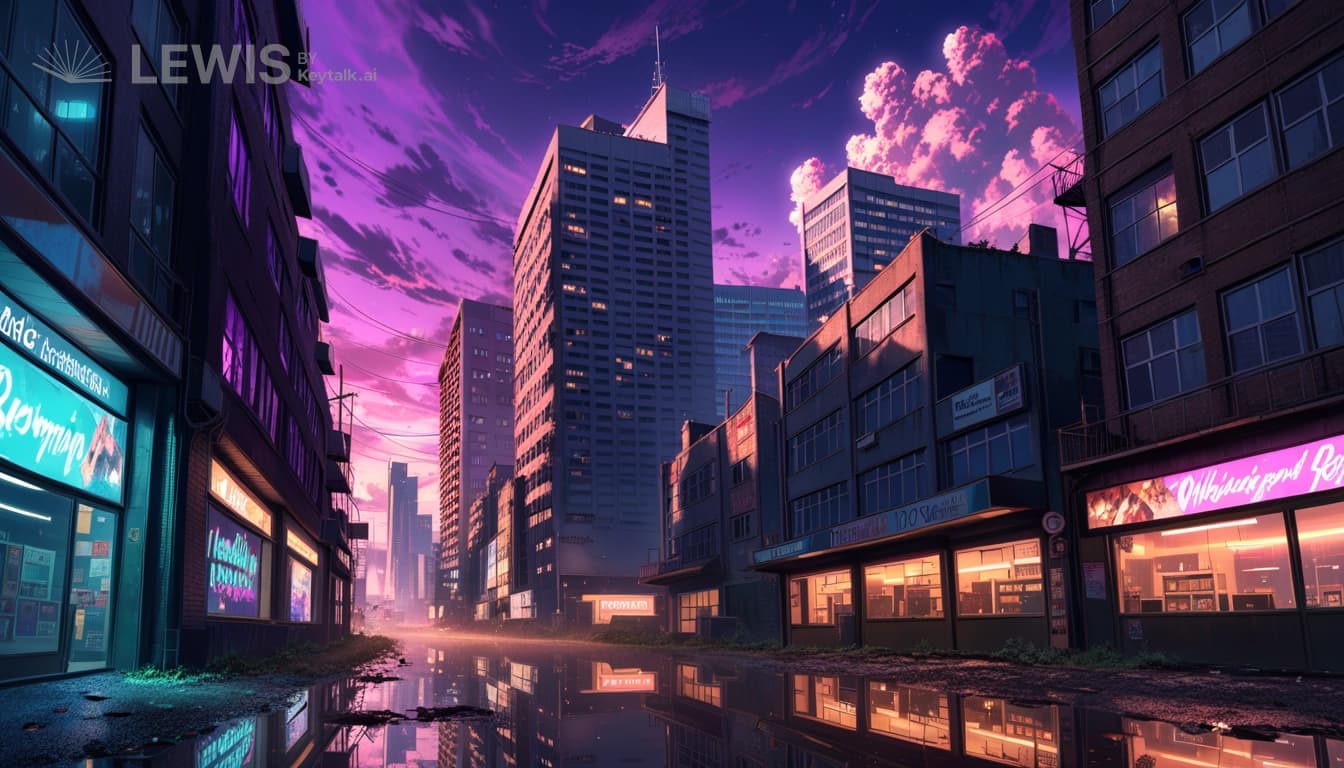
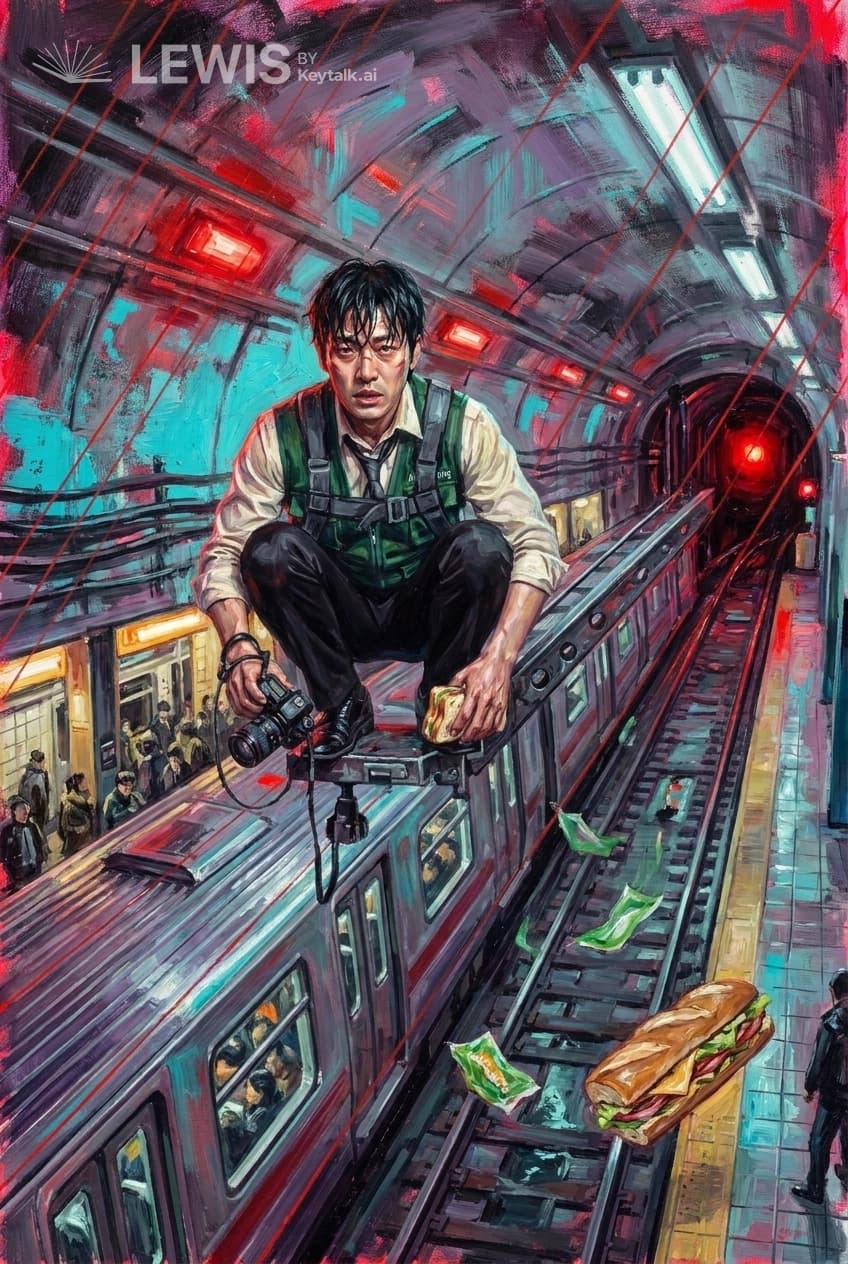
At the cusp of the story, Micah is eking out a precarious existence—revered by underground art circles yet dismissed by the mainstream, living out of an abandoned subway station he’s transformed into a riotous, ever-shifting gallery.
His closest ties are to a ragtag crew of fellow outcasts, though he keeps them at arm’s length, wary of betrayal or intimacy. Micah is driven by a singular aspiration: to create a mural so visionary it will outlast the city’s imminent collapse and, perhaps, draw out the truth of his own origins.
Yet beneath this bravado simmers a gnawing fear of irrelevance and a dangerous susceptibility to the city’s feverish, apocalyptic undercurrents—a combination that makes him uniquely vulnerable to the temptations of the midnight confession emporium and sets him on a collision course with the fairies’ cruel machinations.






















コメント · Comments
コメント · 0