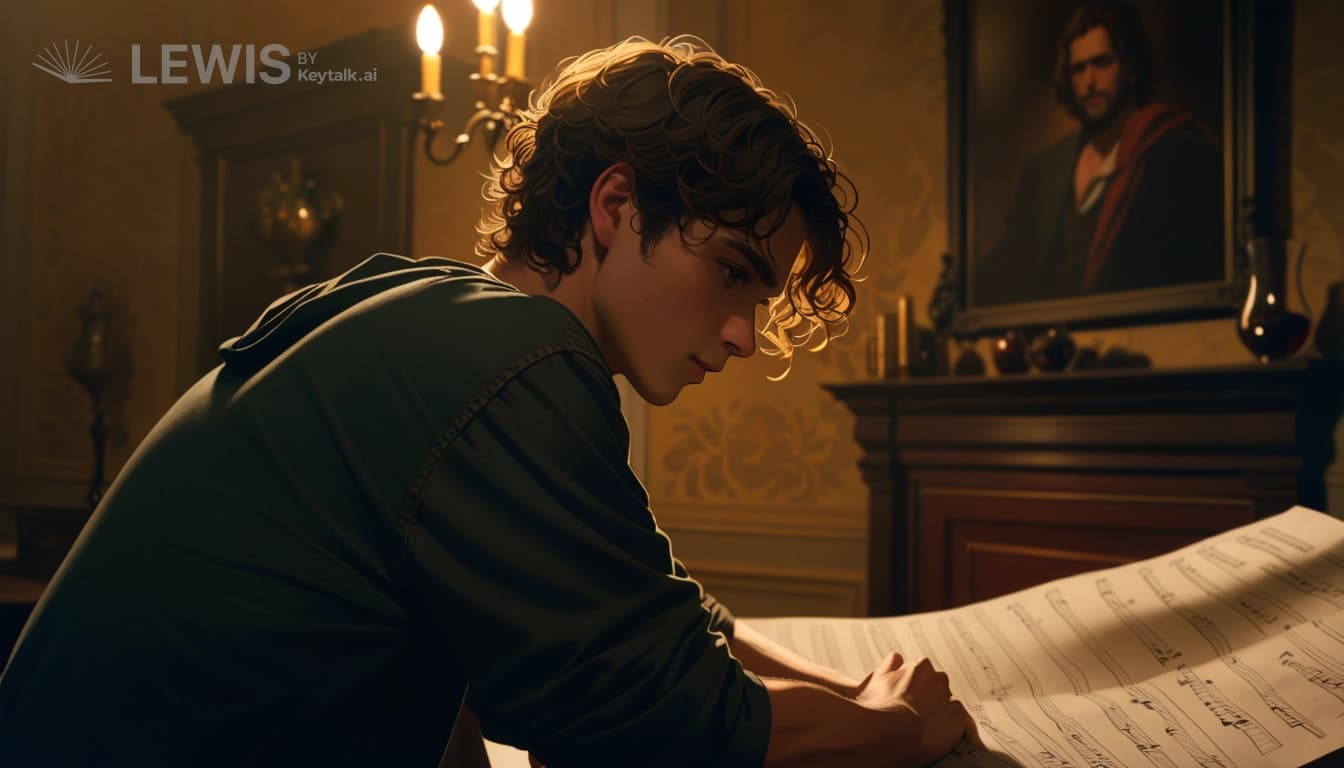
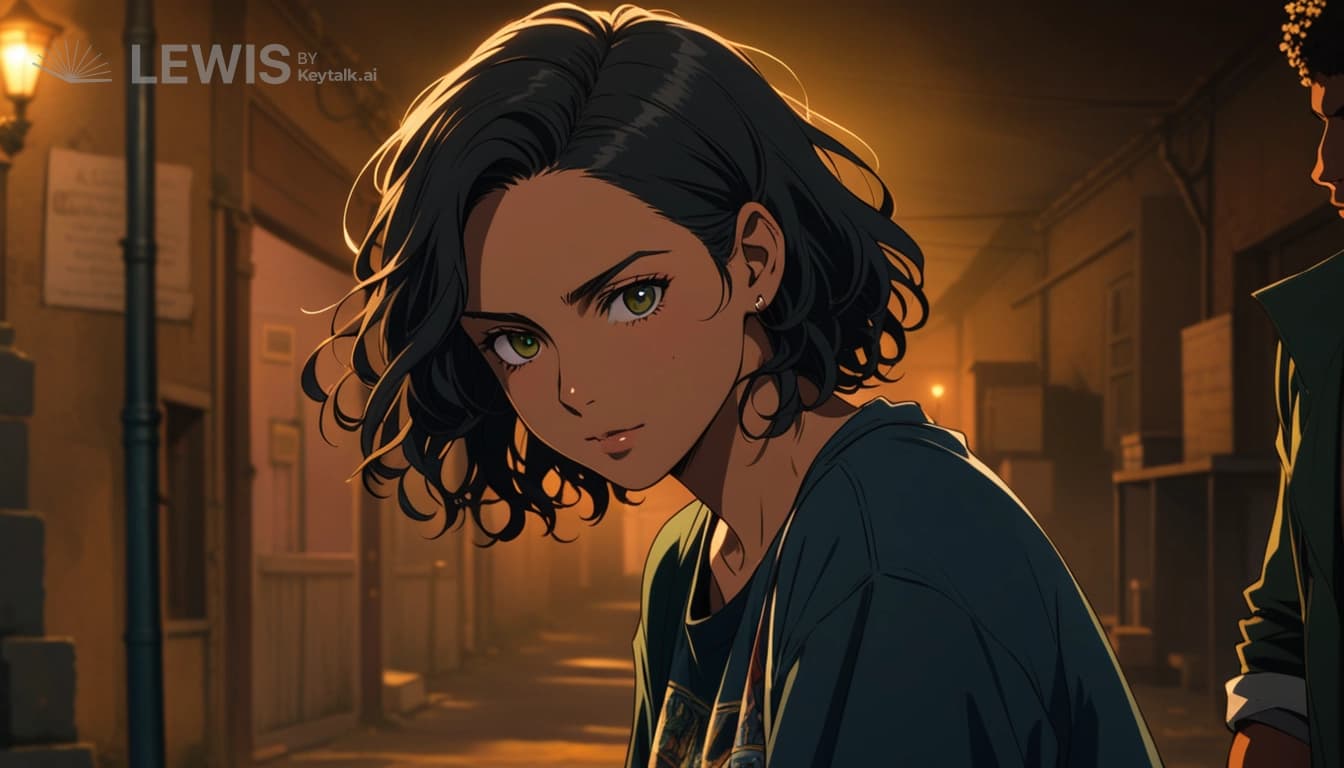
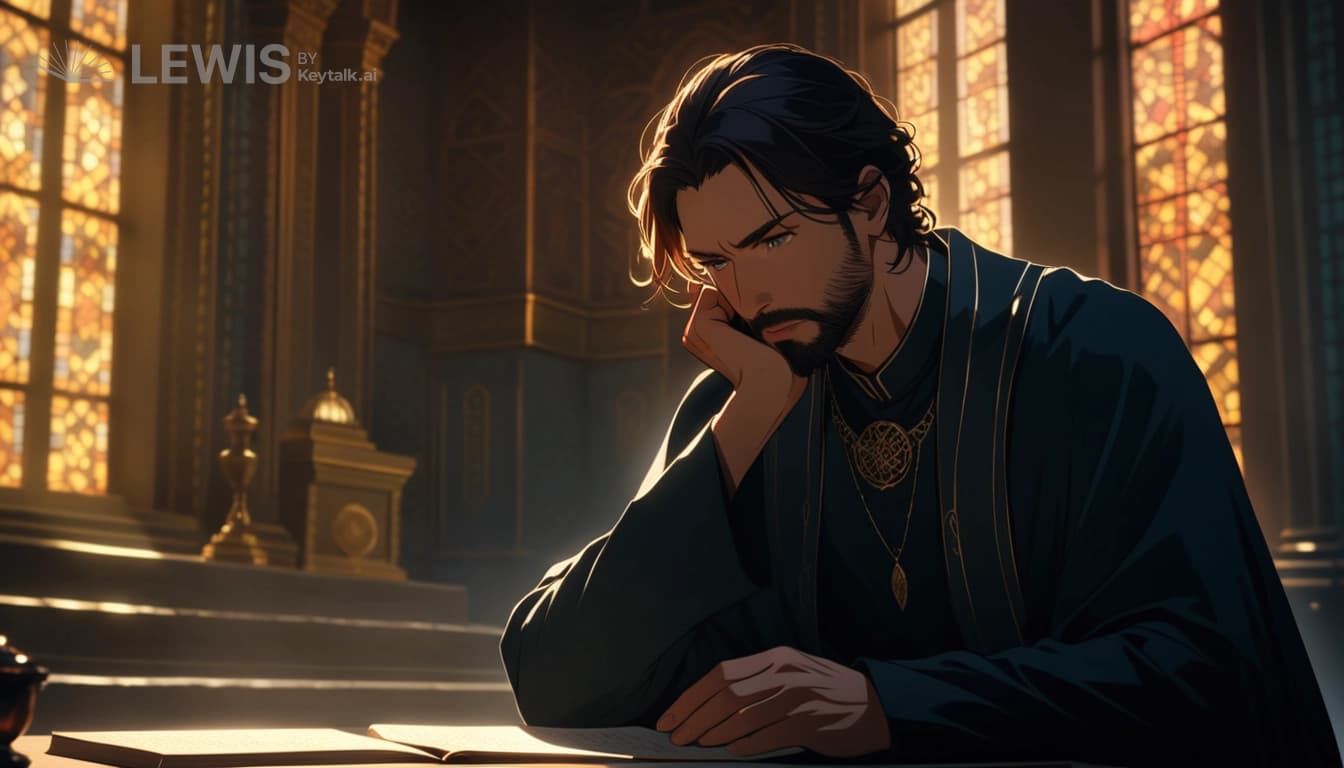
The grand, oppressive symphony of the Reyes family begins with a single, dissonant chord: Santino Reyes, the family’s musical prodigy, playing his cello not in Carnegie Hall as his father demands, but in a grimy San Juan speakeasy called El Murciélago. It’s here, under the watchful, pragmatic eye of his best friend, the bar’s head mixologist Roxy Velez, that Santino escapes the gilded cage of his life. His father, Ignacio Reyes, the formidable patriarch of the Reyes Rum dynasty, views Santino’s artistic pursuits as a personal affront, a weak link in the chain of command he has forged for his children. The story ignites when a beautiful, enigmatic stranger named Isabella walks into the bar. She is captivated not by the Reyes name, but by Santino’s mournful, passionate music. An immediate, electric connection forms between them, a whirlwind romance built on shared artistic sensibilities and a mutual feeling of being an outsider. For Santino, Isabella is the melody he’s been searching for, a love that feels pure and separate from his father’s transactional world. The affair is intoxicating and secret, until Ignacio, who has his youngest son perpetually watched, uncovers the truth with a single, devastating phone call: Isabella is Isabella Moreno, the sole heir to the Moreno family, the Reyes’ most bitter and long-standing rival in the rum trade.
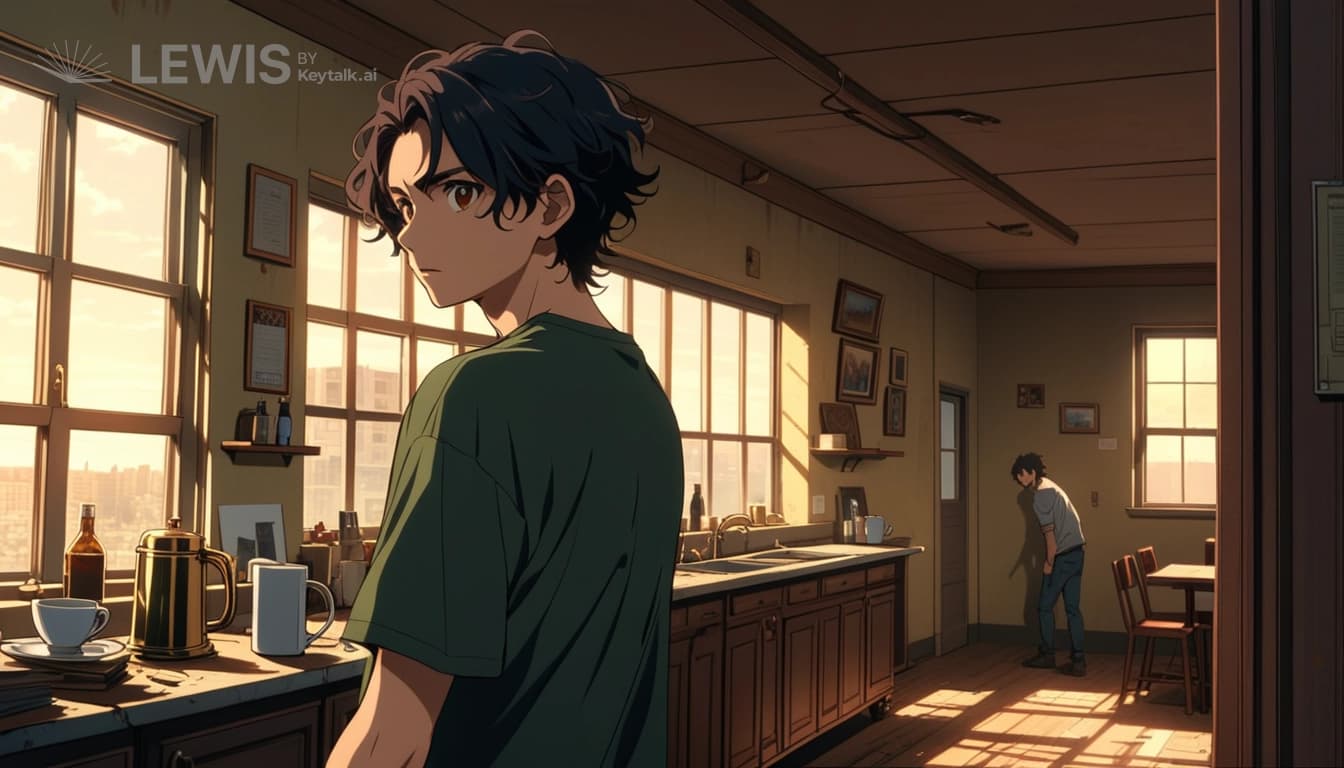
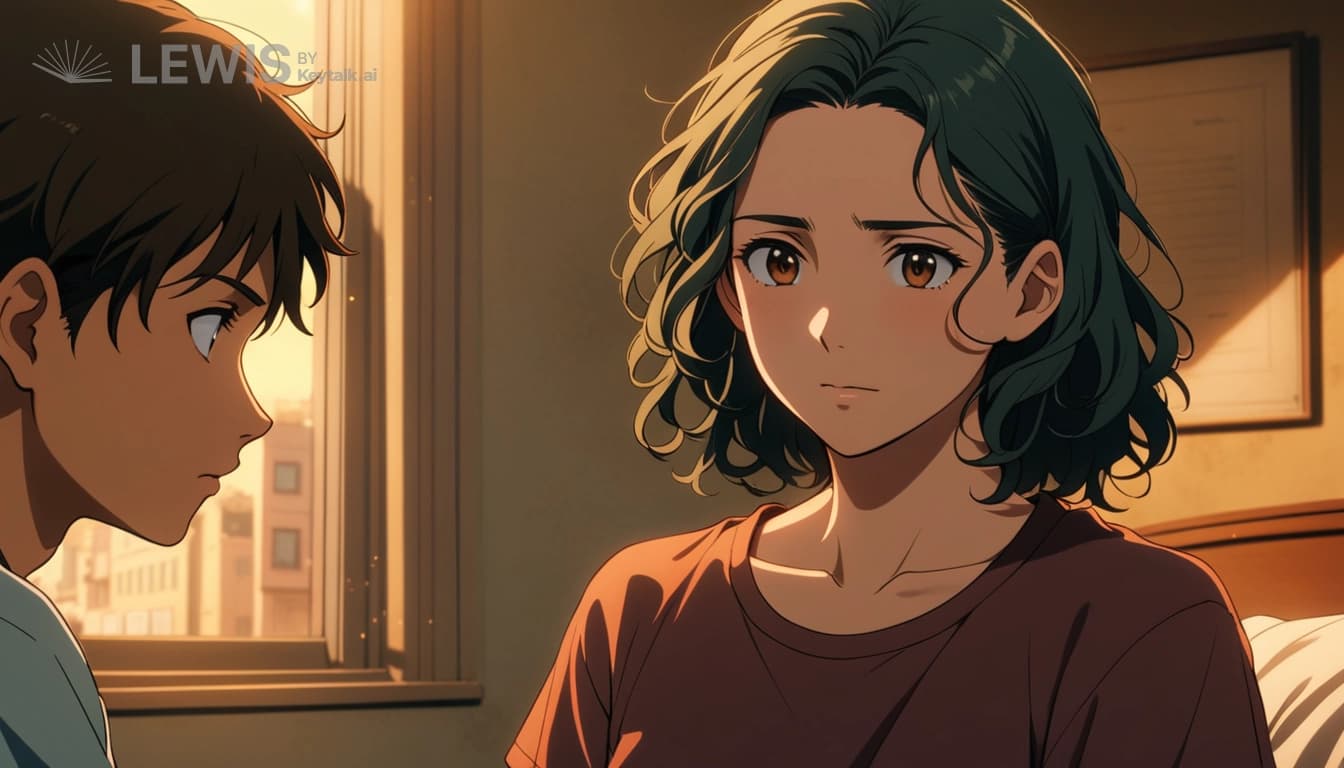
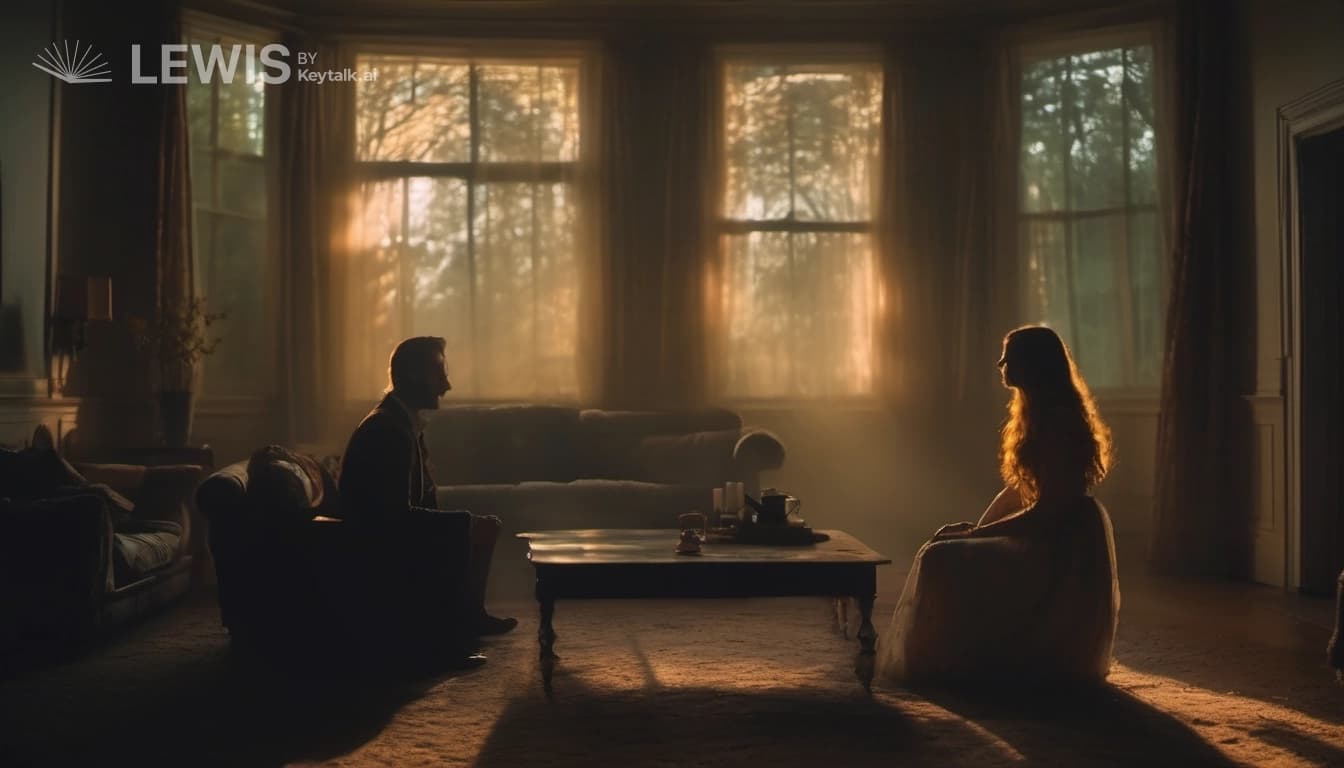
The revelation turns Santino’s romance into an act of war. Ignacio, incandescent with rage, sees this not as love but as a corporate and familial betrayal of the highest order. He summons Santino to the family estate, a fortress-like hacienda overlooking the cane fields, and delivers an ultimatum: end the relationship with the Moreno girl immediately, or be cut off completely—no penthouse, no trust fund, no access to the family name. For the first time, Santino doesn’t just passively resist; he openly defies his father, fueled by his love for Isabella and a lifetime of simmering resentment. He chooses Isabella. This act of rebellion sends shockwaves through the family, delighting his power-hungry older siblings who see an opportunity to climb the corporate ladder. Santino, now truly on his own, moves into a cramped apartment above Roxy’s bar. His relationship with Isabella deepens, becoming a defiant stand against their warring families. They dream of a future together, one where their names don't matter, funded by Santino’s music and her own quiet ambitions, a fantasy Roxy constantly punctures with her signature brand of cynical realism.
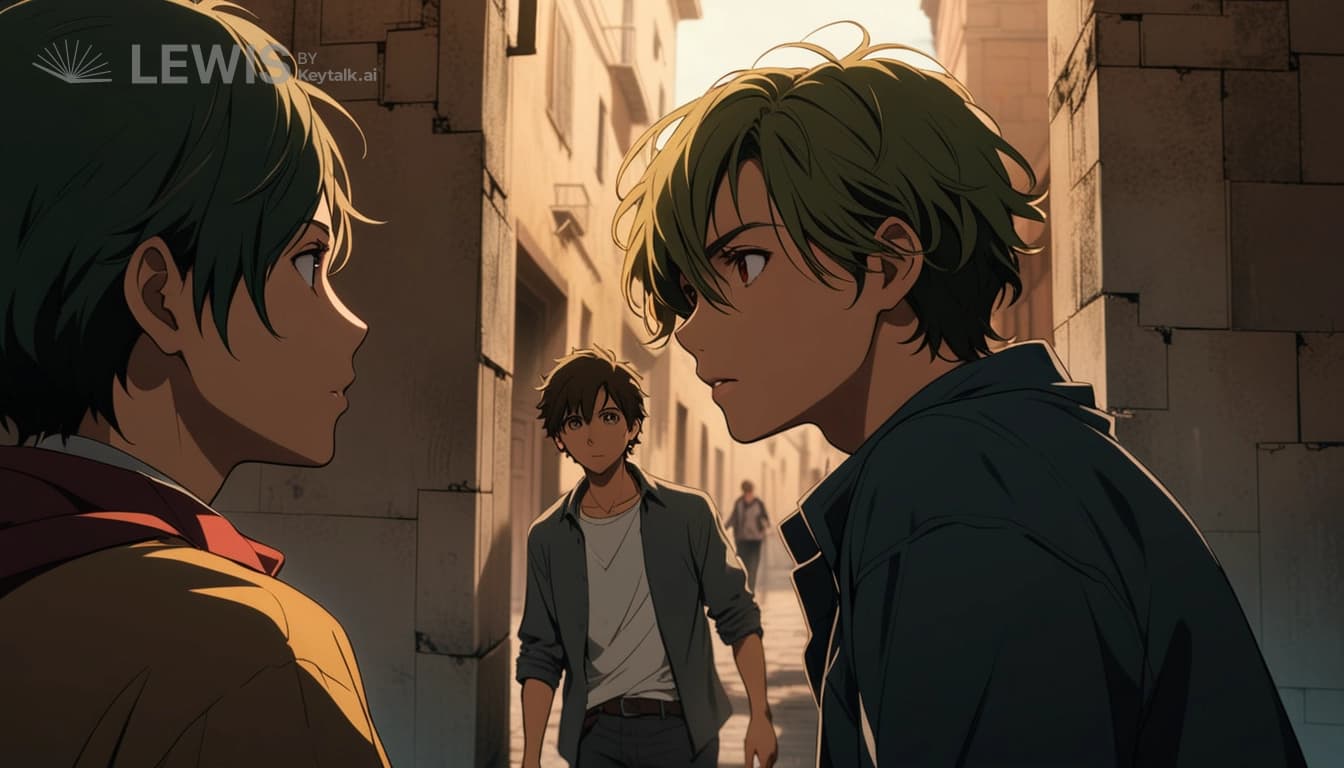
Ignacio, refusing to be defied, escalates his campaign of control into a full-blown B-movie villain plot. He doesn't just want to break them up; he wants to obliterate the Moreno family entirely. He initiates a series of ruthless, borderline-illegal business maneuvers: he poaches the Moreno’s master distiller with an outrageous offer, launches a smear campaign questioning the quality of Moreno rum, and uses his political connections to mire their shipping routes in bureaucratic red tape. The pressure mounts on Isabella’s family, and consequently, on her relationship with Santino. She finds herself torn between her love for him and her loyalty to her own family, who now see him as the living embodiment of their ruin. The lovers’ secret meetings become fraught with tension, the idyllic romance poisoned by the ugly reality of their legacy. Santino, desperate to prove his love is separate from his father’s war, tries to help, using his insider knowledge to warn Isabella of Ignacio’s next move, a decision that solidifies his status as a traitor in his own home.
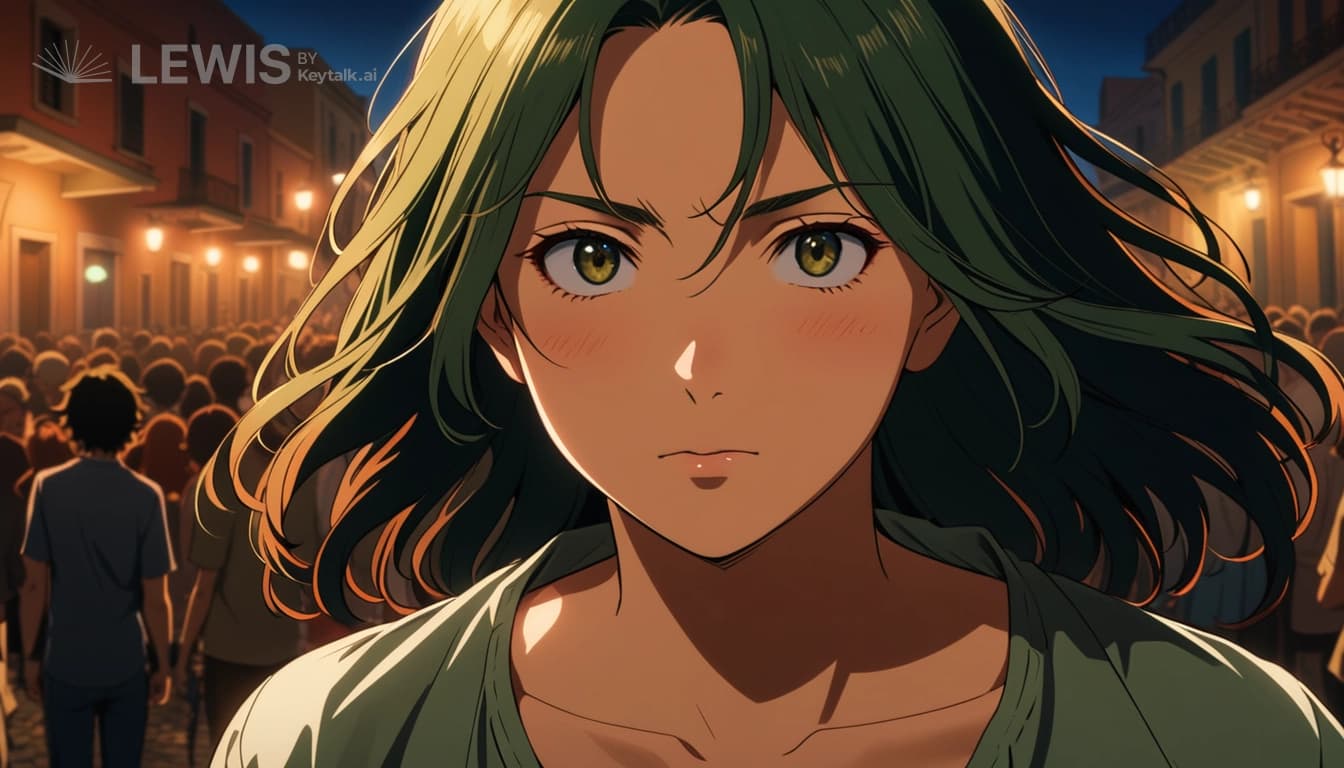
The conflict reaches a fever pitch during San Juan’s annual "Noche de Ron" festival, a city-wide celebration of the island’s signature spirit. Ignacio plans to use the festival’s main tasting competition as the stage for his final, crushing victory over the Morenos. Roxy, using the network of gossip and secrets she gathers from her bar patrons, uncovers Ignacio's trump card: he has secretly developed a new, revolutionary aging process using a rare, local wood, creating a rum so exquisite it's guaranteed to win the competition and bankrupt the Morenos. But she also overhears a more sinister secret, a piece of Reyes family lore that Ignacio has buried for decades. She learns that the original, award-winning Reyes rum recipe—the very foundation of the empire—wasn't created by Ignacio's father, but stolen from the Moreno patriarch’s grandfather in a crooked card game generations ago. The entire Reyes legacy is built on a lie. Roxy, seeing her chance to protect Santino and level the playing field, tells him everything.
Armed with this devastating truth, Santino confronts Ignacio not in a boardroom, but on the grand stage of the Noche de Ron, just moments before the final judging. In a move of shocking theatricality, he interrupts the ceremony, taking the microphone not to play his cello, but to confess his family’s original sin to the assembled press and industry elite. He exposes the stolen recipe, framing his father’s entire life’s work as a fraud built on a generations-old theft. The ensuing chaos is immediate and spectacular. The festival erupts, the Reyes brand is thrown into disgrace, and Ignacio watches his meticulously constructed empire crumble in a matter of minutes. In the ensuing pandemonium, Ignacio, his face a mask of pure, apoplectic fury, suffers a massive, non-fatal stroke, collapsing amidst the wreckage of his legacy. The image is stark: the titan of industry, felled not by a business rival, but by the quiet, artistic son he so thoroughly underestimated.
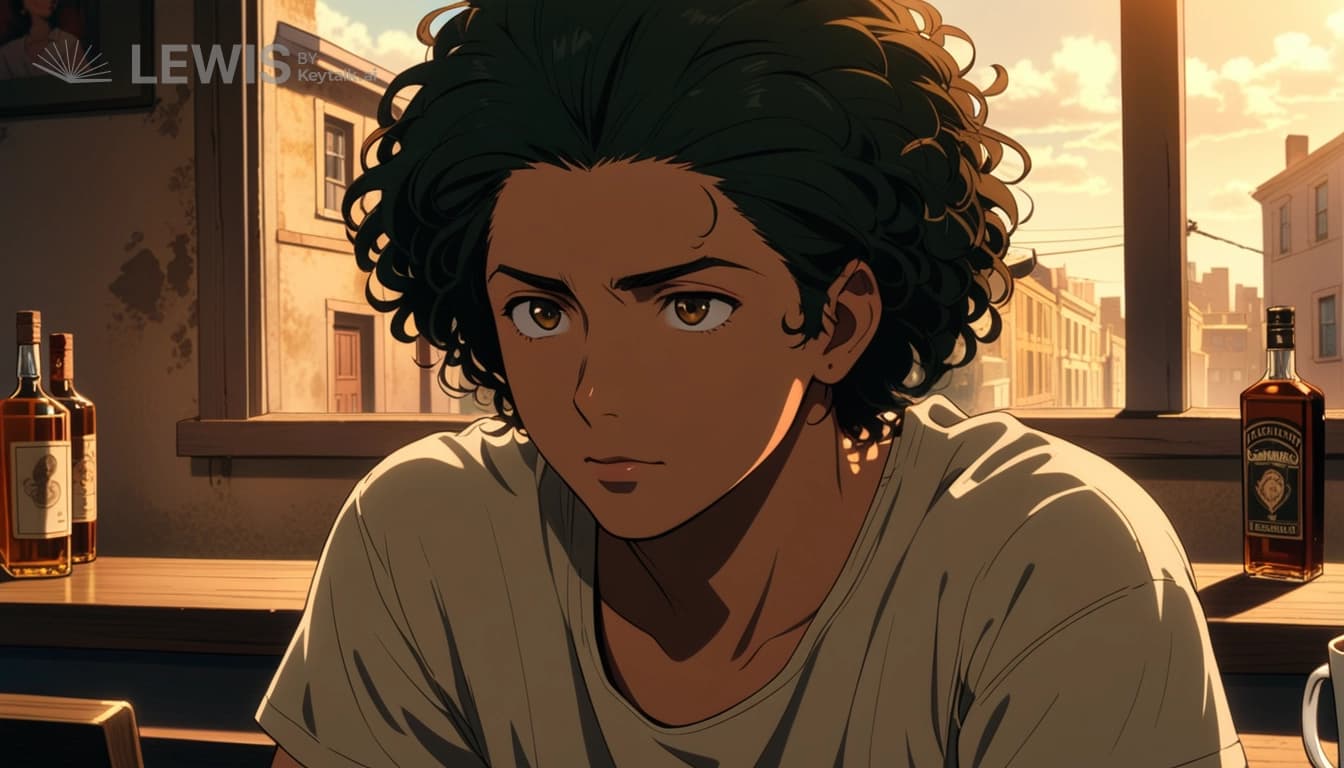
In the aftermath, the Reyes empire is in shambles, and Ignacio is left incapacitated, a silent king on a broken throne, able to watch but not to rule. Santino’s siblings, devoid of their father’s ruthless guidance, fall into bitter infighting, accelerating the company’s collapse. Santino, now a pariah to his own family, finds that his grand gesture did not save his relationship. Isabella, horrified by the public destruction and the confirmation that their families' feud was rooted in such a deep betrayal, cannot reconcile the man she loves with the chaos he unleashed. She leaves him, and Puerto Rico, to find a life free from the ghosts of both their families. The story ends with Santino back where he started, in El Murciélago, but changed. He’s alone, having lost both his family and the love of his life. Roxy pours him a drink, no "I told you so," just the quiet solidarity of a true friend. He picks up his cello, and begins to play a new composition—no longer mournful and melancholic, but a complex, ferocious, and deeply discordant piece. It’s the sound of a man who finally found his own voice, a cacophony of ruin and freedom, the true and terrible price of his rebellion.


















Comments
Comments · 0