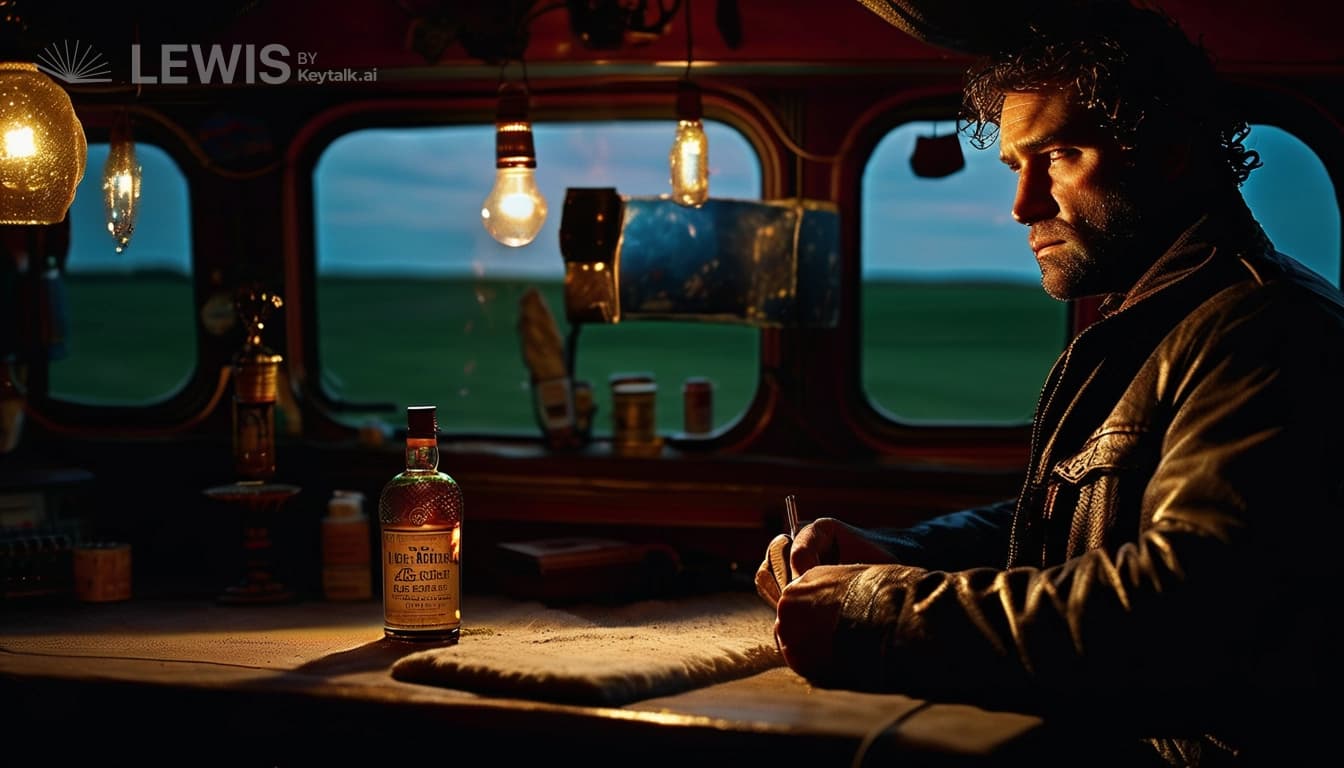
Wystan Grimwood, a paranormal investigator scarred by his past, finds himself drawn to the suffocating fog of a remote town. The case, whispered on the lips of desperate townsfolk, seems simple enough: an ancient evil stirring beneath the bedrock of their faith. But for Wystan, the case strikes a nerve, echoing the demonic possession that claimed his brother. His cynicism, a shield against the abyss he stares into daily, begins to crack as he witnesses the insidious grip the entity has on the town, twisting their faith into a weapon against them.
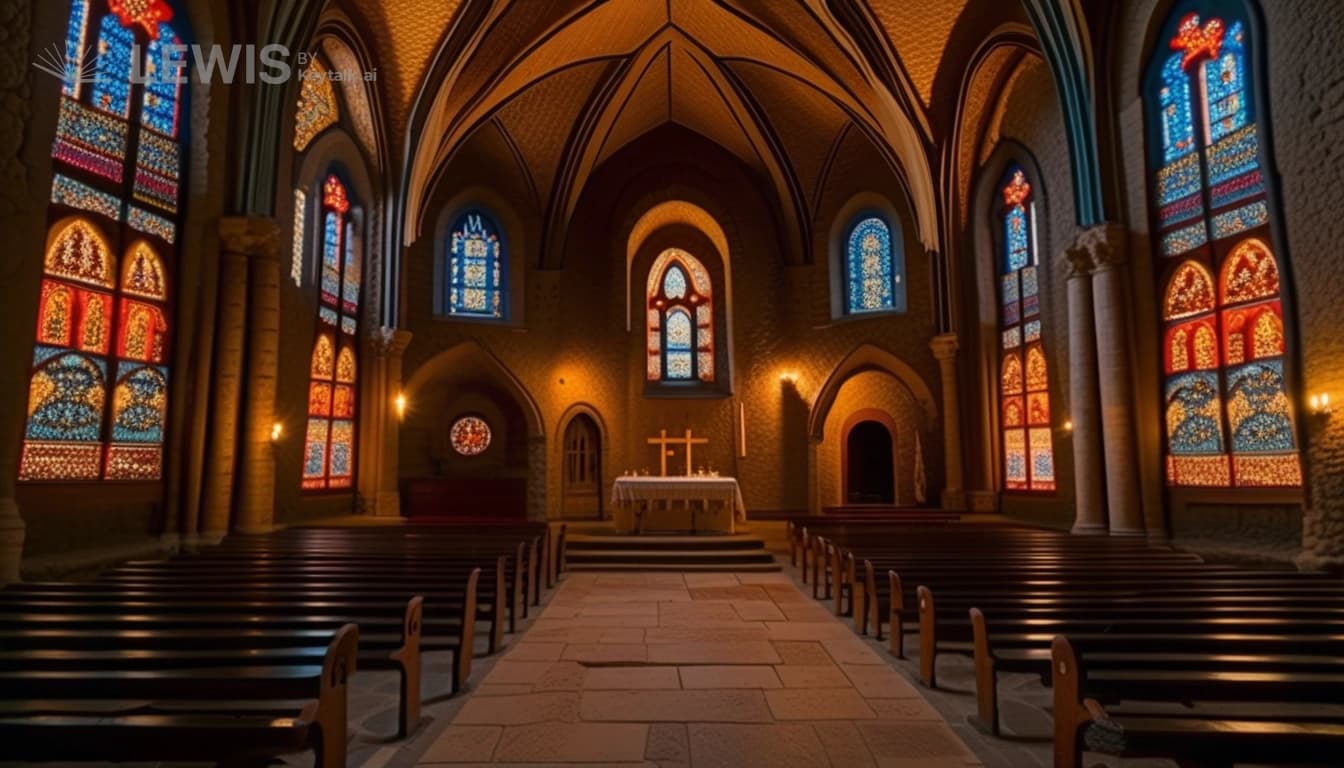
The fog-wreathed town, with its steeple piercing the oppressive sky, becomes a cage for Wystan's skepticism. He soon discovers that the entity isn't just preying on their faith; it's feeding on it, growing stronger with each whispered prayer, each act of piety. He crosses paths with Sorcha NicAoidh, the village blacksmith, a woman whose faith has been tempered in the fires of hardship. He sees in her a kindred spirit, a fellow traveler in the shadowlands of doubt. She becomes an unwilling confidante, her practicality a grounding force against the encroaching darkness.
His investigation leads him to the enigmatic Valbjörn Þorgrímsson, the town's antiquarian, a man who seems to exist outside the flow of time. Valbjörn, with his ancient eyes and cryptic pronouncements, becomes a source of both knowledge and unease. Wystan senses a kindred darkness in the old man, a shared history with the unseen forces at play. He suspects Valbjörn knows more than he lets on, that his connection to the town and its people runs deeper than the artifacts he hoards.
As Wystan delves deeper, he uncovers a horrifying truth: the entity is not some ancient evil, but a manifestation of the town's collective guilt and repressed darkness. Their blind faith, their unquestioning devotion, has become the very conduit for its power. He realizes with a chilling certainty that the true horror lies not in the supernatural, but in the human heart's capacity for darkness. His cynicism crumbles, replaced by a terrifying understanding of the insidious nature of belief.
The lines between ally and enemy blur as Wystan confronts the horrifying possibility that Valbjörn is not a victim of the entity's influence, but its architect. The antiquarian, weary of his protracted existence, seeks to use the town's collective faith as a catalyst, to usher in a new age of darkness. Wystan, haunted by the memory of his brother's possession, must choose between his jaded detachment and fighting to save a town on the brink of annihilation, a town that reflects his own internal struggle with faith and doubt.
In a climactic confrontation that shatters the town's tranquility, Wystan finds himself facing not only the entity and its puppet master but also the echoes of his own past. He realizes that to save the town, and perhaps himself, he must confront the darkness within him, the guilt and grief that have festered since his brother's demise. The battle is not fought with crucifixes and incantations, but with a reckoning of the soul. In the aftermath, the town is irrevocably changed, the fog of blind faith lifting to reveal the scars of their collective nightmare. Wystan, forever marked by the experience, finds a measure of peace, his cynicism replaced by a weary acceptance of the world's inherent darkness and the flickering light of human resilience.








Comments
Comments · 0