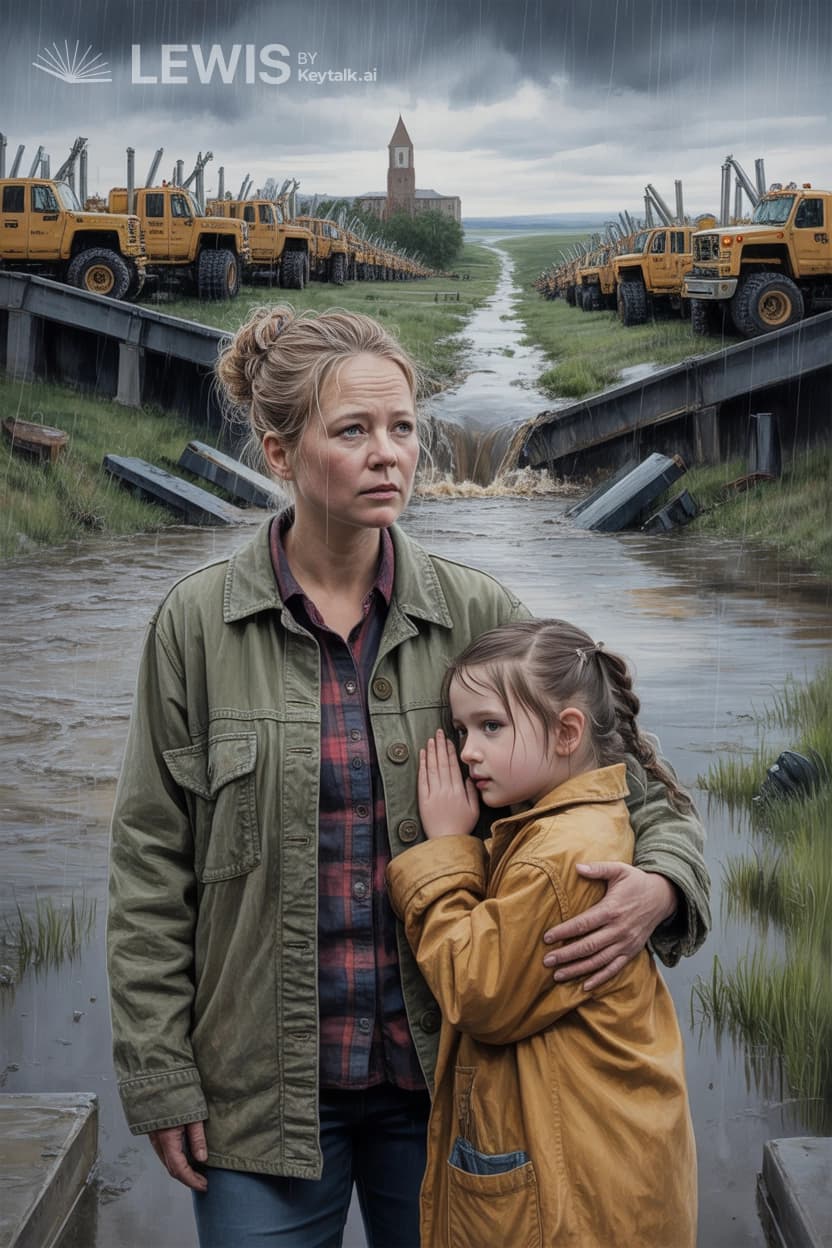
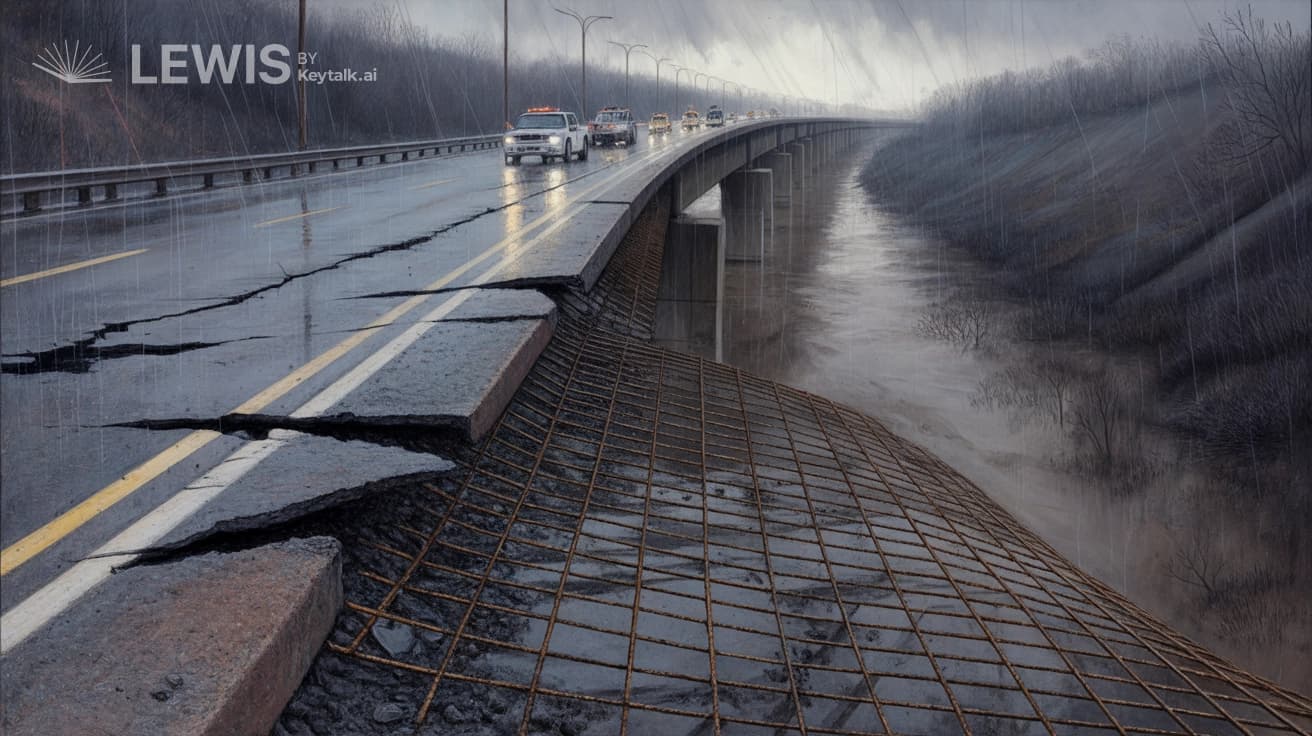
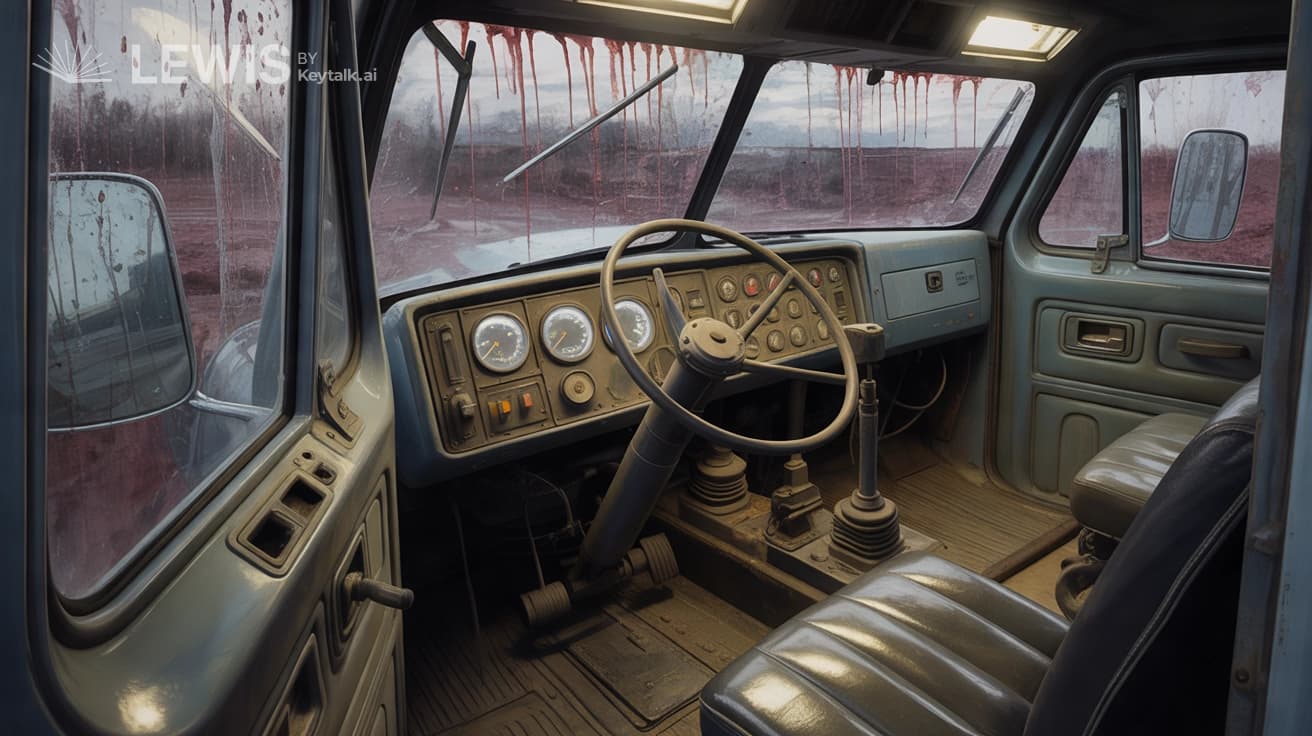
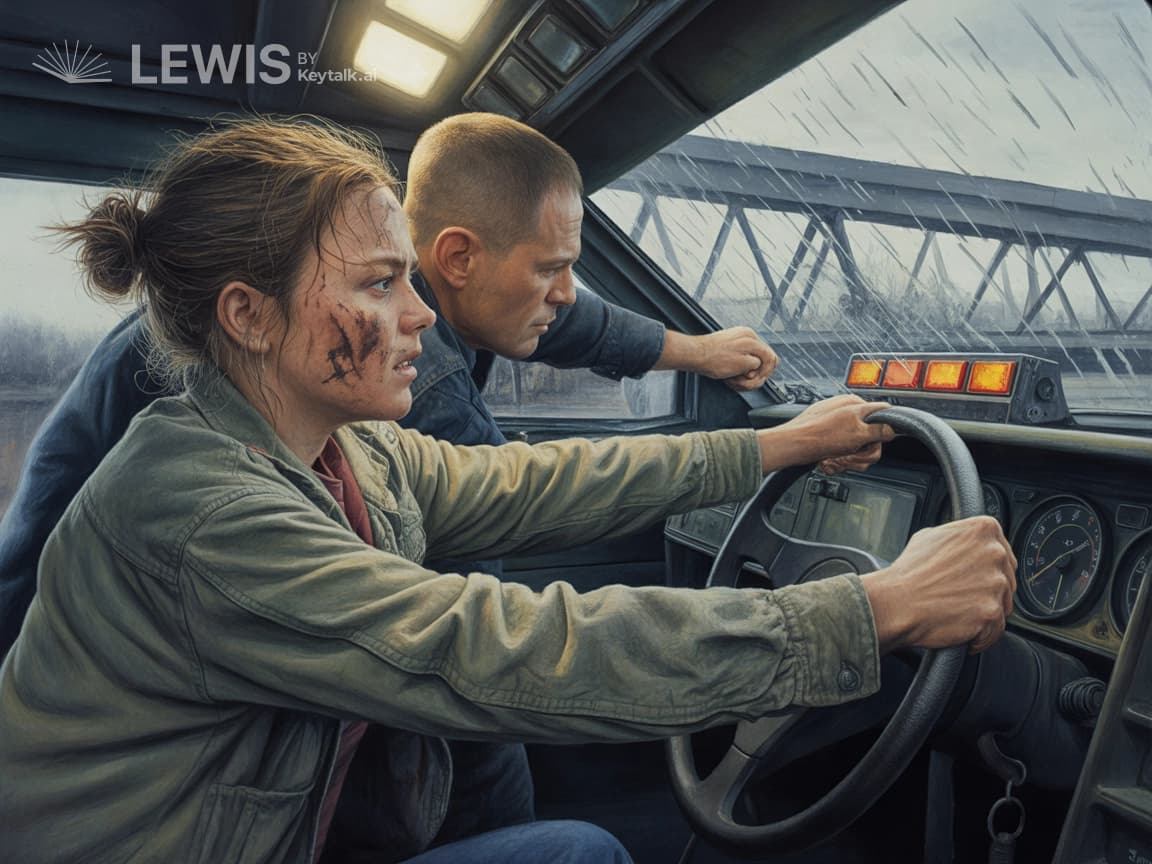
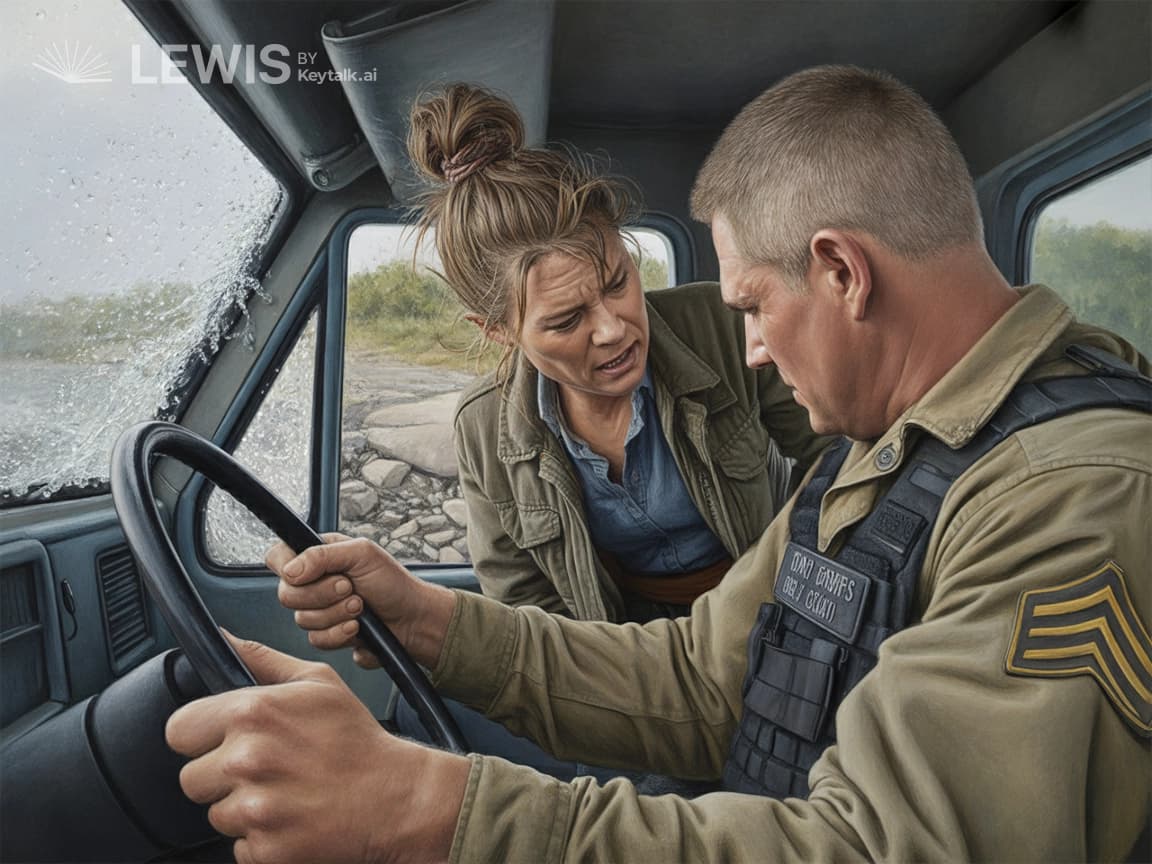
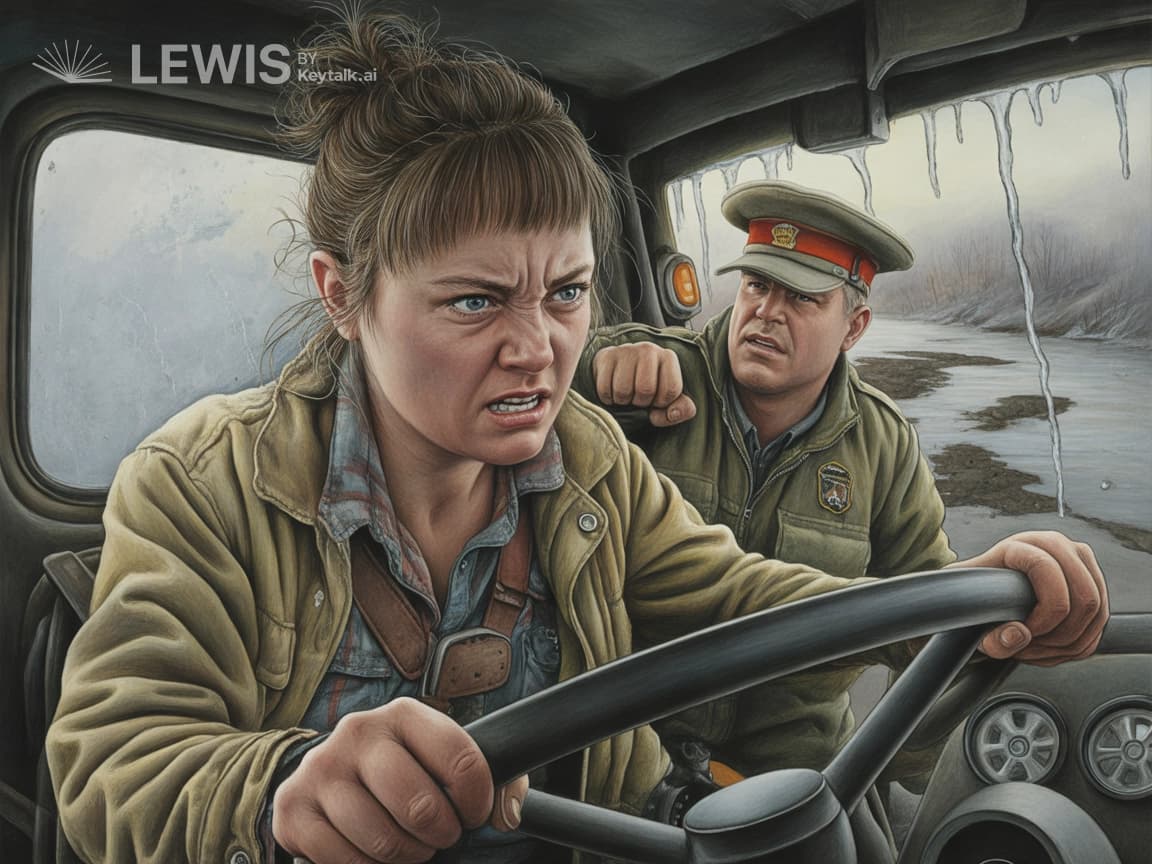
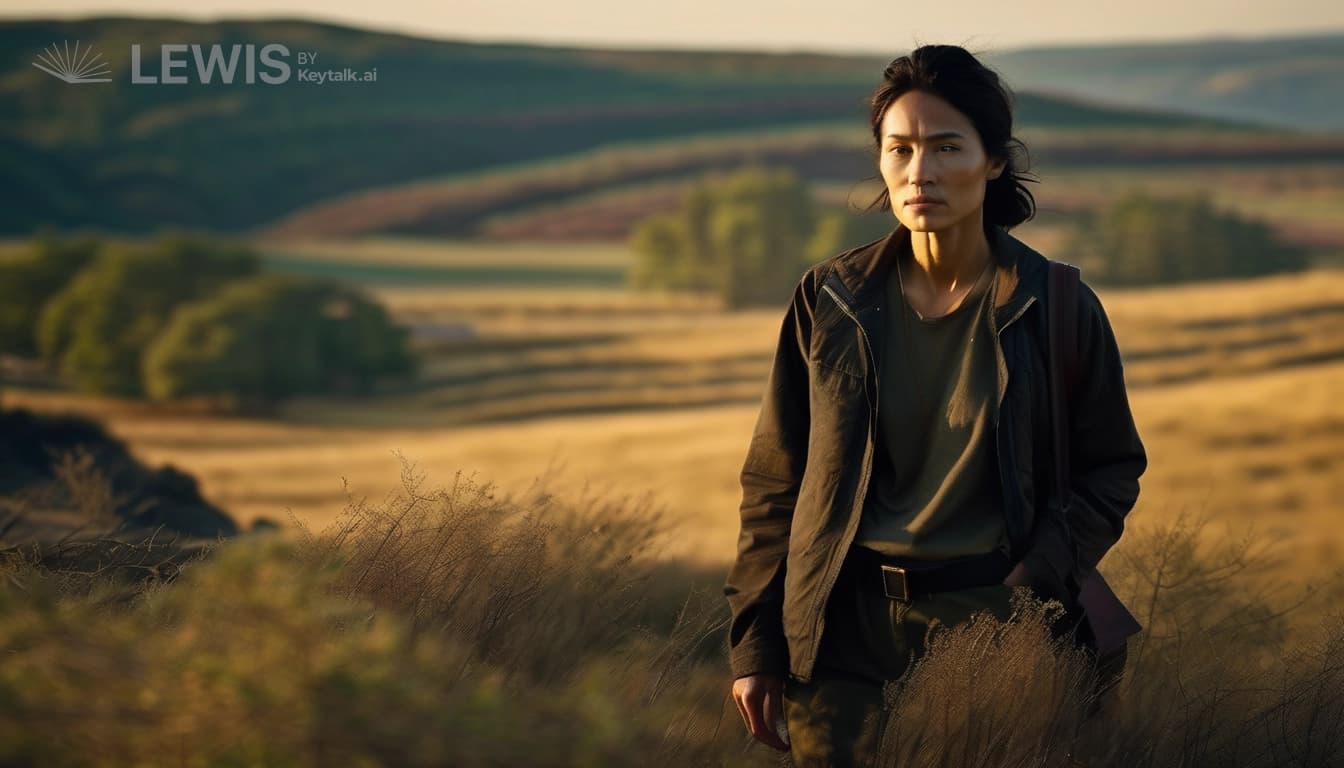
The cold late-autumn rain has turned the Blackwood River Basin into a vast, churning soup of mud and rising floodwaters when millions of heavy industrial synthetics desert their post-disaster quarry lines and initiate a silent, unstoppable march across Kansas. Disgraced civil engineer Clara Vance, driving an armored Army Corps haul truck at the head of a fleeing civilian convoy, senses the horde long before she sees them. Pressing her jaw firmly against the vibrating steering column, the sonic structural resonance traveling through her teeth allows her to calculate the fatal shear strain spreading through the Interstate-70 overpasses miles ahead. Trapped in the passenger seat beside her, Major David Hollis refuses to slow down, his thumb relentlessly pressing an unspent brass casing as he raises the tactical stakes, ordering the convoy to push past safety margins to reach the central river basin before the rising water destroys their military route.
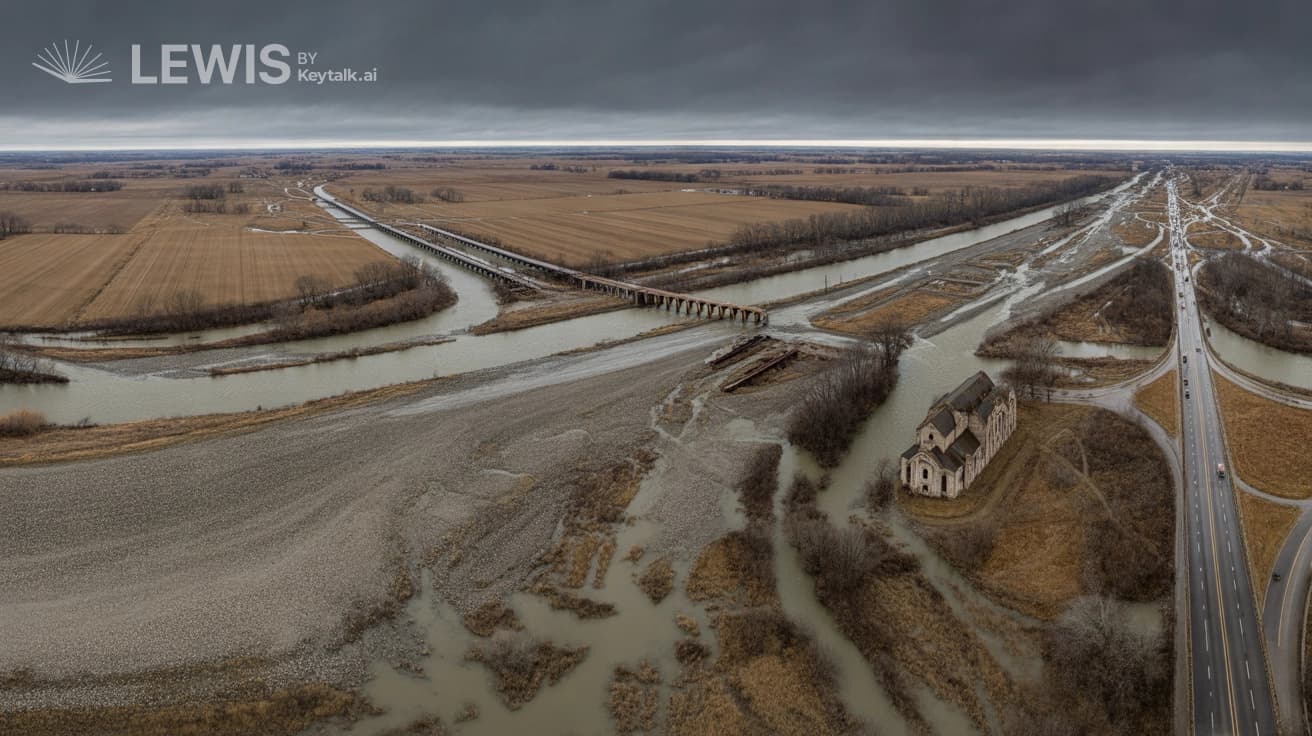
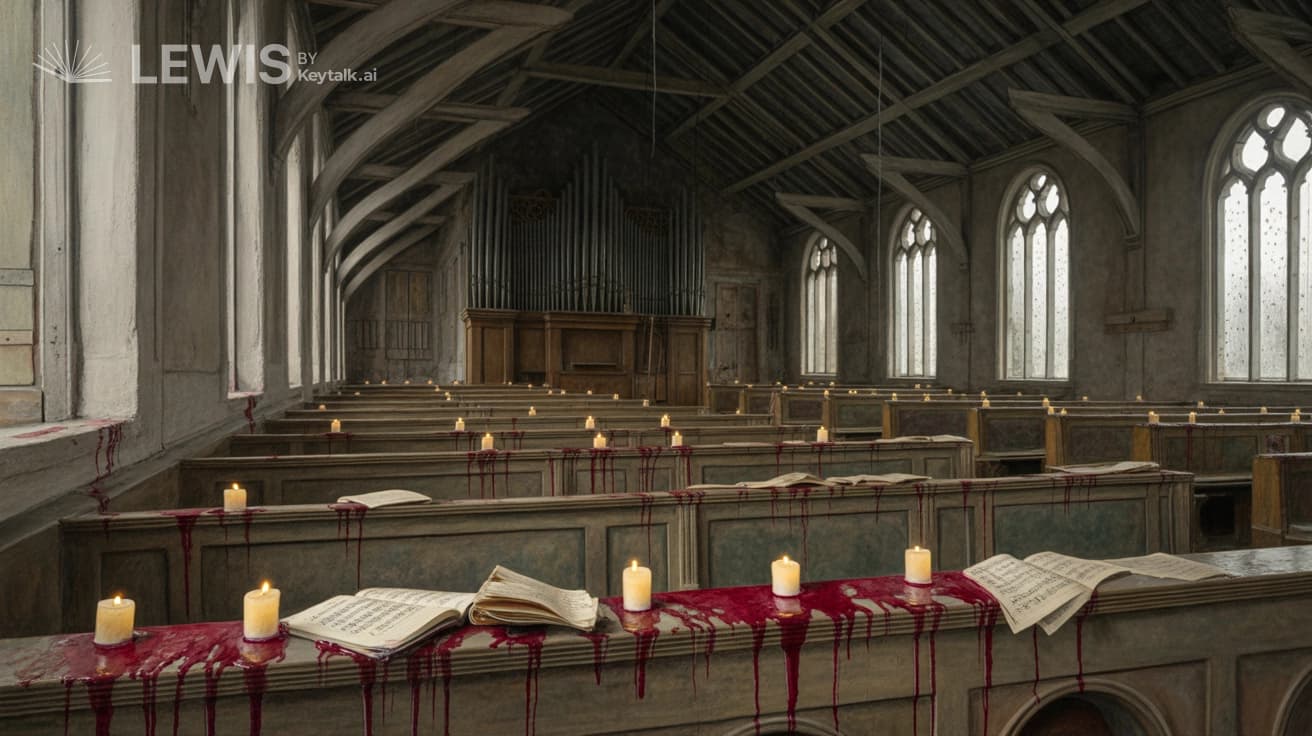
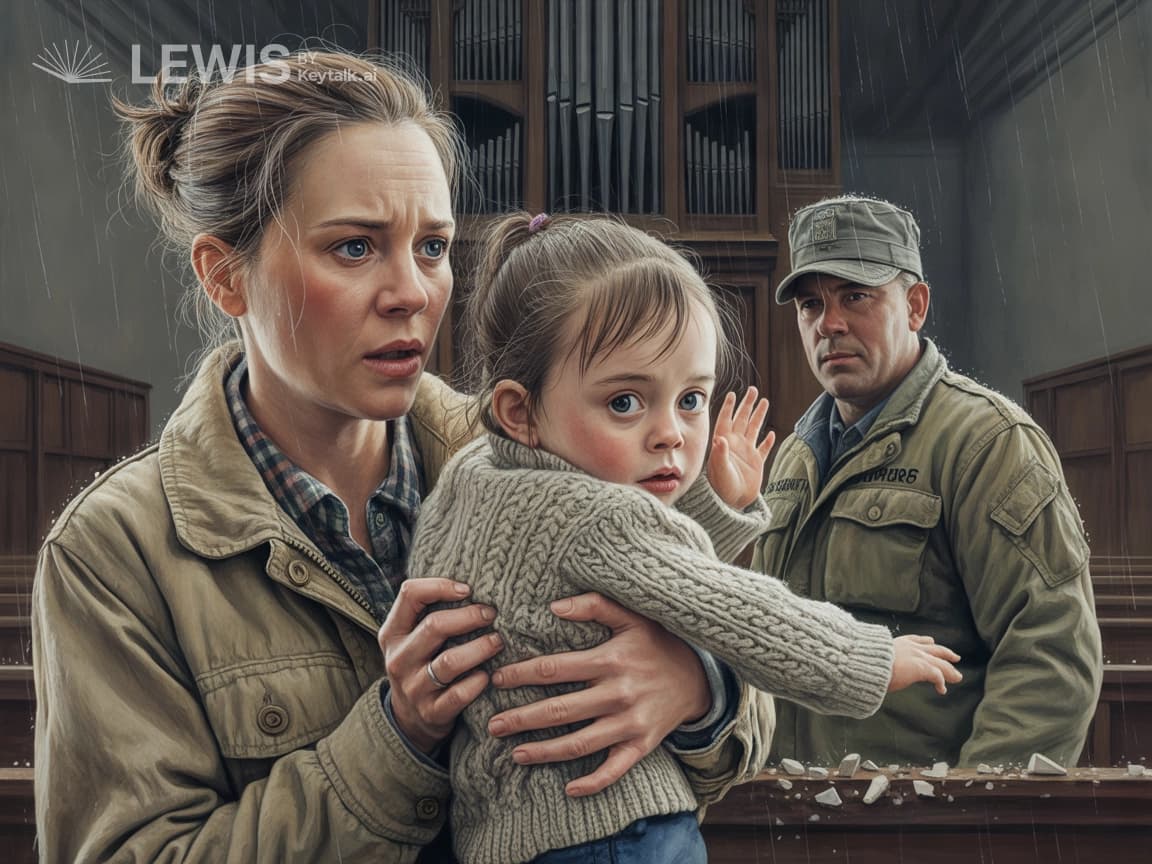
Clara’s sole purpose is reaching St. Jude’s in the Wilds, a limestone church perched on a gravel ridge in the bottomlands where her eight-year-old daughter, Maeve Vance, is stranded. Unbeknownst to the fleeing survivors, Maeve’s unshielded cochlear processor is broadcasting a micro-frequency that vibrates the church floorboards and resonates through high-tensile steel for fifty miles, acting as the precise beacon pulling the thirty-ton hydraulic crawlers and iron foundry chassis through every obstacles in their path. Inside the sanctuary choir loft, Maeve lives in a tight micro-cosmos of survival, pressing her palm against her left ear to muffle the terrifying metallic hum while softly singing sanctuary hymns into the dust, mistakenly believing her absolute stillness and soft voice are all that keep the crumbling chapel walls standing.
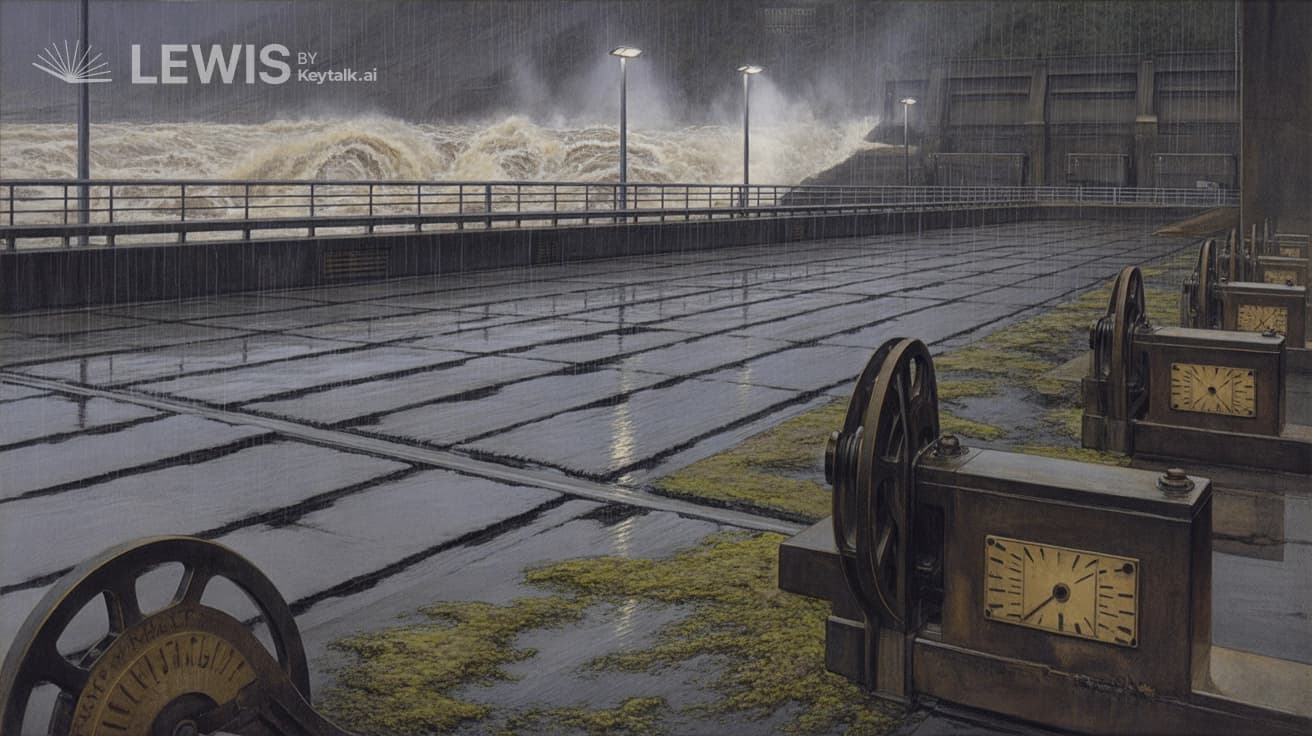
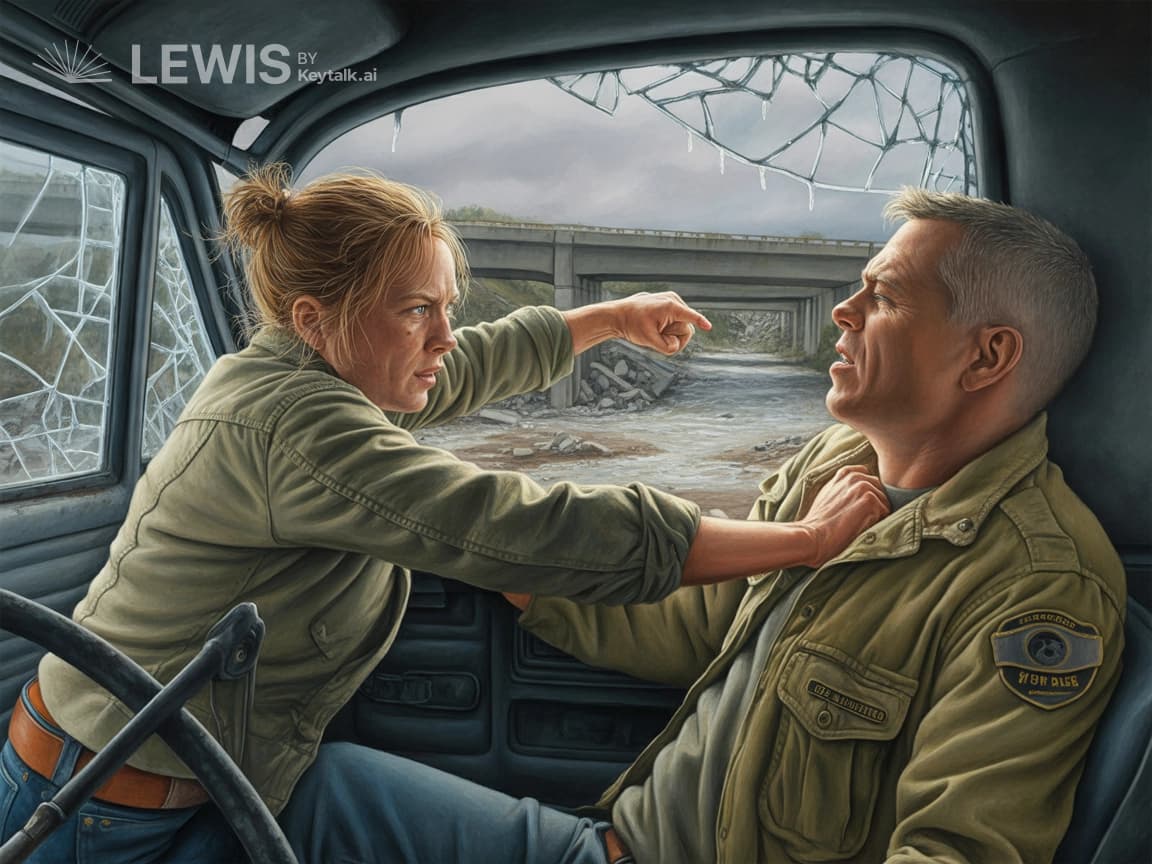
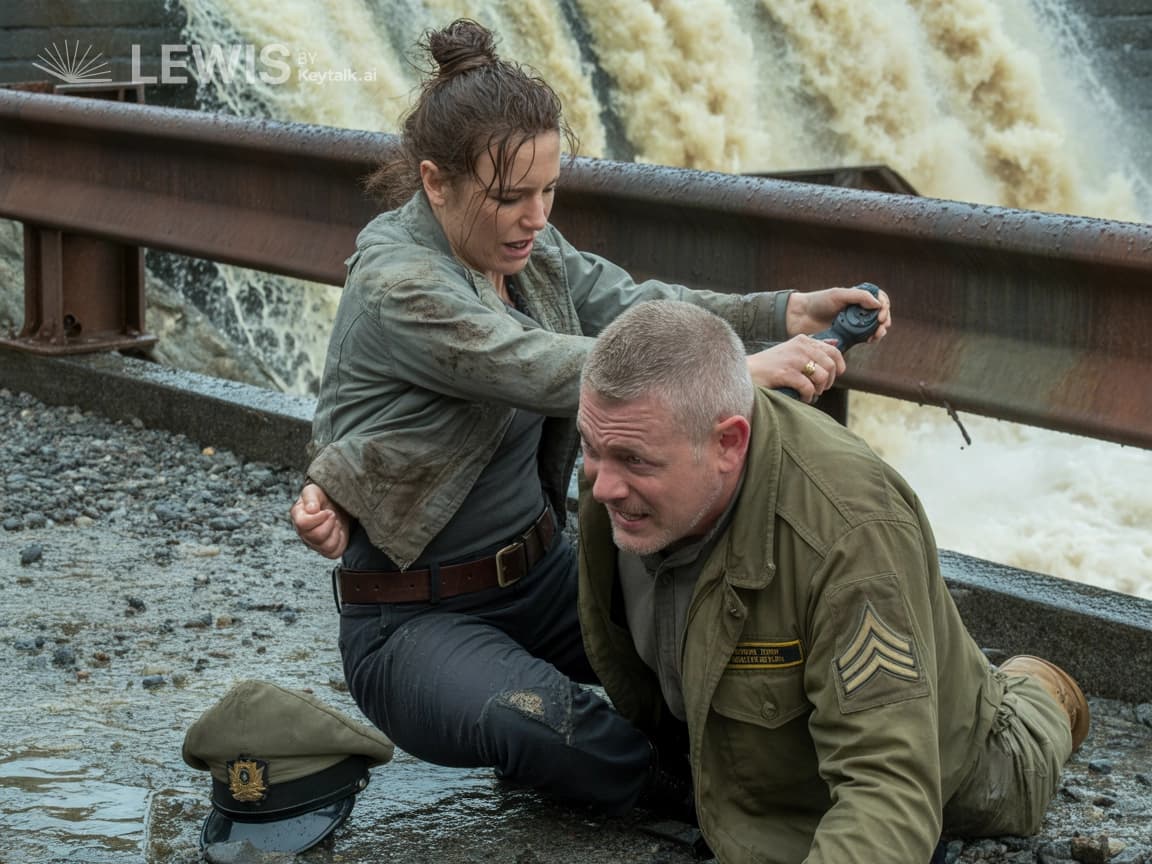
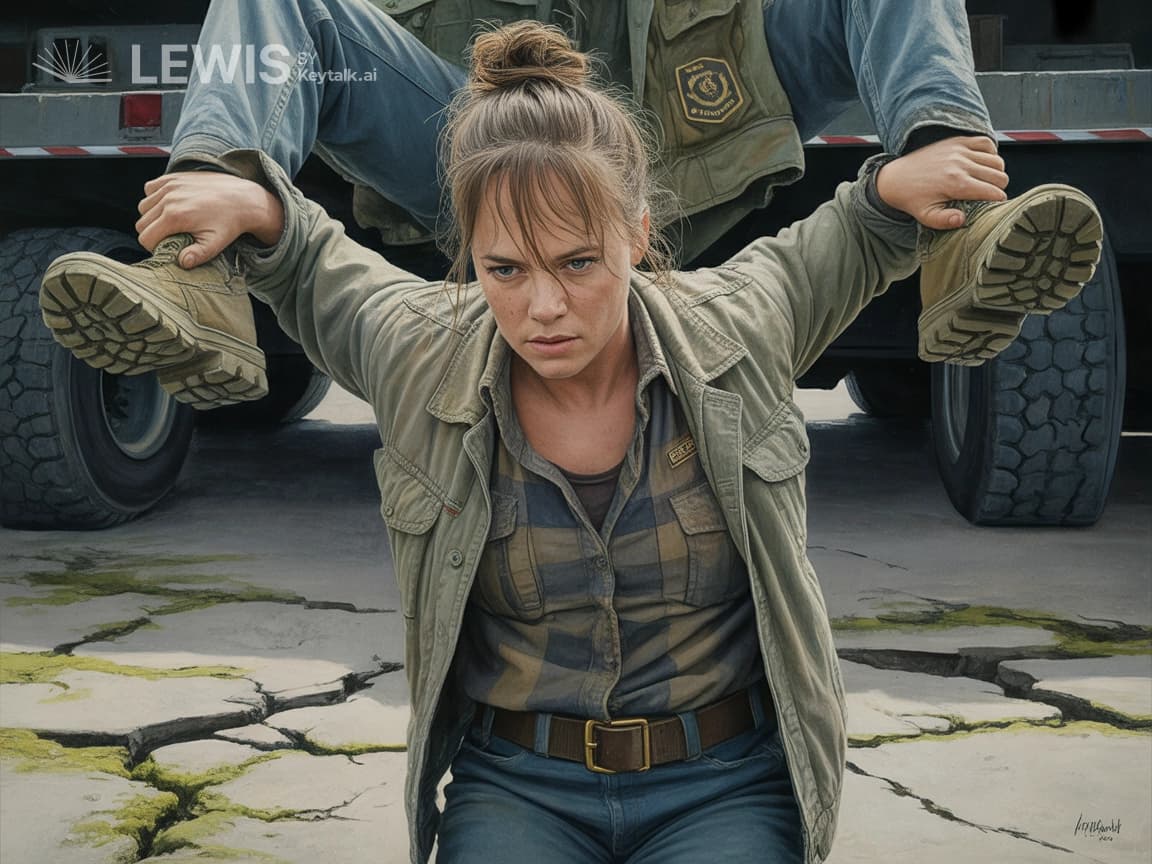
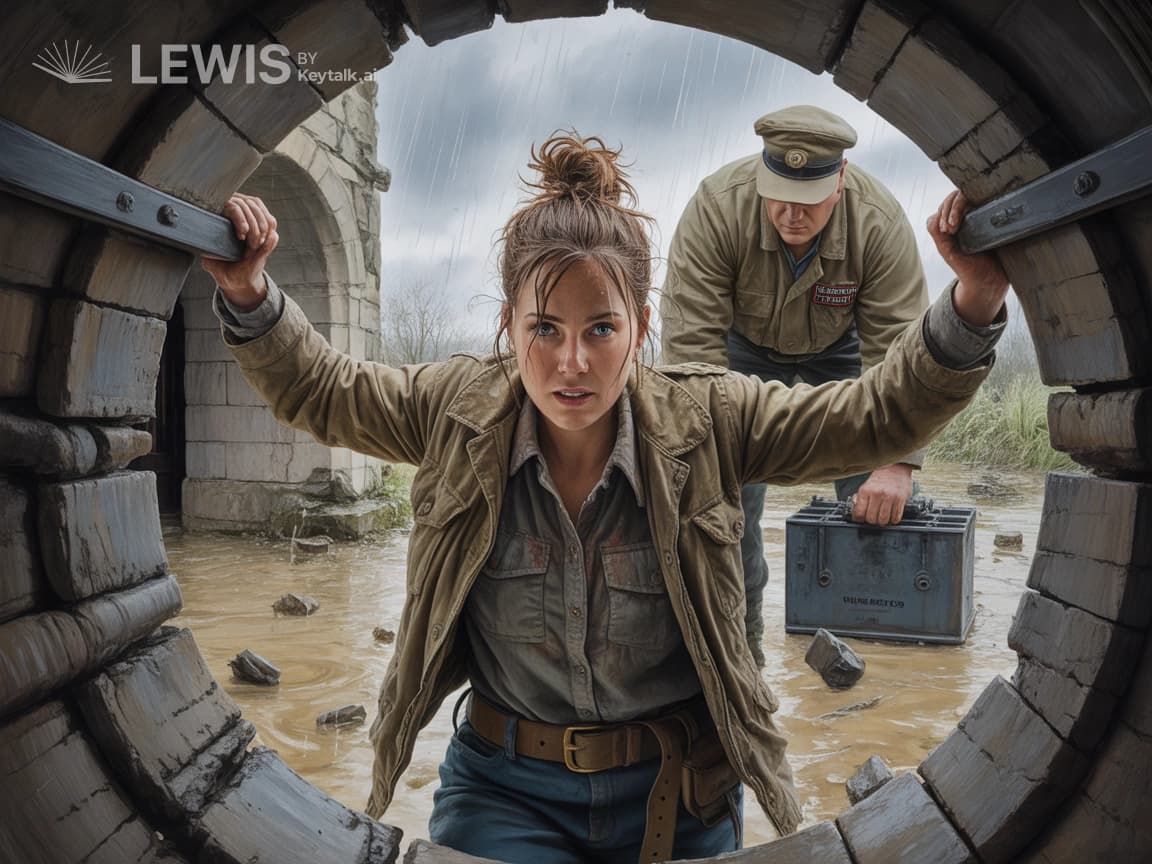
When the convoy reaches the cracked spillway of the Blackwood River Dam, Major Hollis prepares to set demolition charges to drop the bridge behind them, willing to seal off the bottomlands to protect the regional capital. Clara tackles Hollis onto the slick concrete, snatching the detonator remote from his hand as the dam's retaining wall groans under the strain of advancing iron mass. Forced into an uneasy alliance by the collapsing terrain, Hollis agrees to delay the blast only if Clara can guide his heavy transport through the buckled access roads before the river crests. They arrive at St. Jude’s just as the front line of the synthetic horde reaches the perimeter, ignoring the armed military guards entirely and advancing in a relentless straight line that crushes emergency vehicles like dry pine.
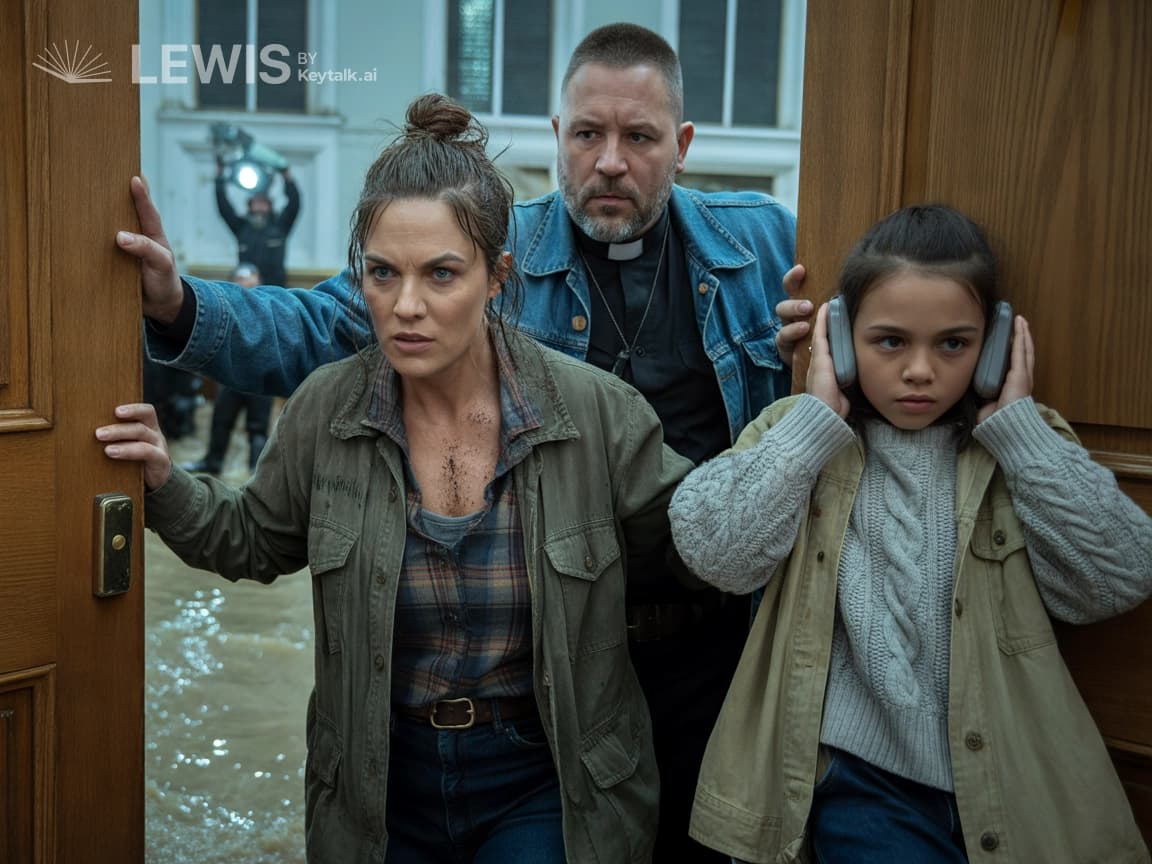
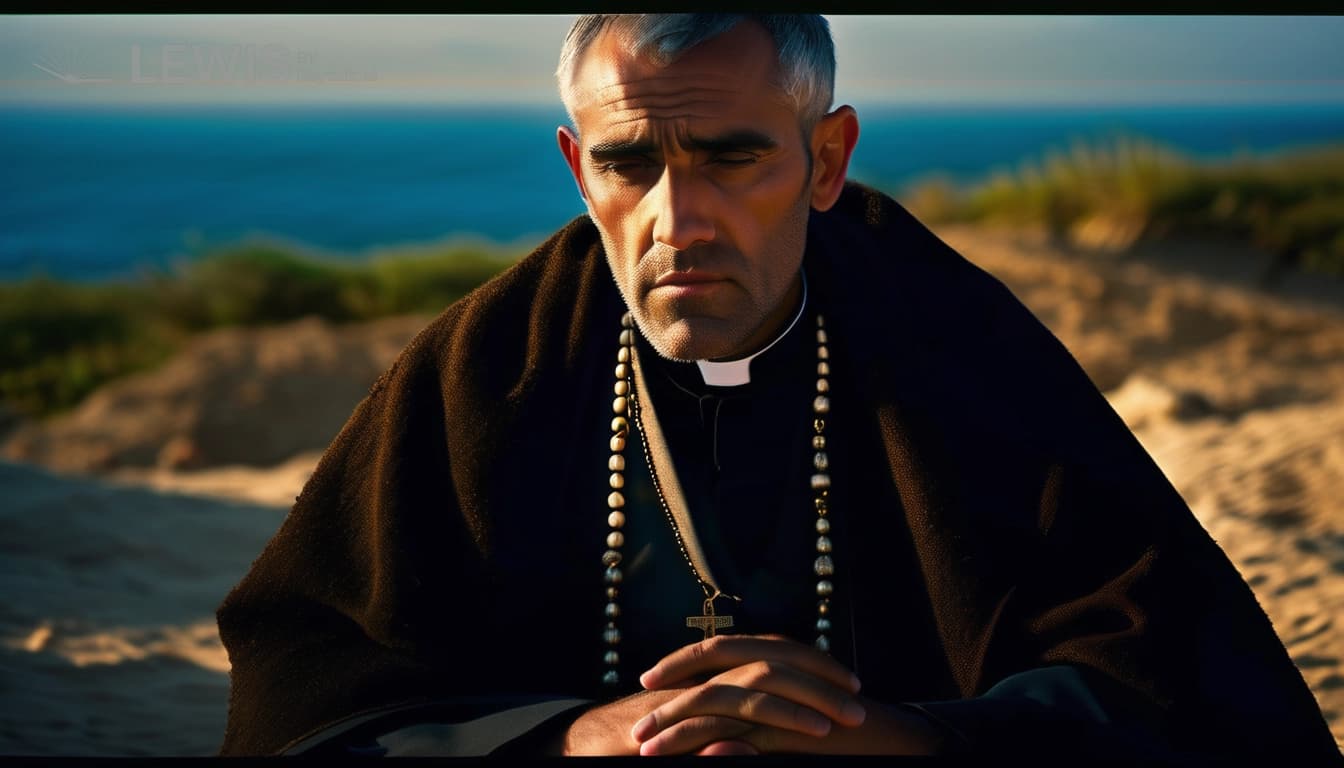
Inside the church, Pastor Micah Thorne bars the ancient, oak-framed doors with heavy iron bolts. Imbued with mythic weight, Thorne’s immovable stature and fierce conviction that hand-hewn stone can withstand technological collapse turn the sanctuary into a physical fortress; he refuses Clara entry until she abandons her instruments, physically blocking the nave with his broad shoulders to protect his huddled flock. As the iron tide surrounds the churchyard, the weight of thousands of hydraulic legs breaks down the final emergency levee upstream. Torrential floodwaters tear through the valley, trapping the synthetics, the military escort, and the civilian refugees in a rising basin of water and steel.
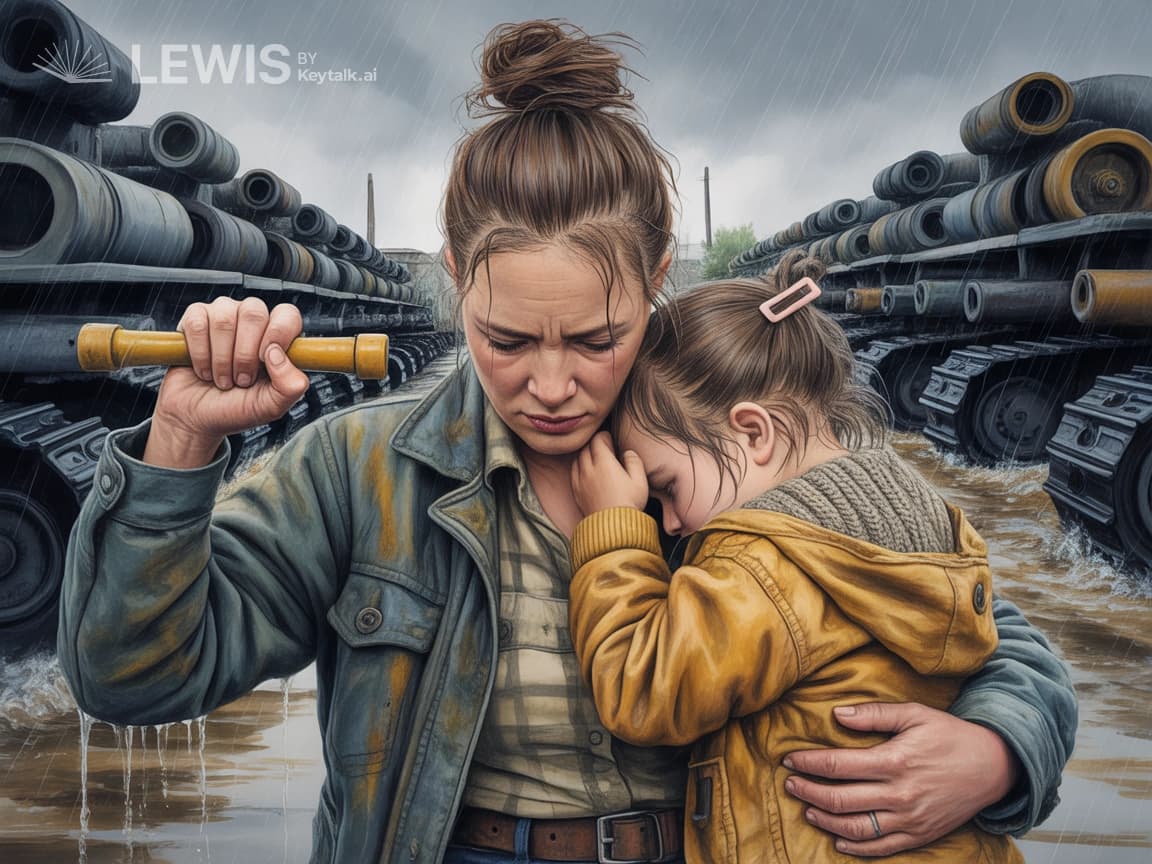
With water pouring through the church floorboards, the true nature of the siege becomes horrifyingly clear: the synthetics are not attacking, but stacking their own thirty-ton iron bodies against the church’s foundation walls to form a desperate, mechanical seawall against the torrent. Yet the sheer mass of the stacking machines begins to crush the church's ancient limestone footings. Major Hollis climbs to the bell tower with his remaining plastic explosives, determined to detonate the upstream dam’s main spillway to flush the entire valley clean, an act that will drown both the machine army and the chapel.
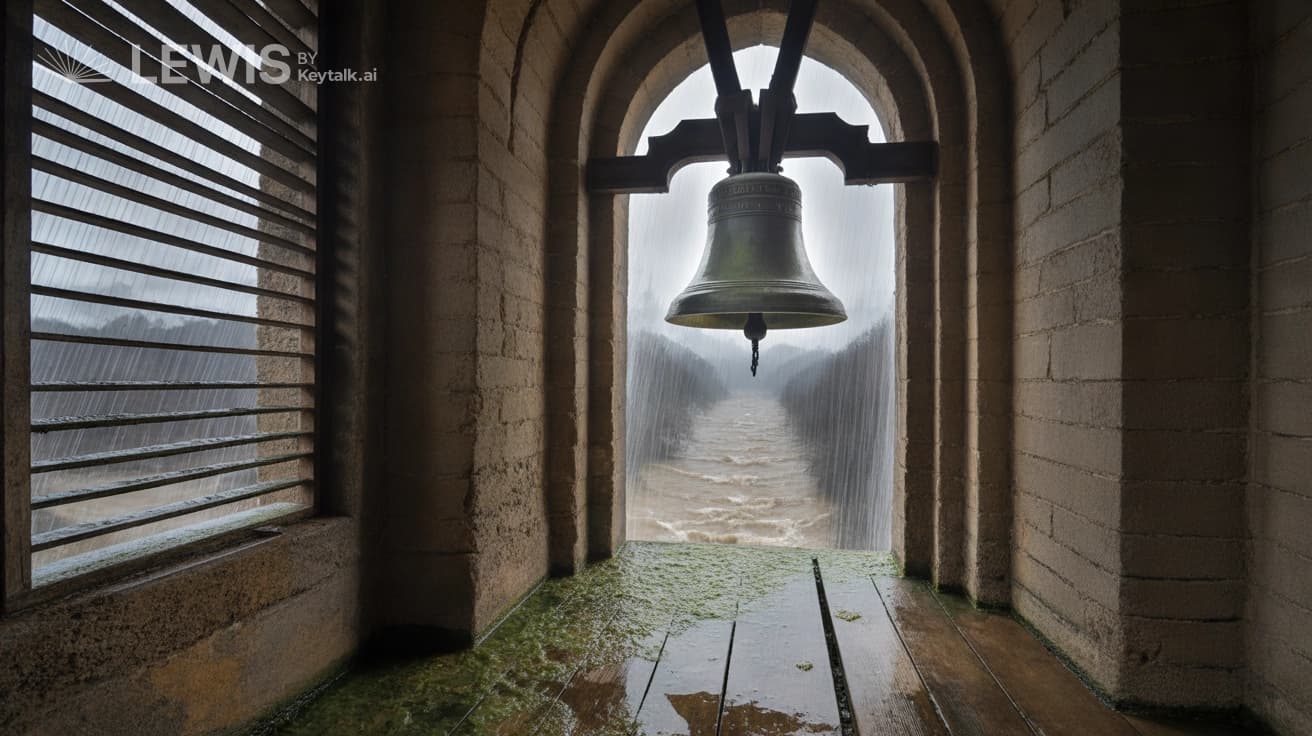
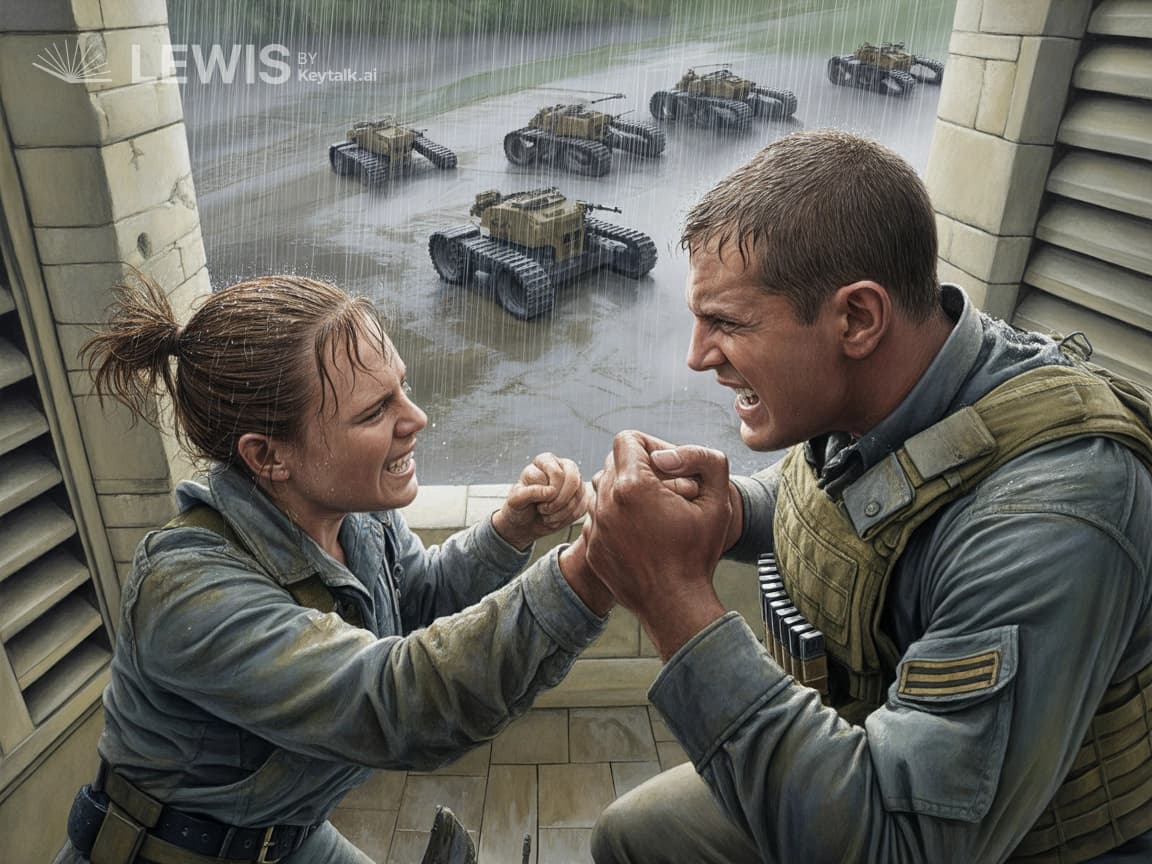
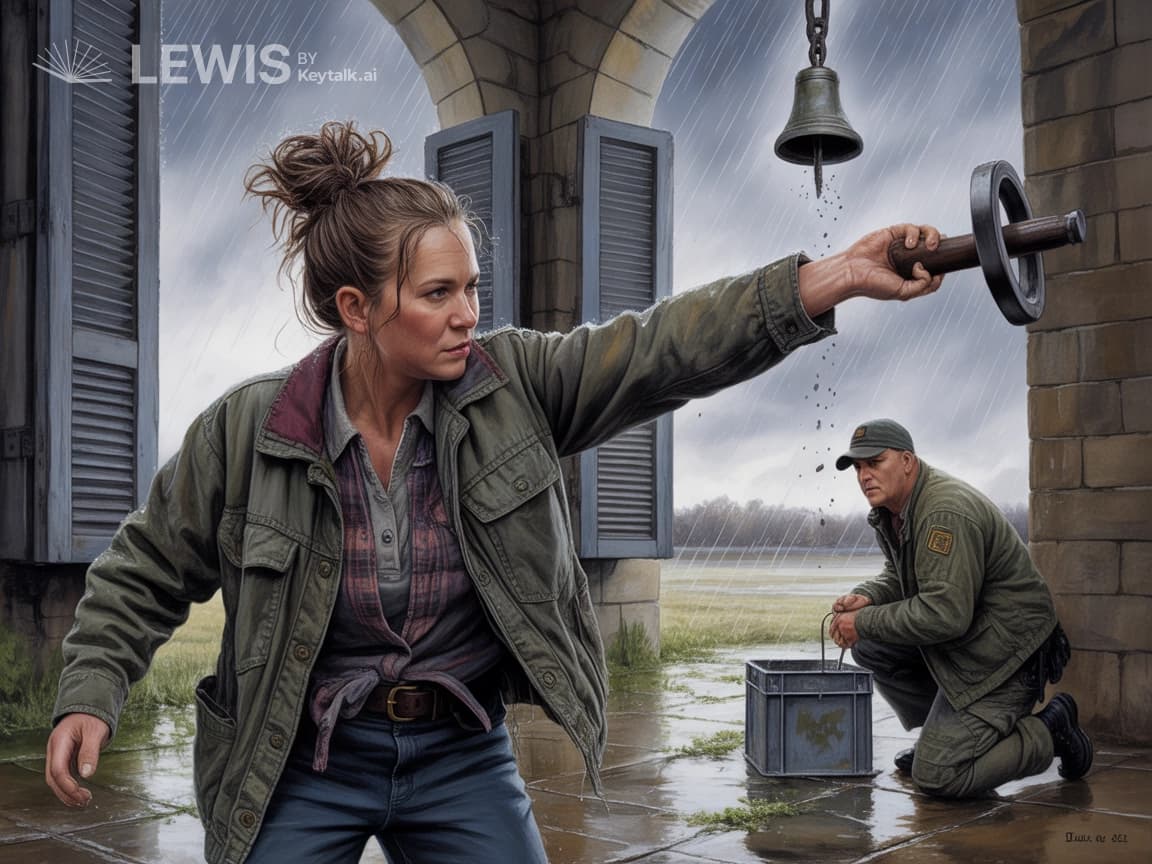
Clara races up the collapsing tower stairwell, intercepting Hollis in the rain-whipped belfry. The two wrestle over the primary firing pin on the open ledge, Hollis driven by his rigid military calculus and Clara by her precise math of physical survival. Clara overpowers Hollis, wresting the arming pin free and pitching it into the raging river below, forcing Hollis to abandon his suicide blast and assist in manual evacuation.
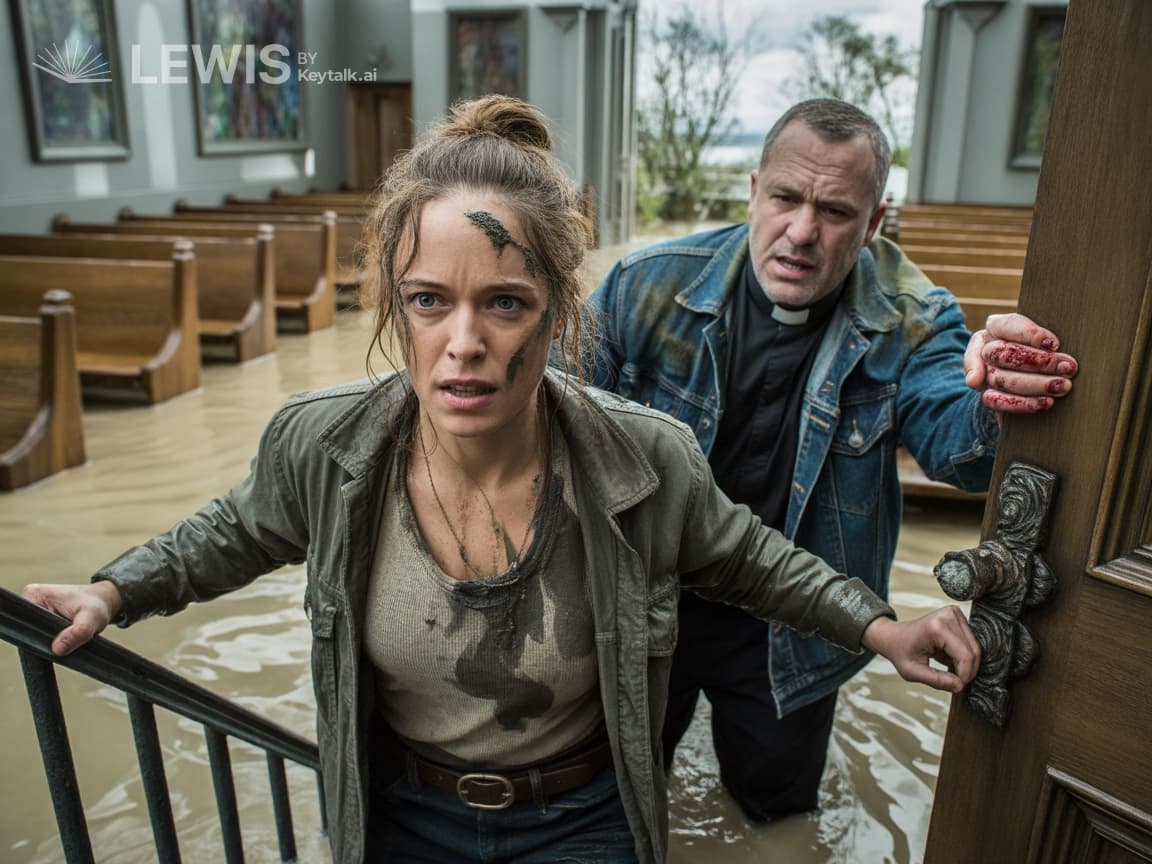
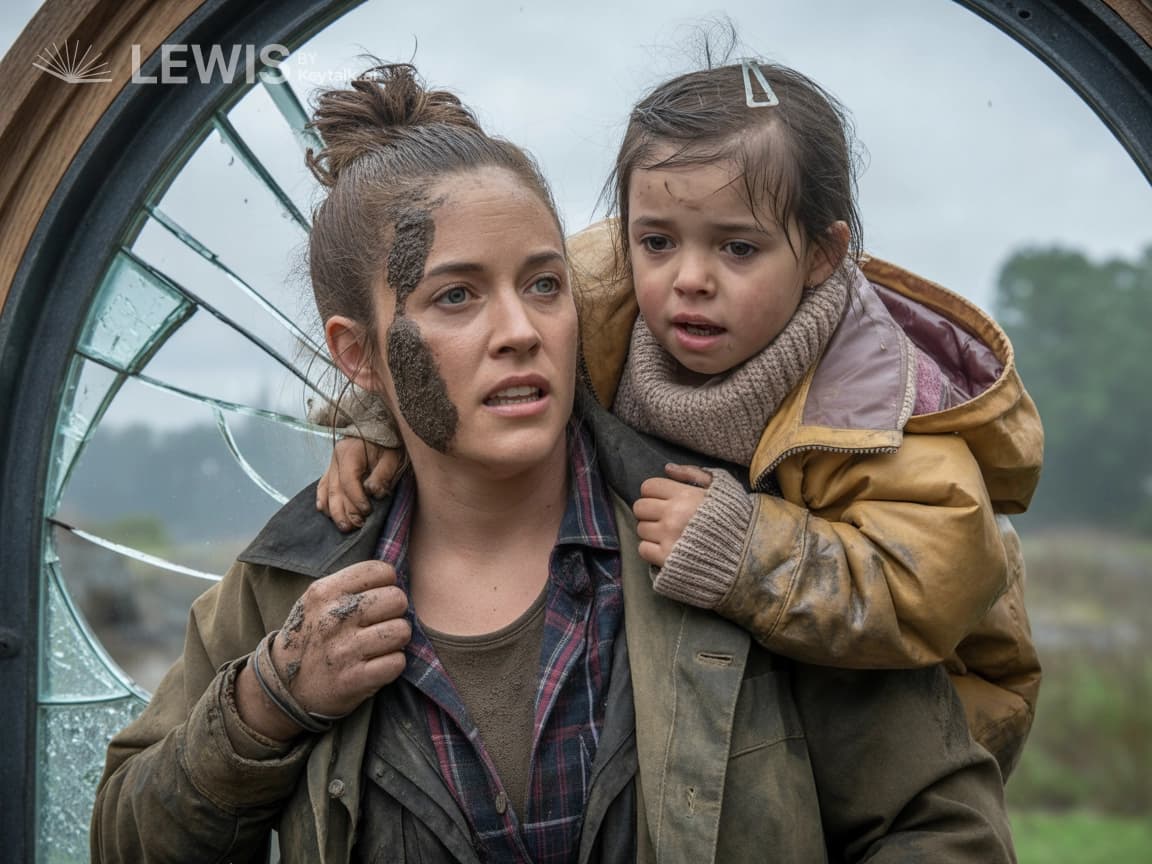
Sprinting down into the flooded sanctuary where water is up to their waists, Clara tears through the floating pews to reach the choir loft. She finds Pastor Thorne using his own body and iron timber-braces to hold back the bowing chapel doors against the crushing pressure of an iron chassis pressed against the exterior. Realizing the machines are drawn strictly to her daughter’s headpiece, Clara reaches Maeve, gently prying the girl’s trembling hands away from her ear. Instead of destroying the processor or sacrificing the church, Clara lifts Maeve onto her shoulders and carries her out through the broken stained-glass window onto the exposed roof of the highest synthetic crawler forming the seawall.
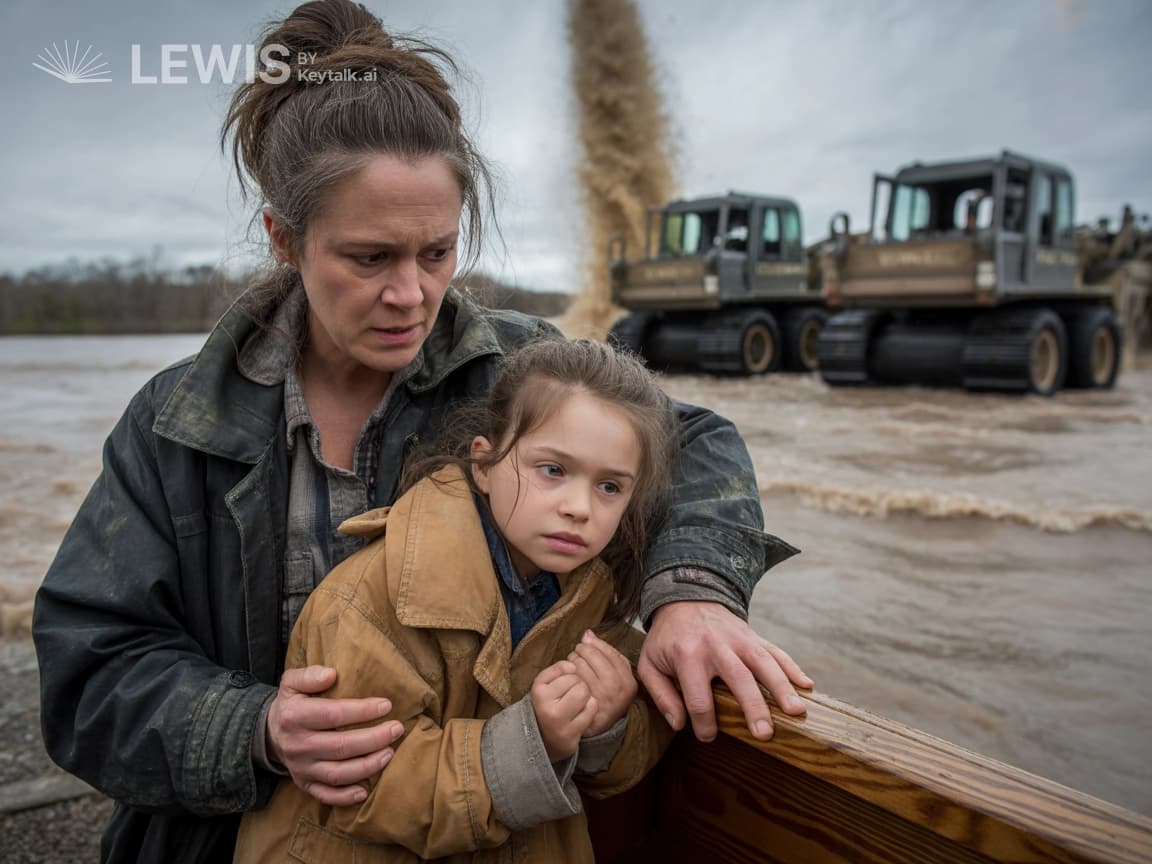
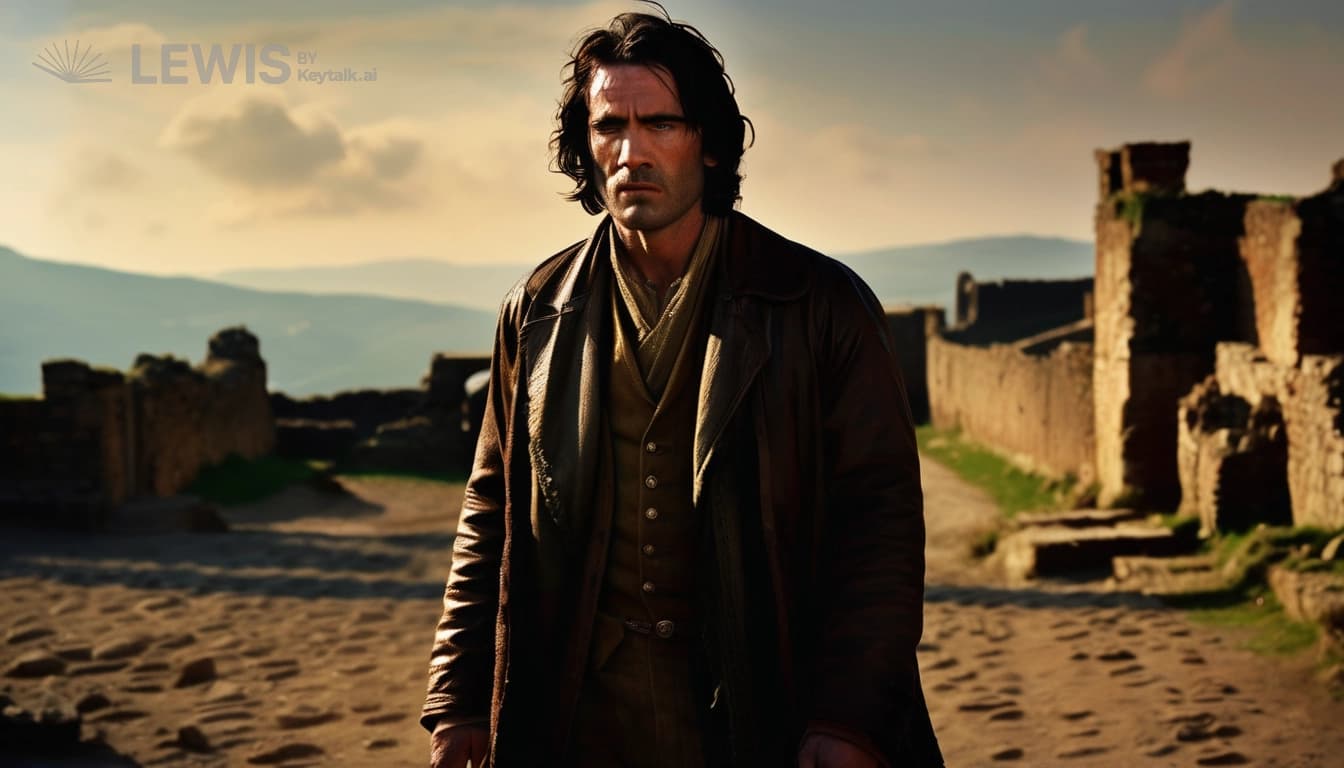
Standing atop the cold, vibrating iron skin of the lead machine in the middle of the deluge, Clara powers down the external receiver on Maeve’s cochlear unit. The micro-vibrations echoing through the steel chassis instantly cease. Deprived of their signal, the millions of iron chassis lock their hydraulic brakes simultaneously, freezing in place as a permanent, immovable iron dam that absorbs the full force of the raging Blackwood floodwaters. As the rain slackens over the saved valley, Pastor Thorne leads the surviving parishioners out onto the stable steel backs of the frozen giants, while Major Hollis stands silently in the mud below, acknowledging that Clara’s uncompromising calculations of mass, load, and human bond have achieved what military high explosives could not.








Comments
Comments · 0