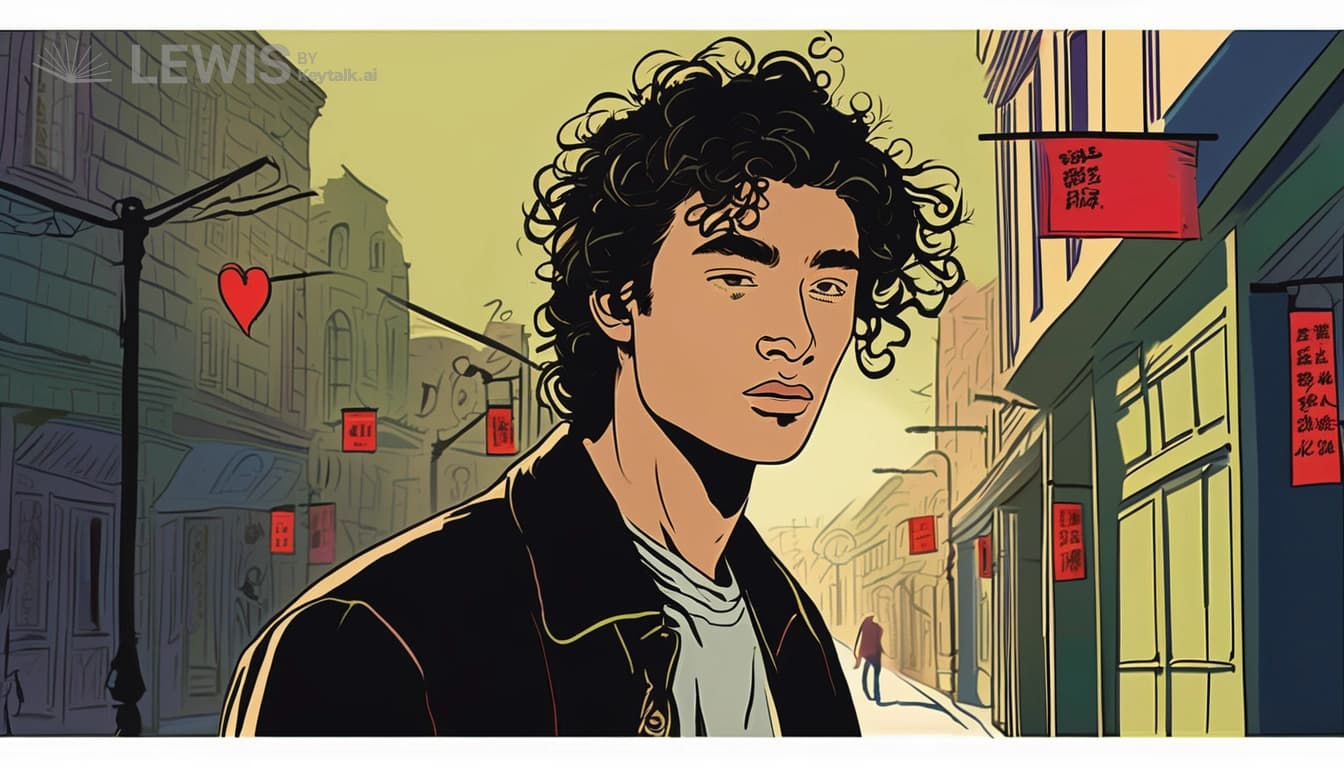
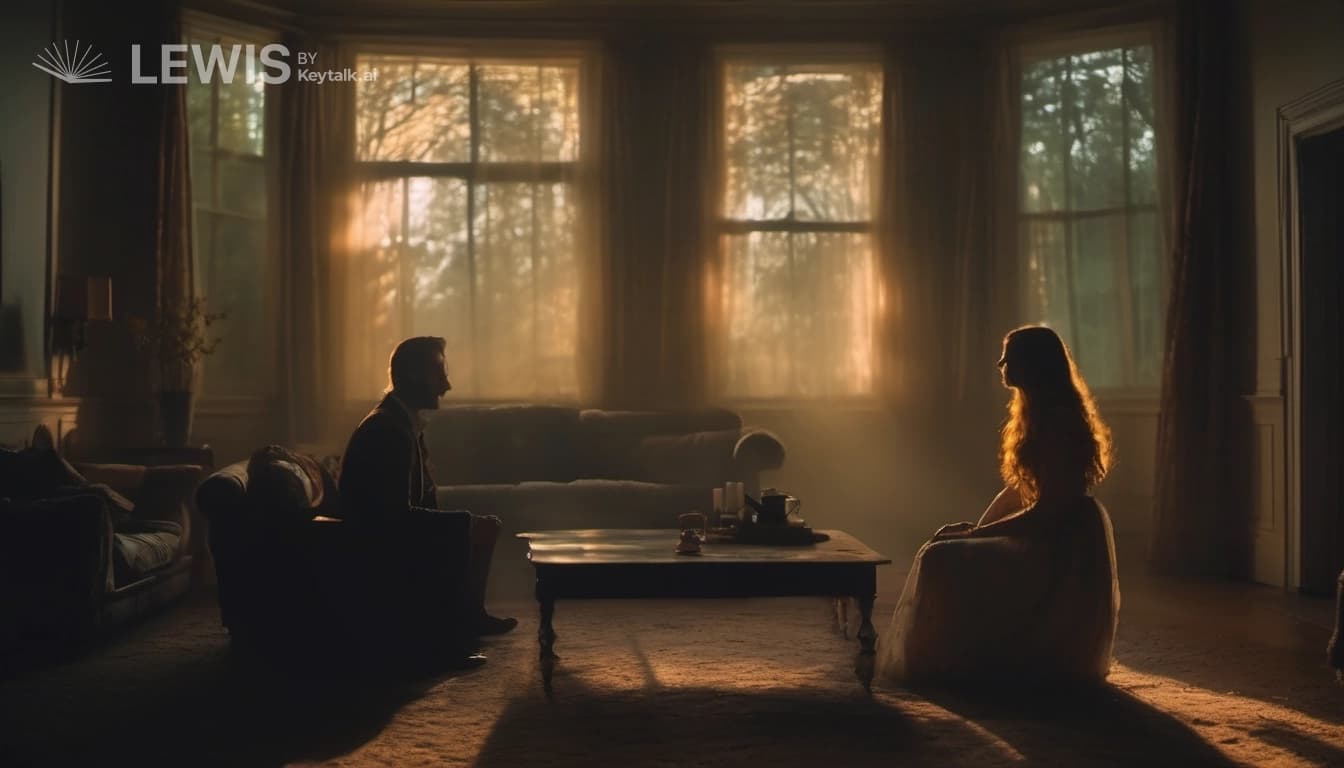
Bridging Traditions cover image

Bridging Traditions

Amidst the bustling chaos of a multicultural urban neighborhood, a widowed grandmother struggles to bridge the widening gap between her traditional values and the progressive lives of her estranged grandchildren, as a looming gentrification project threatens to displace them all.

Weekly ranking

rank icon image
#2 inConcept
rank icon image
#3 inGenre
Scroll

Plot Synopsis

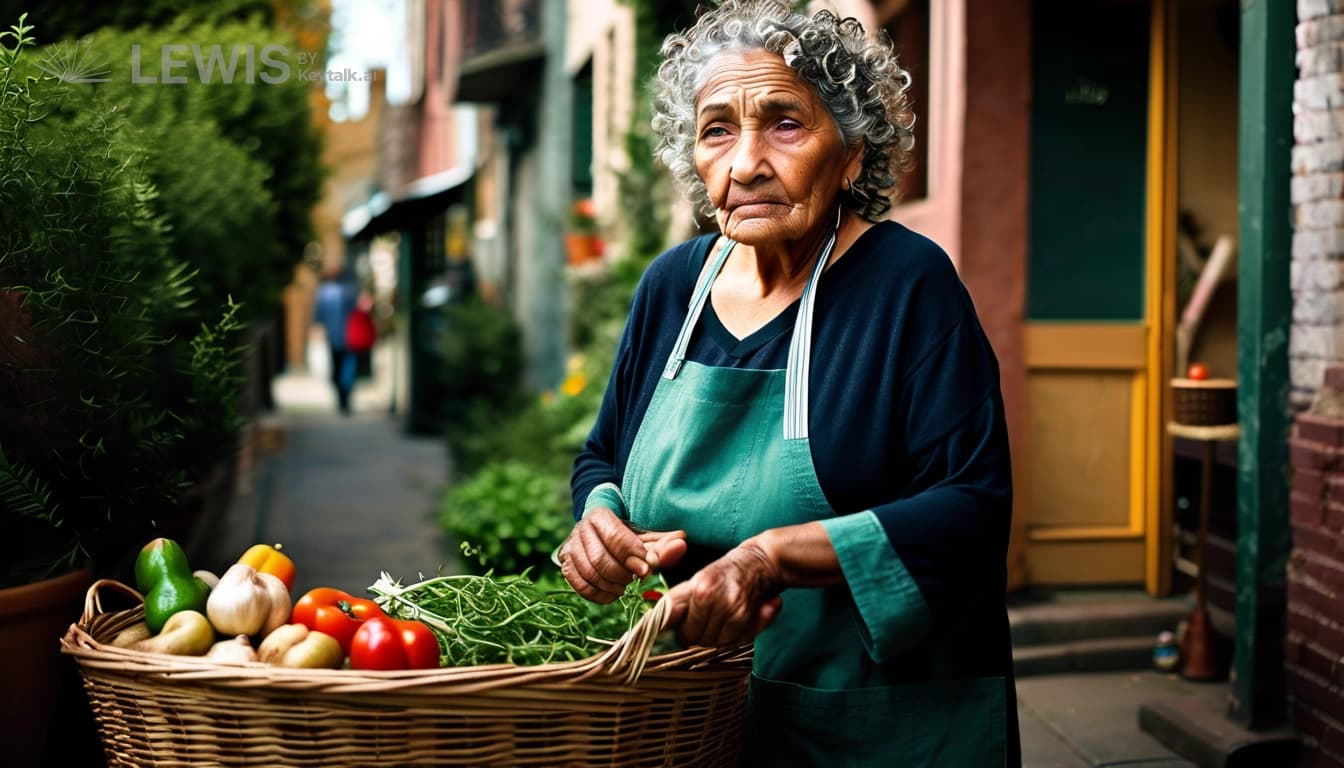
In the heart of a multicultural urban neighborhood, Graziella Rossi, a 68-year-old retired chef, finds herself at a crossroads. Widowed for over a decade, she clings to her Italian heritage, her days filled with the comforting rituals of cooking and gardening. However, the world around her is changing rapidly, and the once vibrant community is now threatened by a looming gentrification project. This external threat mirrors the internal struggle Graziella faces, as she grapples with the growing distance between her traditional values and the progressive lives of her estranged grandchildren.

Graziella’s modest apartment is a sanctuary of memories and traditions, filled with the scent of garlic and basil. Her heart is heavy with melancholy, but she finds solace in her small garden, nurturing her plants with the same care she once lavished on her family. Her grandchildren, now living lives she barely understands, seem like strangers. Despite her love for them, her rigidity and adherence to tradition have created a rift. Graziella’s journey begins with her determination to reconnect with them, hoping to bridge the gap that has widened over the years.

Amidst her personal struggles, Graziella finds support in her long-time friend Santiago Delgado, a 72-year-old retired social worker. Santiago, too, is a man of deep roots and unwavering values, though he possesses a gentle humor that often lightens the weight of their shared burdens. He spends his days volunteering at the local community center, where his empathy and wisdom are invaluable. Santiago’s own sense of helplessness in the face of gentrification mirrors Graziella’s plight, and together they form a steadfast alliance, committed to preserving the cultural tapestry of their neighborhood.

Eleni Papadopoulos, a retired teacher and another close friend, adds a layer of warmth and resilience to their small circle. Her patience and empathy, honed over decades of nurturing young minds, are invaluable as she navigates her own internal conflicts. A proud Greek immigrant, Eleni holds onto her cultural traditions with the same fervor as Graziella. However, she too struggles to understand the fast-paced, modern lives of her nieces and nephews. Her dream of seeing her family united and happy is often overshadowed by a sense of helplessness, much like Graziella’s.

As the gentrification project looms closer, the neighborhood rallies together in a desperate bid to save their homes. Graziella, Santiago, and Eleni become leading voices in this fight, their shared history and deep bonds fueling their determination. Graziella's culinary talents bring the community together, her cooking serving as a bridge between past and present, tradition and progress. Through community events and heartfelt conversations, Graziella begins to understand her grandchildren’s perspectives, realizing that their progressive lifestyles do not diminish their love for their heritage.

The climax of the story sees the community's fate hanging in the balance. Graziella’s efforts to reconnect with her family culminate in a poignant reunion, where past grievances are aired and new understandings are forged. Santiago’s unwavering belief in the power of community and Eleni’s quiet strength bolster Graziella’s resolve. Together, they face the developers, armed not just with petitions and protests, but with the intangible yet powerful sense of unity and heritage that defines their neighborhood.

In the end, the gentrification project is halted, a testament to the power of community and resilience. Graziella’s relationship with her grandchildren is rekindled, built on a newfound understanding and respect for each other’s values and lifestyles. Santiago and Eleni, too, find peace in the preservation of their beloved neighborhood, their friendships deepened by the trials they have faced together. Graziella’s journey of growth and reconciliation is complete, her aspiration to reconnect with her family and preserve her community’s cultural tapestry realized. The story closes with a sense of hope and continuity, as the neighborhood thrives, a vibrant mosaic of past and present, tradition and progress.

Story Details

Keytalk Prompts Used
See all Keytalks
Model Used
GPT-4o
text
Stable Diffusion
image

Character

Protagonist Character

Graziella Rossi

GenderFemale
OccupationRetired Chef

Profile

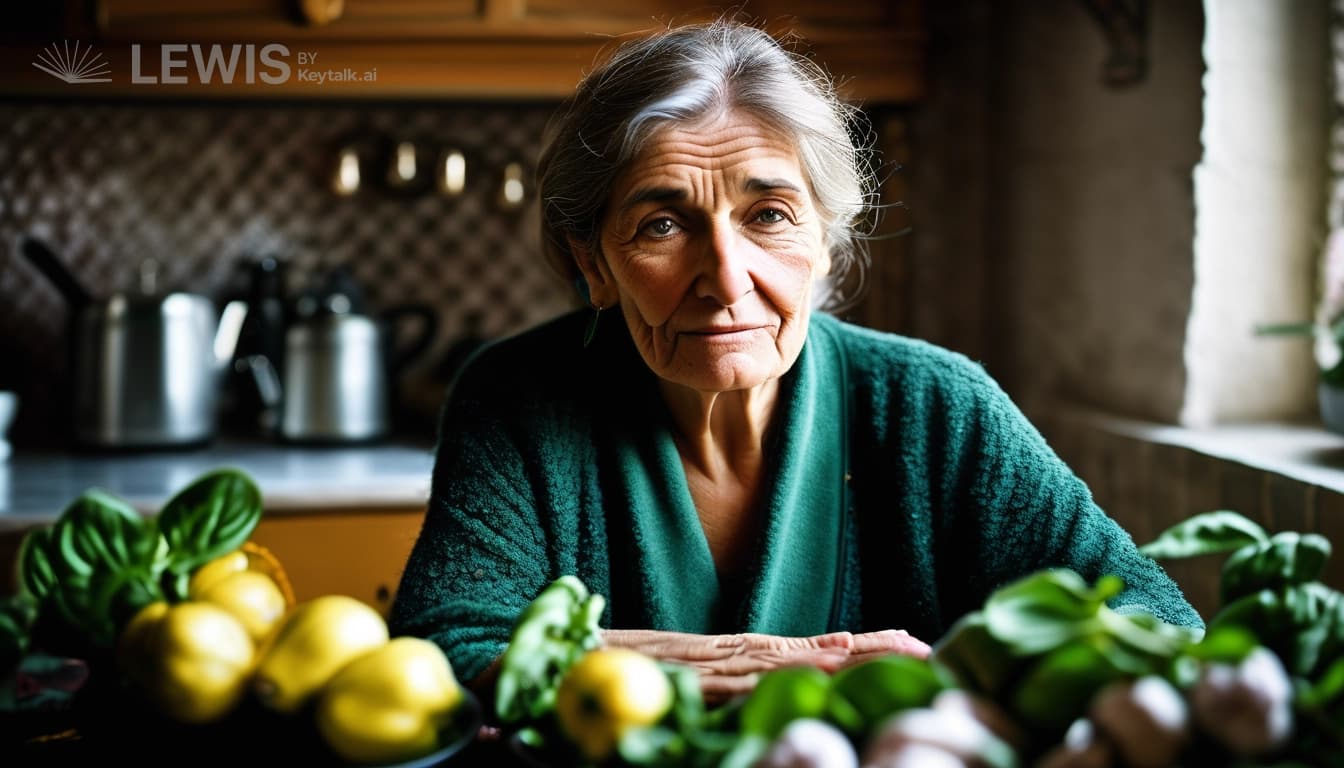
Graziella Rossi, a 68-year-old retired chef, is a woman of contrasts. Her hands, weathered from years of kneading dough and chopping fresh ingredients, are as sturdy as her traditional values. Widowed for over a decade, she clings to the comforting rituals of her Italian heritage, finding solace in the familiar scents of garlic and basil that fill her modest kitchen. Graziella is fiercely proud yet quietly melancholic, her eyes often reflecting the vibrant history of the multicultural urban neighborhood she has called home for so long. Though she possesses a generous heart and an unwavering sense of duty, her rigidity can sometimes alienate her estranged grandchildren, whose progressive lifestyles she struggles to understand. Graziella’s speech, peppered with affectionate Italian endearments and occasional brusque reprimands, reveals both her warmth and her stubbornness. She spends her days tending to her small garden, finding peace in the nurturing of her plants, much like she once did with her family. Despite the looming threat of gentrification, which casts a shadow over her beloved community, Graziella remains resilient. Her aspiration is simple yet profound: to reconnect with her family and preserve the cultural tapestry of her neighborhood. Her deep love for cooking, a talent that once brought her acclaim, now serves as a bridge between her past and her present, offering a glimpse of her potential for growth and reconciliation.
Antagonist Character

Santiago Delgado

GenderMale
OccupationRetired Social Worker

Profile

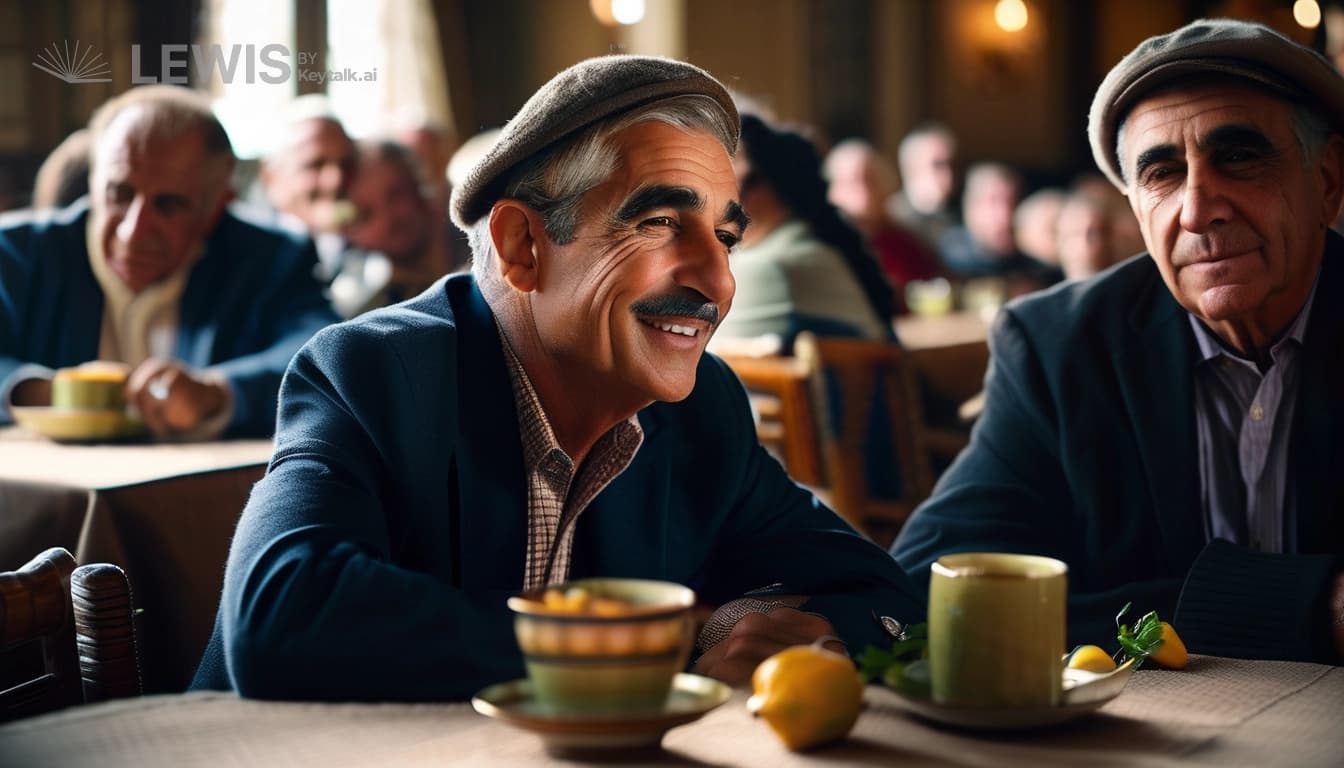
Santiago Delgado, a 72-year-old retired social worker, is a man marked by a life dedicated to helping others. His deep-set eyes reflect years of listening to the struggles of the underserved, and his gentle demeanor carries a wisdom born from experience. Though retired, Santiago's heart remains restless; he spends his days volunteering at the local community center, where his empathetic nature and knack for conflict resolution are invaluable. His speech, a mix of formal and informal with a touch of his Spanish heritage, is peppered with endearing idioms that reflect his cultural roots. Santiago is a widower, living alone in a modest apartment filled with mementos of a life well-lived and well-loved. He maintains a close relationship with Graziella Rossi, a fellow retiree, with whom he shares a deep bond over their shared history in the neighborhood. Despite his outward calm, Santiago wrestles with a sense of helplessness as gentrification threatens the community he holds dear. His unwavering belief in the power of community and his intrinsic desire to protect the vulnerable make him a steadfast supporting character, poised to be a beacon of hope and resilience amidst the unfolding family drama. Santiago’s internal struggle with the changing dynamics around him hints at a potential for growth, as he seeks to balance his traditional values with the evolving world. His gentle humor, passion for gardening, and occasional bouts of stubbornness add layers to his character, making him both relatable and memorable.
Sidekick Character

Eleni Papadopoulos

GenderFemale
OccupationRetired Teacher

Profile

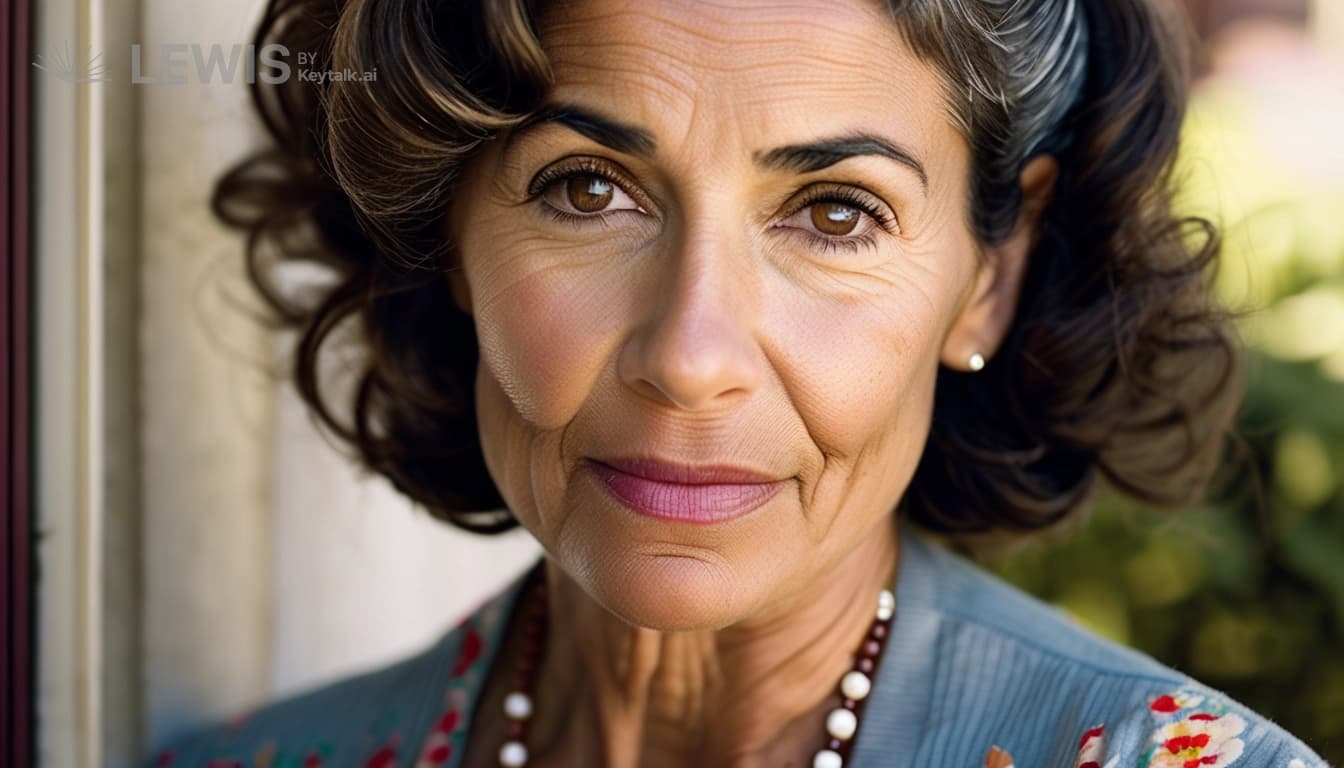
Eleni Papadopoulos, a retired teacher of 65, embodies a blend of wisdom and warmth, with a spirit resilient from decades spent nurturing young minds. Her patience and empathy are her greatest strengths, often allowing her to connect deeply with others, though her propensity to hold onto grudges can sometimes cloud her judgment. Having emigrated from Greece in her youth, Eleni carries with her a rich tapestry of cultural traditions, which she weaves into her daily life with pride. Now living alone in a modest apartment, she finds solace in tending to her small balcony garden, where herbs and flowers thrive under her meticulous care. Eleni’s relationship with her family is bittersweet; she yearns for the close-knit bonds of her past, yet struggles to understand the fast-paced, modern lives of her nieces and nephews. Her speech is a charming mix of formal English, peppered with Greek idioms and affectionate terms of endearment. Despite her serene exterior, Eleni battles an internal conflict between her adherence to tradition and the need to adapt to the changing world around her. She dreams of seeing her family united and happy but is often haunted by a sense of helplessness in the face of their estrangement. Eleni’s journey is one of quiet strength and persistent hope, making her a poignant supporting character whose presence brings depth and emotional resonance to the unfolding family drama.

World

1. Where/When :
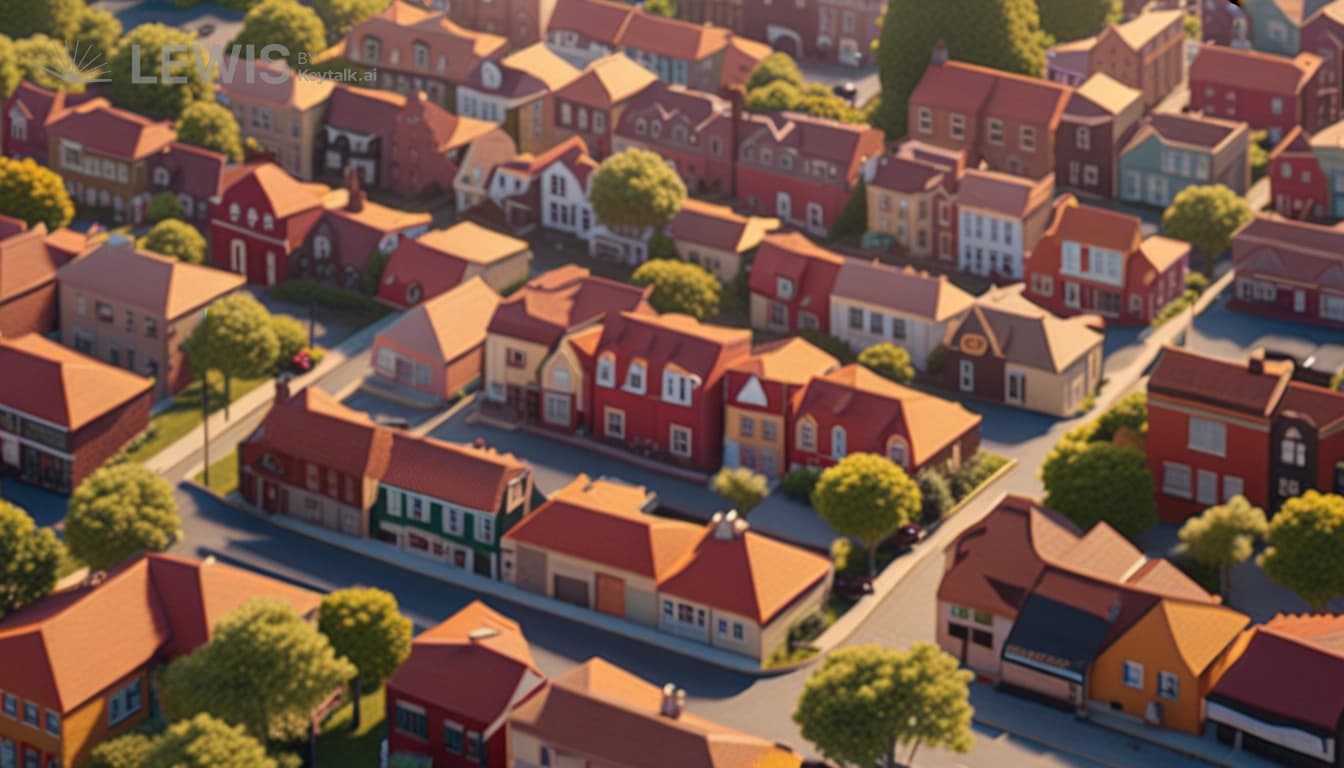
The setting is a vibrant and multicultural urban neighborhood located in a sprawling metropolitan city. The time is contemporary, set in the early 2020s. This neighborhood, rich with history and cultural diversity, is a melting pot of various ethnic backgrounds, contributing to its unique character and charm. The bustling streets are lined with small, family-owned businesses, cozy cafes, and colorful markets. However, the shadow of imminent gentrification looms large, threatening to erase the very essence of this close-knit community.

2. Important rules of the universe and how it impact the story :
The universe operates under the unyielding progression of urban development and modernization, which often clashes with the preservation of cultural heritage and communal bonds. The gentrification process, driven by economic interests, is a powerful force that seeks to transform the neighborhood into a more profitable, albeit homogenized, area. This external pressure creates a sense of urgency and desperation among the residents, who must fight to maintain their homes and way of life. The characters are deeply affected by the societal expectation to adapt to modern values and lifestyles, which strains their relationships and challenges their identities. The story’s conflicts are rooted in the tension between tradition and progress, highlighting the characters' struggle to reconcile the two.

3. The visual description of the universe :
The neighborhood is a tapestry of vibrant colors and eclectic architecture. Narrow cobblestone streets weave through a landscape of historic brownstones, modest apartment buildings, and charming townhouses. Graziella Rossi’s apartment, with its weathered façade and wrought-iron balcony, stands as a testament to the old-world charm that pervades the area. Her modest kitchen, filled with the warm, inviting scents of Italian cooking, is a sanctuary of tradition. Santiago’s apartment, adorned with mementos of his life and career, exudes a sense of history and personal warmth. Eleni’s balcony garden, a riot of herbs and flowers, adds a touch of Mediterranean beauty to the urban setting. The local community center, where residents gather to socialize and support one another, serves as a hub of activity and solidarity. As gentrification encroaches, the visual contrast between the old and the new becomes stark, with sleek, modern developments threatening to overshadow the neighborhood’s cultural richness.

4. Notable technologies or philosophies of the universe that impact the story :
The universe is marked by a dichotomy between traditional practices and modern technologies. Graziella, Santiago, and Eleni represent a generation that values face-to-face interactions, handwritten letters, and the tactile experience of cooking and gardening. In contrast, their grandchildren are immersed in a world of digital communication, social media, and fast-paced lifestyles. This technological divide exacerbates the generational gap and complicates their attempts at reconciliation. The philosophy of community and mutual support is central to the story, driving the characters to unite against the gentrification threat. Santiago’s belief in the power of community organizing and grassroots activism becomes a crucial element in their resistance. Graziella’s culinary talents, rooted in traditional methods, serve as a bridge between the past and present, symbolizing the possibility of harmony between old values and new perspectives. The story underscores the importance of preserving cultural heritage while adapting to inevitable change, advocating for a balanced approach that honors both tradition and progress.

representative image
location 1 image

Location 1

- Title : Graziella's Wrought-Iron Balcony
- Description: Overlooking the bustling streets below, Graziella's wrought-iron balcony is a verdant oasis adorned with blooming geraniums and fragrant basil. Here, she stands amidst the fading echoes of her Italian heritage, contemplating the encroaching shadows of gentrification while seeking solace in the vibrant life of her small garden. This intimate space, a poignant juxtaposition of resilience and melancholy, marks the beginning of her journey to reconnect with her estranged grandchildren and preserve the essence of her beloved neighborhood.
location 2 image

Location 2

- Title : Santiago's Community Center
- Description: The community center, a modest brick building adorned with murals of the neighborhood’s cultural heritage, pulses with life. Inside, the air is filled with spirited discussions and the scent of homemade dishes, as Santiago leads a gathering of residents strategizing against the gentrification threat. The room, a sanctuary of solidarity, vibrates with a blend of determination and nostalgia, echoing Santiago's unwavering commitment to their cause.
location 3 image

Location 3

- Title : Eleni's Mediterranean Garden
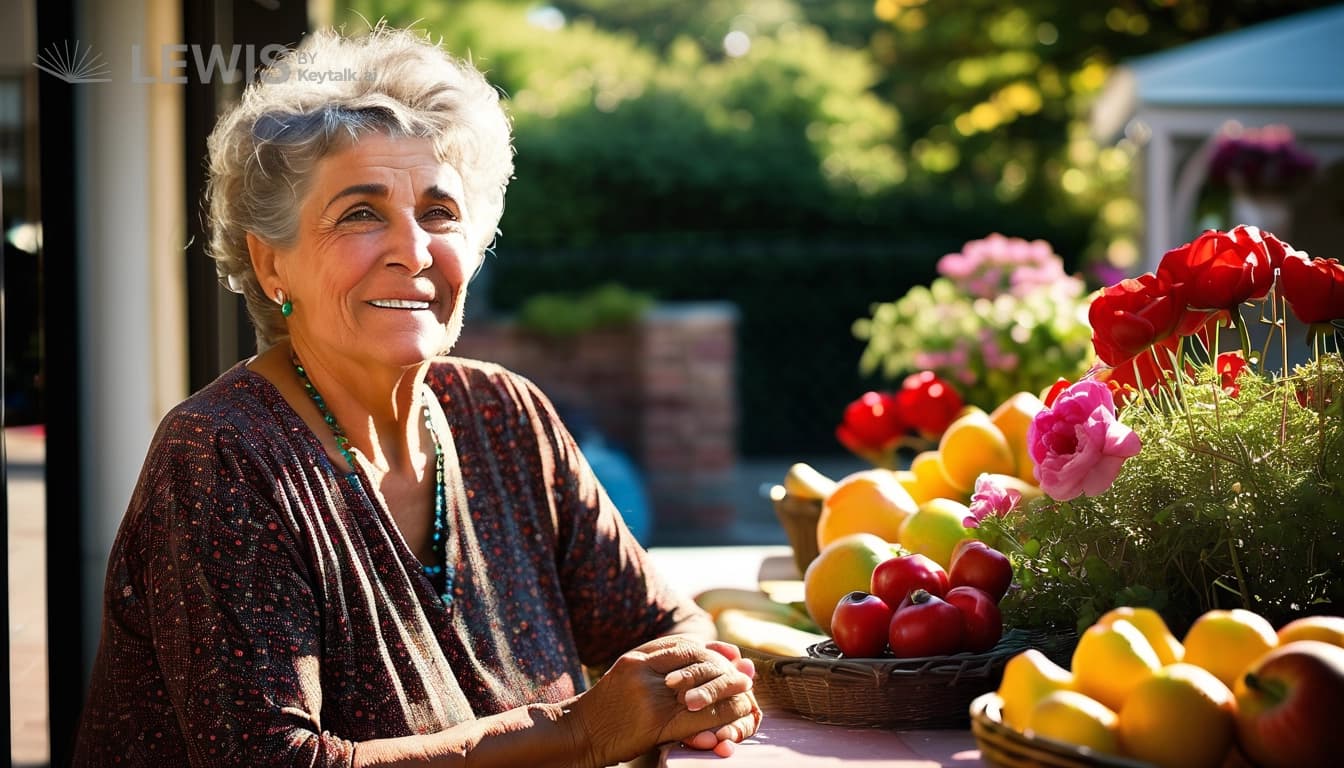
- Description: Amidst the fragrant embrace of blooming jasmine and olive trees, Eleni's Mediterranean garden becomes a sanctuary of resilience and hope. Here, under the dappled sunlight filtering through grapevines, Graziella, Santiago, and Eleni convene with their neighbors, forging plans to combat the looming gentrification. The garden, a testament to enduring traditions, witnesses heartfelt conversations and renewed bonds, the air thick with the scent of thyme and the promise of a united future.

Scenes

Scene 1
scene 1 image
- Title: The Melancholy Sanctuary
- Place: Graziella’s modest apartment
- Time: Early morning
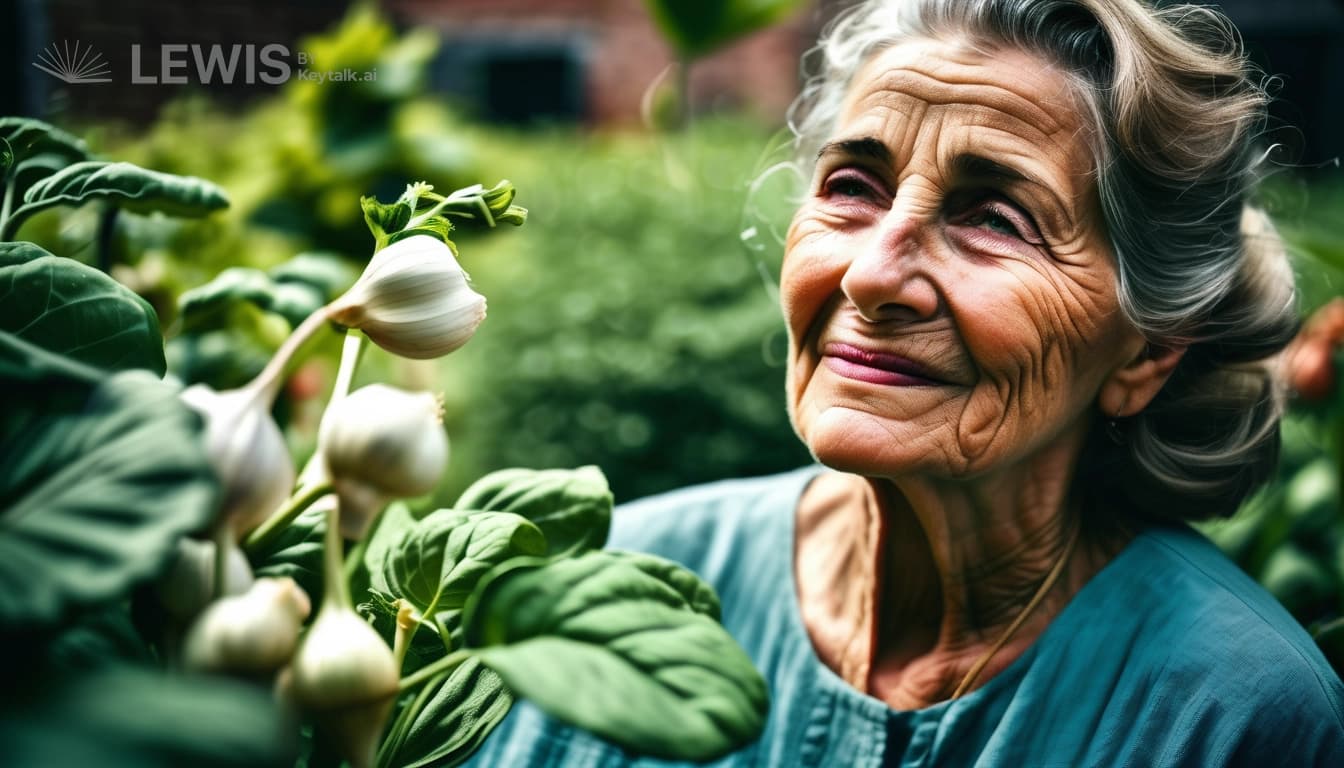
- Action: Graziella reflects on her memories and traditions while tending to her garden, feeling a profound sense of melancholy and isolation.
- Impact: This scene establishes Graziella's internal struggle and sets the stage for her journey to reconnect with her family.
- Description: The scent of garlic and basil fills the air as Graziella tends to her garden, her heart heavy with melancholy as she clings to cherished traditions, feeling increasingly isolated from her grandchildren's modern lives.
Scene 2
scene 2 image
- Title: Bridging the Generational Divide
- Place: Local community center
- Time: Late afternoon
- Action: Graziella and her friend Santiago discuss ways to reconnect with their estranged family members while volunteering at the community center, facing their fears and hopes together.
- Impact: This scene highlights Graziella's determination to bridge the gap between her traditional values and her grandchildren's progressive lives, furthering her character development.
- Description: In the warm, bustling community center, Graziella and Santiago's conversation is a blend of nostalgia and resolve, their shared laughter and earnest plans reflecting their desire to mend family ties amidst the backdrop of change.
Scene 3
scene 3 image
- Title: The Alliance of Old Friends
- Place: Graziella's modest apartment
- Time: Early evening
- Action: Graziella, Santiago, and Eleni gather to discuss their strategy against the gentrification project, pooling their resources and strengths to rally the neighborhood.
- Impact: This scene emphasizes the strengthening bond and mutual support among the trio, highlighting their determination to preserve their community and cultural heritage.
- Description: In the dim, cozy light of Graziella's kitchen, the three old friends huddle over cups of tea, their voices rising and falling in a symphony of passion and resolve, as the scent of garlic and basil fills the air, a poignant reminder of the traditions they fight to protect.
Scene 4
scene 4 image
- Title: Cultural Tapestry Under Siege
- Place: The neighborhood community center
- Time: Late afternoon
- Action: Graziella, Santiago, and Eleni attend a heated town hall meeting where developers present their plans, and the community voices their fierce opposition.
- Impact: This scene underscores the escalating tension and the community’s unified resistance, setting the stage for the upcoming showdown.
- Description: In the crowded, echoing hall, the air thick with fervor and anxiety, Graziella’s heart pounds as she stands shoulder to shoulder with her neighbors, their collective voice a powerful testament to their unwavering resolve.
Scene 5
scene 5 image
- Title : The Power of Unity
- Place: Graziella's modest apartment and the surrounding neighborhood streets
- Time: Evening, on the eve of the final decision regarding the gentrification project
- Action: Graziella, Santiago, and Eleni organize a neighborhood rally, bringing the community together in a show of solidarity against the developers.
- Impact: This scene highlights the strength of the community’s unity and the emotional support they provide one another, reinforcing their shared commitment to preserving their neighborhood.
- Description: As dusk settles, the flickering glow of candlelight illuminates the faces of the assembled neighbors, their chants echoing through the streets, a poignant manifestation of their collective hope and determination.
Scene 6
scene 6 image
- Title : Reconciliation and Renewal
- Place: Graziella's apartment, and the local community center
- Time: Morning, the day after the gentrification project decision
- Action: Graziella hosts a family gathering in her apartment, where she and her grandchildren openly discuss their differences and find common ground. Later, the community celebrates at the local center after learning the project has been halted.
- Impact: The scene signifies the resolution of Graziella’s personal and communal struggles, showcasing the triumph of unity and the rekindling of familial bonds.
- Description: The aroma of freshly baked focaccia mingles with laughter in Graziella’s kitchen, as tears of reconciliation are shed. The joyous atmosphere spills into the community center, where neighbors embrace and celebrate their victory, their spirits buoyed by the promise of a preserved heritage.
'Bridging Traditions'Story Chat

Want to chat with the characters from this story?

'Bridging Traditions'Story Chat

Want to chat with the characters from this story?

story image
story image
story image

You might also like

Comments0

rank icon image
#8 inConcept
rank icon image
#53 inGenre
theme music