Whispers Between the Veil cover image

Whispers Between the Veil

In a phantasmagorical city where the absurdity of life intertwines with the spiritual realm, a grief-stricken undertaker accidentally awakens the dead during a bizarre ceremony gone awry. As the bewildered spirits wander about, reliving fragments of their mundane or spectacular lives, the undertaker must navigate their comically unsolicited advice on his mourning, leading to a fatalistic revelation about the interconnectedness of life and death.

Weekly ranking

rank icon image
#2 inConcept
rank icon image
#2 inTheme
rank icon image
#4 inConcept
Scroll

Plot Synopsis

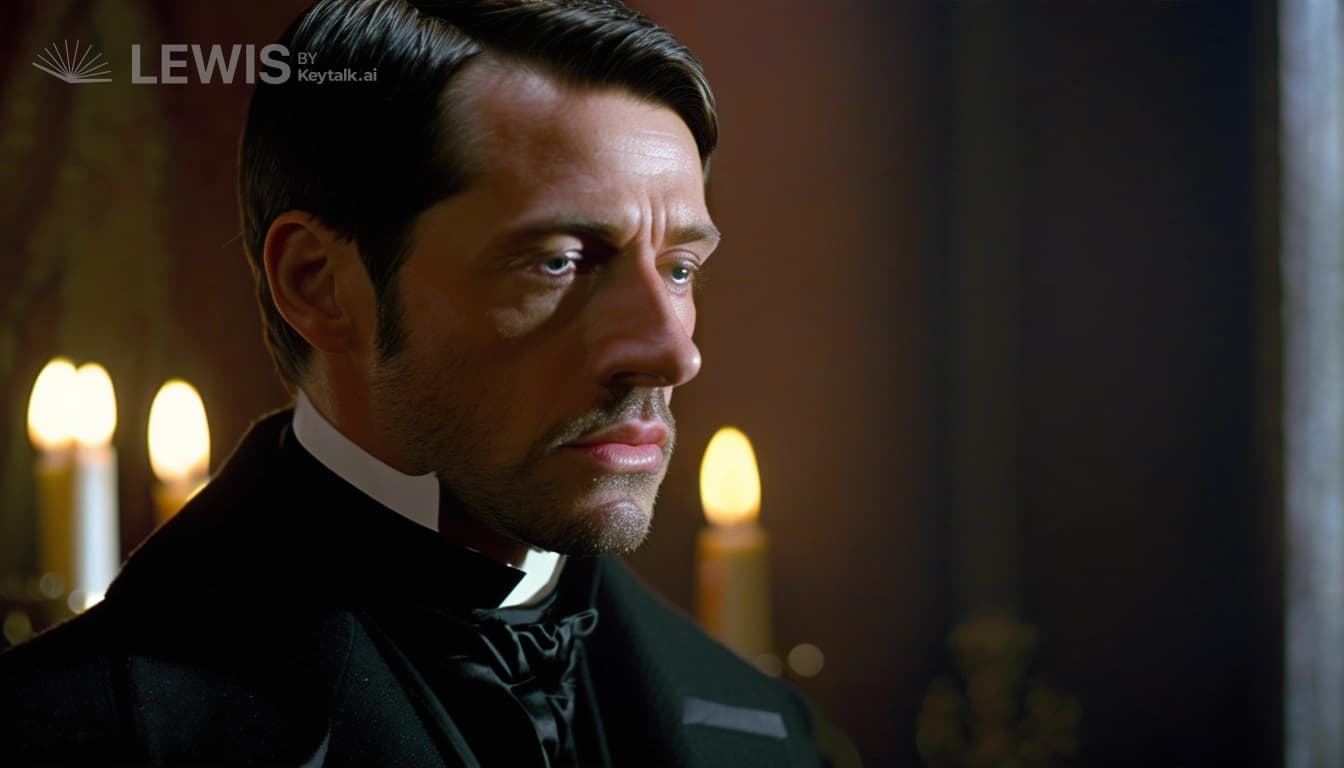
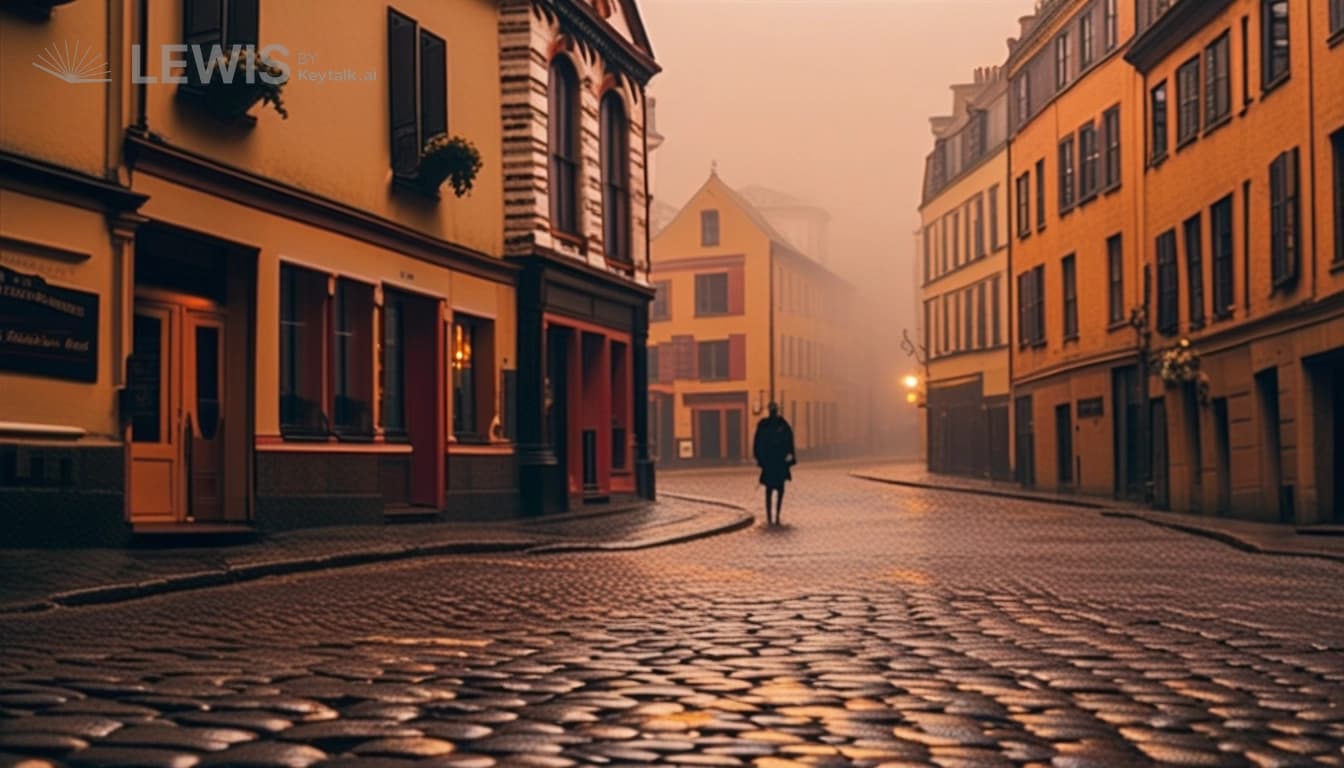
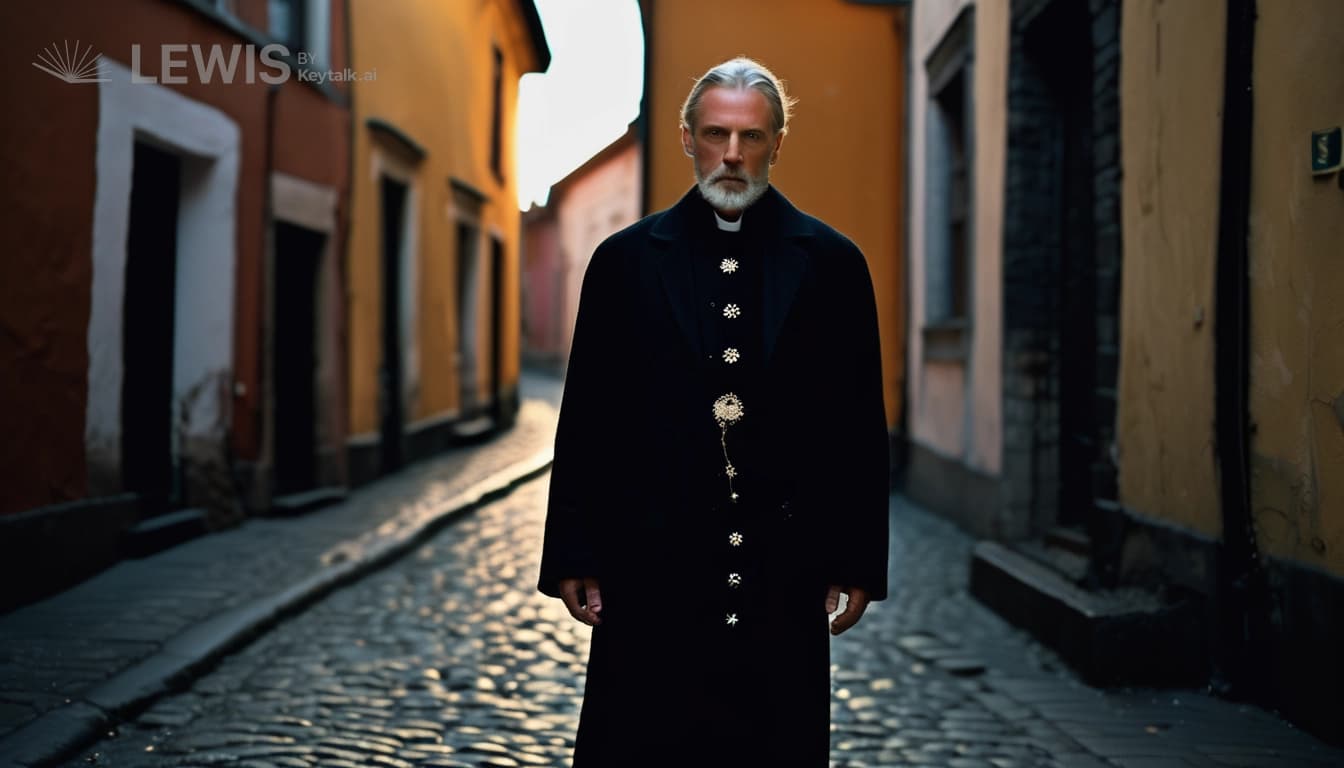
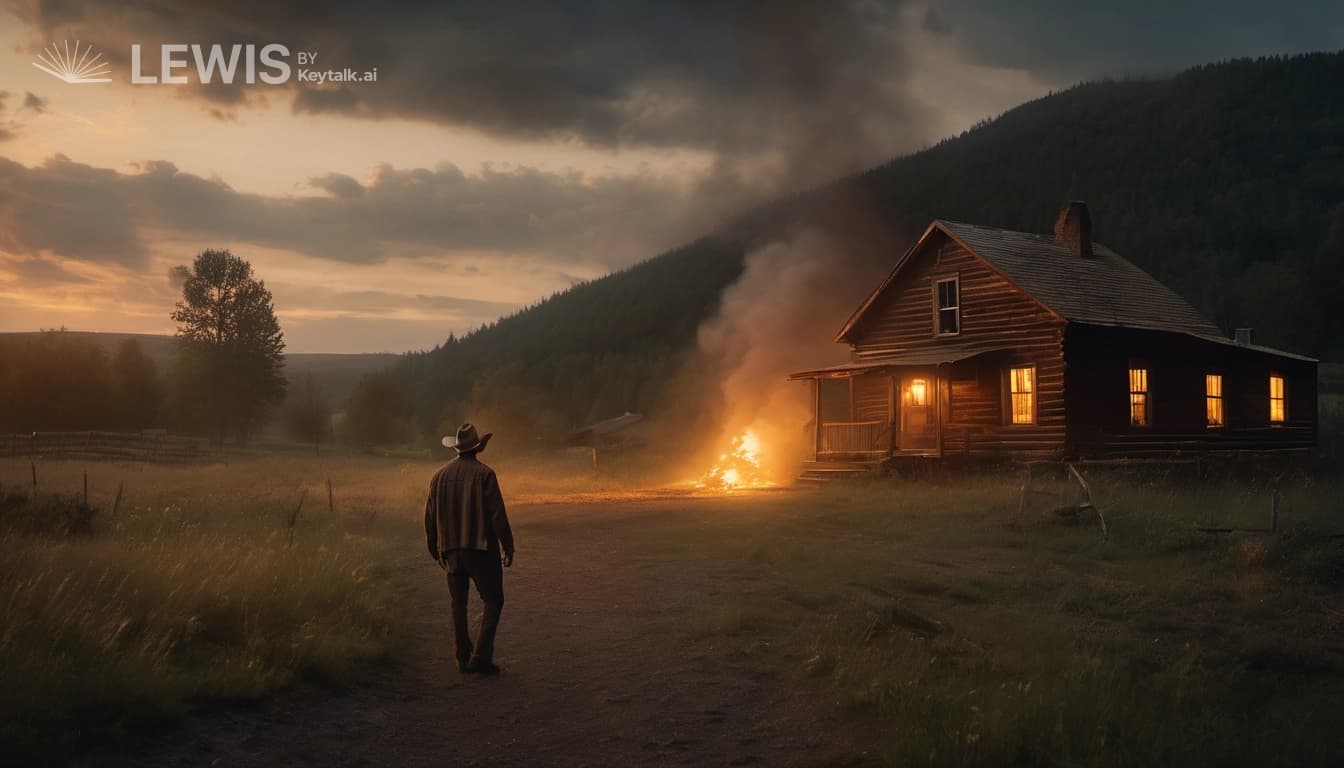
In the phantasmagorical city of Strzępów—a place where cobblestone streets twist like veins and the air hums with the faint echoes of forgotten prayers—Witold Skorupa, a grief-stricken undertaker, spends his days crafting farewells with meticulous care. The funeral parlor is his sanctuary, a dimly lit labyrinth where he can lose himself in the solemn artistry of death. But Witold’s nights are plagued by the specter of his late wife, whose absence haunts him like a shadow he cannot outrun. His routine, a delicate balance of reverence and sardonic humor, is shattered when a peculiar request arrives: a wealthy eccentric demands a funeral ceremony so elaborate it borders on the absurd. Driven by the promise of financial stability—and an unspoken need to distract himself—Witold agrees, unaware that this decision will thrust him into a surreal collision of the living and the dead.

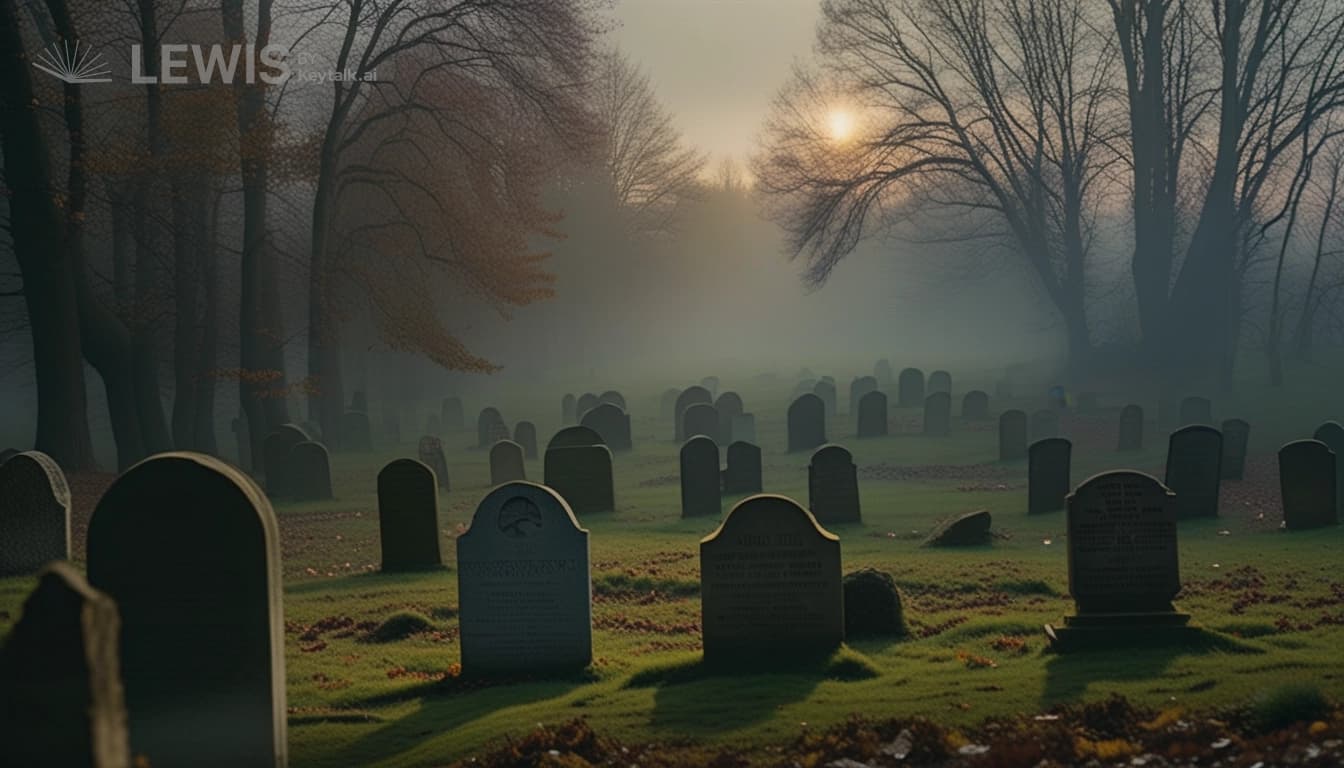
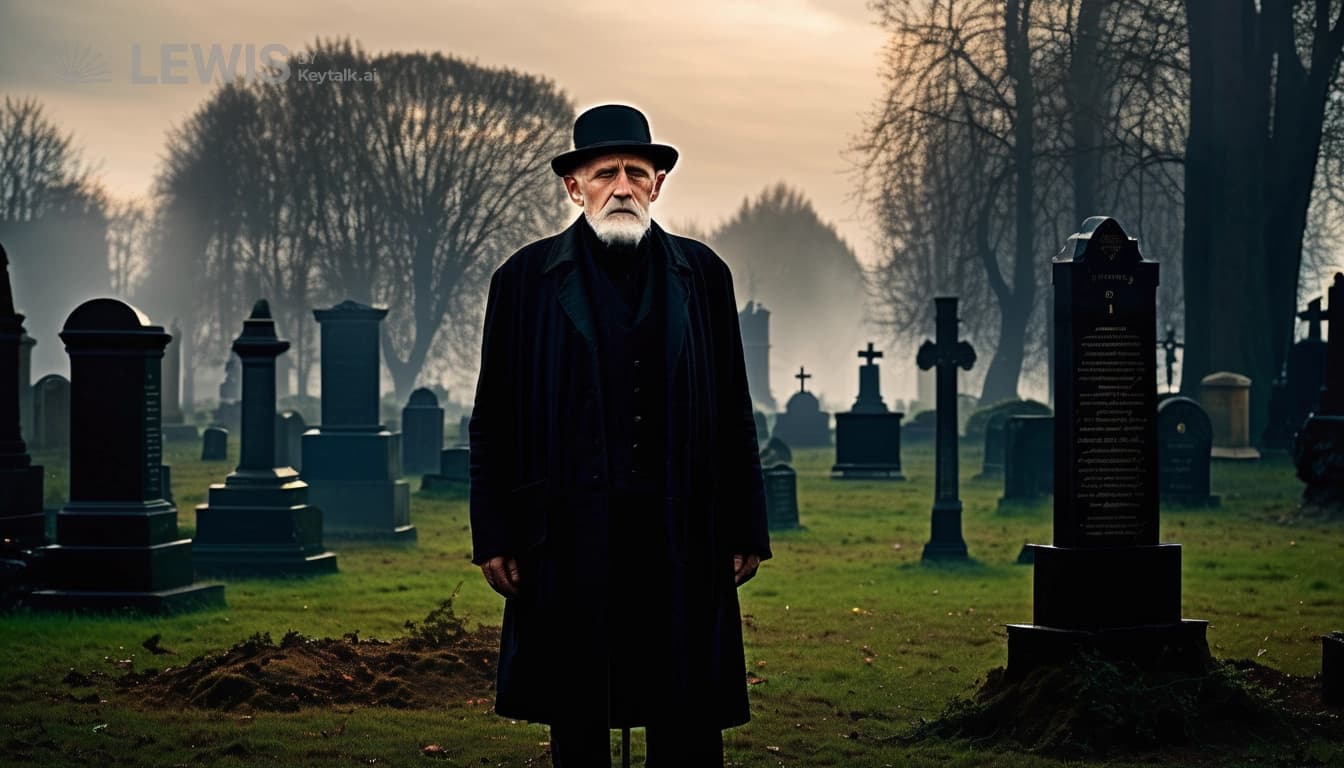
The ceremony unfolds in the sprawling cemetery at the city's edge, a place where gravestones lean like weary travelers and the fog seems alive with secrets. Zofia Krynicka, the gravedigger whose dry wit serves as both armor and weapon, helps prepare the site with her characteristic efficiency. Despite her prickly demeanor, Zofia shares an unspoken camaraderie with Witold; both are stewards of the departed, bound by their macabre professions and unprocessed grief. As the ritual begins, Witold feels the weight of the absurdity pressing down on him—a choir of mismatched voices, incense so thick it chokes, and a priest’s incantations that seem to stretch into infinity. But it is his own improvisation, a haphazard mixture of scripture and esoteric rites pulled from dusty tomes in his apartment, that proves catastrophic. The ground trembles, and the air grows electric. Before anyone can comprehend the magnitude of what has occurred, the dead begin to rise.

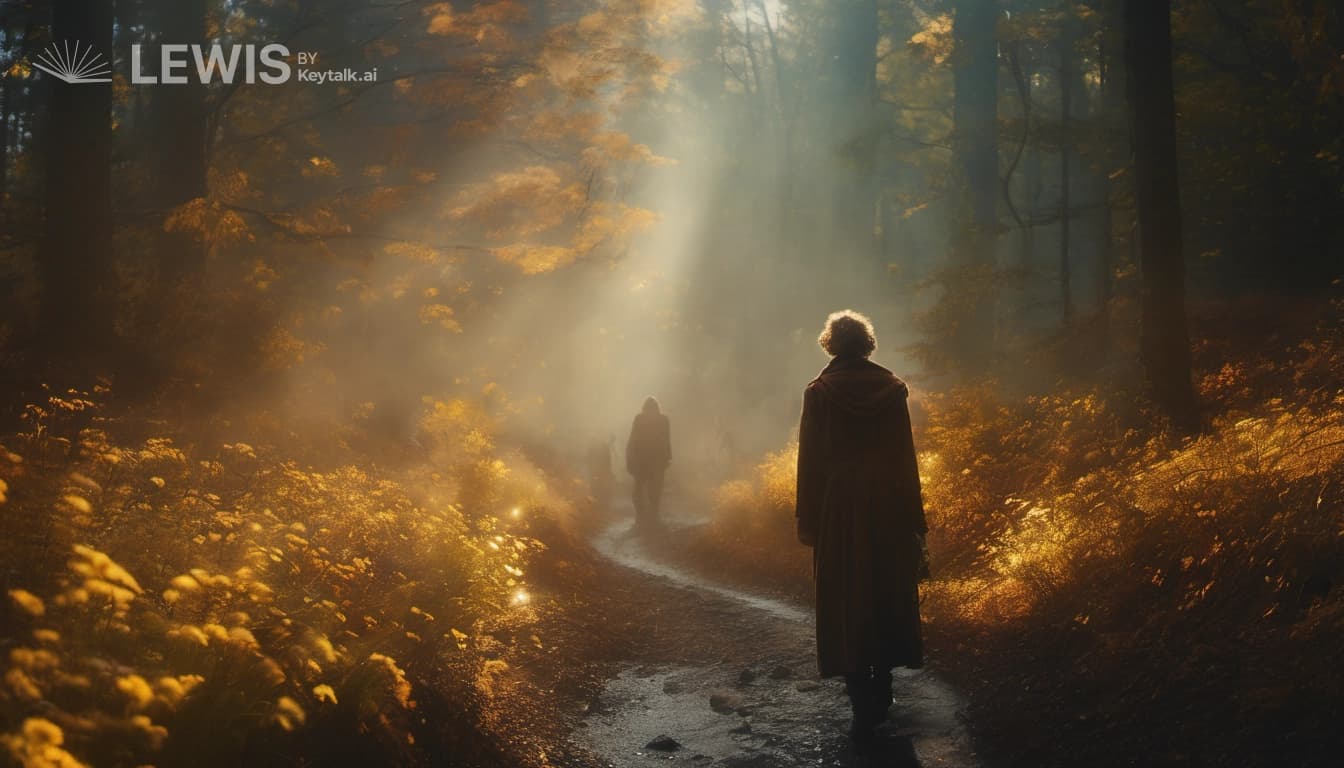
At first, the spirits seem disoriented, their translucent forms flickering like unstable candlelight. They wander through the cemetery and into the city, reliving fragments of their lives with an unsettling mixture of clarity and confusion. Some reenact moments of joy—a baker tirelessly crafting loaves in an imaginary oven, a mother cradling an invisible child—while others remain trapped in cycles of regret or fury. Witold, horrified yet strangely compelled, realizes he is the epicenter of this bizarre resurrection. Zofia, far from panicking, confronts him with her trademark bluntness, demanding he take responsibility for the chaos he has unleashed. Joining their uneasy alliance is Ryszard Wojtyła, the city’s exorcist, whose frustration with the supernatural has reached a boiling point. Ryszard’s methods are unorthodox and his patience thin, but his begrudging involvement becomes critical as the trio navigates a city now teeming with the restless dead.

As Witold interacts with the spirits, he finds himself bombarded by their unsolicited advice on mourning, love, and the absurdity of existence. A retired tailor lectures him on the importance of mending what is broken, while a former opera singer insists that grief, like music, must crescendo before it fades. Their insights, comical yet profound, force Witold to confront the scar he has so carefully folded into his daily life—the loss of his wife, which he has treated as both wound and shrine. Zofia, too, becomes a reluctant participant in the dead’s revelations. A child’s ghost, eerily reminiscent of her brother, compels her to confront the guilt she has buried beneath years of stoic detachment. Even Ryszard is not immune; a soldier’s spirit challenges his rigid pragmatism, sowing seeds of doubt in the man who has spent decades extinguishing hope.

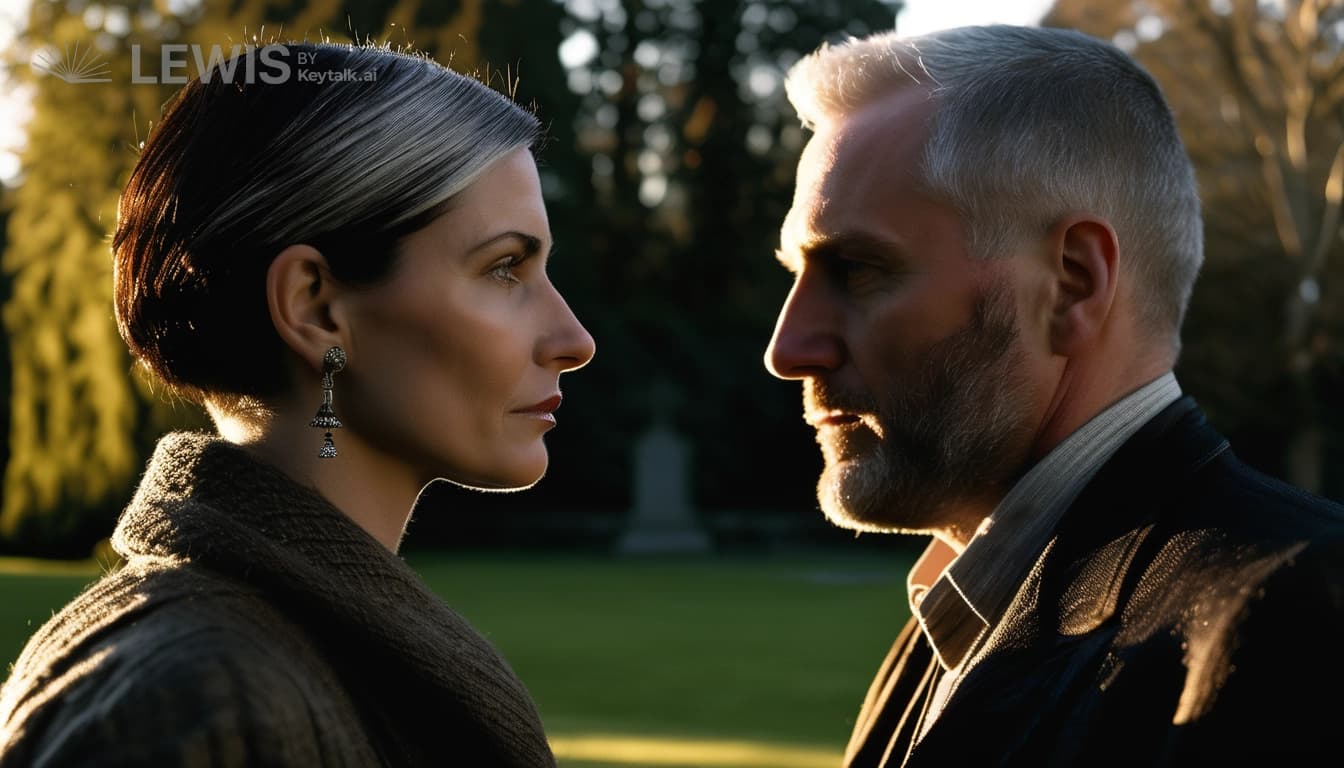
The city itself seems to transform under the weight of this spectral invasion. The streets, once chaotic but predictable, become a theater of the surreal: ghosts reenacting mundane routines in cafes and alleyways, their actions both poignant and absurd. The living, at first terrified, begin to engage with the spirits in unexpected ways—some seeking closure, others exploiting the phenomenon for profit. As tensions rise, Ryszard proposes a decisive solution: a ritual to banish the dead back to their graves. But Witold hesitates, torn between the pragmatic need to restore order and the spiritual revelation that the dead are not intruders but mirrors, reflecting truths the living often refuse to see. Zofia, caught in her own turmoil, challenges Ryszard’s cynicism, advocating for a path that acknowledges the interconnectedness of life and death.

In a climactic confrontation at the cemetery, the trio performs a final ceremony, blending Witold’s reverence, Zofia’s grit, and Ryszard’s reluctant expertise. As the ritual unfolds, the spirits begin to fade, their forms dissolving like mist in sunlight. Yet they leave behind echoes—

Story Details

Keytalk Prompts Used
See all Keytalks
Model Used
GPT-4o
text
Stable Diffusion
image

Character

Protagonist Character

Witold Skorupa

GenderMale
OccupationUndertaker

Profile

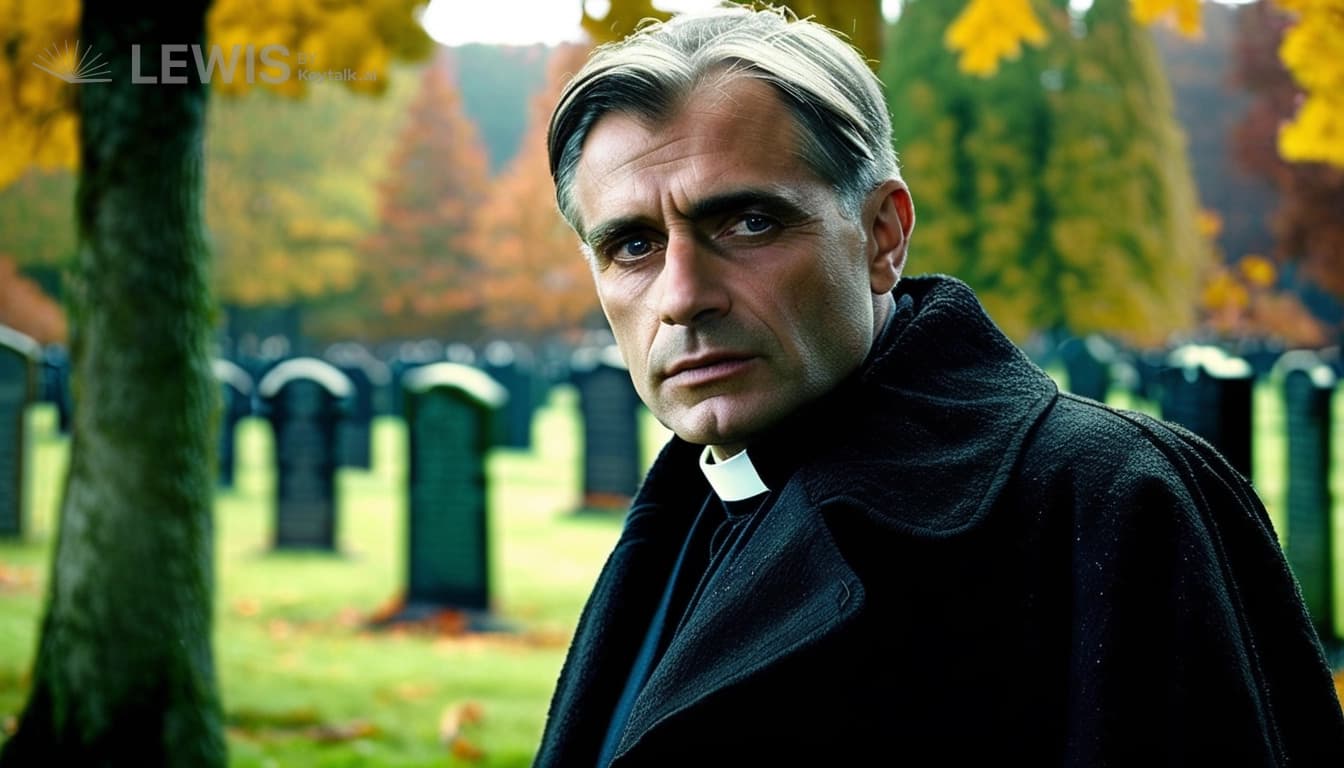
Witold Skorupa was a man who seemed perpetually caught in the shadow of his own somber vocation, though he wore it with a peculiar kind of pride, like a craftsman devoted to the artistry of endings. At 43, his face bore the etchings of quiet endurance, a collection of faint lines around his mouth suggesting smiles that had never fully formed. His dark, close-cropped hair was streaked with premature silver, lending him an air of solemn wisdom that often belied the dry wit lurking just beneath. A native of a city where the surreal seemed to seep into the cracks of daily life, Witold grew up surrounded by a labyrinthine blend of superstition and pragmatism; his father, a pragmatic carpenter, had built coffins with the same stoic efficiency as dining tables, while his mother whispered esoteric prayers over each completed box. This duality left Witold with a worldview both reverent and absurd, an undertaker who could recite scripture with the same gravitas as he told a filthy joke. His small apartment above the funeral parlor—a space cluttered with dusty tomes on metaphysics, half-finished crossword puzzles, and a collection of antique snuffboxes—spoke to a man who found solace in peculiar pursuits. Witold was meticulous in his work, almost ritualistic, but his personal life was a quiet chaos; he’d long since stopped trying to reconcile the grief of losing his wife five years ago, instead folding it into his daily existence like an old scar. His speech carried a cadence of sardonic elegance, his words often dipped in irony, but rarely cruel. Though he had no children, Witold harbored a vague yearning for connection, the kind he sought through long walks in the city's sprawling cemetery, where he would converse aloud with the gravestones as if the dead might reply. He was neither entirely resigned nor wholly hopeful, a man who straddled the line between acceptance and rebellion. This quiet tension in his soul—this refusal to be fully defeated or fully healed—would prove to be the thread pulling him toward something far stranger than even his eccentric mind could imagine.
Antagonist Character

Zofia Krynicka

GenderFemale
OccupationGravedigger

Profile

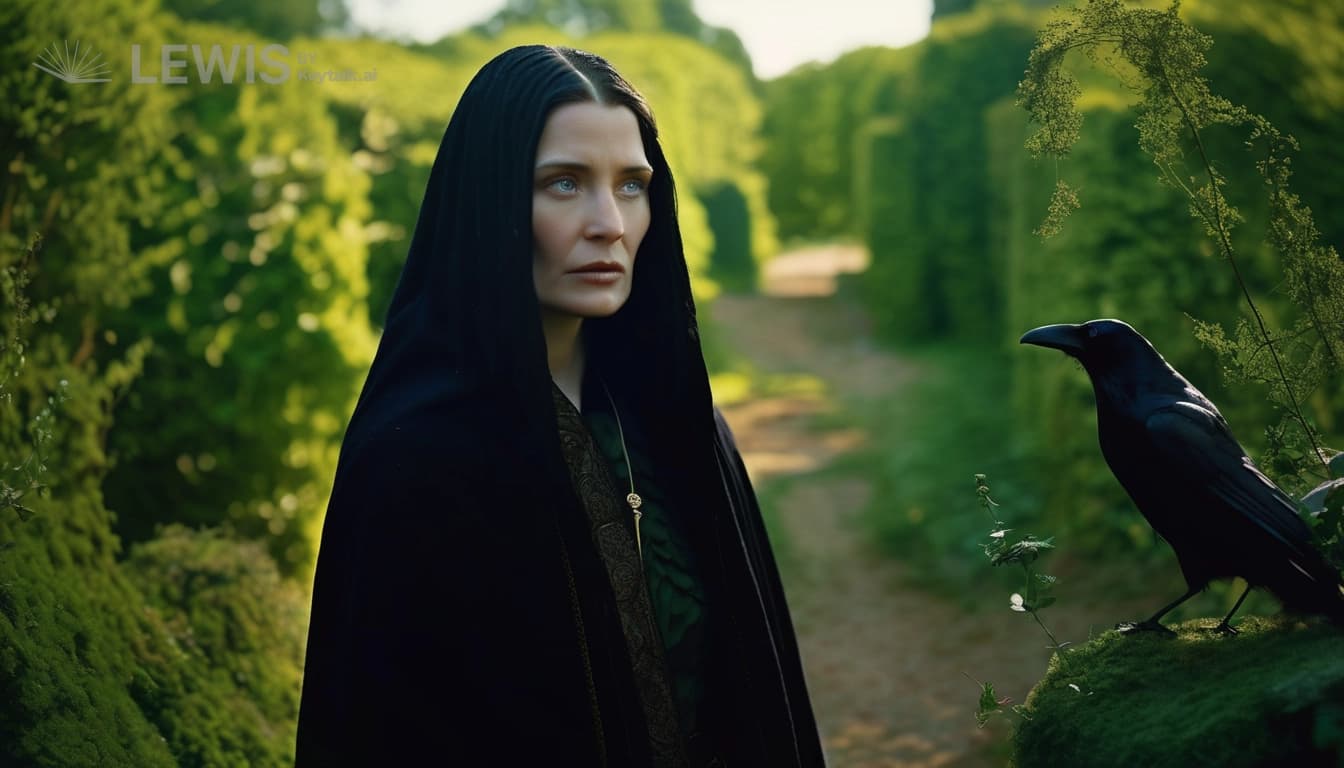
Zofia Krynicka, at thirty-seven, is a woman of pragmatic resilience and unapologetic grit, a gravedigger who wears her occupation like a second skin rather than a badge of stigma. Her wiry frame, often cloaked in dark, utilitarian clothing smeared with earth, belies a strength forged from years of labor under indifferent skies. Her rough hands are a map of calluses, yet she moves with an unhurried grace, her every motion economical and sure. Zofia's personality is a paradoxical blend of dry humor and stoic detachment; she wields sarcasm like a blunt instrument, unafraid to punctuate her sentences with caustic wit or the occasional biting profanity. Her voice carries the clipped cadence of her rural upbringing, tinged with the faintest trace of a Slavic lilt, though her speech is peppered with the worldly weariness of someone who has seen too much and understood too little. Haunted by a long-buried tragedy—her younger brother's death in an accident she still blames herself for—she has built an emotional fortress that few dare to breach. Despite this guarded exterior, Zofia harbors a deep, almost compulsive yearning for connection, though she often sabotages it with her stubborn pride and acidic tongue. Her nights are spent in a cramped, cluttered apartment, where books on existential philosophy share space with a collection of old, chipped ceramic figurines she claims to despise but can never bring herself to discard. She has a peculiar habit of humming mournful folk tunes while working, her voice carrying a haunting melody that lingers in the air long after she's gone. Zofia’s practical intellect and ability to remain unfazed by the macabre define her strengths, but her cynicism and unprocessed grief threaten to tether her to a life of quiet despair. As a supporting character in this tale of absurdity and revelation, she will serve as both foil and reluctant guide, her piercing insight and earthy wisdom challenging others while her own buried humanity aches to be unearthed.
Sidekick Character

Ryszard Wojtyła

GenderMale
OccupationExorcist

Profile

Ryszard Wojtyła, the city’s beleaguered exorcist, wears his profession like a frayed coat—useful but heavy with the weight of years. At fifty-six, his face is a study in contradictions: sharp cheekbones and tired eyes, the latter dulled not by age but by the haunting monotony of banishing spirits who, he suspects, might simply prefer to linger. He speaks in a clipped, sardonic tone, peppered with the occasional profanity when frustration boils over, his accent betraying a provincial upbringing he rarely discusses. Once a devout servant of the Church, his faith now hangs precariously between duty and doubt, chipped away by decades of rituals that feel more rote than reverent. Ryszard is meticulous in his craft, though his methods veer eccentric—he collects obscure relics and mutters idiosyncratic prayers he claims are “better than the textbook nonsense.” Beneath his brusque exterior lies an unspoken loneliness; he lives alone in a cramped flat above a bakery, where the incessant scent of yeast feels oddly comforting, though he’ll never admit it. His humor—dry and self-deprecating—keeps him afloat, though it masks a growing discontent with the futility of his work and the unanswerable questions it evokes. An avid chess player, he often plays against himself, pondering moves with the same brooding intensity he applies to the spiritual battles he wages. Ryszard is not cruel, but he is unapologetically pragmatic, seeing the world as a labyrinth of obligations, where hope is a luxury few can afford. This pragmatic streak, coupled with a simmering frustration toward those who romanticize the supernatural, positions him as a reluctant antagonist in the story—a man who may, unwittingly, become the fulcrum of conflict when his rigid worldview collides with the absurdities that unfold. Yet, beneath his cynicism lies the faintest ember of curiosity, a potential for transformation buried deep within the man who has spent years extinguishing the flames of others’ restless souls.

World

1. Where/When:
The story unfolds in the phantasmagorical city of Strzępów, a place seemingly suspended between the realms of the living and the dead. This city, with its cobblestone streets that twist like veins and air that hums with the faint echoes of forgotten prayers, is a character in itself. The timeline is deliberately ambiguous, blending elements of the past and present, creating a timeless, dreamlike quality that mirrors the surreal events that transpire. The narrative takes place in an era where modern conveniences exist but are overshadowed by the city's adherence to ancient rituals and superstitions.

2. Important rules of the universe and how it impacts the story:
In Strzępów, the boundary between life and death is unusually porous, and the supernatural is an accepted, if not entirely understood, facet of daily life. The city's inhabitants navigate a labyrinthine blend of pragmatism and superstition, where esoteric practices are as common as mundane routines. The dead, once awakened, are not malevolent but rather echoes of their former selves, reliving fragments of their lives with a mixture of clarity and confusion. This blending of the absurd and the profound impacts the story by forcing characters to confront their own grief, guilt, and unresolved emotions through interactions with these spectral beings. The universe operates on a principle of interconnectedness, suggesting that life and death are not opposing forces but intertwined aspects of existence.

3. The visual description of the universe:
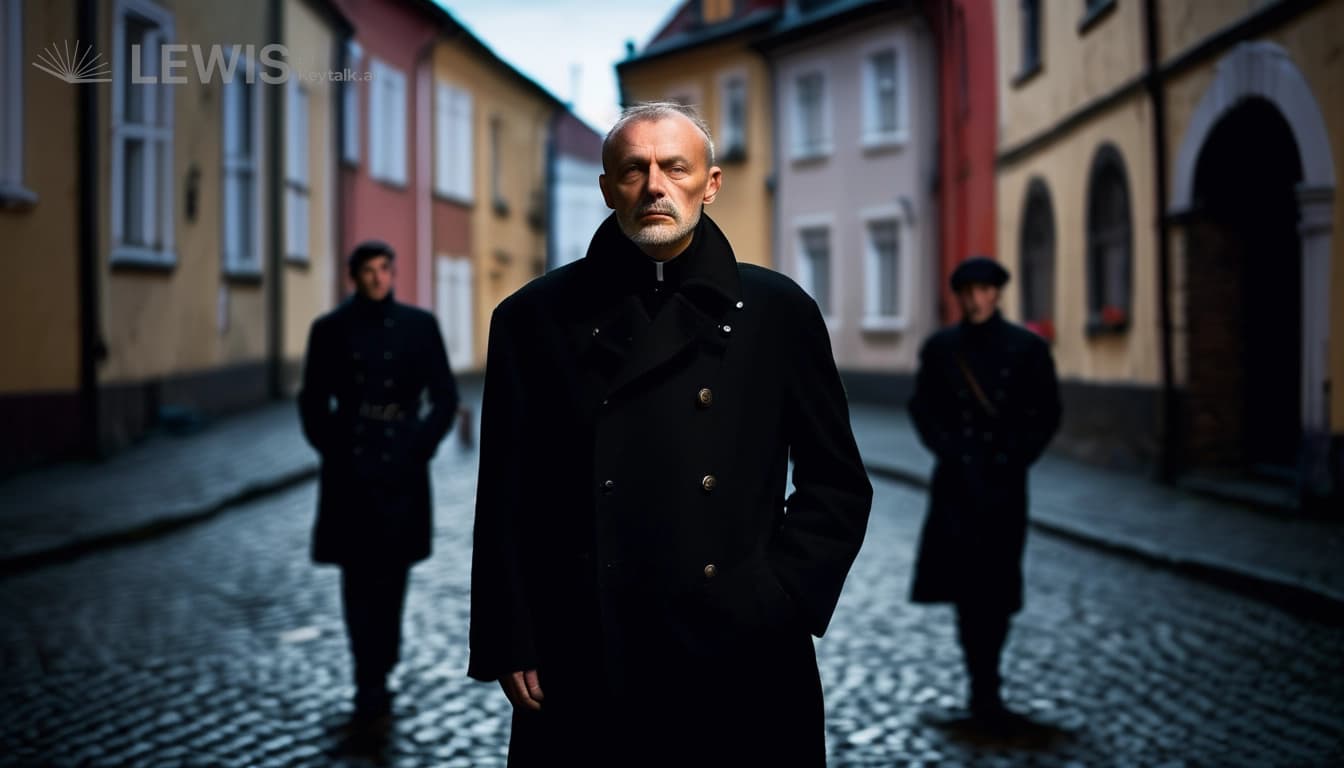
Strzępów is a city of contrasts, where the eerie and the mundane coexist in a delicate balance. The streets, lined with crooked buildings that lean toward each other like conspirators, are shrouded in perpetual twilight, casting long, distorted shadows. The cemetery at the city's edge is a sprawling, overgrown labyrinth where gravestones stand like weary travelers, and the fog seems to breathe with a life of its own. The funeral parlor, Witold's sanctuary, is a dimly lit space filled with the scent of incense and the soft rustle of aged paper, its walls lined with dusty tomes on metaphysics and antique snuffboxes. The city's cafes and alleyways become theaters of the surreal, where spirits reenact mundane routines, their translucent forms flickering like unstable candlelight. This visual tapestry of the surreal and the melancholic creates an immersive backdrop for the characters' emotional and psychological journeys.

4. Notable technologies or philosophies of the universe that impact the story:
The universe of Strzępów is shaped by a blend of arcane knowledge and practical skills. Witold's meticulous craftsmanship in creating coffins and conducting funerals reflects a deep reverence for the artistry of endings, while his improvisation of esoteric rites highlights the city's acceptance of the mystical. Ryszard's methods as an exorcist are equally eclectic, incorporating obscure relics and idiosyncratic prayers that deviate from traditional religious practices. The city's inhabitants are steeped in a philosophy of fatalistic acceptance, recognizing that life and death are intrinsically linked. This worldview is challenged and expanded as the characters interact with the awakened dead, leading to revelations about the nature of grief, love, and the absurdity of existence. The story's climax hinges on a ritual that synthesizes these diverse philosophies, underscoring the theme of interconnectedness and the need to find balance between acceptance and rebellion.
representative image
location 1 image

Location 1

- Title: The Labyrinthine Cemetery of Strzępów
- Description: Shrouded in restless fog, the sprawling cemetery stretches like a forgotten realm, its gravestones slanted as if burdened by centuries of whispered secrets. The air crackles with an unnatural energy as the earth quivers beneath the ritual’s weight, unleashing an eerie procession of spirits whose flickering forms blur the boundary between the living and the dead. Shadows writhe in the moonlight, transforming the cemetery into a stage for the surreal resurrection that upends the city’s fragile reality.
location 2 image

Location 2

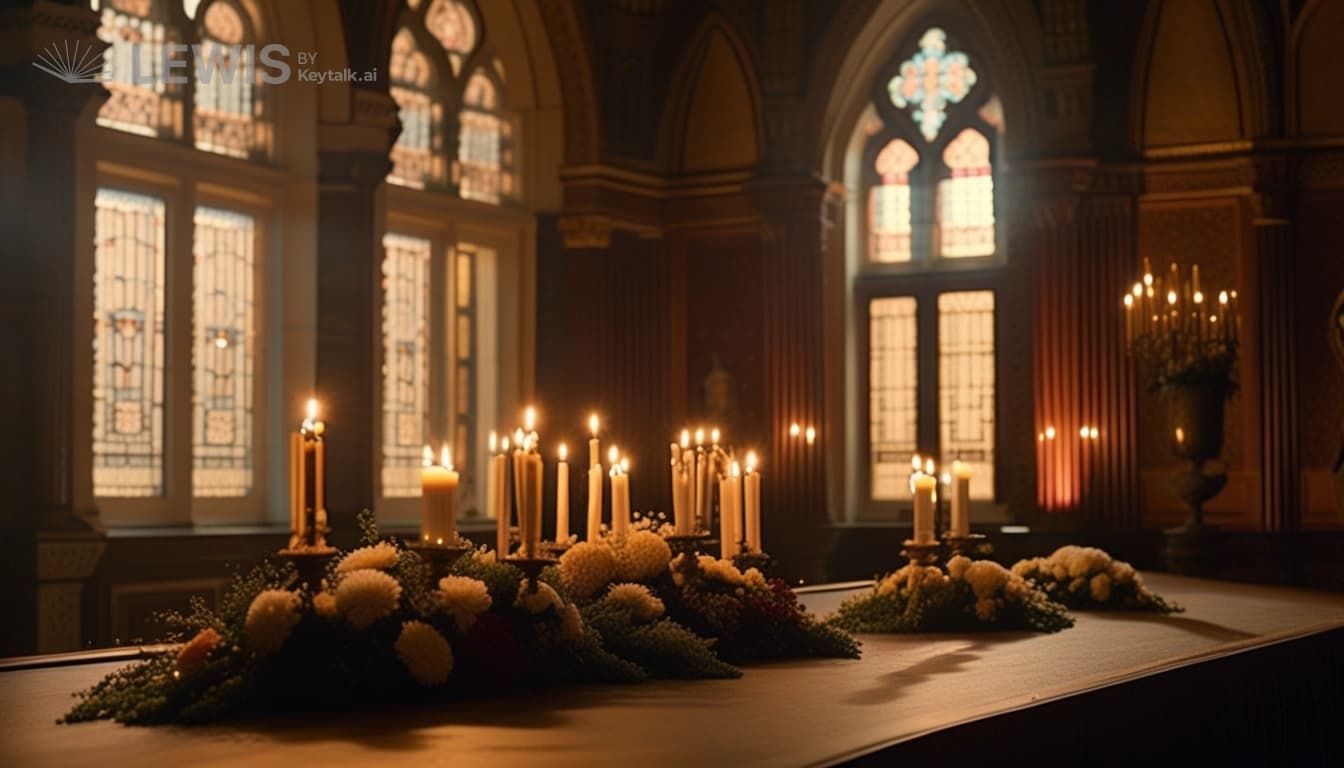
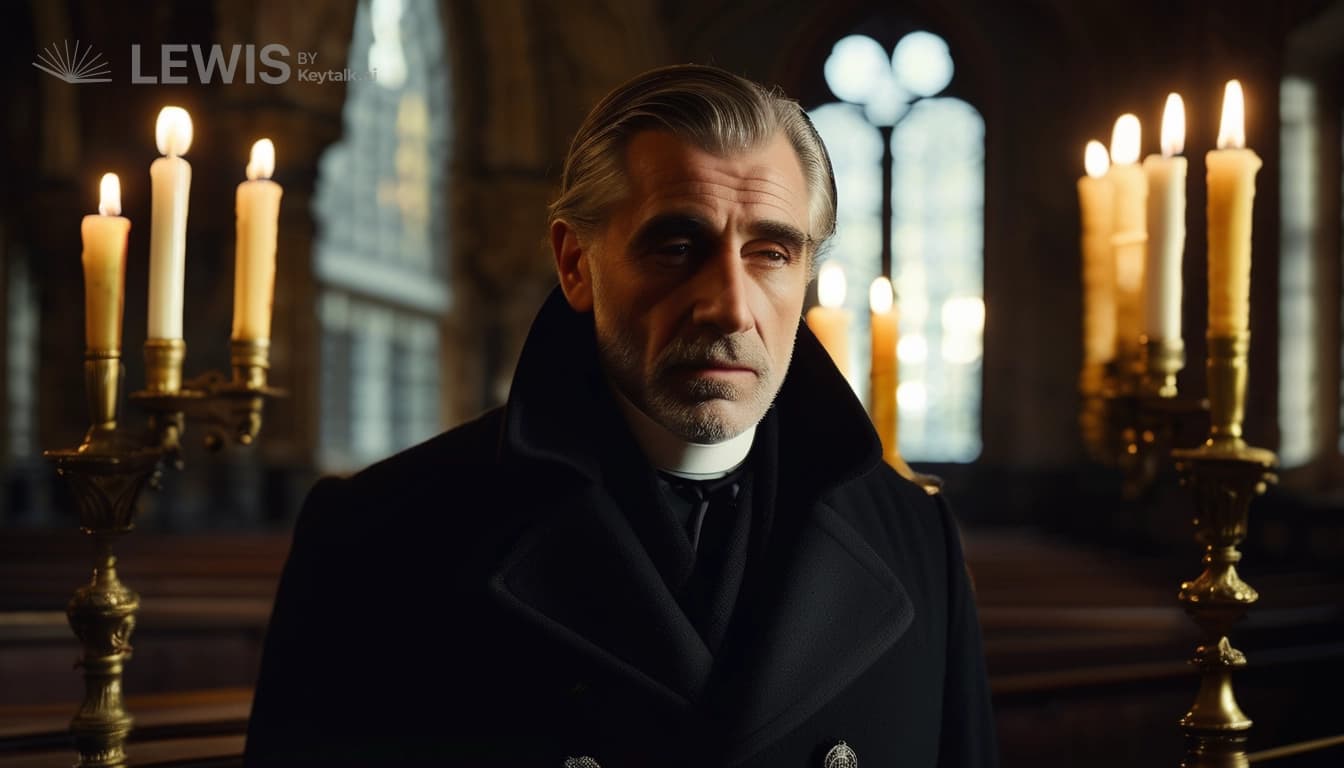
- Title: The Funeral Parlor of Witold Skorupa
- Description: A dimly lit sanctuary steeped in the scent of incense and embalming oils, its shadow-draped walls lined with dusty tomes and tarnished relics whisper tales of mortality. Here, Witold’s improvised fusion of sacred scripture and esoteric rites ignites the catastrophic resurrection, as the flicker of candlelight dances like forewarnings of the chaos to come.
location 3 image

Location 3

- Title: The Twilight Cafes of Strzępów
- Description: Laced with the aroma of roasted coffee and phantom laughter, these cobblestone-lined cafes transform into haunting stages where spirits mimic their past lives—bakers knead unseen dough, patrons sip invisible tea—while the living oscillate between seeking solace and seizing profit. The air, thick with spectral murmurs and the weight of unspoken truths, blurs the line between mundane rituals and metaphysical revelations, encapsulating the city's descent into surreal symbiosis. Amid this eerie communion, Witold grapples with his own grief as the cafes become crucibles of unexpected wisdom and bittersweet closure.

Scenes

Scene 1
scene 1 image
- Title: Witold's Sanctuary and the Eccentric's Request
- Place: Witold's funeral parlor in Strzępów
- Time: Late evening, as twilight fades into night
- Action: Witold Skorupa, immersed in his meticulous craft of preparing funerals, receives a peculiar and extravagant request from a wealthy eccentric.
- Impact: The promise of financial stability and distraction compels Witold to accept, unknowingly setting the stage for events that will unravel his fragile existence.
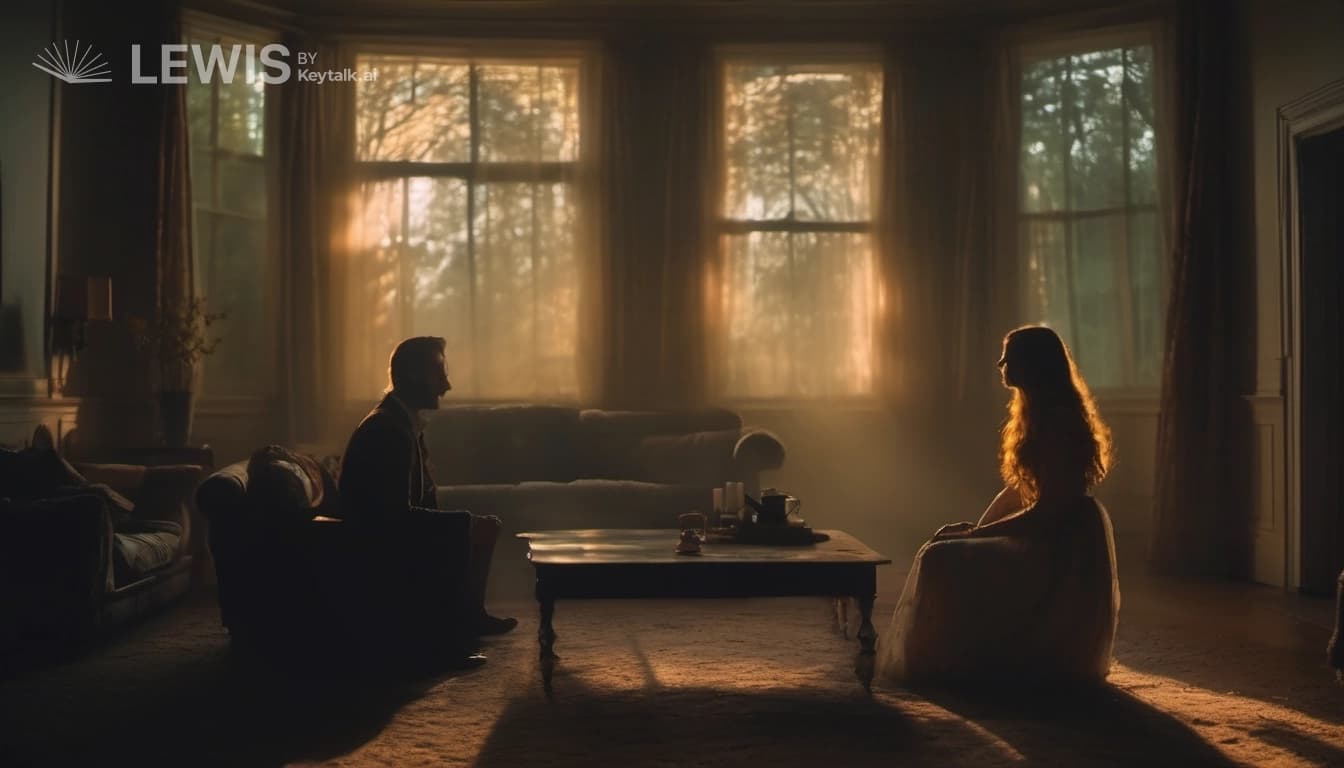
- Description: In the dim, sepulchral glow of his funeral parlor, Witold pores over an urn etched with delicate patterns, his grief a constant undercurrent. The eccentric's request, delivered with theatrical flourish, pierces the quiet, its absurdity both irritating and irresistibly intriguing, drawing Witold into a decision that will alter the fabric of his world.
Scene 2
scene 2 image
- Title: The Absurd Ritual and the Trembling Earth
- Place: The sprawling cemetery at the edge of Strzępów
- Time: Early evening, under a sky heavy with swirling gray clouds
- Action: Witold conducts the elaborate funeral ceremony, improvising with a mix of scripture and obscure rites, which unexpectedly triggers a supernatural event that causes the ground to tremble and the dead to rise.
- Impact: The ritual’s catastrophic outcome shatters the tenuous balance of the living and the dead in the city, positioning Witold at the center of an unfolding chaos he cannot yet comprehend.
- Description: Amidst thick incense and the haunting dissonance of a mismatched choir, Witold’s improvised incantations unleash an eerie energy; the earth quakes, and the fog-choked cemetery becomes a stage for the dead, their spectral forms flickering like trembling candlelight as they begin to stir and rise.
Scene 3
scene 3 image
- Title: The Restless Dead and the Uneasy Alliance
- Place: The cobblestone streets of Strzępów and Witold's funeral parlor
- Time: Night, under a pale moonlight that casts spectral shadows across the twisting streets
- Action: The risen spirits disperse across the city, reenacting fragments of their past lives in disjointed, eerie routines. Witold, overwhelmed by guilt and fascination, encounters Zofia and Ryszard, who confront him about the chaos and form an uneasy alliance to address the unfolding supernatural crisis.
- Impact: The trio’s forced collaboration sets the stage for their shared journey, uniting their contrasting personalities and motivations against the surreal invasion of the dead.
- Description: Through fog-shrouded streets, translucent figures drift like lost memories, their unsettling presence haunting the city’s alleys and squares. Witold’s funeral parlor becomes a reluctant meeting point, its dimly lit interior a haven for tense discussions, as Zofia’s blunt pragmatism and Ryszard’s impatient expertise clash with Witold’s paralyzing introspection.
Scene 4
scene 4 image
- Title: Lessons from the Grave: Confronting Scars and Guilt
- Place: The cemetery’s heart, surrounded by towering gravestones and the twisting fog-laced paths of Strzępów.
- Time: Early dawn, as the first rays of sunlight struggle to pierce the thick, spectral mist.
- Action: Witold interacts with the wandering spirits, absorbing their poignant and often humorous insights on grief and existence, which force him to confront his unresolved pain over his wife’s death. Zofia is drawn into her own confrontation when a child’s ghost evokes memories of her buried guilt, while Ryszard faces a soldier’s spirit that challenges his hardened skepticism.
- Impact: The trio’s personal struggles deepen their connection to the spirits, sharpening their understanding of the intertwined nature of life and death, and pushing them toward crucial decisions about how to address the city’s haunting.
- Description: Ethereal figures flicker in the dawn mist, their translucent forms a haunting mosaic of lives once lived. Witold’s hesitant interactions carry an undertone of sorrow, Zofia’s stoicism cracks under the weight of her memories, and Ryszard’s frustration gives way to subtle doubt, all while the cemetery breathes with the restless echoes of the dead.
Scene 5
scene 5 image
- Title: The Living and the Dead: A City Transformed
- Place: The labyrinthine streets of Strzępów, where the spirits have spilled from the cemetery into cafes, markets, and shadowed alleyways.
- Time: Late afternoon, with the golden light of the setting sun casting surreal hues on the mingling of the living and the dead.
- Action: The living begin to interact with the spirits—some seeking closure, others exploiting their presence—while Witold, Zofia, and Ryszard navigate the chaos, debating the morality of banishing the dead versus embracing their truths.
- Impact: The city becomes a microcosm of blurred boundaries between life and death, forcing all three to question the meaning of connection, loss, and the balance between order and acceptance.
- Description: Ghosts relive fragments of their former lives in hauntingly beautiful reenactments, while the living alternate between fear, wonder, and opportunism; Strzępów becomes both a graveyard and a theater for the human condition, pulsing with an eerie, melancholic vibrancy.
Scene 6
scene 6 image
- Title: Echoes in Sunlight: The Final Ceremony
- Place: The sprawling cemetery at the city's edge, shrouded in pre-dawn mist, where gravestones loom like silent witnesses to the living and the dead's last communion.
- Time: The liminal hour before sunrise, when the sky teeters between night and day, casting an ethereal glow over the cemetery.
- Action: Witold, Zofia, and Ryszard perform a final, improvised ritual, blending fragments of ancient rites with personal acts of catharsis, as the spirits gather one last time to witness their liberation. The dead begin to dissolve into the light, leaving behind faint whispers and intangible warmth, while the trio confronts their own lingering grief and unresolved truths.
- Impact: The spirits’ departure restores Strzępów to its earthly rhythm, but the trio is forever altered—Witold finds a fragile peace, Zofia allows herself to mourn, and Ryszard questions the absolutes he once clung to.
- Description: The cemetery transforms into a tableau of spectral beauty as the spirits ascend, their forms unraveling into tendrils of light that illuminate the gravestones; the air brims with an ineffable sense of closure, sorrow, and renewal, as the living and the dead part ways with mutual acknowledgment.
'Whispers Between the Veil'Story Chat

Want to chat with the characters from this story?

'Whispers Between the Veil'Story Chat

Want to chat with the characters from this story?

story image
story image
story image

You might also like

Comments0

rank icon image
#7 inTheme
rank icon image
#8 inConcept
rank icon image
#9 inConcept
theme music