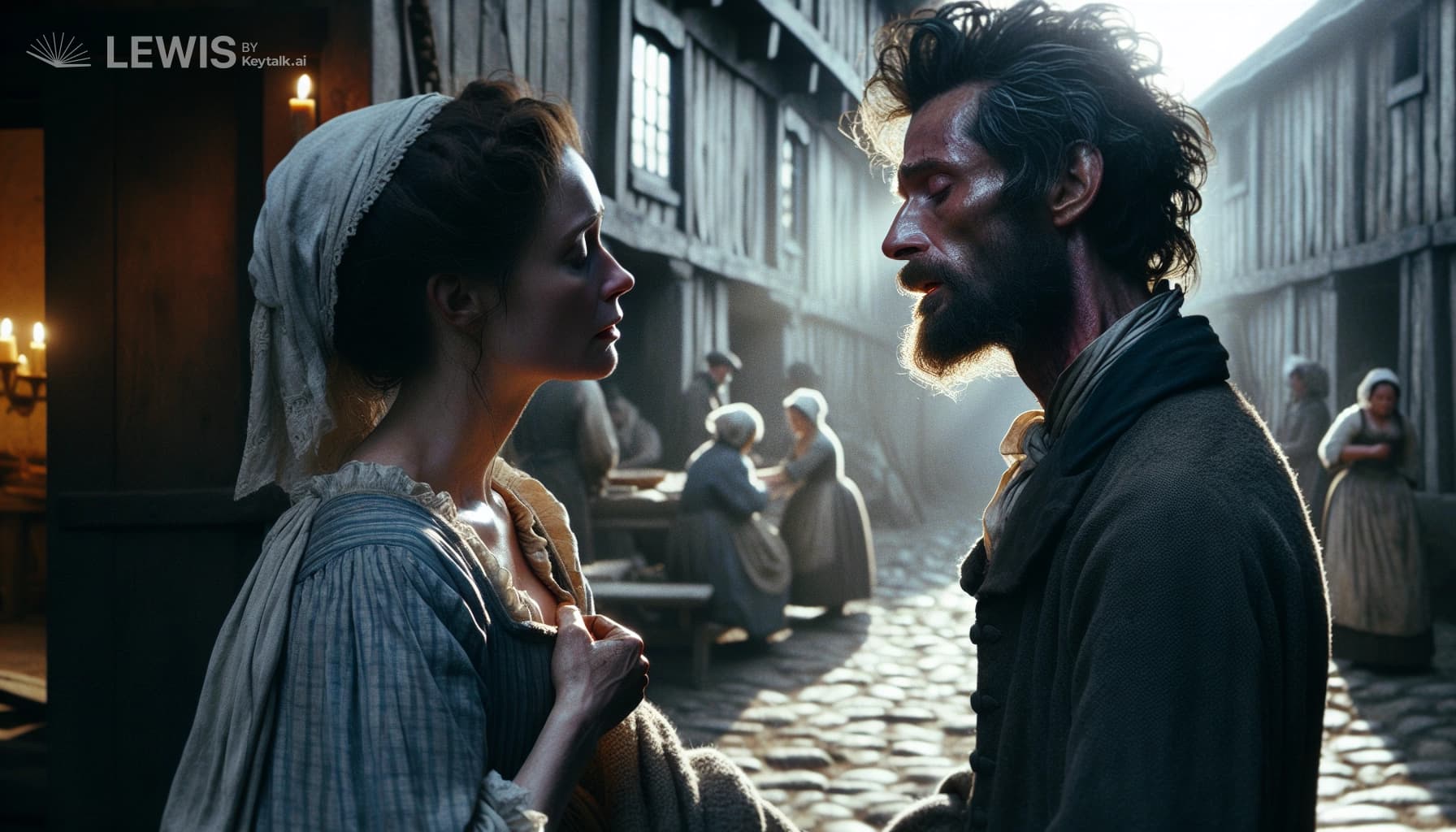
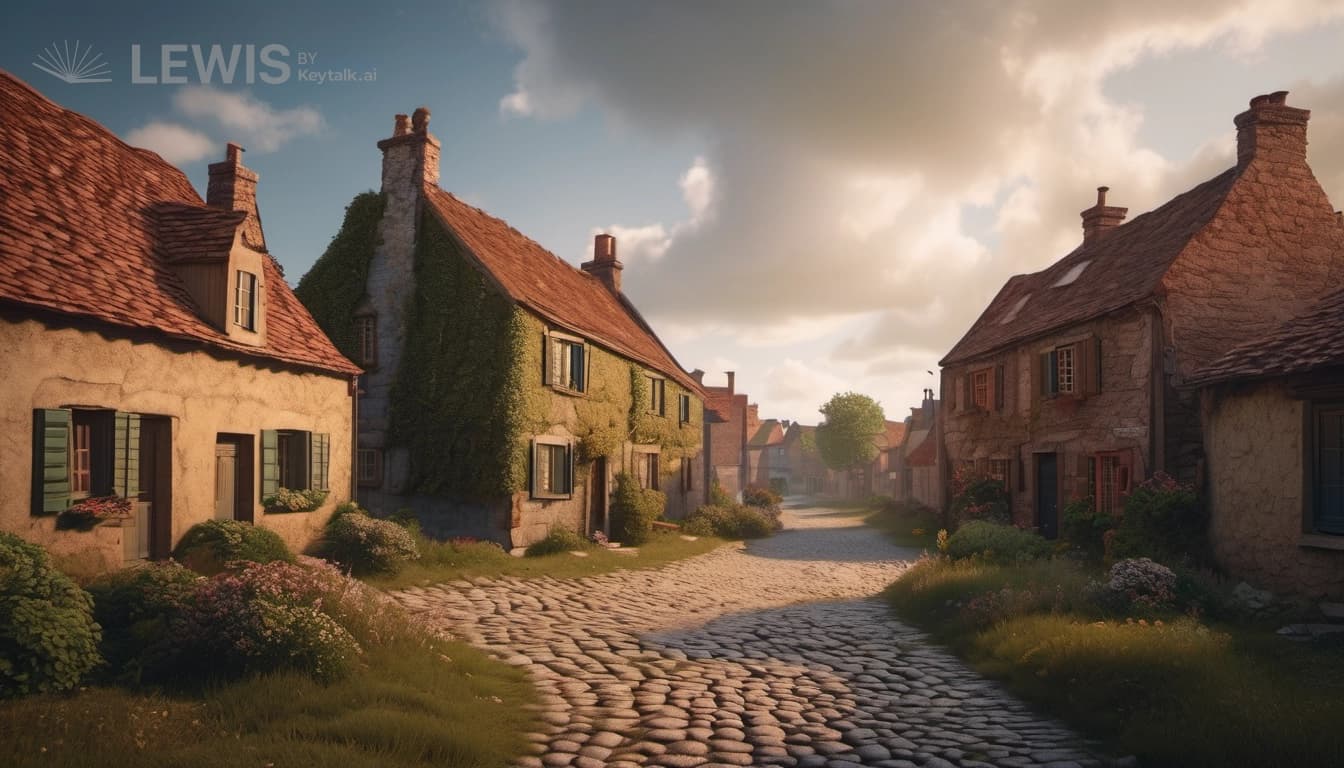
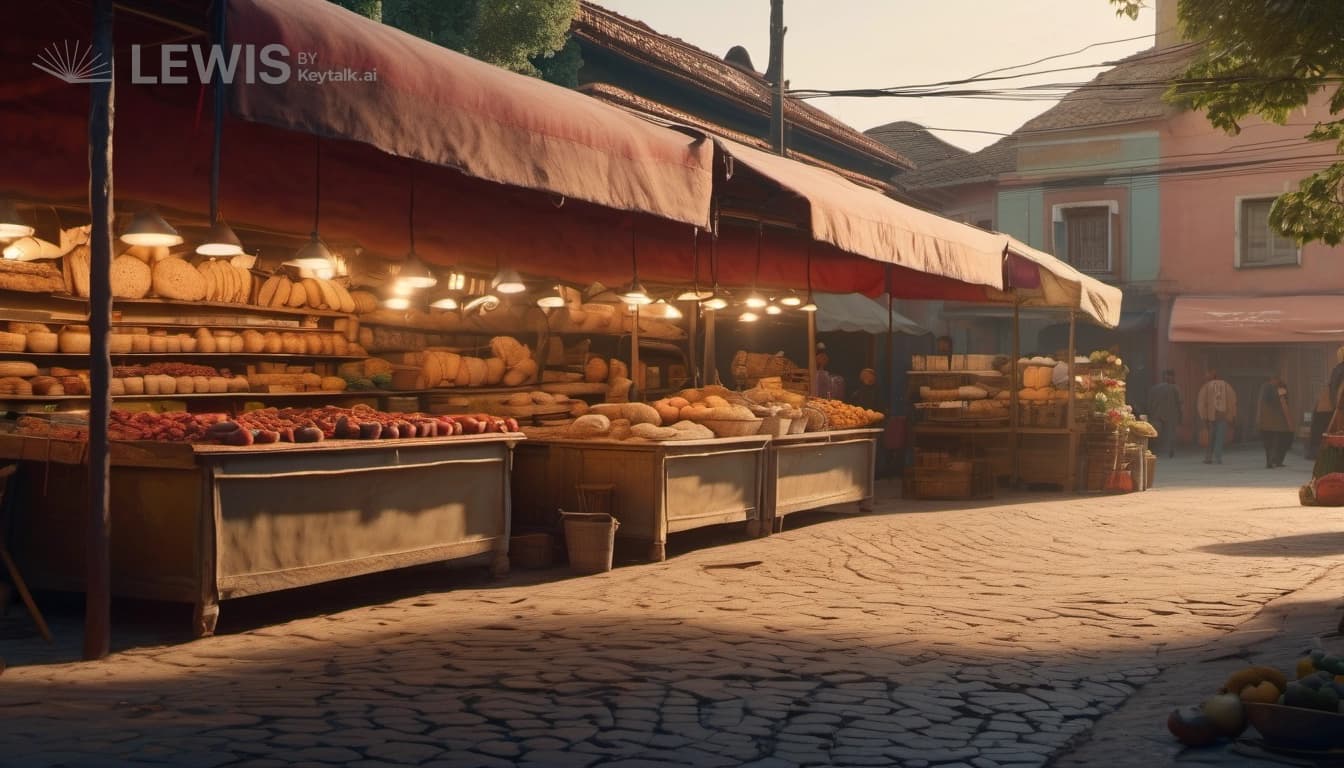
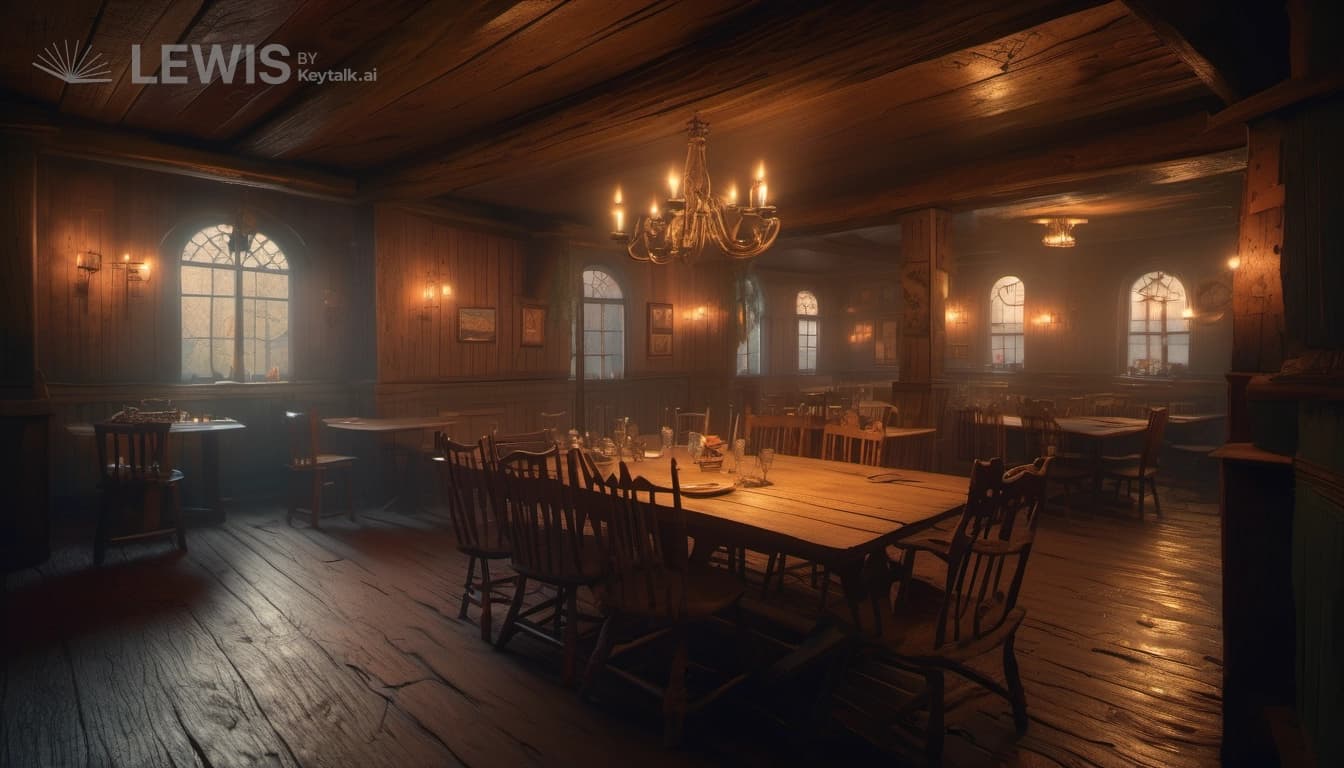
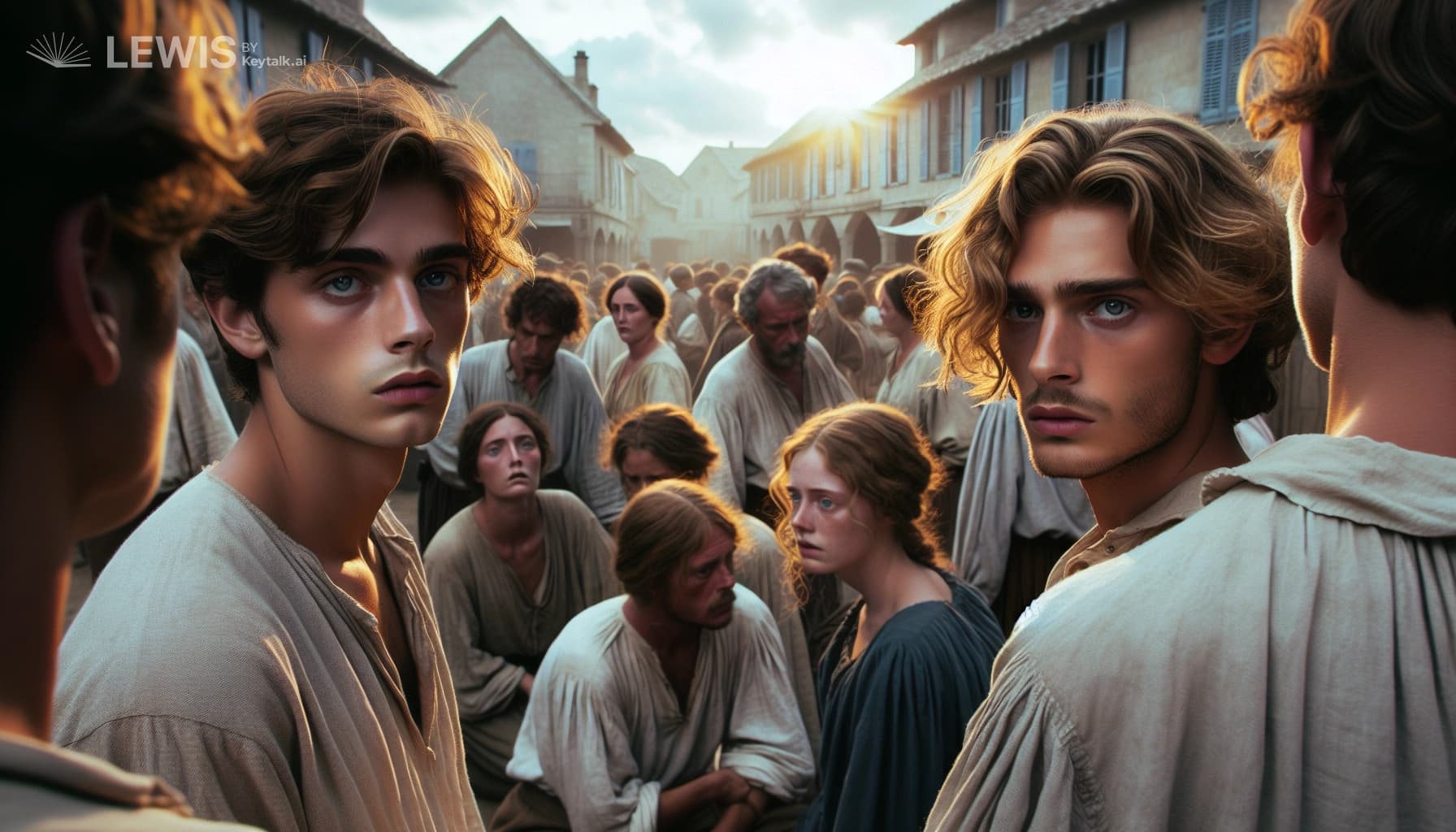
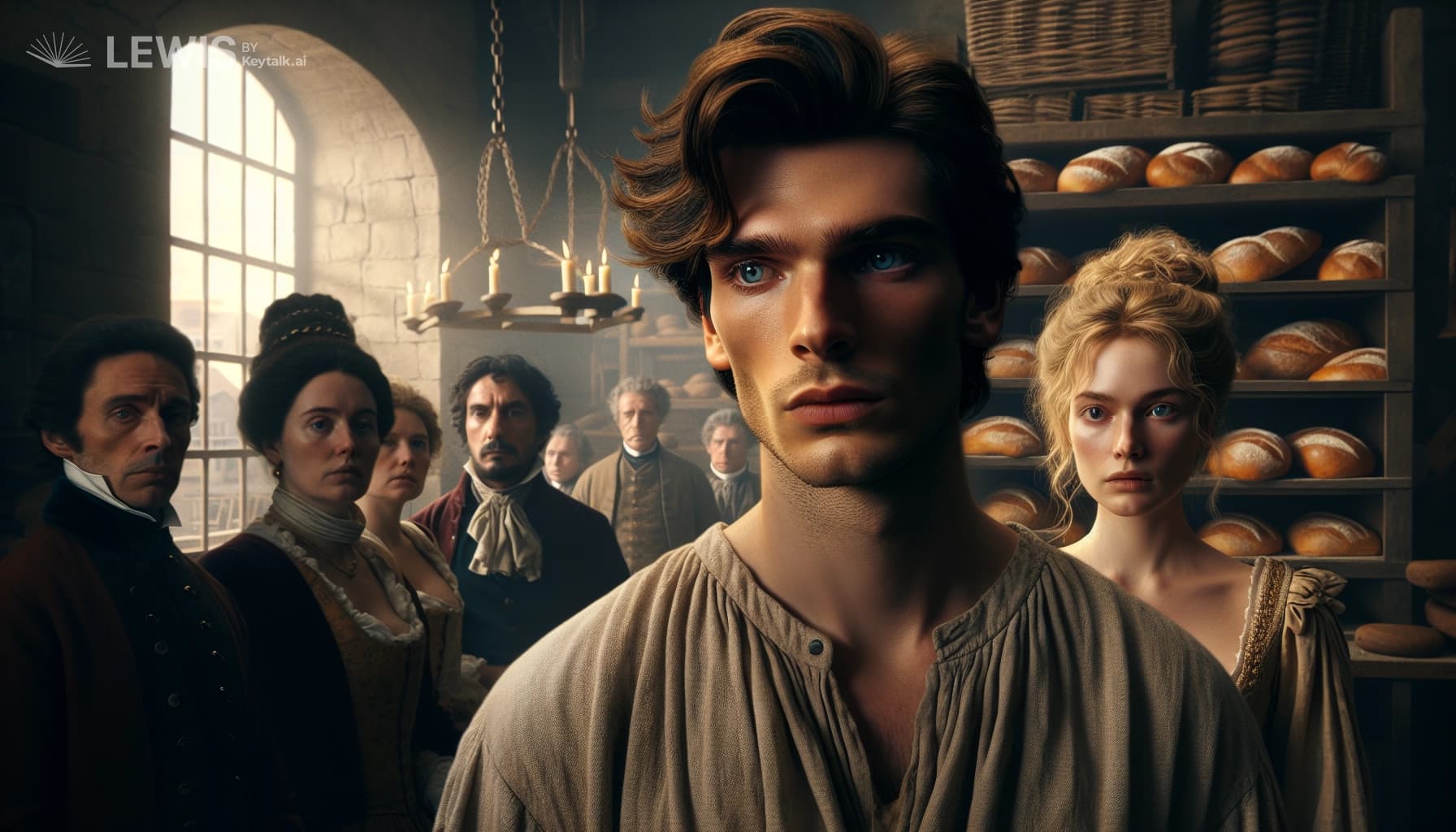
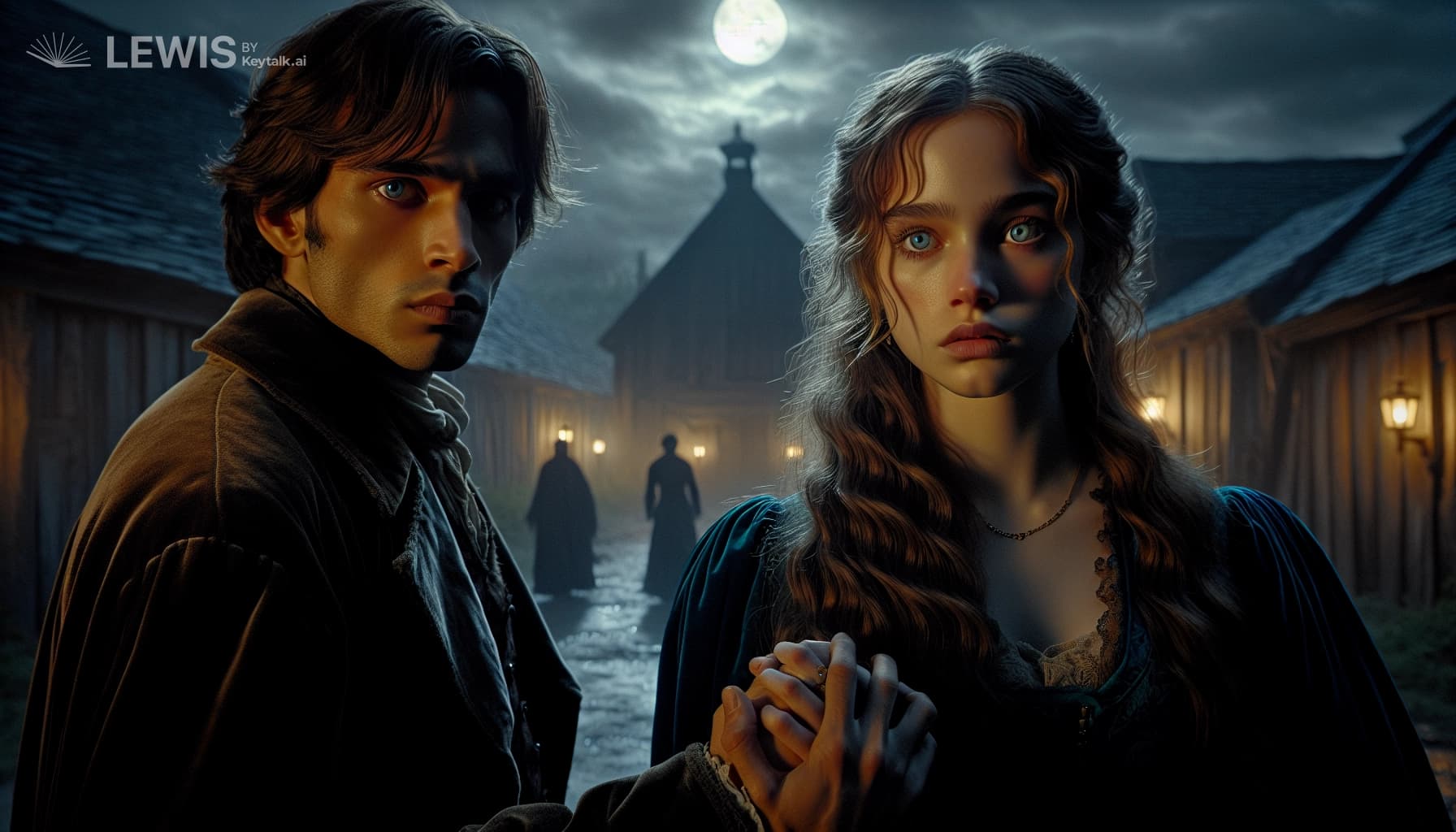
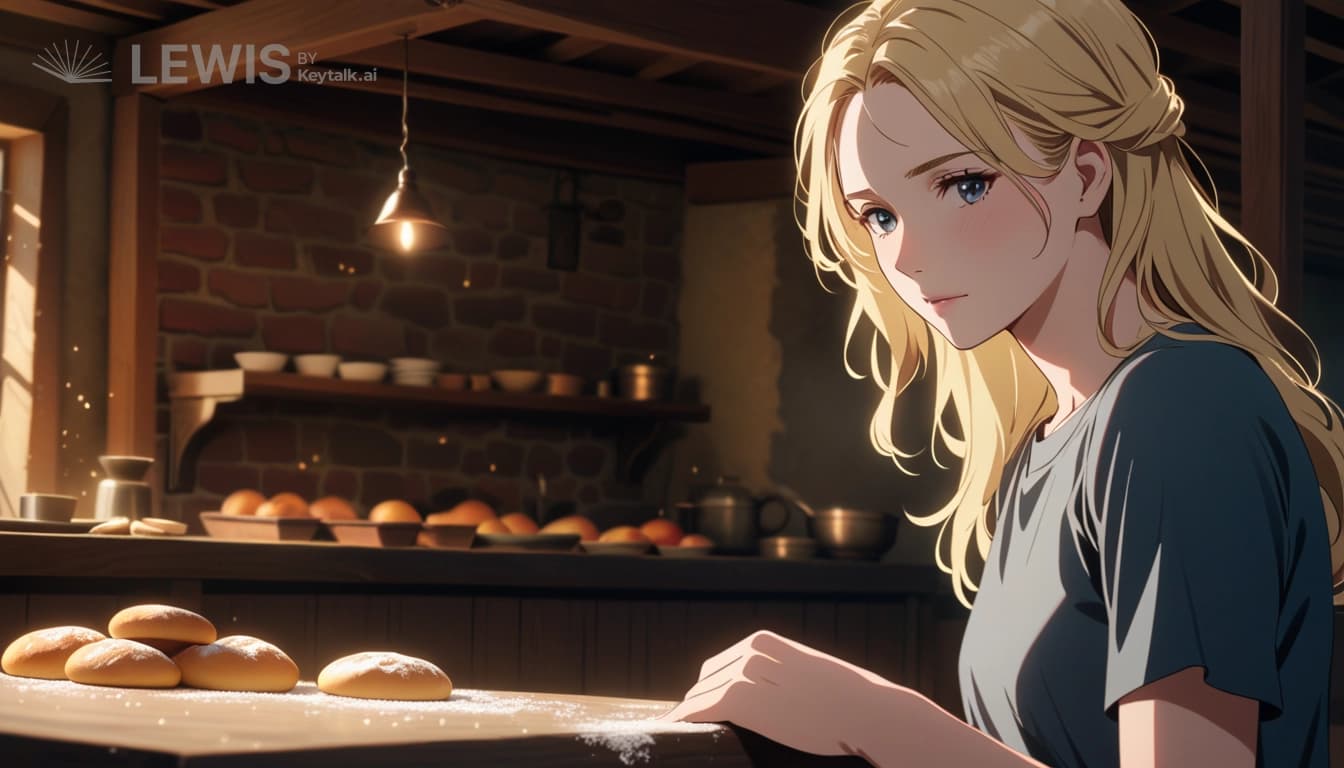
The aroma of baking bread usually brought comfort to the village, but not even Jean-Luc's creations could mask the fear that clung to the air like morning mist. A string of gruesome killings had left the community terrified, each victim seemingly chosen at random, each murder more brutal than the last. The year was 1789, and whispers of revolution were drowned out by the desperate pleas for protection from an unseen killer.
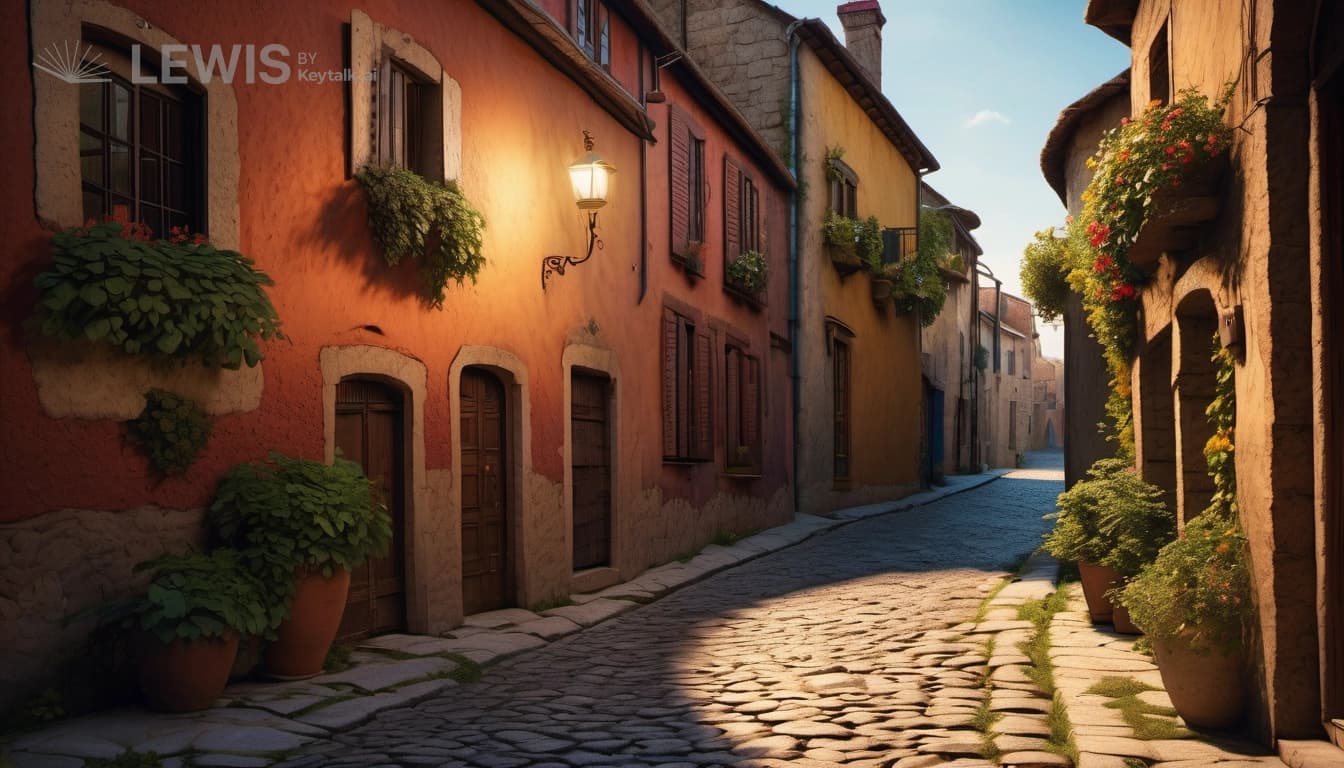
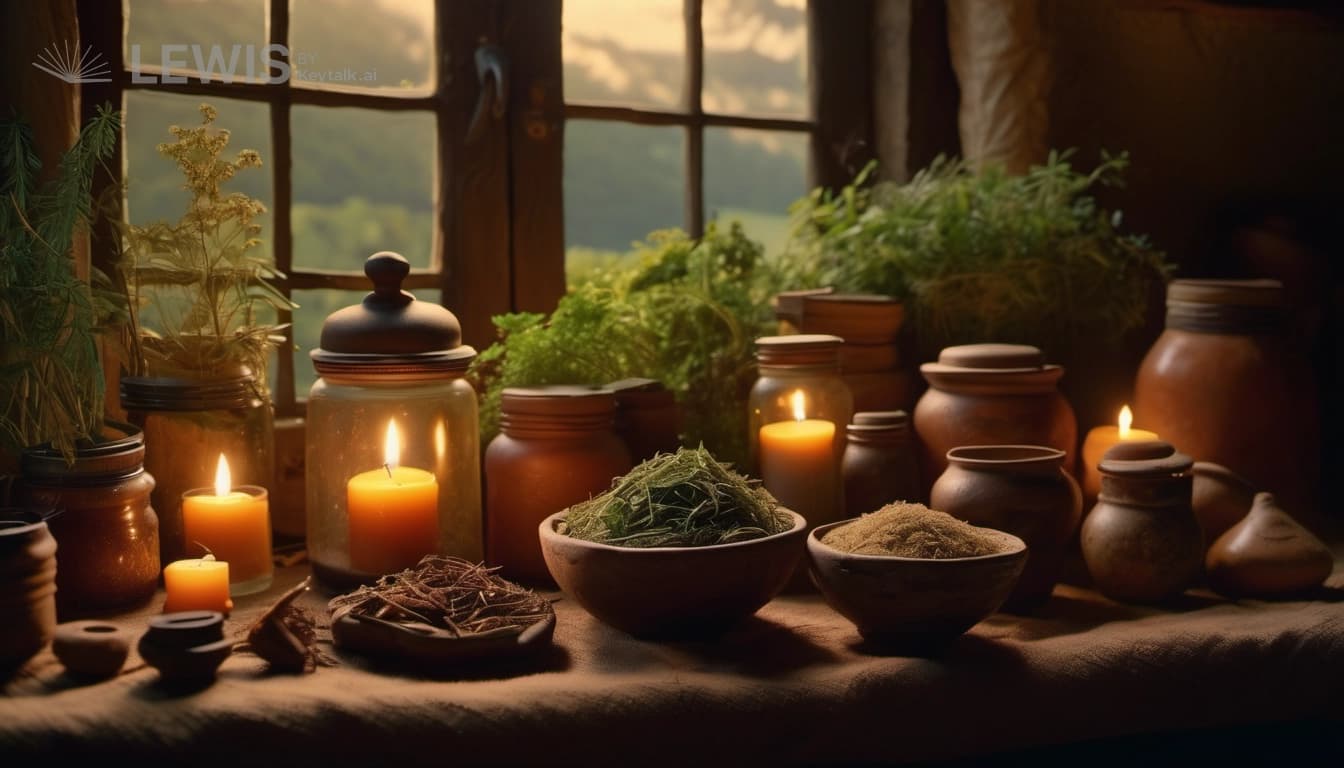
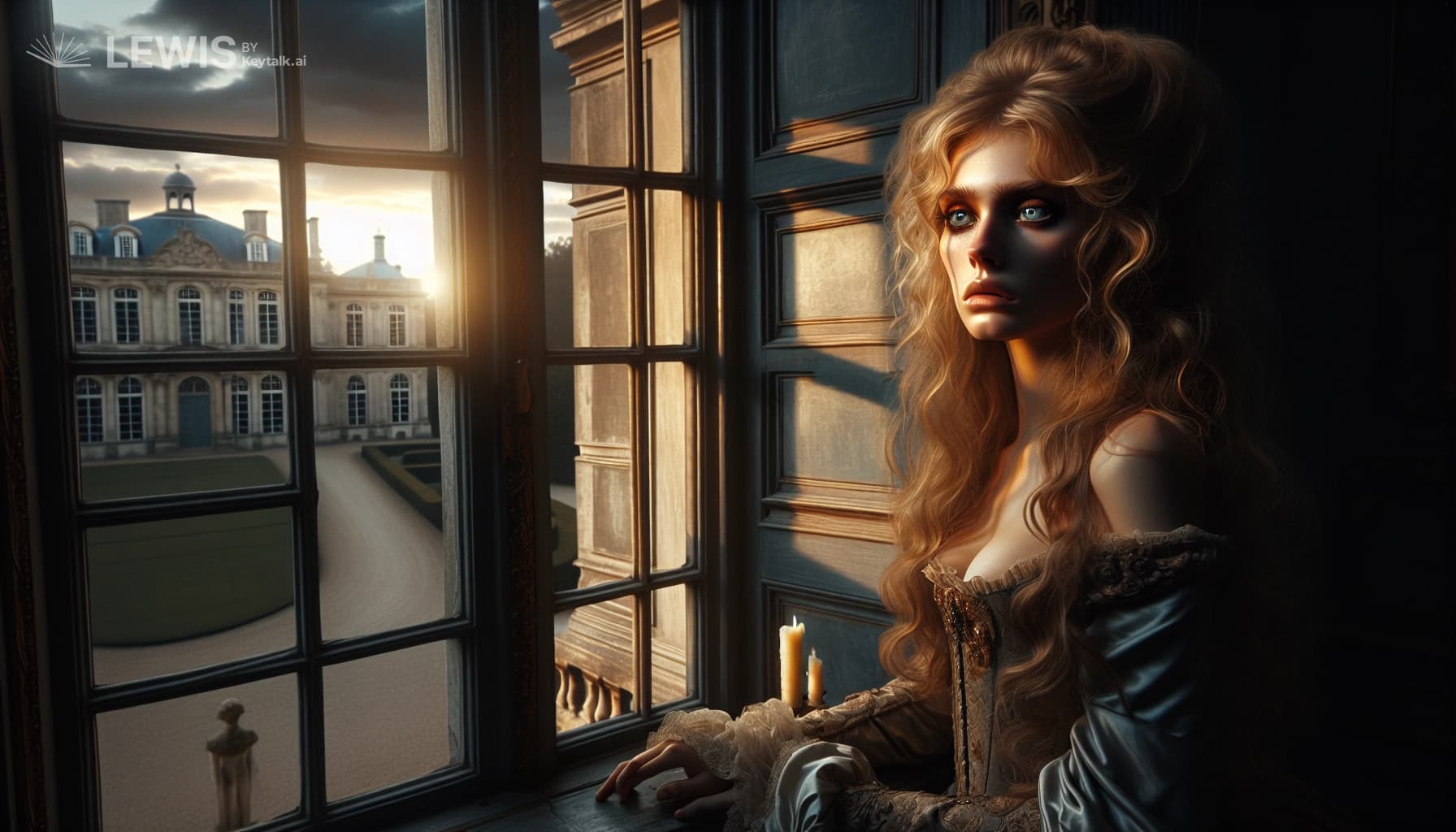
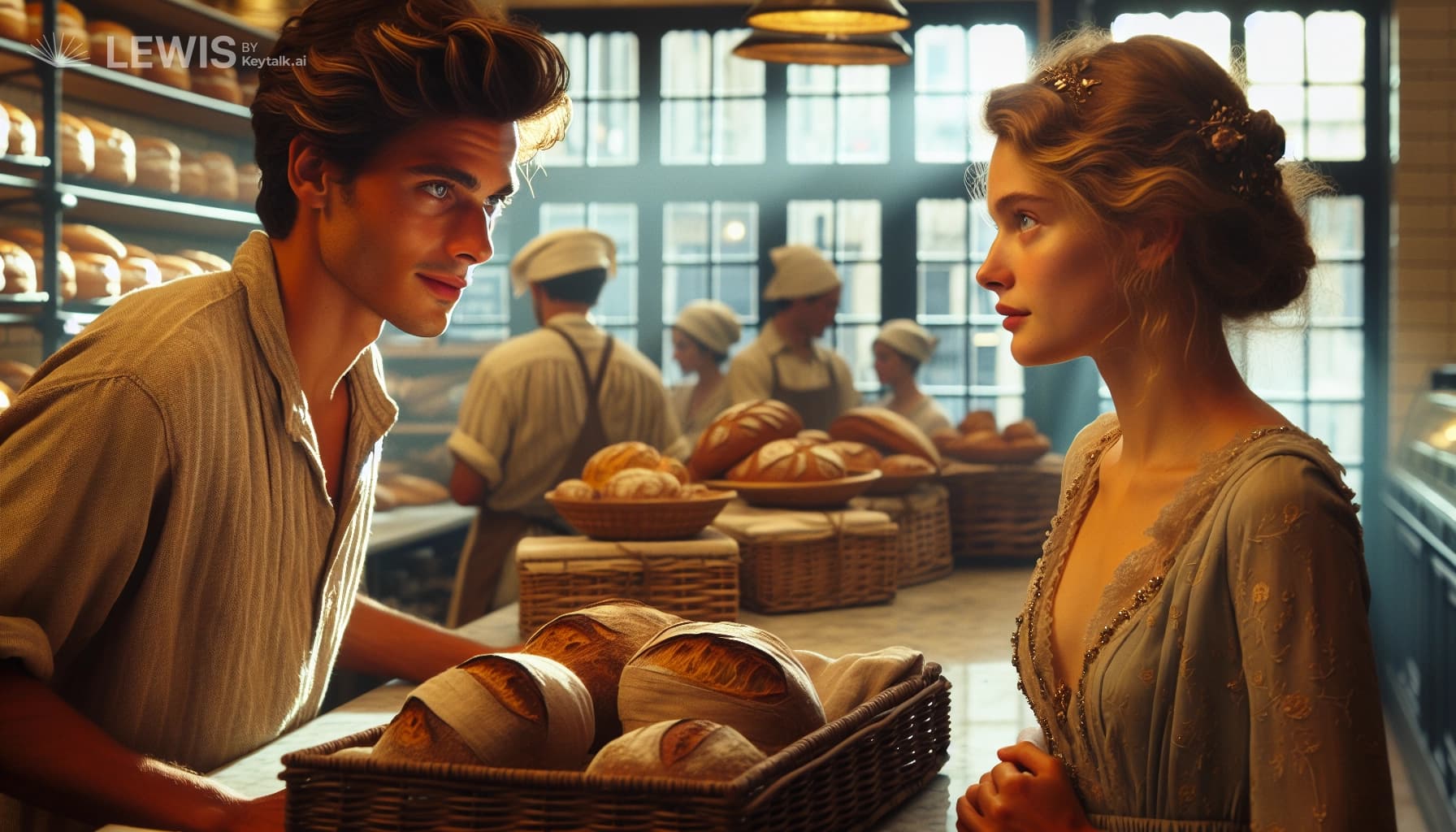
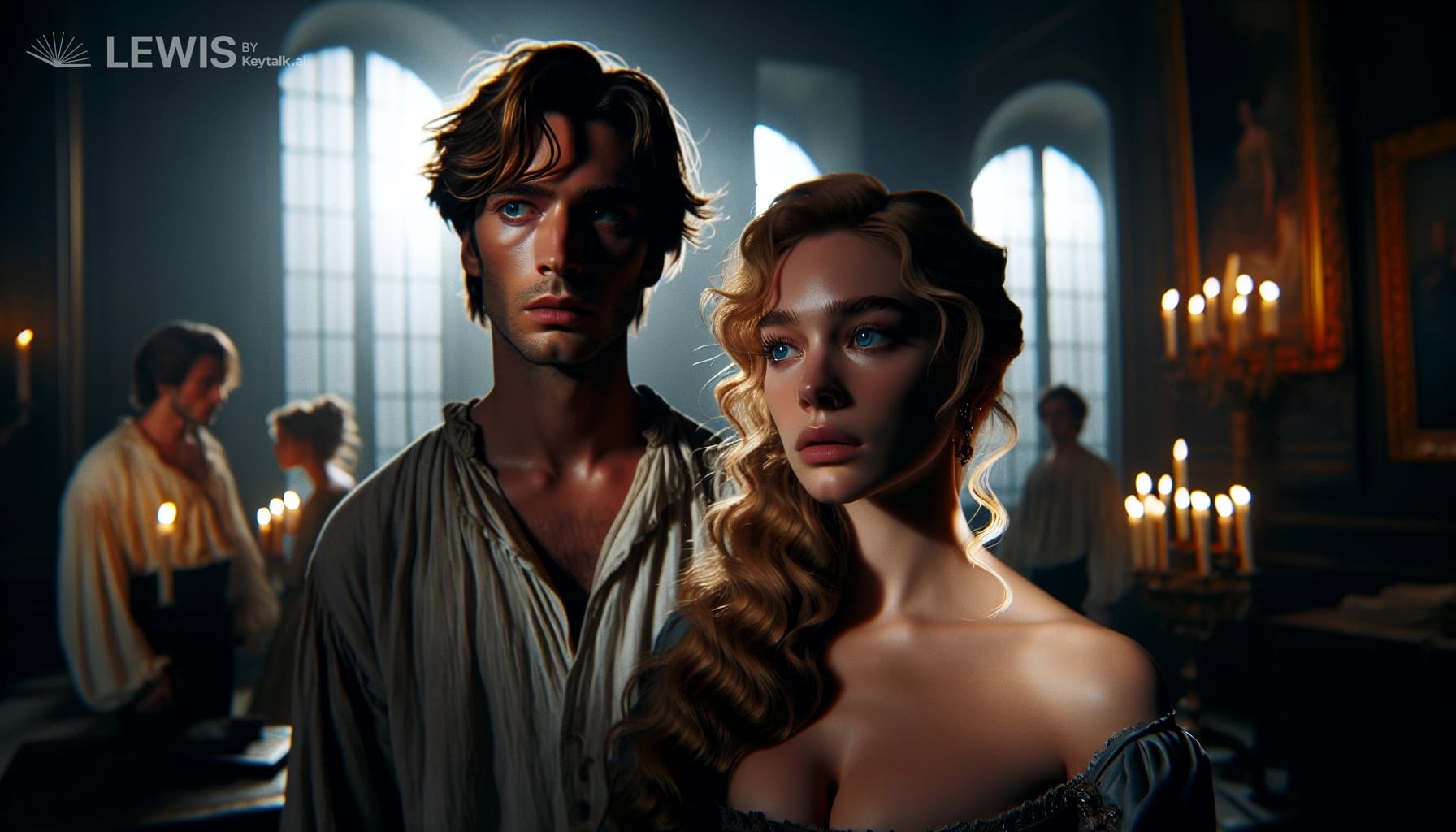
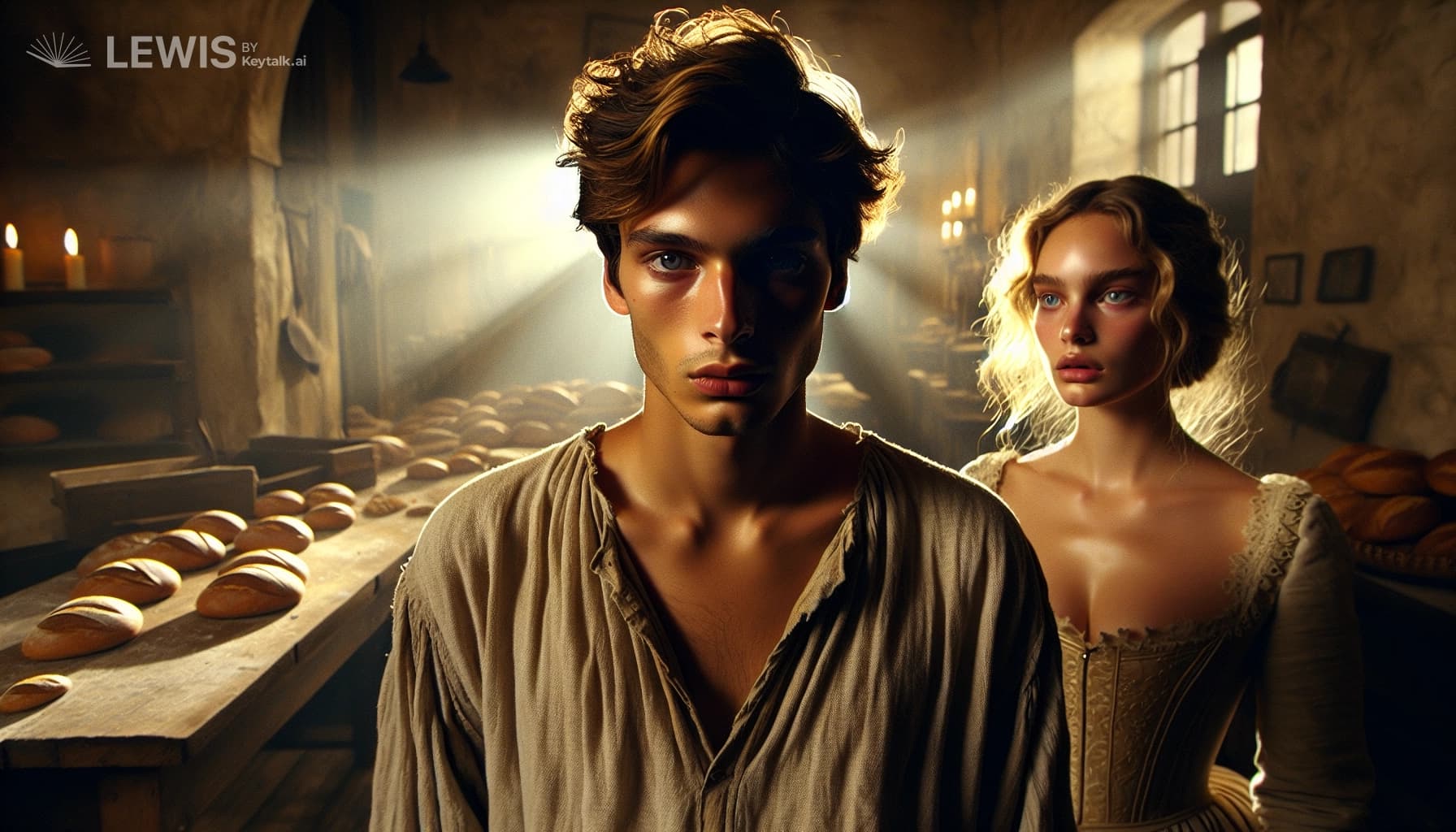
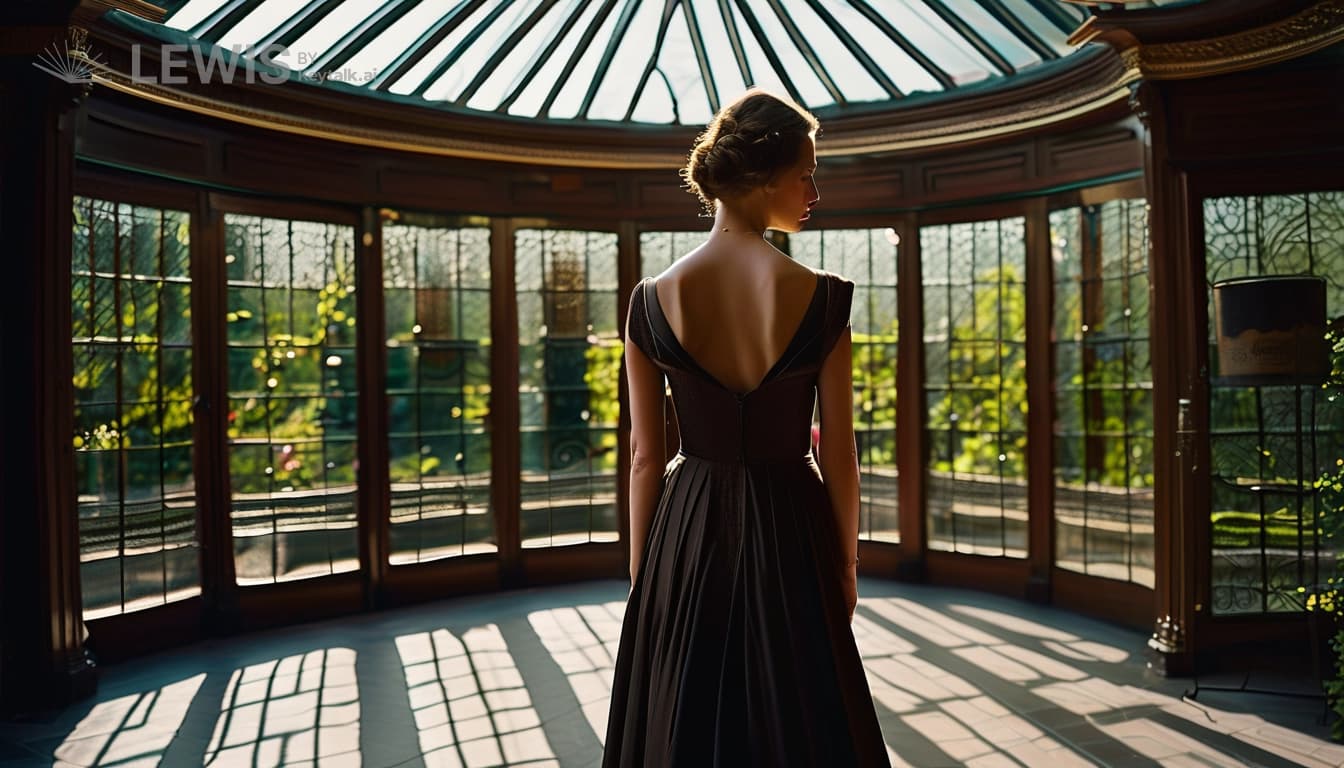
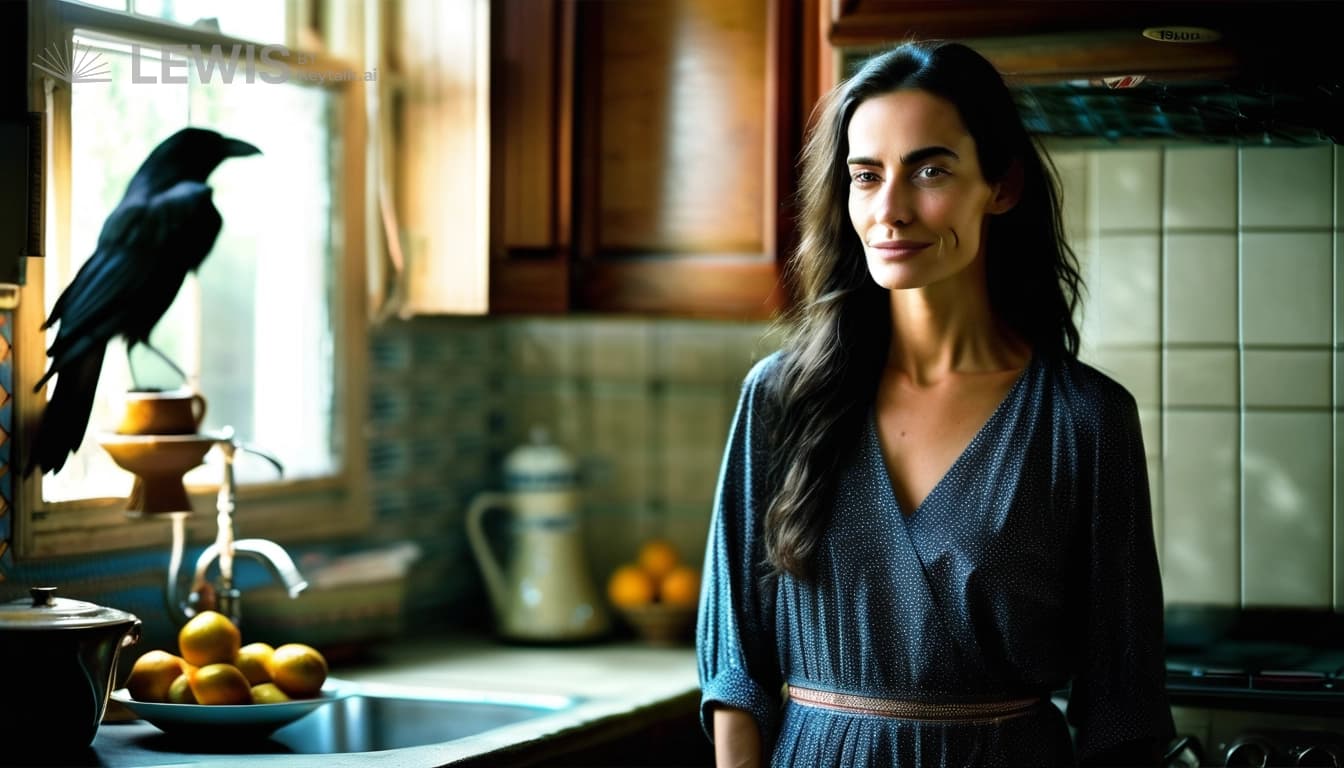
Jean-Luc, a man wrestling with his own demons, found himself hopelessly in love with Helene, the lord's wife. Their marriage was a tapestry of silk and sorrow – beautiful to behold from afar but woven with threads of discontent and unfulfilled desires. Helene, trapped in a gilded cage of her husband's making, saw in Jean-Luc a kindred spirit, a man who understood the language of longing looks and unspoken dreams. Their connection deepened, fueled by stolen moments in the bakery's warm embrace, the scent of yeast and flour a poor man's incense for their forbidden love.
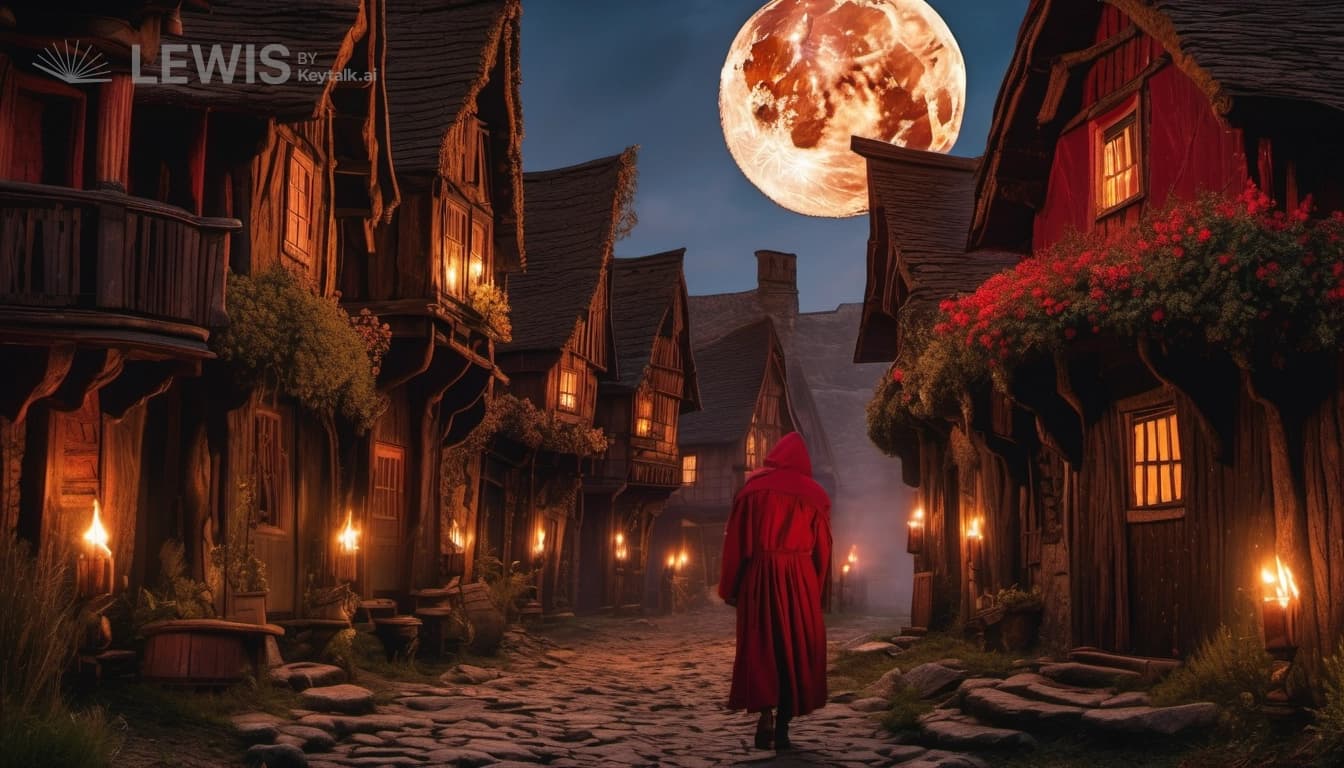
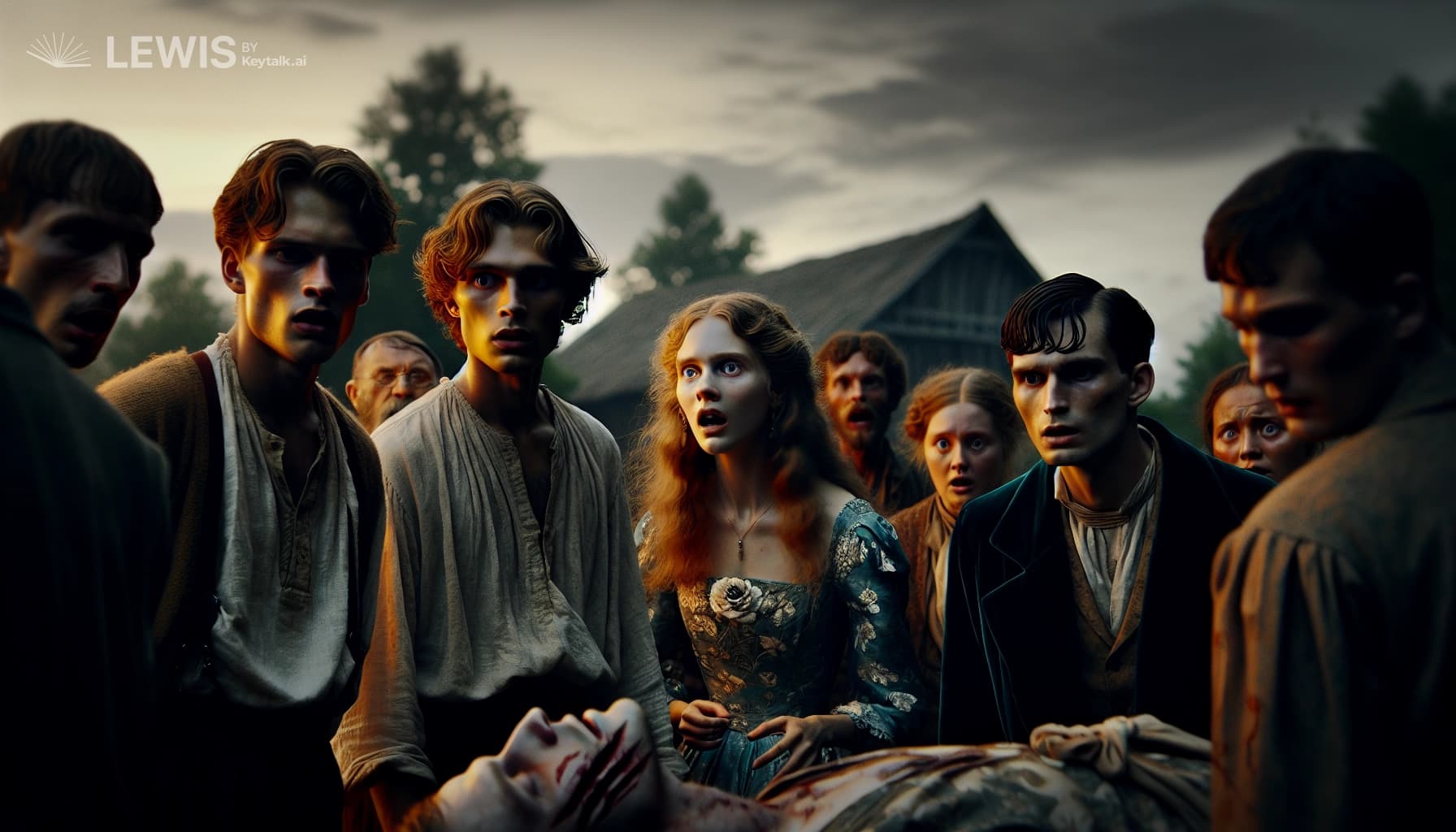
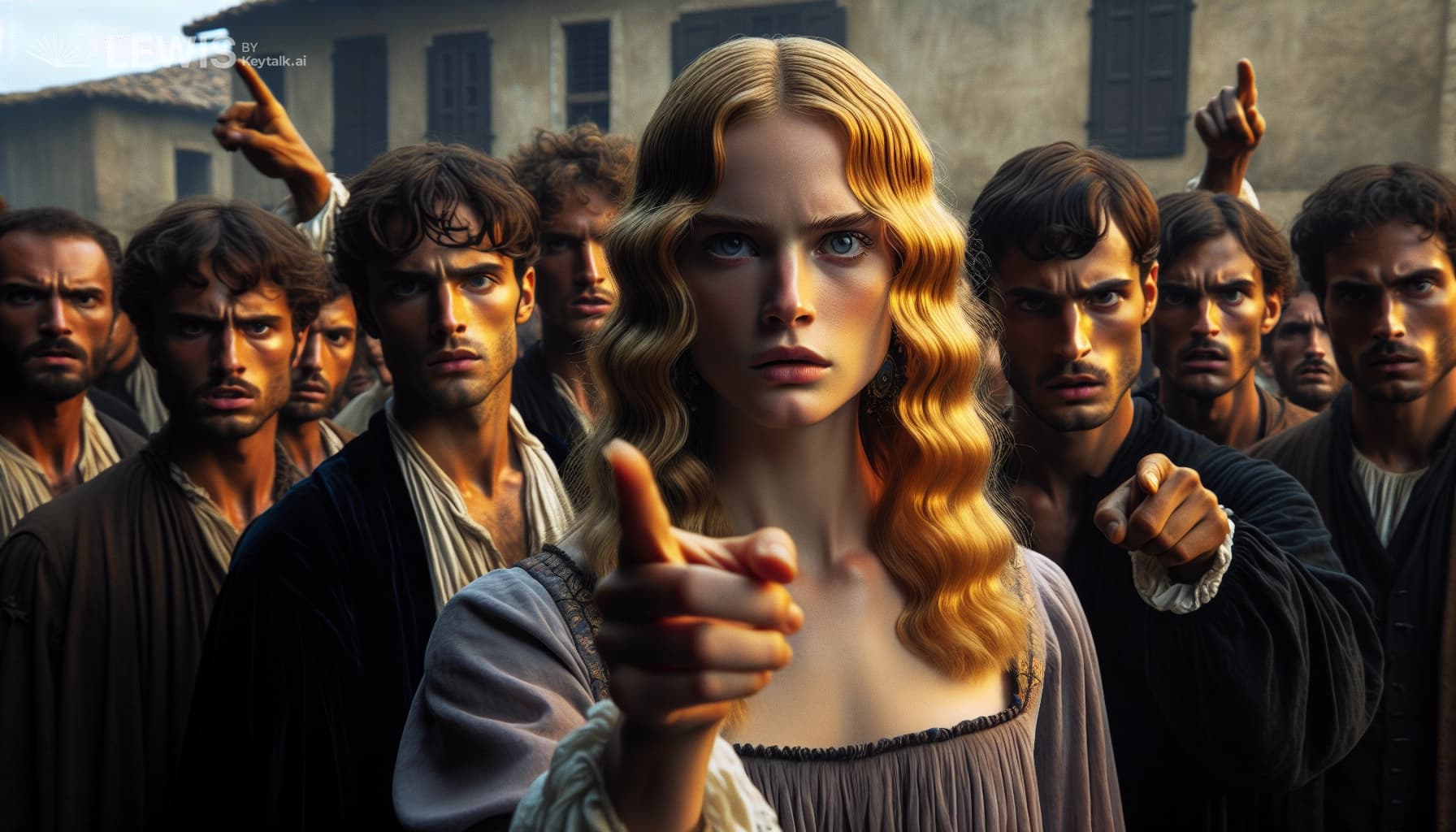
As their romance blossomed, so did the body count. The murders, each one more violent than the last, bore a chilling similarity – the victims, drained of blood, their bodies bearing strange markings, like claw marks. The villagers, their fear reaching a fever pitch, began to whisper of a loup-garou, a werewolf, stalking their midst. Their suspicions fell upon Helene, her melancholic beauty now seen as a mask, her aloof nature mistaken for predatory cunning.
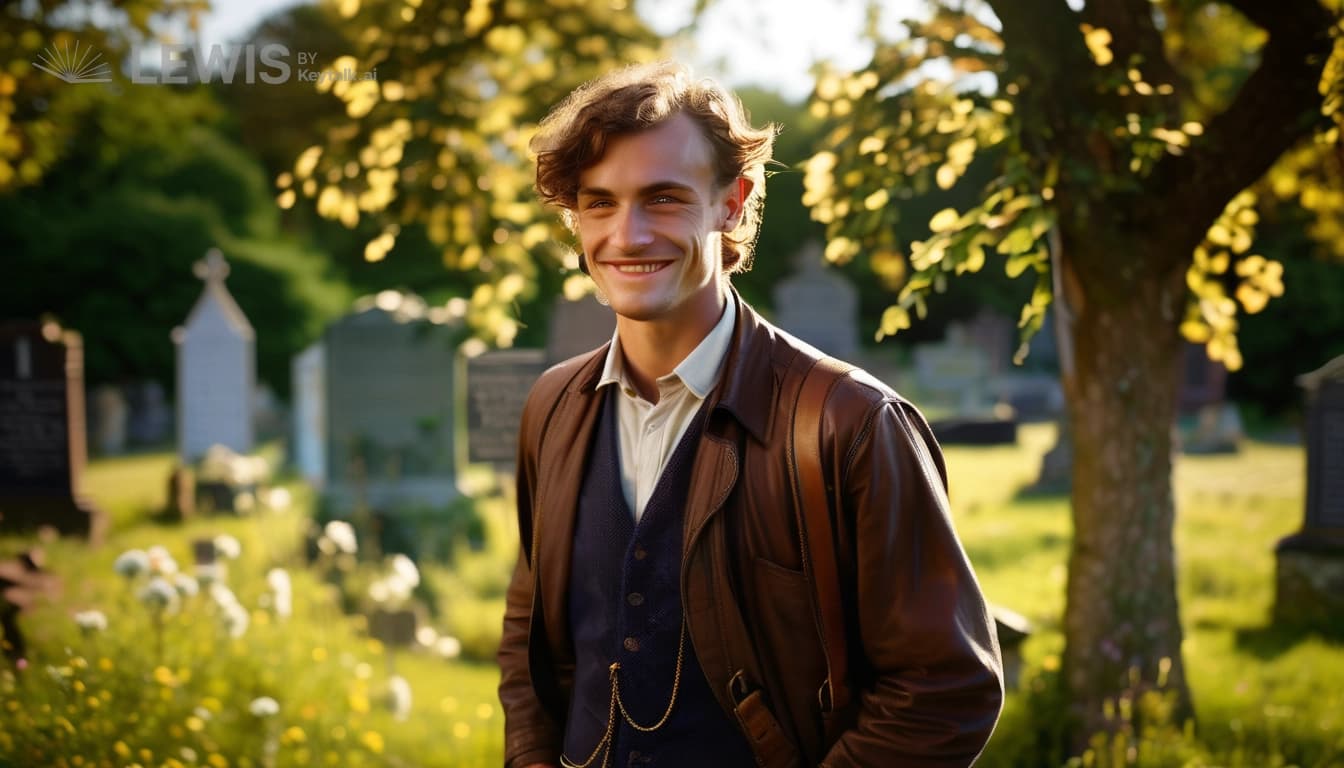
Jean-Luc, blinded by love, refused to believe the rumors. He clung to the Helene he knew, the woman who found solace in his arms, whose laughter chased away the shadows of her marriage. But the truth, like a predator stalking its prey, was closing in. He began to notice the subtle changes in Helene – her heightened senses, the way she flinched at the sight of silver, the raw, primal fear that flickered in her eyes when the moon hung full and heavy in the night sky.
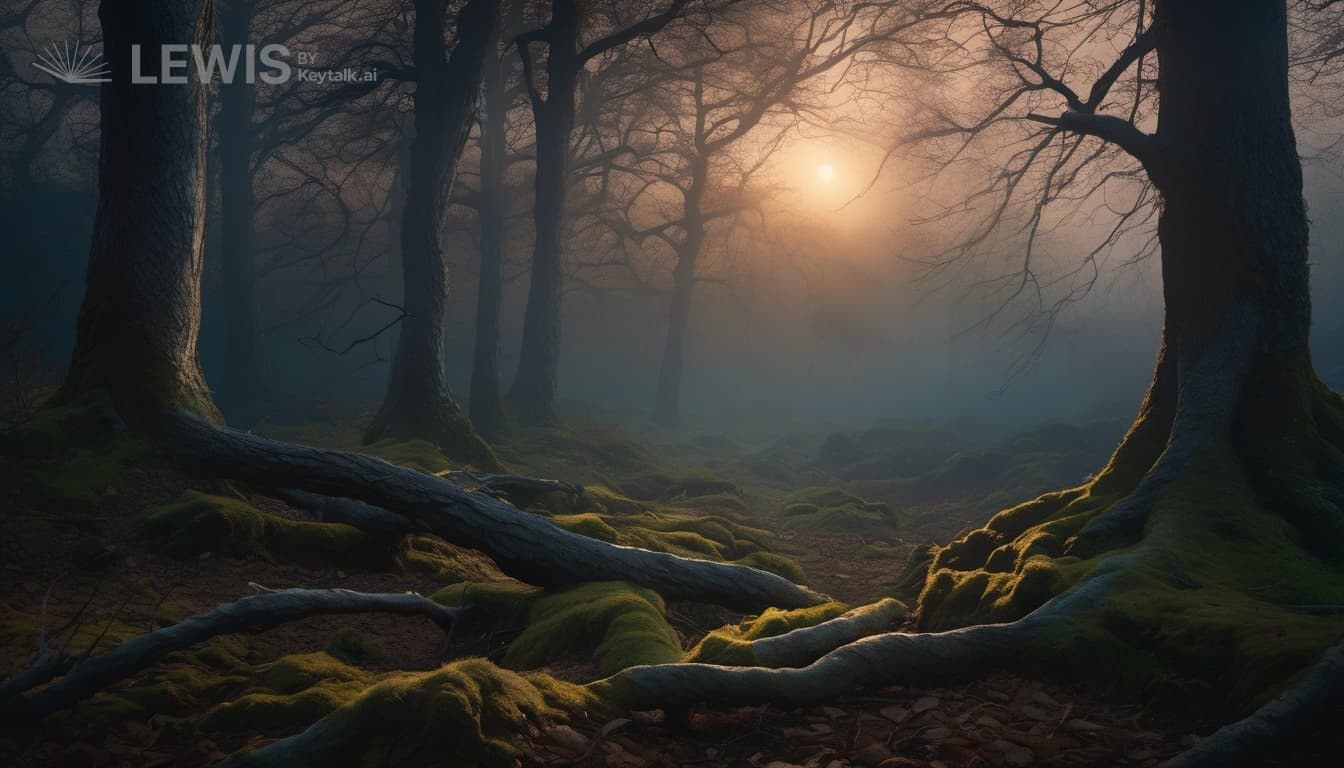
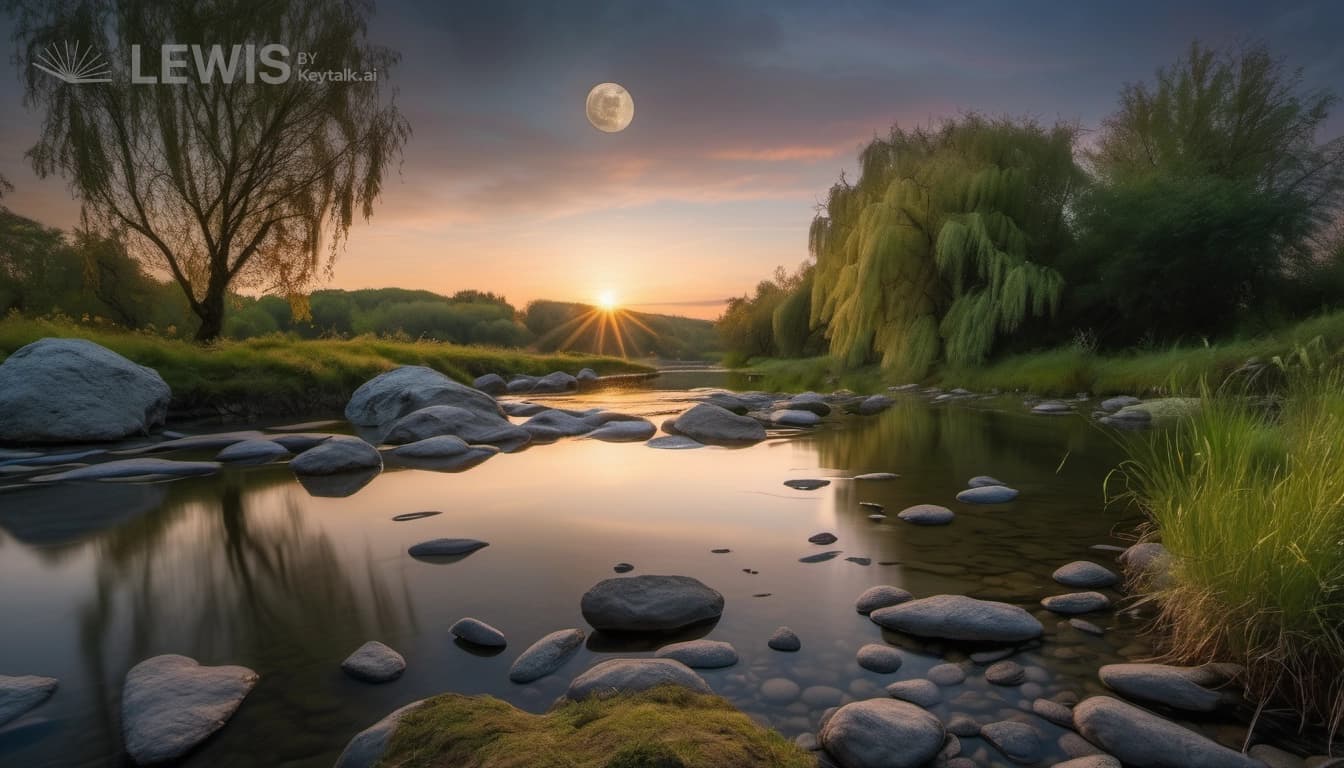
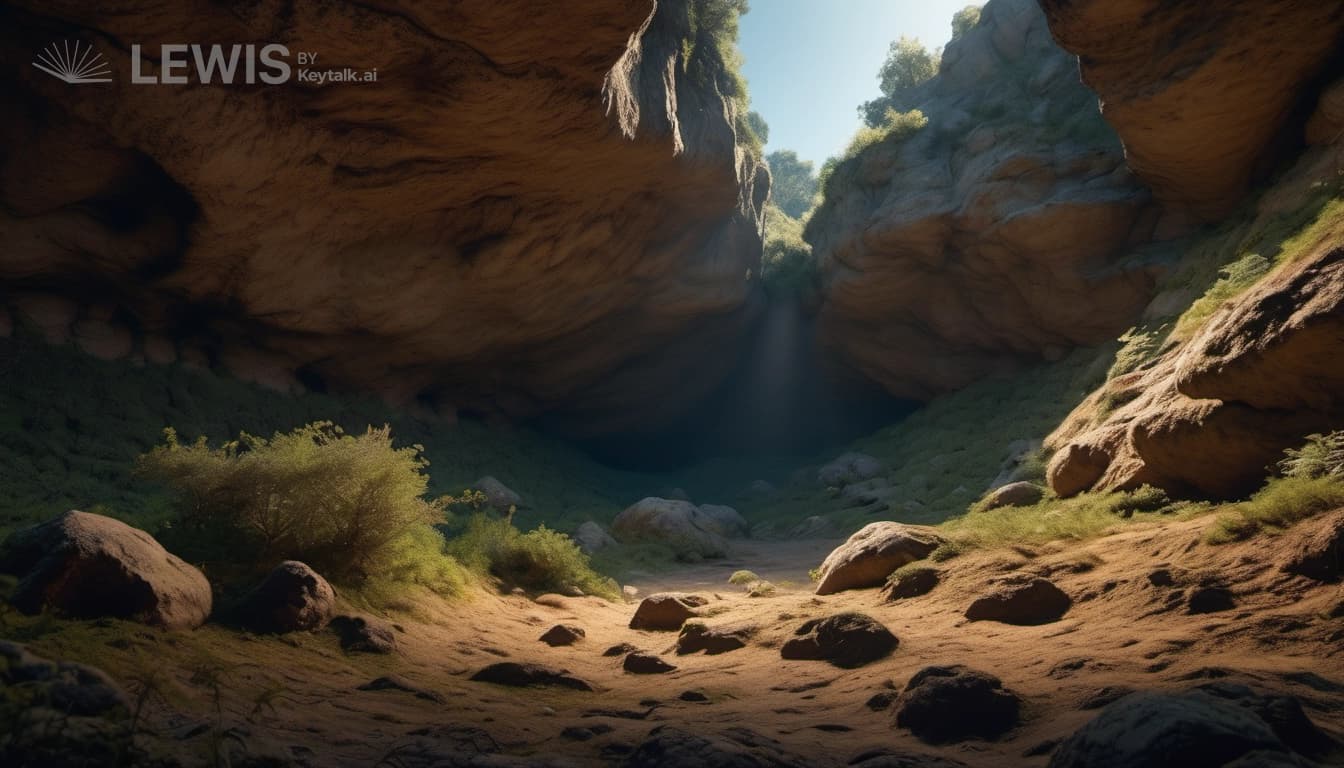
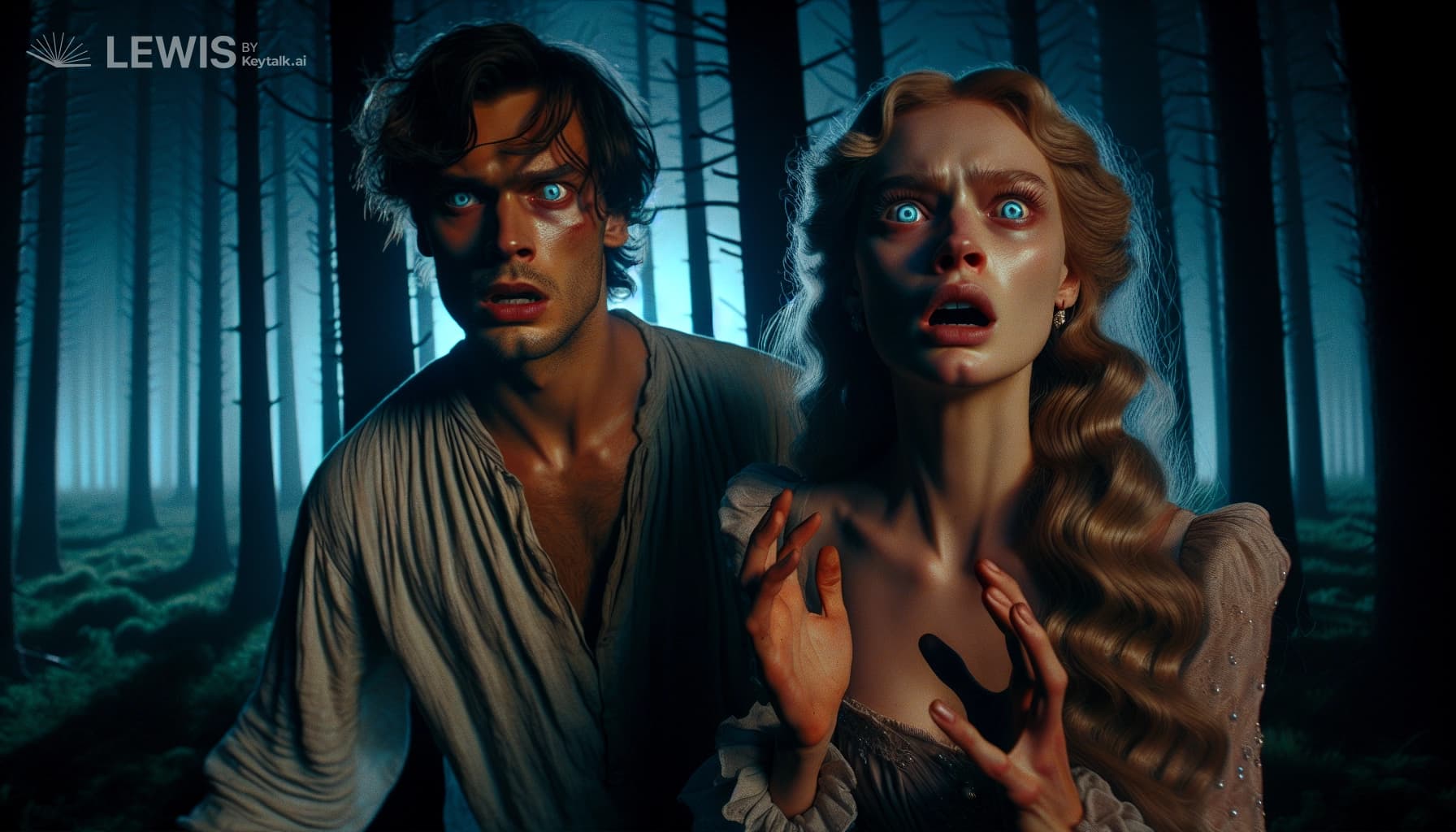
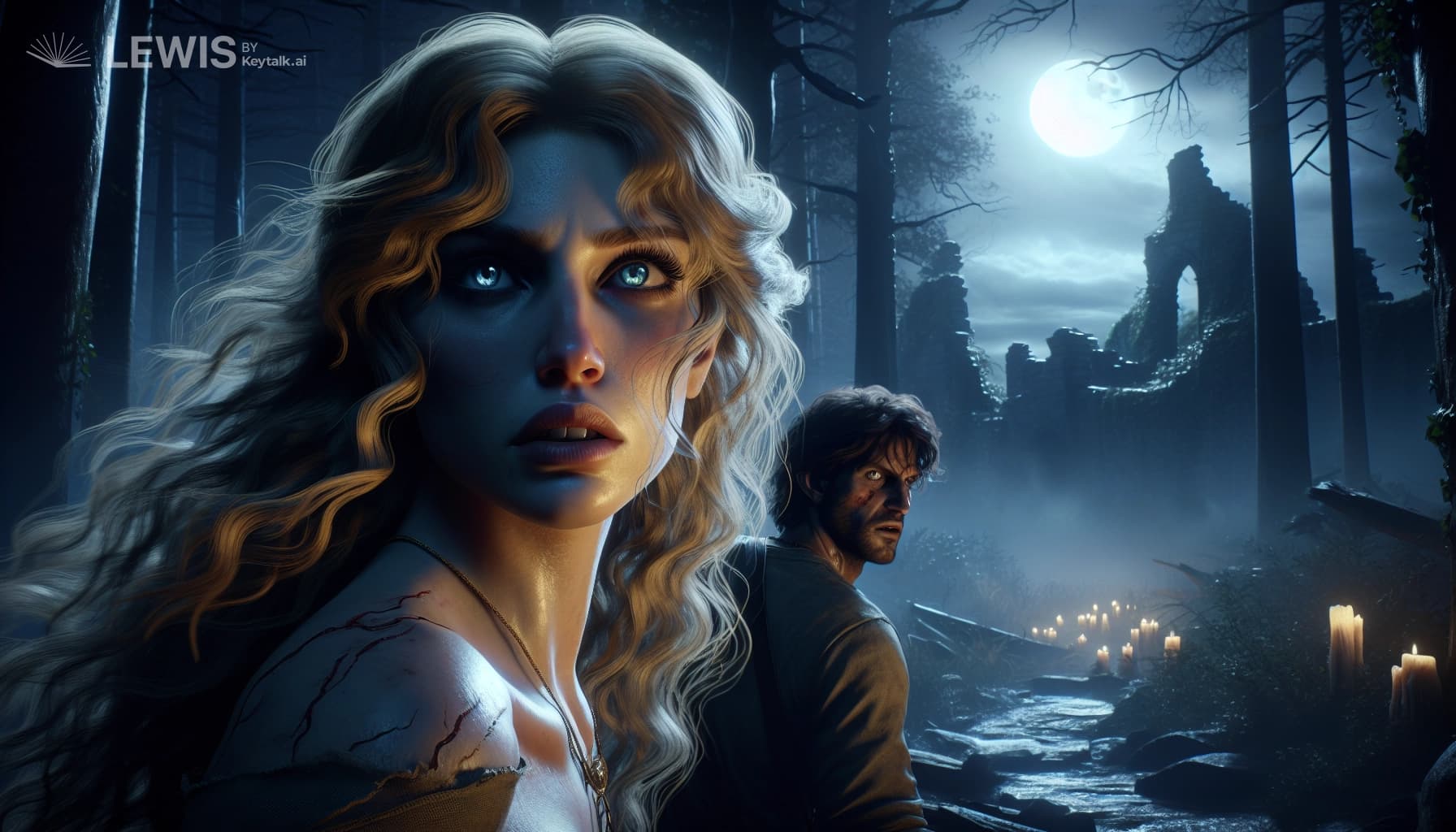
The truth unfolded in a horrifying spectacle of blood and moonlight. Jean-Luc, determined to prove Helene's innocence, followed her one night, his heart pounding a primal rhythm against his ribs. He bore witness to the unthinkable – Helene, bathed in the eerie glow of the moon, transforming, her cries of anguish swallowed by the growls of the beast she had become.
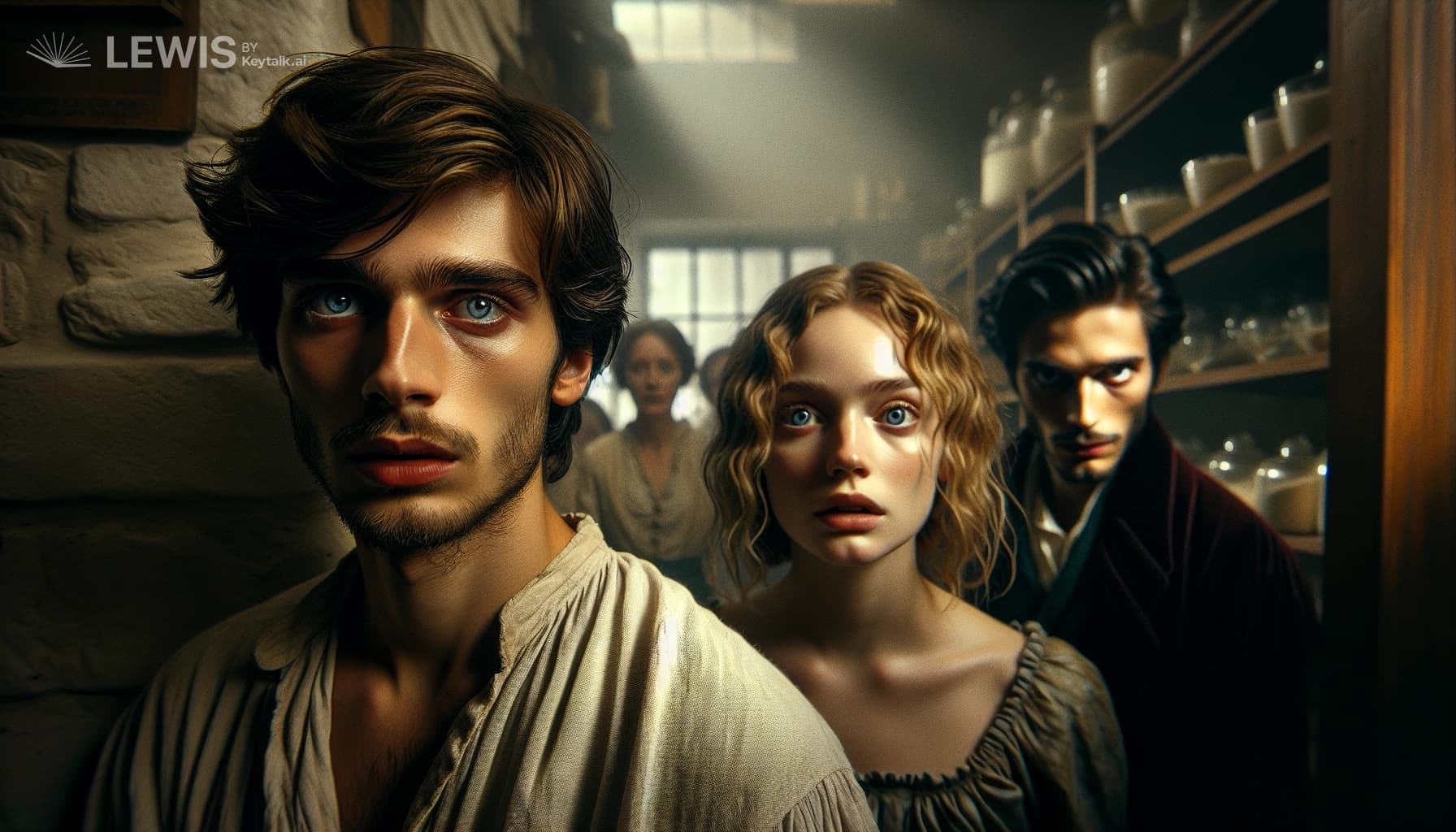
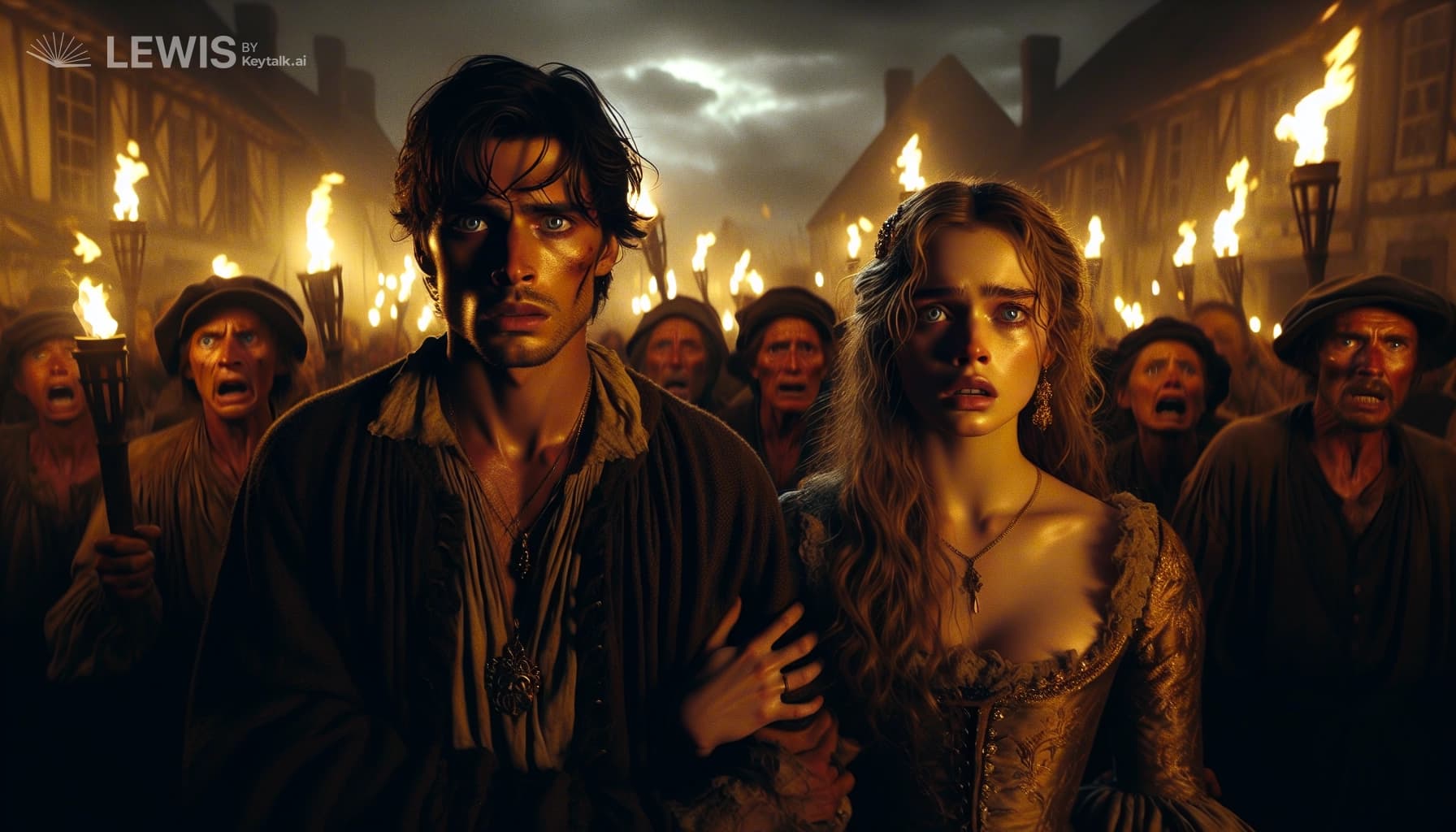
His world shattered, Jean-Luc found himself at a crossroads. Could he reconcile his love for Helene with the terrifying reality of her curse? His love, once a beacon of hope, now felt like a dangerous obsession. The villagers, armed with torches and pitchforks, were closing in, their fear-fueled rage threatening to consume everything in its path.
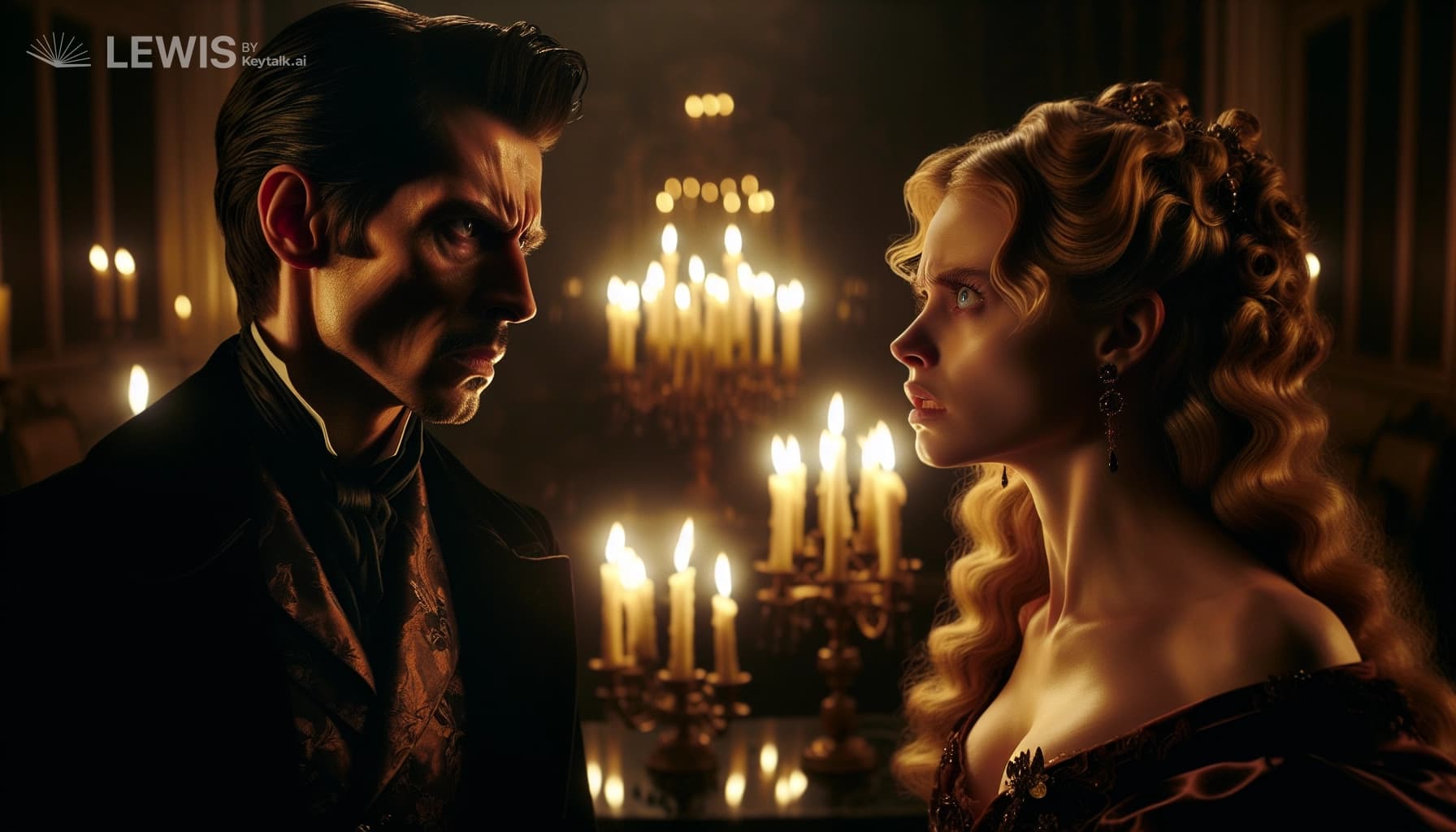
And then there was Guillaume, Helene's husband. Consumed by jealousy and the fear of his wife's secret being exposed, he became a danger more palpable than any mythical beast. The lines between love and obsession, sanity and madness, blurred in the ensuing chaos. Jean-Luc, trapped in a web of love, betrayal, and ancient curses, had to make a choice – run and save himself, or confront the beast and the mob, for a love that was both his salvation and his doom.
















Comments
Comments · 0